


Vintage Copper Trough
These vintage copper trough pieces bring warmth and utility into a room, offering generous vessels shaped for planting and display.
Vintage Copper Trough
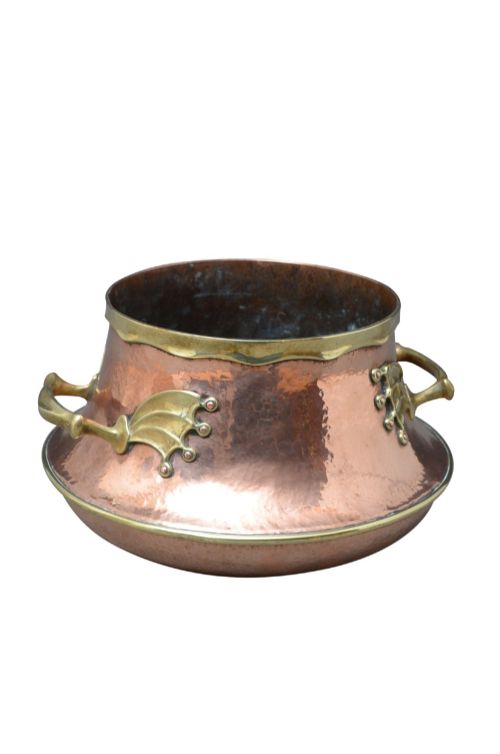
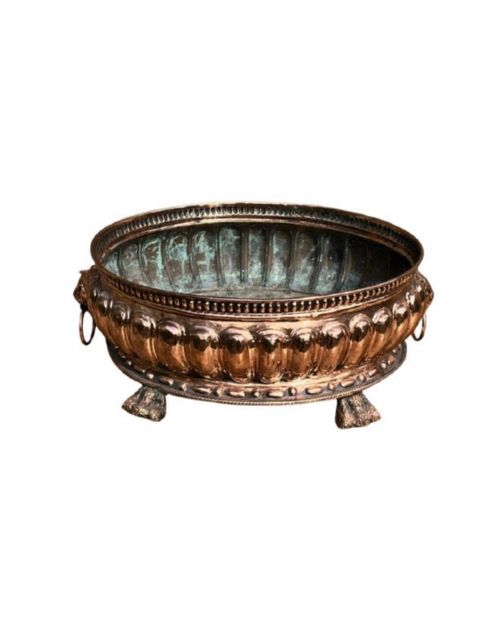
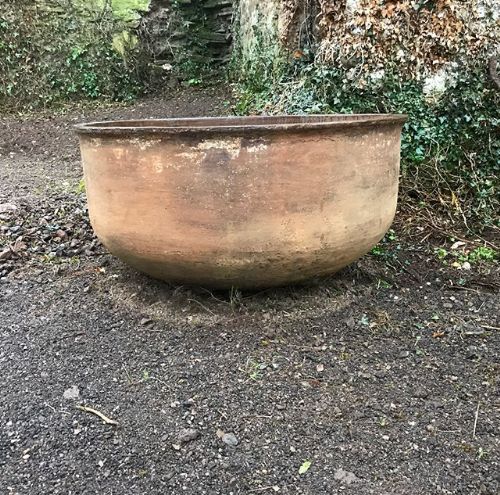
A vintage copper trough serves as a robust container for greenery and floral arrangements, often appearing in forms such as planters, jardinieres, and elongated vessels. When you search for a vintage copper trough, you encounter pieces that range from nineteenth-century Victorian designs to Edwardian and Arts and Crafts examples.
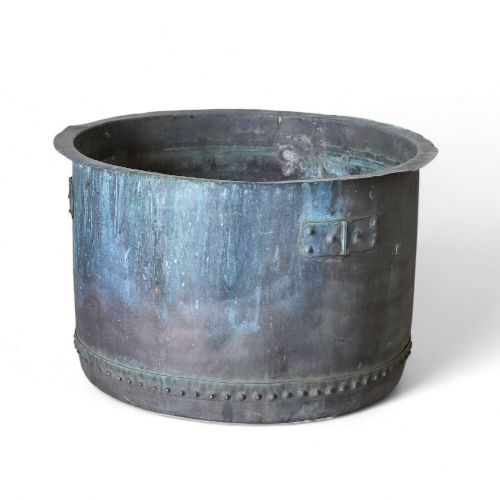
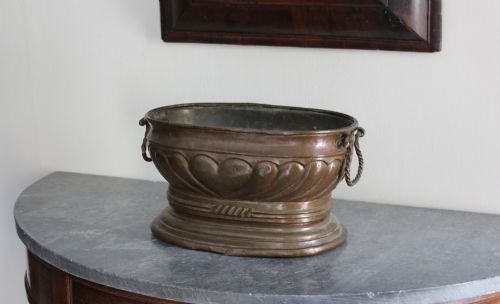
The selection includes oval jardinieres, fish kettles adapted for decorative use, and riveted vessels that reflect utilitarian origins. These items transition easily from practical garden use to interior display spaces like living rooms and hallways.
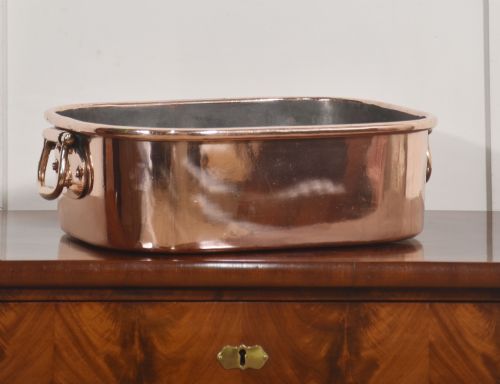
Most pieces date from the nineteenth century, including specific years like eighteen-eighty and eighteen-ninety, alongside eighteenth-century Georgian wine coolers and later twentieth-century Arts and Crafts bowls.
How they were made
Makers constructed these vessels primarily from sheet copper, often combining it with brass, iron, wrought iron, and steel for handles, bands, and stands. Hand-riveting techniques fastened the metal plates together, creating visible seams that added structural strength and industrial character.
Master craftsmen shaped the metal through beating and joining, developing rich natural patinas over decades of oxidation and handling. Interiors were frequently lined with tin to protect the copper from moisture when used for planting.
The listings span from the eighteenth century through the Victorian era and Edwardian period, up to nineteen-thirty.
What varies in quality
The distinction between ordinary and exceptional pieces lies in the hand-working of the metal and the integrity of construction. Heavier gauge copper and tight, uniform hand-riveting signal superior craftsmanship from workshops that prioritised durability alongside appearance.
Surface character also dictates standing, where an undisturbed, rich natural patina demonstrates age and careful preservation better than an aggressive modern polish. Original brass or wrought iron mounts, handles, and stands complete a cohesive composition that elevates the piece.
The Vintage Copper Trough Glossary
- Jardiniere
- An ornamental pot or stand for holding plants or flowers. These vessels often feature decorative handles and sturdy bases suited for interior display.
- Patina
- The surface appearance developed by copper over time through oxidation, handling, and environmental exposure. A rich natural patina displays varied tones of brown, green, and deep orange.
- Fish Kettle
- A long, oval metal vessel originally designed for poaching whole fish, often repurposed in interior schemes as a planter or wine cooler.
- Arts and Crafts
- A design movement emphasising handcraftsmanship, simple forms, and visible construction methods like rivets and hammered textures.
Vintage Copper Trough: Frequently Asked Questions
What were copper troughs used for originally?
Originally, these vessels served practical functions in large domestic spaces, ranging from holding plants and flowers to chilling wine or cooking fish.
Over time, their robust metal construction and decorative appeal led to them being adopted primarily as indoor planters and ornamental containers.
How do I clean a vintage copper trough?
Cleaning depends entirely on whether you prefer to preserve the aged surface or restore the bright metallic shine.
Most collectors choose to leave the natural patina untouched, using only a soft, dry cloth to remove dust without disturbing the historic finish.
Are these troughs suitable for outdoor planting?
While these vessels were constructed from durable metals like copper and iron, many possess historic value and delicate tin linings.
Using them indoors or protecting them with inner pots prevents moisture damage and preserves the structural integrity of the metal.
How can I tell a Victorian copper trough from a later piece?
Victorian examples often feature heavier hand-riveted construction, specific brass mounts, and deeper patination characteristic of nineteenth-century workshops.
Later pieces from the Arts and Crafts period or the twentieth century tend to display simpler, stylised forms with different handling of the metal surface.