
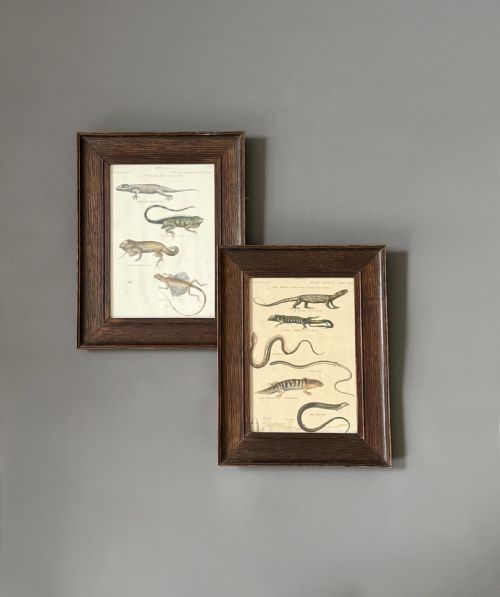
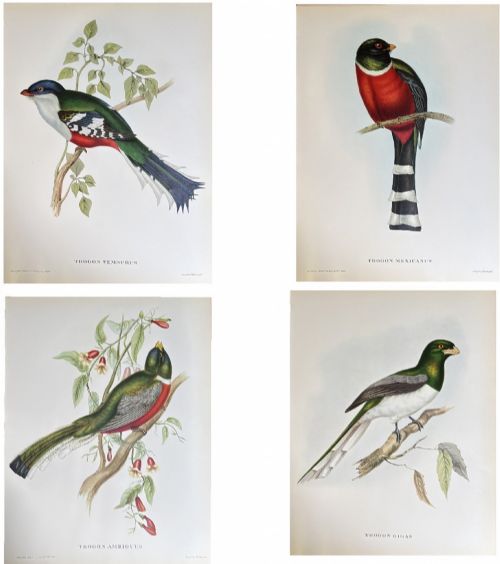
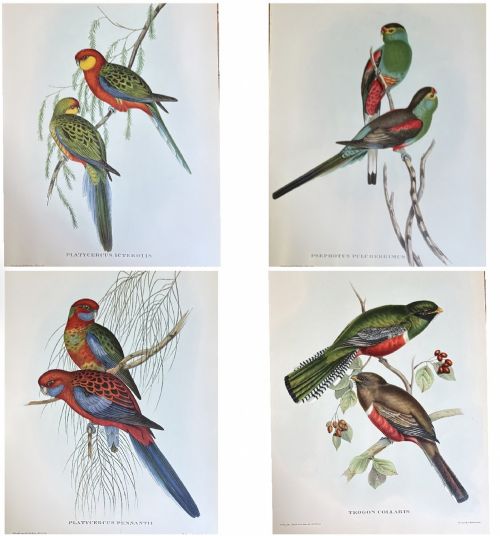


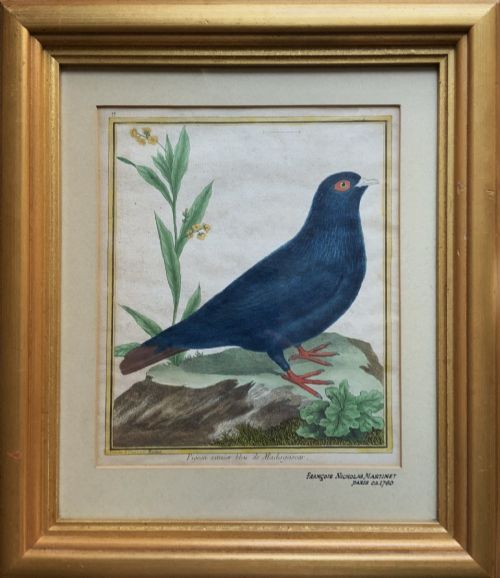
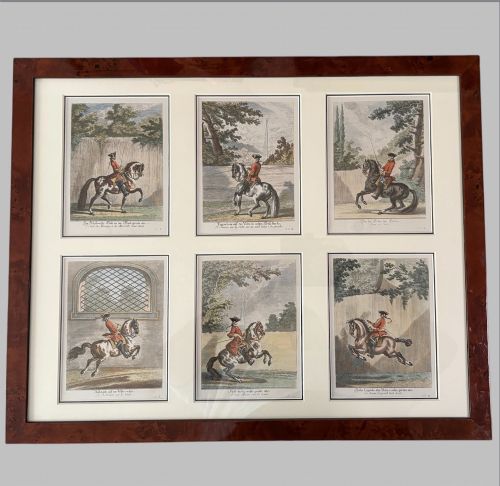
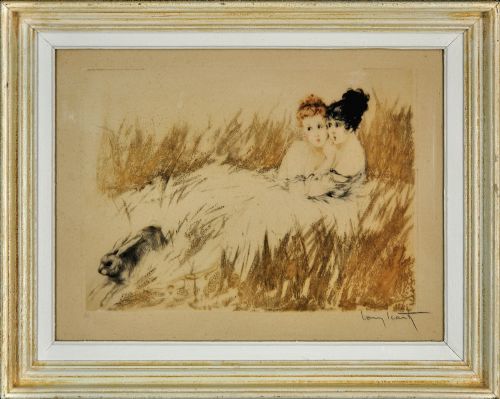
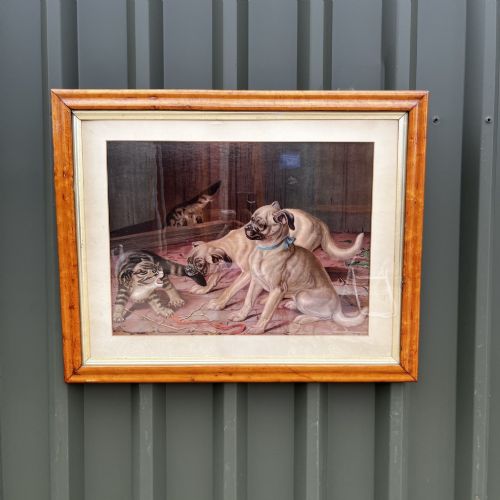
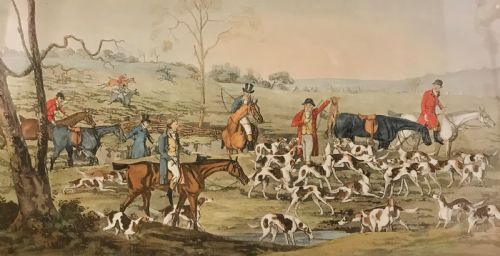
Vintage Coloured Print
A vintage coloured print brings centuries of observation, natural history and cartography onto the wall through ink, paper and hand-applied pigment.
Vintage Coloured Print
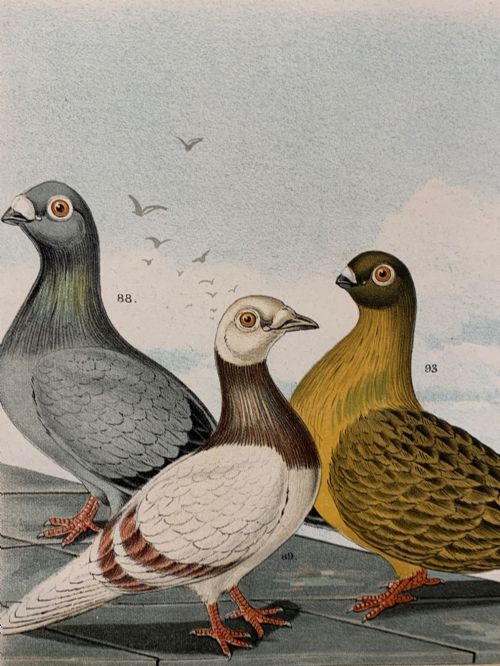
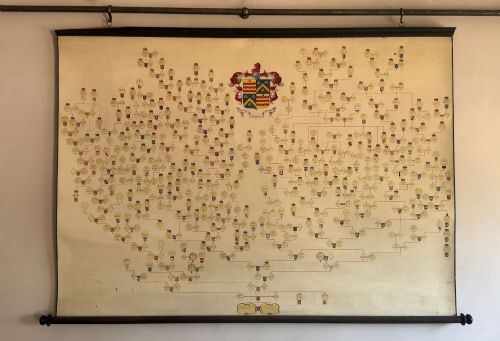
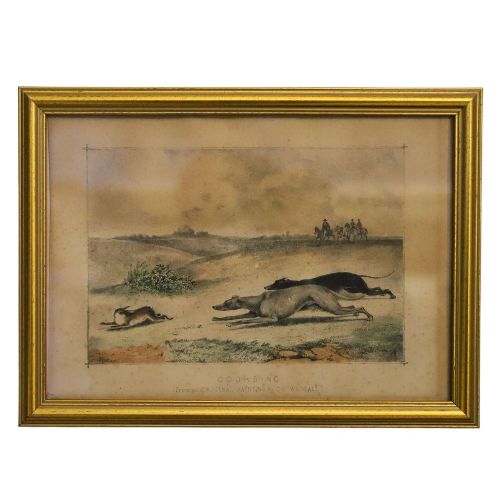
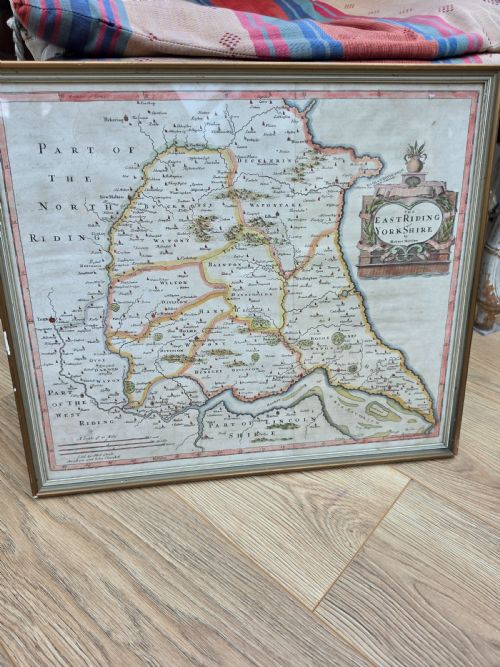
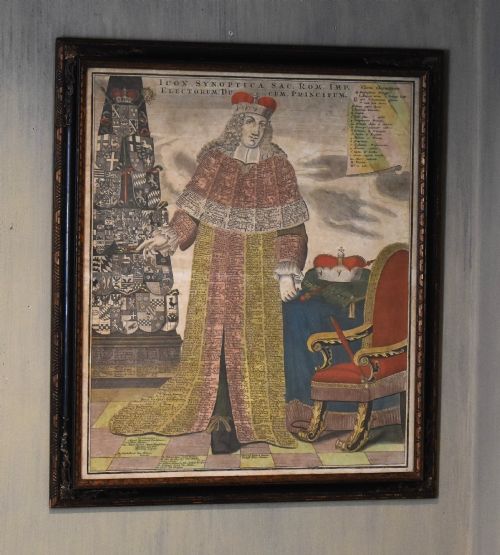
When you search for a vintage coloured print, you encounter a diverse range of works spanning from the seventeenth century through to the mid-twentieth century, including natural history plates, cartography, and portraiture. These pieces record subjects as varied as tropical birds, regional maps, and sporting scenes, often originating from bound volumes or specialist folios.
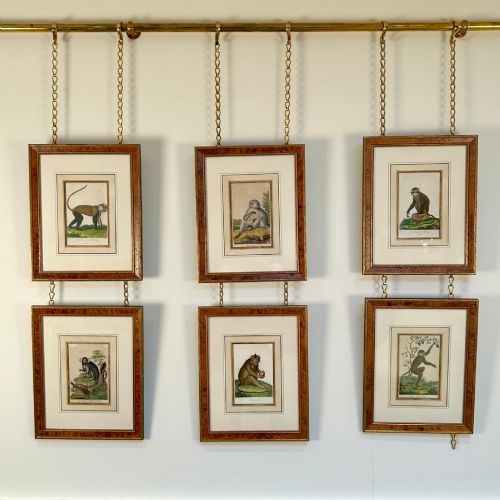
On this page, you are most likely to meet nineteenth-century engravings and lithographs alongside eighteenth-century botanical and zoological studies. Many of these survive in framed formats utilising period mouldings, while others remain loose sheets ready for presentation.
How they were made
The foundation of these works relies upon traditional printmaking techniques such as copper engraving, etching, and lithography executed on rag paper. Artisans then applied pigments by hand using watercolour washes or employed early colour-printing methods like chromolithography to build up rich tones.
Framing materials reflect the period of presentation, incorporating wood, gilt wood, and mount board to protect the delicate paper substrates. Later twentieth-century examples integrate photographic processes and woodblock printing, demonstrating the evolution of graphic reproduction.
Materials recorded across the inventory include handmade paper, gilt wood frames, watercolour pigments, and early printing inks.
What varies in quality
The distinction between tiers rests upon the precision of the initial plate work and the skill involved in the application of pigment. Crisp definition in the engraved lines combined with subtle, stable hand-colouring separates workshop outputs from mass-produced reproductions.
Condition of the paper sheet heavily influences standing, where even toning and minimal acidification preserve the integrity of the image. The survival of contemporary framing and clear attribution to a named artist or publisher further elevate an example within its genre.
William Bird MD FLS·François-Nicolas Martinet·Shiro Katamatsu·Sydney Wilson·Warwick Goble
The Vintage Coloured Print Glossary
- Engraving
- A printmaking process where an artist cuts a design into a metal plate with a sharp tool called a burin. The resulting incisions hold the ink for transfer under pressure.
- Lithography
- A planographic printing method based on the mutual repulsion of oil and water upon a flat limestone or metal surface. It allows for delicate tonal gradations and fluid lines.
- Chromolithography
- A multi-stone colour lithographic process where a separate stone is used for each colour applied. This technique produced vibrant, saturated prints popular in the nineteenth century.
- Etching
- A technique in which lines are bitten into a metal plate using acid rather than direct mechanical force. The artist draws through an acid-resistant ground before the chemical bath creates the recesses.
- Mezzotint
- A tonal printmaking method where the copper plate is roughened uniformly to produce dark areas, then scraped and burnished to create highlights. It yields rich velvety blacks and smooth gradients.
Vintage Coloured Print: Frequently Asked Questions
How should I frame these prints?
Protect the paper by using acid-free mount board and framing materials that prevent direct contact between the glass and the surface of the print. Keeping the work away from direct sunlight preserves the fugitive watercolours and inks used in early colouration.
Period frames often complement the age of the piece, though simple modern conservation framing ensures stability for delicate sheets from the eighteenth and nineteenth centuries.
Are these prints hand coloured?
Many historical plates received pigment by hand using fine brushes after the primary monochrome impression was struck from the metal plate or stone. Close inspection reveals brushstrokes and subtle variations that distinguish these applied washes from printed colour.
Later Victorian and Edwardian examples often utilise chromolithography, where multiple stones laid down distinct coloured inks to achieve a similar rich palette without subsequent manual painting.
How do I identify the age?
Dating relies upon examining the characteristics of the paper stock, the typography of any accompanying text, and the specific printing technique employed. Watermarks within the handmade paper often provide definitive clues to the decade of production.
Subject matter and stylistic conventions of the period also help narrow down the era, particularly when combined with the recorded working dates of the engraver or publisher.
Where did these prints originate?
The majority of these works were originally published as plates within scientific treatises, natural history folios, atlases, or luxury periodicals. Publishers broke up incomplete or damaged volumes over the generations to make individual illustrations available for display.
Map sheets and architectural plates served practical educational purposes before transitioning into decorative domestic wall art during subsequent revivals.