


Vintage Collector Display Case
A vintage collector display case brings order to small treasures through glass and timber.
Vintage Collector Display Case
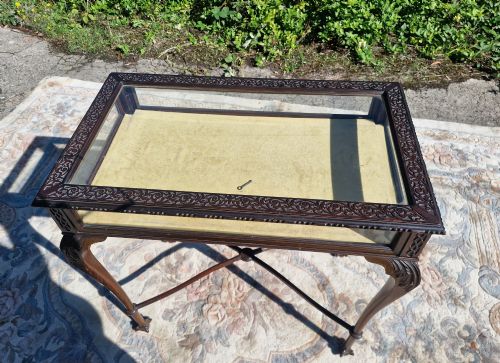
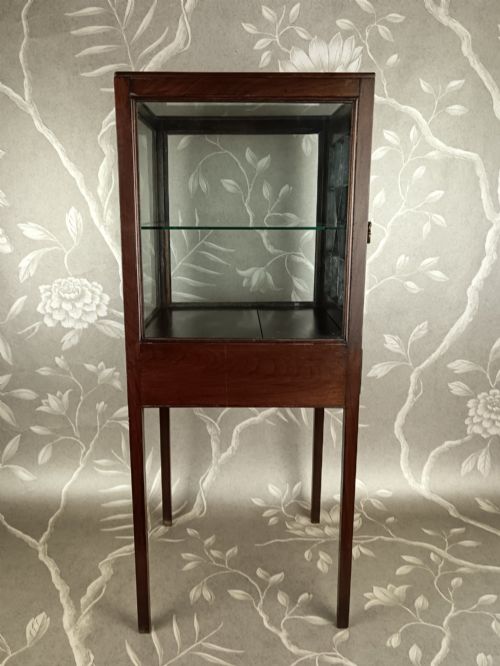
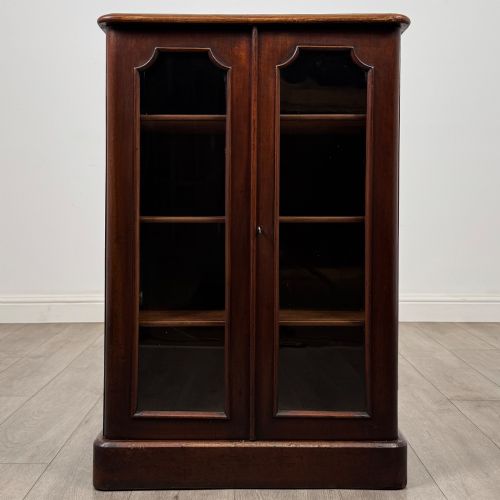
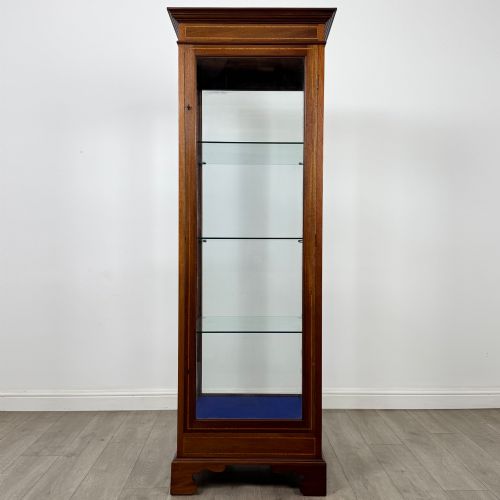
A vintage collector display case comprises a range of timber and glass enclosures designed to hold and exhibit small objects, models, and curiosities. The pieces appearing on this page span several distinct forms, including freestanding cabinets, countertop vitrines, low bijouterie tables, and glass domes resting on wooden bases.
Most items encountered here belong to the Victorian and Edwardian periods, alongside a notable number of 1920s commercial units and occasional Georgian examples. These enclosures served various roles historically, from domestic display in drawing rooms to commercial merchandising in Edwardian shops and apothecary counters.
The selection also includes specialised enclosures such as display tables with glazed tops for inspection, wall-hanging cabinets, and protective glass domes intended for taxidermy, botanical specimens, or model ships. Buyers select these pieces to protect delicate items while keeping them visible from multiple angles.
How they were made
Cabinet makers relied predominantly on solid mahogany, oak, and ebonised wood to build the structural frames and carcasses of these enclosures. Selected woods were frequently carved, inlaid, or veneered with kingwood to enhance the visual appeal of the exterior.
Glass panels were integrated into doors, lids, and sides using rebated framing and wooden glazing bars to maximise light entry. Interiors were often lined with fabric, velvet, or mirrored glass to reflect light onto the displayed contents, while brass hinges, locks, and handles provided functional hardware.
One display table carries sign-written details for Breitling watches from a later working life.
What varies in quality
The standard of construction depends on the choice of primary timbers and the precision of the joinery used in the frame. Superior examples demonstrate finely carved details, tight mitres, and well-fitted doors that maintain proper alignment over time.
Hardware selection and interior detailing further distinguish the grade of a piece, with bevelled glass panes, original brass fittings, and intact velvet linings indicating superior workshop origin. Commercial units designed for shops vary according to the robustness of their framing and the retention of original mirrored backings.
The Vintage Collector Display Case Glossary
- Bijouterie table
- A glass-topped display table historically used for exhibiting small trinkets, jewellery, and decorative items. These tables feature hinged lids that allow access to the lined interior compartment.
- Vitrine
- An enclosed glass cabinet designed specifically for the display of porcelain, curiosities, or fine objects. The term derives from the French word for glass.
- Countertop cabinet
- A compact glazed enclosure built to sit upon a shop counter for retail merchandising. These units typically feature rear doors for access by the merchant.
- Display dome
- A blown glass cover mounted on a wooden base to protect delicate objects such as clocks, taxidermy, or models from dust. They are also known as collector domes.
- Ebonised wood
- Timber treated with a chemical stain or finish to imitate ebony. This dark finish gained popularity during the Victorian period for display furniture.
Vintage Collector Display Case: Frequently Asked Questions
What fits inside a countertop display cabinet?
Countertop cabinets accommodate small historical artefacts, pocket watches, retail goods, and delicate collections that benefit from horizontal viewing. The shallow depth keeps items near the glass.
Interior shelves divide the vertical space to separate different groups of objects while maintaining visibility from the front and top panels.
How do I care for velvet interior linings?
Velvet linings require gentle dusting with a soft brush to remove accumulated particles without disturbing the pile. Avoid applying liquid cleaners directly to the fabric.
Keeping the cabinet away from direct sunlight prevents the textile colours from fading while protecting fragile items displayed inside.
Were vitrines used in homes or shops?
Vitrines served both domestic and commercial environments depending on their size and construction. Domestic examples appeared in drawing rooms to display prized porcelain and ornaments.
Larger freestanding or countertop vitrines were built for Edwardian and Victorian shops to merchandise goods securely to passing customers.
What is the difference between a cabinet and a vitrine?
Cabinets generally feature solid wooden doors with internal shelving, whereas vitrines incorporate extensive glass panels designed primarily for visual exhibition. Vitrines emphasise transparency on multiple sides.
Both serve storage functions, but the vitrine prioritises the display of contents over enclosed privacy.