
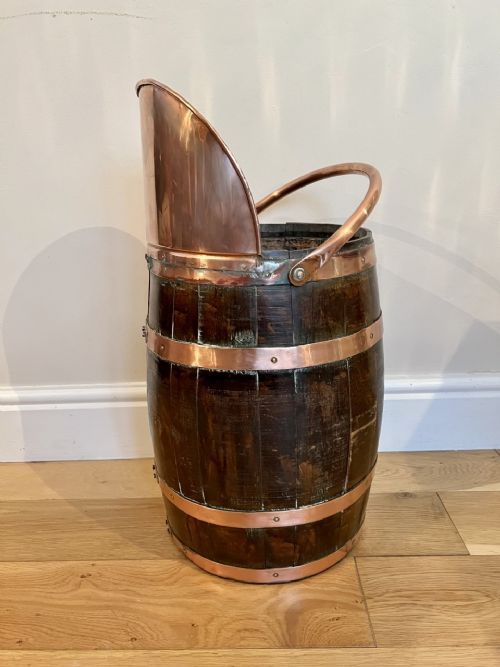


Vintage Coal Purdonium
A vintage coal purdonium is a practical hearth accessory designed to store solid fuel near the fireplace with distinct period style.
Vintage Coal Purdonium
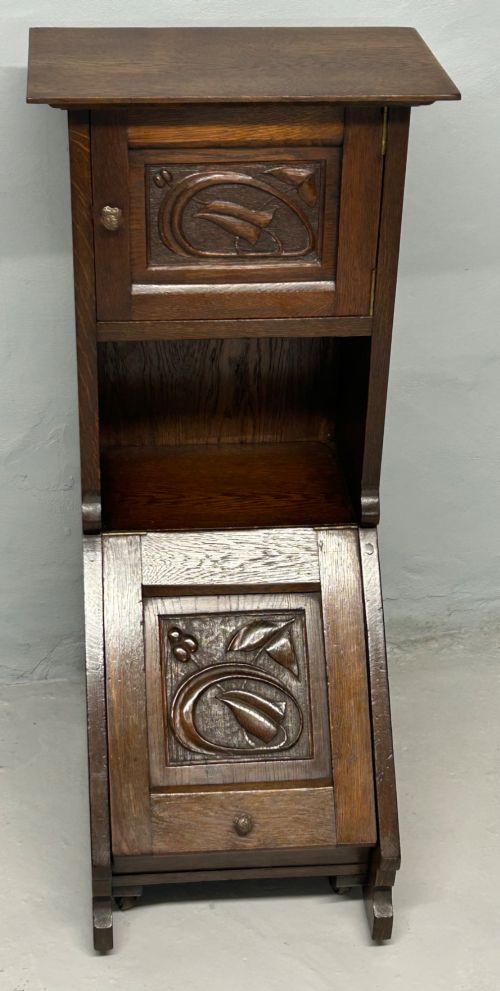
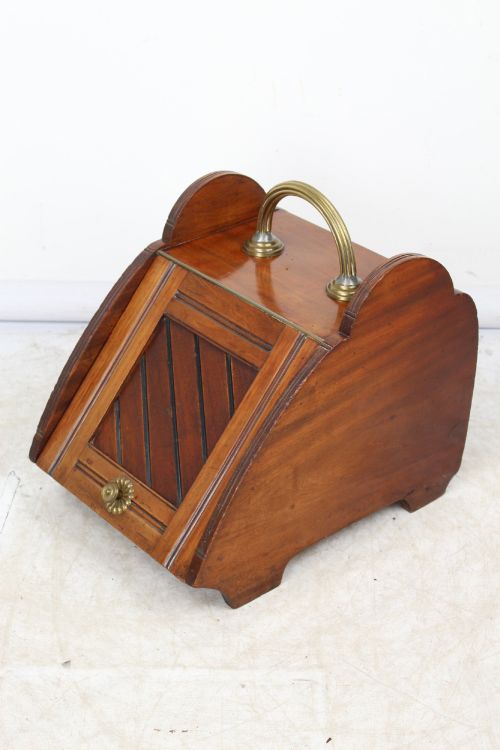
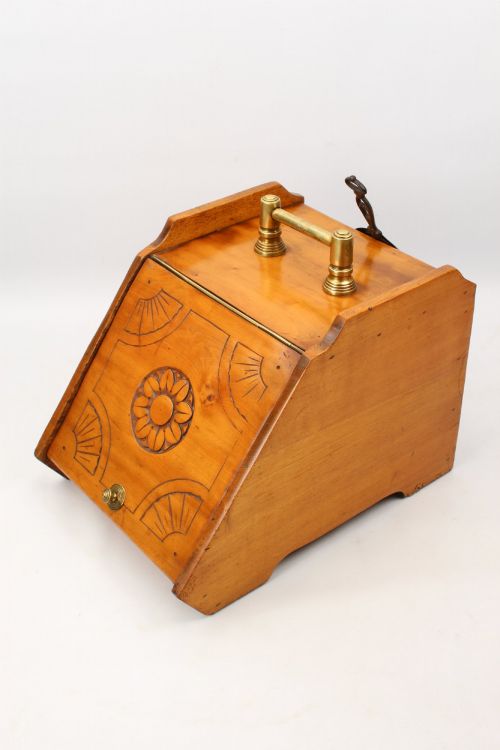
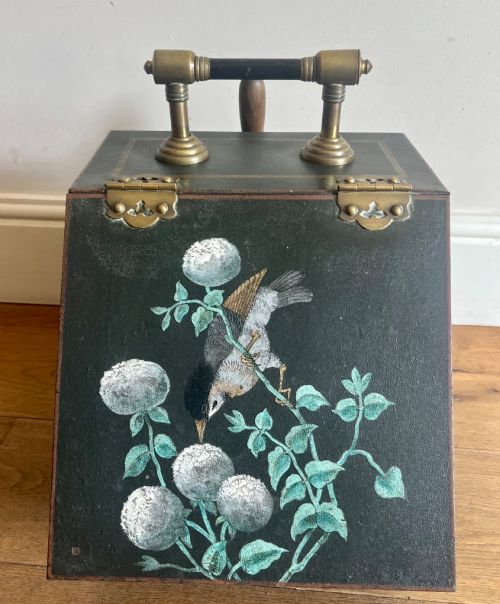
A vintage coal purdonium functions as a specialised hearth container for solid fuel, appearing in various forms such as cabinets, lidded boxes, and buckets. These pieces originate from periods spanning the nineteenth century into the Edwardian era, reflecting domestic heating habits of past homes.
The diverse styling ranges from plain utilitarian metal bins to heavily carved wooden cabinets influenced by the Arts and Crafts, Art Nouveau, and Aesthetic movements. Selecting the right version involves matching the specific material and decorative style to the fireplace setting.
Materials and construction
Craftsmen built these containers using robust timbers like mahogany, oak, walnut, and pine, frequently pairing them with metal components. Wood surfaces often display carved details, inlay, or polished finishes that highlight the natural grain.
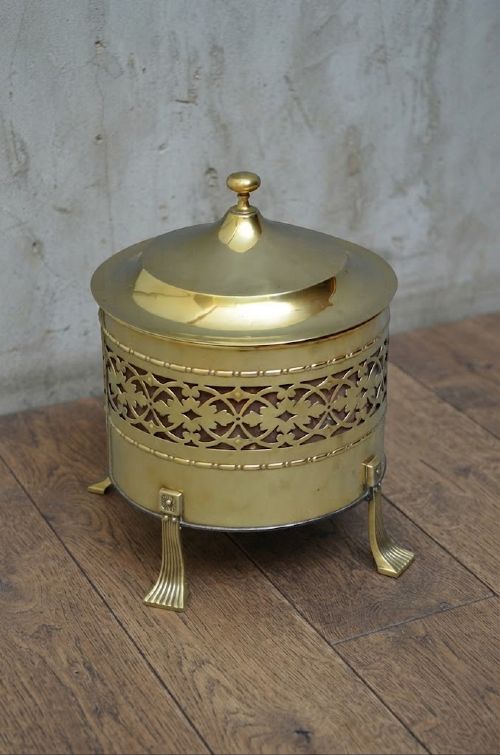
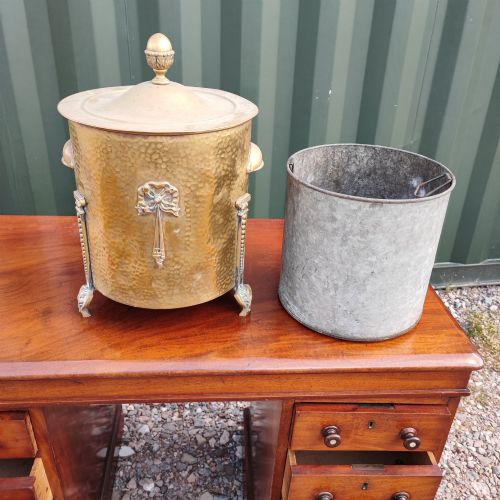
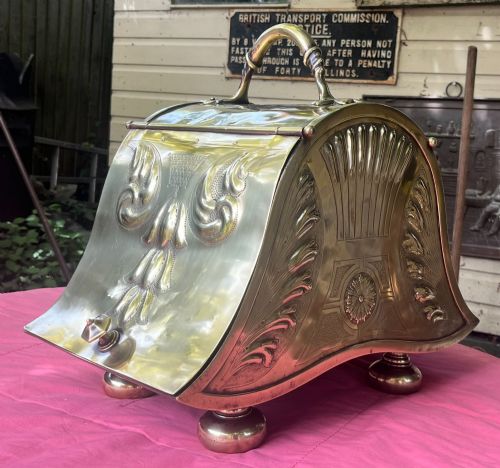
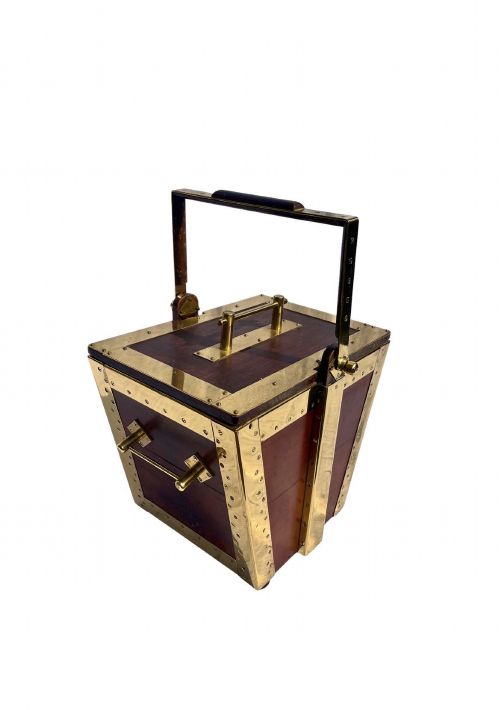
Metal versions utilise sheet brass and copper, sometimes combined with iron frameworks or silver plating for decorative contrast. Riveted joints, applied ormolu mounts, and hand-beaten textures demonstrate the metalworking techniques common during the Victorian and Edwardian periods.
Some coal boxes include hidden interior compartments originally intended to store fuel tongs and spare hearth brushes out of sight.
Assessing quality and craftsmanship
Quality in a vintage coal purdonium rests upon the selection of timber and the weight of the metal used in its construction. Finer examples feature dense hardwoods like pollard oak or figured mahogany, joined with durable corner blocks and solid brass fittings rather than thin plated alternatives.
Attention to detail during manufacture separates standard utility items from superior pieces. Well-executed fretwork, carved ornamentation, or the inclusion of original internal metal liners and matched shovels indicate a higher standard of original workshop production.
Benham and Froud
The Vintage Coal Purdonium Glossary
- Purdonium
- A dedicated household cabinet or box designed specifically for storing coal near a fireplace. These containers often feature a sloping front or a hinged door to facilitate easy fuel retrieval.
- Tole ware
- Lacquered or enamelled metal items created using japanning techniques. This finish provided a durable, decorative surface for metal coal scuttles and bins.
- Ormolu
- Gilt bronze mounts applied to furniture and decorative metalwork for ornamentation. These cast metal details add bright metallic contrast to wooden coal boxes.
- Fretwork
- Openwork ornamentation carved or pierced through wood or metal. This technique creates delicate patterned panels frequently seen on Edwardian coal buckets.
- Aesthetic movement
- A late nineteenth-century design style focusing on visual beauty over narrative meaning. Pieces from this period often display simplified forms and stylised decorative motifs.
Vintage Coal Purdonium: Frequently Asked Questions
What is a vintage coal purdonium?
A vintage coal purdonium is an enclosed storage container designed to hold household coal or logs beside a fireplace. They evolved from simple buckets into decorative cabinets and lidded boxes.
These items allowed homeowners to keep solid fuel accessible in the living room without spilling dust or debris on the carpet.
How were they used historically?
Servants or residents filled these containers from larger cellar stocks so that fuel was readily available for stoking coal-burning grates. The inclusion of drop fronts and matching shovels made transferring fuel to the hearth clean and efficient.
Over time, many designs doubled as decorative furniture pieces when closed, concealing the fuel entirely from view.
How do I date a piece?
Dating relies on identifying the prevailing stylistic movements, such as Art Nouveau or Arts and Crafts, alongside construction methods and timber choices. Victorian examples often favour heavy carved mahogany or oak, while Edwardian pieces frequently incorporate lighter inlaid wood or fretwork.
Examining the metal fixings, hinges, and internal liners also helps narrow down the manufacturing decade.
Can I still use them for coal?
Many metal buckets and lidded boxes remain robust enough to hold logs or coal for modern firesides. Using original internal metal liners protects vulnerable wooden interiors from moisture and heavy impacts.
If a purdonium lacks a liner, placing a modern bucket inside preserves the antique structure while permitting functional hearth use.
How do I care for the wood and metal?
Wooden surfaces benefit from occasional applications of appropriate furniture wax to nourish the grain and prevent drying. Brass and copper components can be cleaned gently with standard metal polishes, though many collectors prefer to leave an aged patina untouched.
Keeping these items away from direct heat sources prevents the wood from warping and cracking over time.