



Vintage Cloisonne
Vintage cloisonne brings together centuries of wirework and enamel skill, offering buyers detailed metal vessels and ornaments from Chinese and Japanese workshops.
Vintage Cloisonne
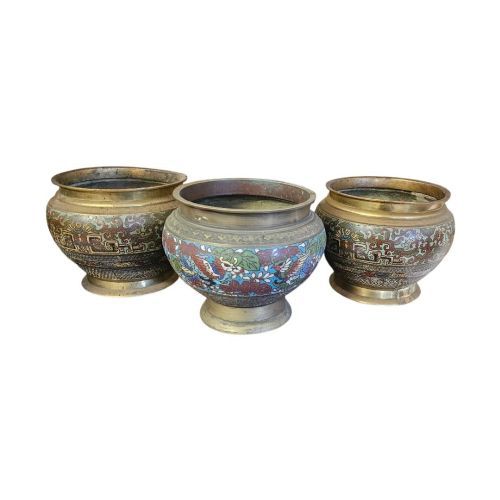
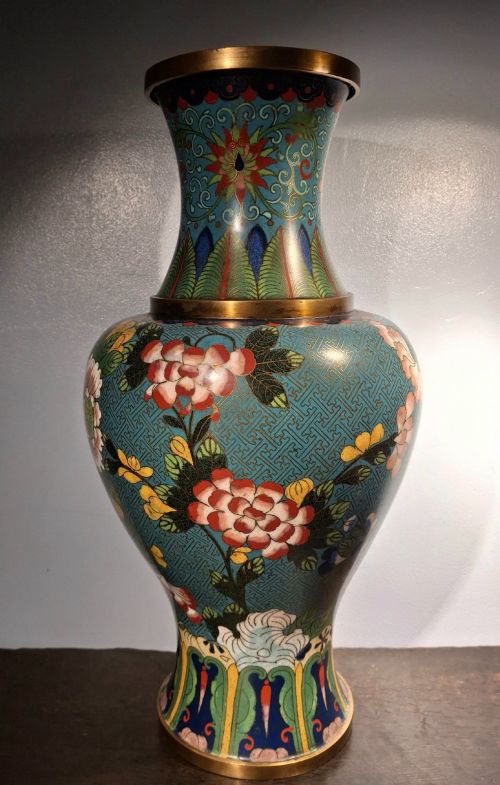
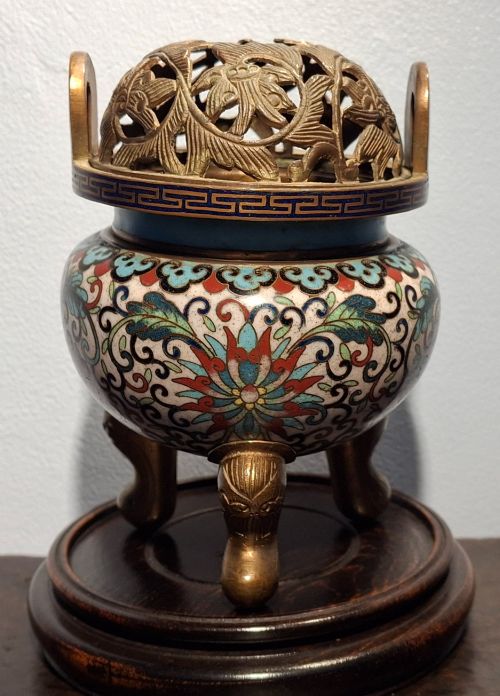
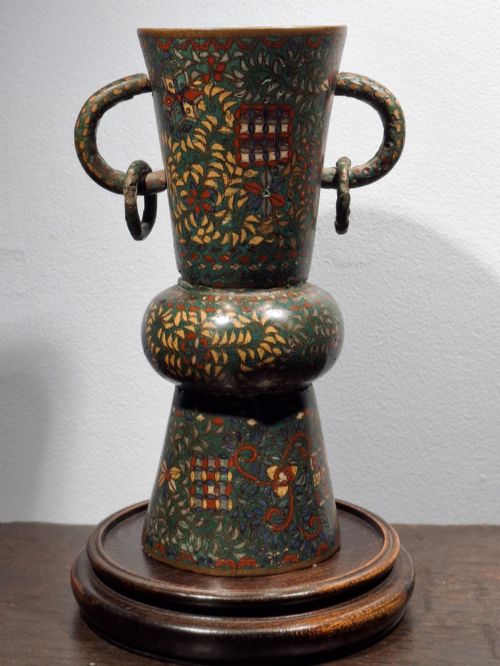
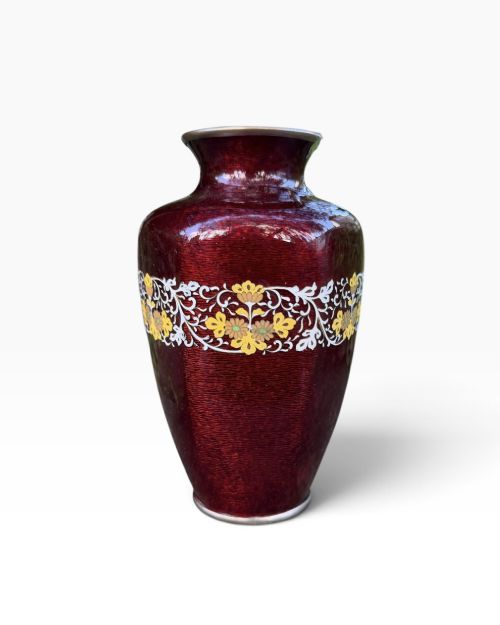
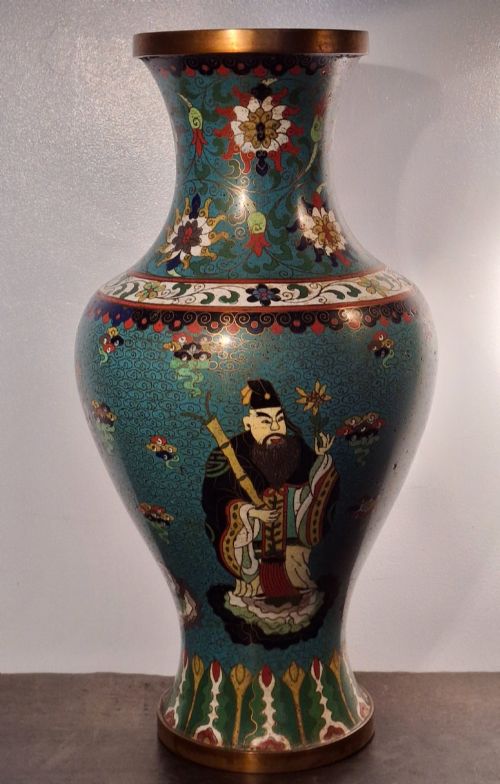
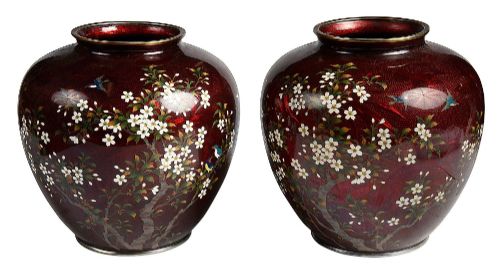
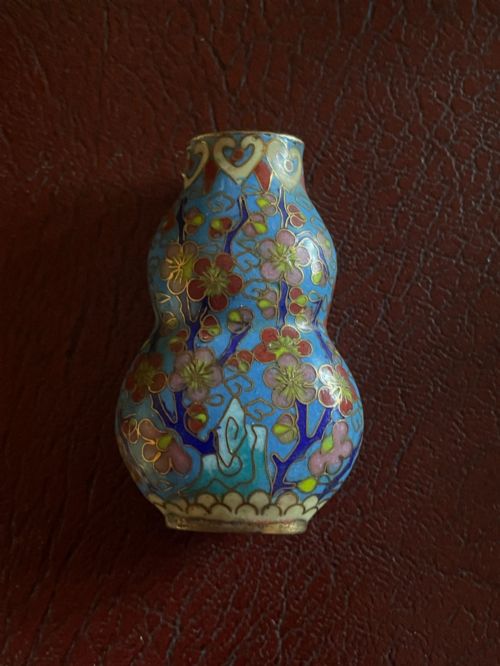
When you search for vintage cloisonne, you encounter vessels and decorative objects made by applying enamel paste into compartments formed by soldered metal wires. The most common forms on this page are Chinese and Japanese vases, ginger jars, and decorative plates depicting birds, flowers, and scholars.
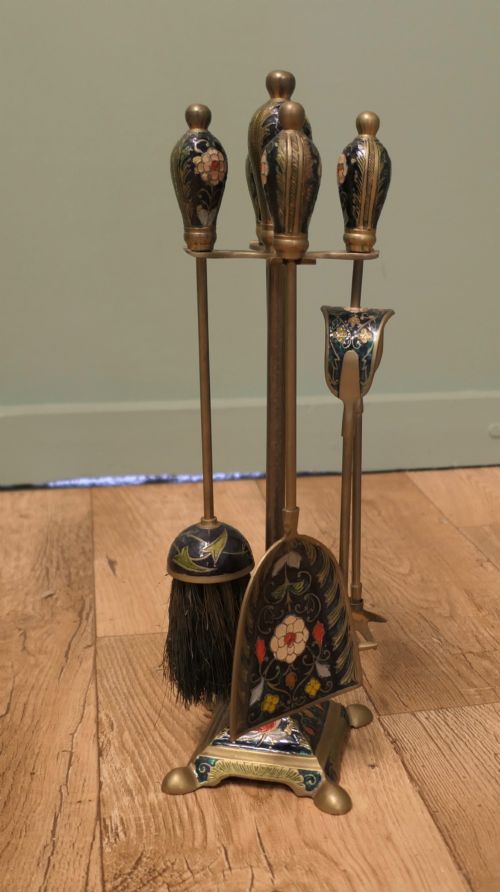
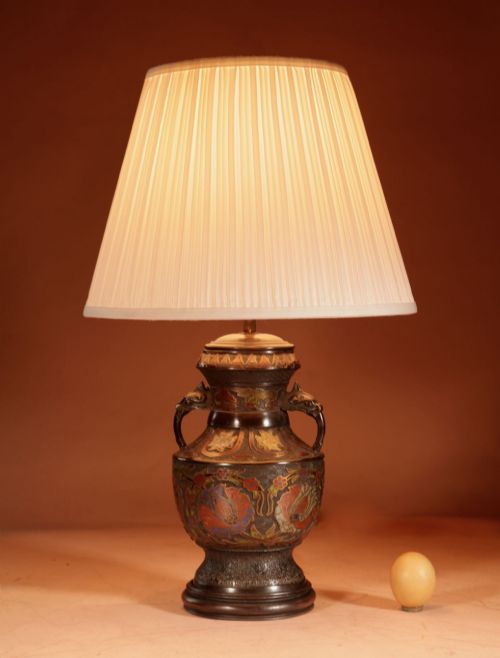
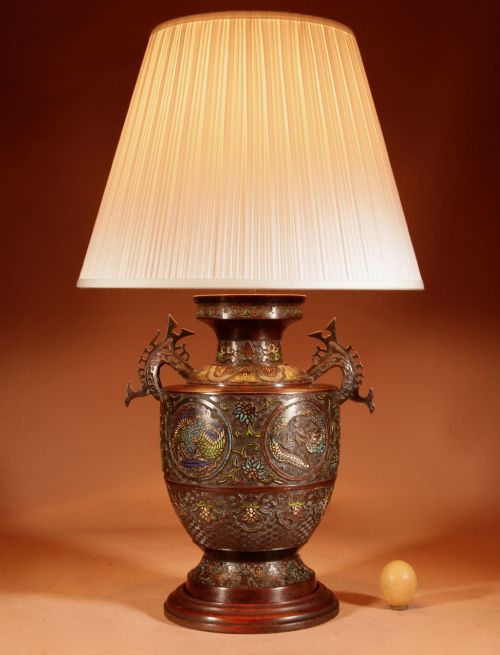
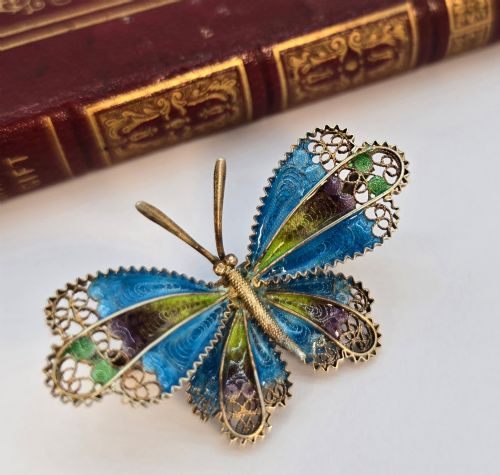
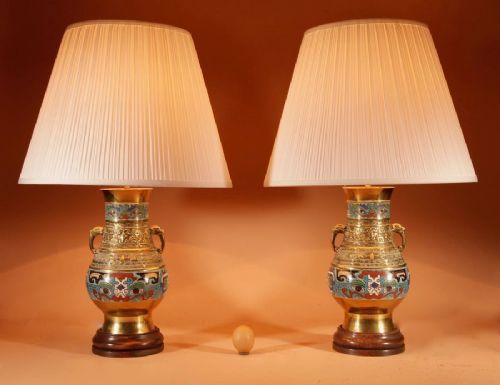
The objects span multiple periods, ranging from nineteenth-century pieces produced during the Meiji and Qing eras to early twentieth-century examples. Alongside standard vases and jars, the selection includes table lamps, bonsai trees with hardstone flowers, and small trays.
Origin plays a defining role in identifying these items, as Chinese pieces often show bolder bronze or brass foundations with floral and imperial motifs, whilst Japanese items frequently display intricate wirework detailing flora, fauna, and landscapes.
Materials and construction
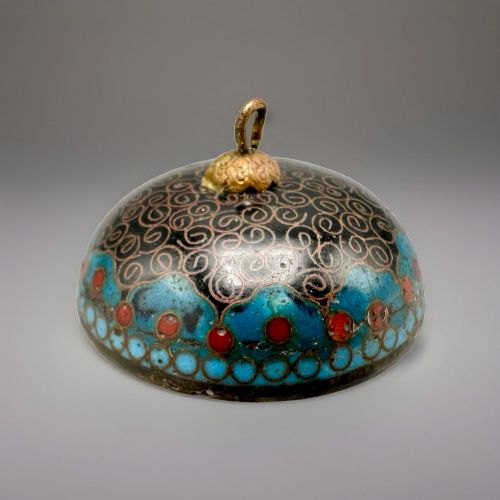
Maker workshops construct the body of each piece using copper, brass, or bronze as a sturdy metallic base, sometimes adding silver gilt or wood for specific items like boxes and tables. Thin metal ribbons or wires are soldered onto this foundation to create raised partitions, known as cloisons, which outline the desired pattern.
Enamel paste in various colours fills the individual compartments before the object undergoes firing in a kiln to vitrify the glass surface. After firing, the piece is polished down until the metal wire edges become flush with the hardened enamel, producing a smooth decorative finish.
Vintage Cloisonne Retail Price Guide 2026
Typical asking prices for vintage cloisonne among the pieces listed under this phrase on Sellingantiques today, from the lower quarter to the upper quarter. They describe what is for sale here now, not the wider market.
Among the birds and landscapes, a few industrious shrimp and leaping koi manage to secure their place in immortalised enamel.
Factors determining quality
Quality rests upon the precision of the wirework and the complexity of the design, where finer, tighter wire patterns demand greater technical mastery from the artisan. Pieces featuring detailed pictorial subjects like birds, dragons, or human figures generally reflect higher levels of craftsmanship than simpler geometric repeats.
The finish of the polished surface also distinguishes superior examples, as well-executed pieces display a uniform smoothness where the metal outlines and enamel fill meet without pitting or unevenness. The choice of heavier base metals such as bronze and the inclusion of fine details like silver gilt elevate the overall execution of the object.
The Vintage Cloisonne Glossary
- Cloisonne
- A decorative metalwork technique where enamel paste fills compartments created by soldered wire on a metal base. This method produces colourful patterns defined by fine metallic outlines.
- Champleve
- An enamelling method where troughs or cells are carved directly into the thick metal surface to hold the coloured paste rather than using soldered wires. This technique appears frequently on nineteenth-century bronze vases and candlesticks.
- Ginbari
- A Japanese enamelling technique featuring a textured metal foil applied beneath translucent enamel to create a patterned background effect. This method creates depth and shimmer behind the primary design.
- Meiji Period
- A historical era in Japan spanning from 1868 to 1912 noted for exceptional decorative arts production. Pieces from this time often show refined wirework and naturalistic motifs.
- Jardiniere
- A large ornamental pot or container designed to hold plants or floral arrangements. These items often incorporate bronze foundations and champleve or cloisonne enamel decoration.
Vintage Cloisonne: Frequently Asked Questions
How do I clean vintage cloisonne?
Dust the surface gently with a soft, dry cloth to remove everyday particles without scratching the enamel or metal wires. Avoid using harsh chemical cleaners, abrasive pads, or soaking the piece in water.
For more stubborn marks, dampen the cloth slightly with plain water and dry the object immediately afterwards. Keeping these items away from direct sunlight preserves the original colour of the enamel over time.
Are these pieces Chinese or Japanese?
Distinguishing between Chinese and Japanese pieces depends largely on the weight of the metal base and the style of the wirework. Chinese items frequently utilise heavier brass or bronze foundations with symmetrical floral patterns and bold colour palettes.
Japanese pieces often exhibit finer, subtler wirework depicting natural scenes such as birds, Mount Fuji, or dragons. Examining the overall aesthetic and underlying metal helps clarify the likely origin of the item.
How do I display a cloisonne vase?
Place the vase on a stable surface away from areas prone to knocks or accidental drops, as the enamel surface can chip under sharp impacts. Pairing the vessel with a carved wooden stand enhances its presentation and protects the base.
Consider positioning the piece where natural light illuminates the translucent qualities of the enamel work. Ensure the display location maintains a stable temperature to protect older metallic and enamel components.
What is the difference between cloisonne and champleve?
Cloisonne involves soldering thin metal wires onto the surface of a vessel to form raised walls that contain the enamel paste. This method creates a distinct grid of fine metallic lines across the decorated design.
Champleve relies on carving depressions directly into a thicker metal base, such as bronze, to hold the enamel rather than applying surface wires. This technique results in broader areas of colour bordered by the carved metal body.