




Vintage Cloisonne Plates
These vintage cloisonne plates bring vibrant enamels and intricate wirework into any room.
Vintage Cloisonne Plates
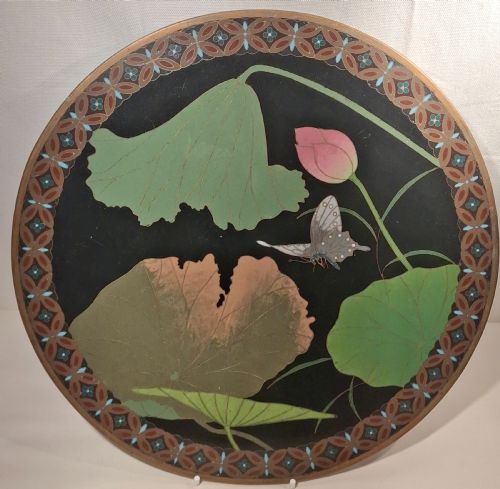
Vintage cloisonne plates encompass decorative chargers, plaques, and trays created through metalworking and glass application. The examples found here span the eighteenth century through the Art Deco period, with a strong representation of Japanese Meiji and Edo periods.
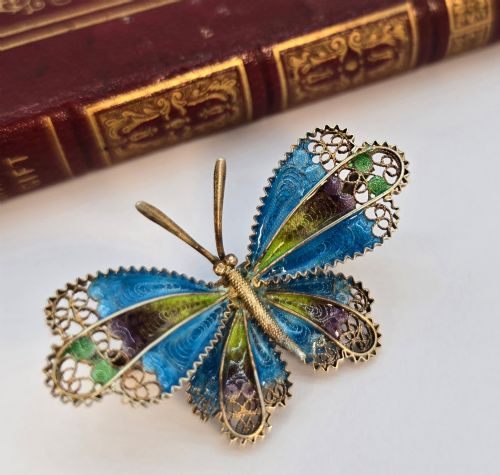
Most pieces on this page are Japanese chargers and plates featuring motifs such as dragons, birds, and Mount Fuji. Smaller items like brooches also appear alongside large trays and display plaques.
How they were made
Craftsmen soldered thin metal wire, usually brass or silver, onto a copper, bronze, or brass base to form raised compartments known as cloisons. These outlines created detailed cells for the subsequent application of coloured enamel paste.
The filled pieces underwent repeated firing in a kiln to fuse the glass pastes, followed by extensive polishing until the metal wires and coloured enamel surfaces met at a uniform level.
Vintage Cloisonne Plates Retail Price Guide 2026
Typical asking prices for vintage cloisonne plates among the pieces listed under this phrase on Sellingantiques today, from the lower quarter to the upper quarter. They describe what is for sale here now, not the wider market.
Listings feature copper bases alongside brass and silver wire across the Meiji and Edo periods.
What varies in quality
Quality rests on the precision and fineness of the wirework, where thinner copper or silver wires demand greater skill from the artisan. The complexity of the subject matter, from simple botanical motifs to elaborate dragons and samurai figures, also separates standard items from finer works.
Surface finish indicates the standard of production, as superior items exhibit smooth, evenly polished grounds without pitting or cloudiness in the enamel. The inclusion of a signature from a workshop like Kinkozan further distinguishes the most accomplished plates.
Kinkozan
The Vintage Cloisonne Plates Glossary
- Cloisonne enamel
- A technique where glass paste is applied within metal wire compartments on a metal base. This method creates colourful patterns defined by fine metallic outlines.
- Charger
- A large ornamental plate used for display rather than dining. These pieces often measure over thirty centimetres across.
- Meiji Period
- A Japanese historical era lasting from 1868 to 1912. This period saw remarkable advancements in decorative metalwork and enamel production.
- Silver gilt
- Silver that has been coated with a thin layer of gold. It provides a rich metallic ground for smaller items like brooches.
- Mon
- A Japanese heraldic badge or emblem. These crests frequently appear within the enamel design of plates and chargers.
Vintage Cloisonne Plates: Frequently Asked Questions
How do I identify a Meiji period piece?
Meiji period plates often display exceptional detail in wirework, featuring naturalistic subjects like birds, koi, and dragons.
Production techniques during this era achieved remarkable precision and smooth surface finishes.
What is a charger?
A charger is a large plate, substantially wider than standard tableware, designed specifically for decorative display.
In cloisonne, these large surfaces allowed artisans to execute complex pictorial scenes.
Are these items fragile?
The glass enamel fused to metal bases makes these plates durable for display, though heavy impacts can chip the enamel.
Normal handling and careful placement protect the polished surface from damage.