




Vintage Clear Glass Pot
These vintage clear glass pot selections bring together practical nineteenth and twentieth-century vessels, offering timeless desk accessories and table wares for daily use.
Vintage Clear Glass Pot
A vintage clear glass pot encompasses a variety of functional domestic and desktop vessels spanning the Victorian, Edwardian and Georgian eras. Collectors encounter useful forms such as inkwells, trinket boxes, preserve pots, cruet sets, match strikers, mustard pots and custard cups.
The material composition primarily pairs transparent glass with sterling silver, silver plate, brass or frosted glass elements. Pieces range from simple pressed vessels to elaborately cut crystal desktop items mounted with hallmarked silver lids.
Materials and Construction
Makers utilised clear glass, lead crystal and frosted glass, often shaping them through heavy cutting or moulding techniques. These glass bodies frequently received mounts, lids and collars fashioned from sterling silver or silver plate.
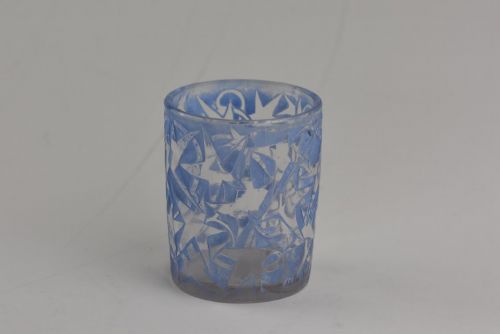
Metal components often bear hallmarks indicating assay offices such as Birmingham or Sheffield alongside specific production dates. Additional decorative effects include blue staining or textured exterior surfaces designed for striking matches or gripping securely.
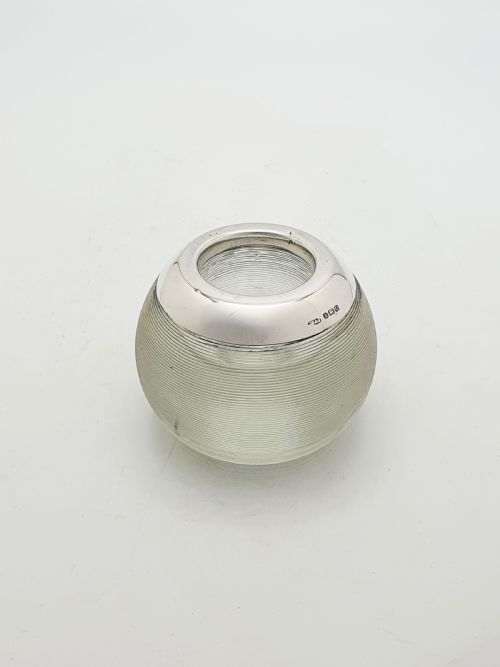
Some nineteenth-century match strikers feature oversized glass spheres designed to survive the most enthusiastic desk lighting sessions without rolling away.
Judging Quality and Craftsmanship
The distinction between ordinary and superior examples lies in the crispness of the glass cutting and the weight of the metal mounts. Heavy lead crystal with deep facet cuts demonstrates a higher grade of manufacture than light, moulded alternatives.
The integration between the glass body and any silver lid or mount reveals the care taken during assembly. Well-preserved hallmarks and thick sterling silver mounts elevate the standing of an individual vessel.
Rene Lalique·Asprey and Co·Walker and Hall·Tiffany and Co
The Vintage Clear Glass Pot Glossary
- Match striker
- A heavy glass vessel featuring a textured or frosted section designed to ignite safety matches upon friction. These desk accessories frequently incorporate sterling silver rims.
- Cut glass
- Glass decorated by grinding facets or patterns into the surface using a rotating wheel. This technique produces sharp edges and brilliant light refraction.
- Preserve pot
- A lidded container intended for holding jams or jellies on the dining table, often accompanied by a matching silver spoon. These pieces date predominantly from the Georgian and Edwardian periods.
- Hallmark
- A series of official stamps applied to precious metals indicating the standard of purity, the assay office and the year of manufacture. British silver items regularly display these marks on the rims or lids.
- Custard cup
- A small, handled or plain glass vessel utilised in nineteenth-century dining for serving individual portions of custard. They appear in matching sets across Victorian listings.
Vintage Clear Glass Pot: Frequently Asked Questions
How were glass inkwells used?
These inkwells sat upon writing desks to hold liquid ink for dip pens, protecting the fluid from dust and evaporation with fitted metal lids. They provided a stable, weighted reservoir during daily correspondence.
Many incorporate heavy cut glass bases to prevent tipping over while the user dipped their pen. Silver mounts added both structural reinforcement and decorative refinement to the desktop ensemble.
What are match strikers used for?
Match strikers provided a dedicated spot in smoking rooms or studies to house matches and ignite them against a rough surface. The textured glass panels created the necessary friction for lighting.
They often feature spherical or cylindrical glass bodies topped with sterling silver collars. This combination kept matches contained while offering a durable striking zone.
How do I date these glass pieces?
Dating relies primarily on metal hallmarks stamped onto the silver mounts, which indicate the exact year and assay office. Stylistic clues in the glass cutting and overall form also point toward Victorian, Edwardian or Georgian origins.
Heavier facet cutting and specific decorative motifs help separate early nineteenth-century pieces from later twentieth-century productions. Examining the construction of the glass base offers further context regarding the manufacturing era.
Can I use antique preserve pots daily?
These lidded pots function well for serving condiments or jams during meals, bringing historical craftsmanship to the modern dining table. Their sturdy glass construction withstands regular handling when treated with care.
Hand washing is recommended to protect any vintage silver mounts or delicate frosted details from harsh detergents. Careful use preserves the integrity of both the glass body and the original metal components.