




Georgian Cut Crystal Bowl
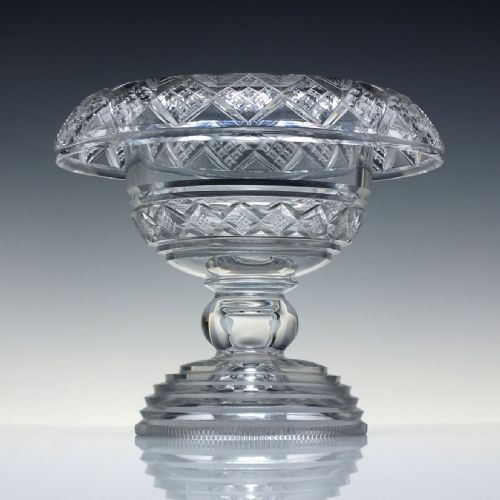
These Georgian cut crystal bowls are heavy lead vessels with deep refractive cutting, prized for gracing a dining table with old-world elegance.
Georgian Cut Crystal Bowl
A georgian cut crystal bowl on this page typically appears as a large fruit bowl, tea mixing bowl, or centrepiece dish dating from the Georgian, Regency, or early nineteenth-century periods.
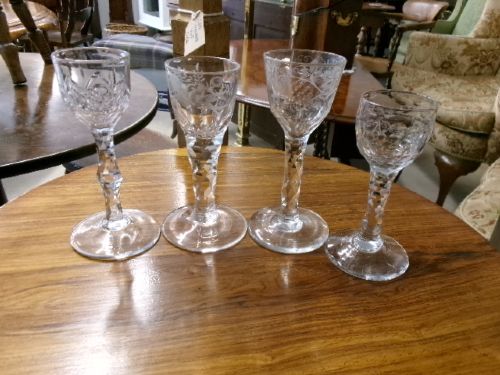
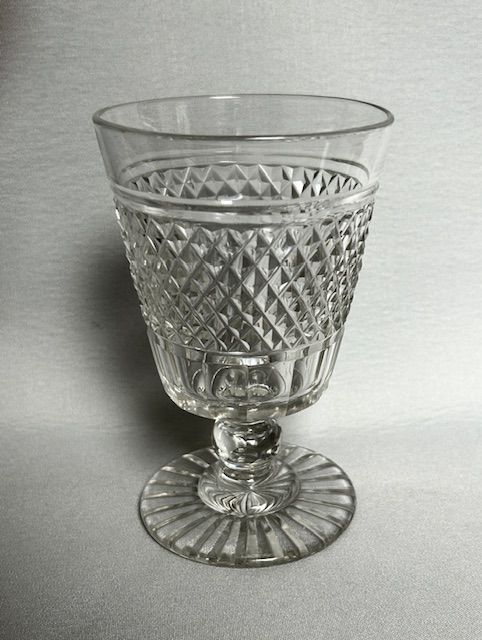
The selection ranges from Irish standing bowls to hobnail patterned rummers and lidded butter dishes, reflecting the sophisticated dining habits of the era.
These items bring authentic period craftsmanship into a modern interior, serving as functional centrepieces or decorative vessels.
Materials and construction
Makers utilised heavy lead crystal and glass, shaping them through artisanal blowing and extensive hand-cutting to create sharp facets and patterns.
Some sophisticated examples incorporate Old Sheffield plate or silver mounts, combining metalwork with brilliant cut glass.
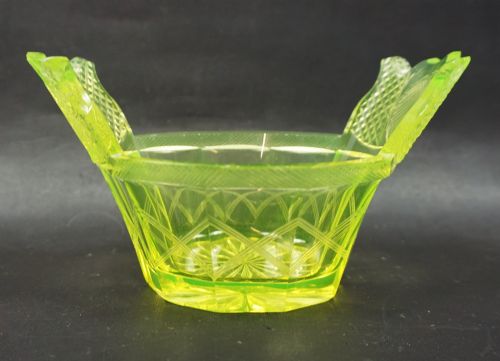
Listings feature lead crystal and uranium glass across Georgian and Regency periods.
Assessing quality and depth
Quality rests upon the clarity of the metal and the crispness of the cutting, where superior pieces exhibit deep, clean facets that catch the light brilliantly.
The weight of the lead crystal and the balance of the form distinguish finer standing bowls and centrepieces from standard utility wares.
The Georgian Cut Crystal Bowl Glossary
- Hobnail
- A raised, faceted pattern resembling the hobnails used on country boots. It creates intense light refraction across the surface.
- Rummer
- A large, heavy drinking glass on a short stem, popular during the Georgian period. They were frequently used for ale or rum.
- Epergne
- A large table centrepiece featuring a central bowl with branching holders for smaller dishes or condiments. They dominate the dining table.
- Old Sheffield Plate
- A composite material made by fusing a thin sheet of silver to a copper base. This technique preceded modern electroplating.
Georgian Cut Crystal Bowl: Frequently Asked Questions
What were tea mixing bowls used for?
Georgian tea mixing bowls held and blended different loose tea leaves before they were brewed in a teapot.
Their substantial size allowed hosts to mix expensive leaves with cheaper varieties discreetly.
How do I care for antique glass?
Wash these pieces gently by hand in lukewarm water using mild soap.
Avoid extreme temperature changes to protect the historic lead crystal from thermal shock.
How can I tell a Georgian bowl from a later copy?
Examine the base for signs of hand-polishing and wear appropriate to the early nineteenth century.
Authentic pieces often show slight irregularities in the glass and hand-cut facets.
Can I use these bowls for serving food?
Most of these bowls remain fully functional for serving dry foods, fruit, or sweets at the table.
Take care with acidic foods or prolonged liquid storage given the age of the lead crystal.