
Vintage Clear Glass Glassware
These vintage clear glass glassware pieces bring historical craft and brilliant refraction to your home.

Vintage Clear Glass Glassware
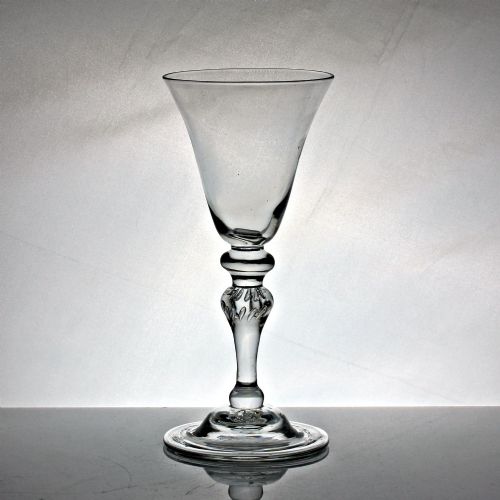
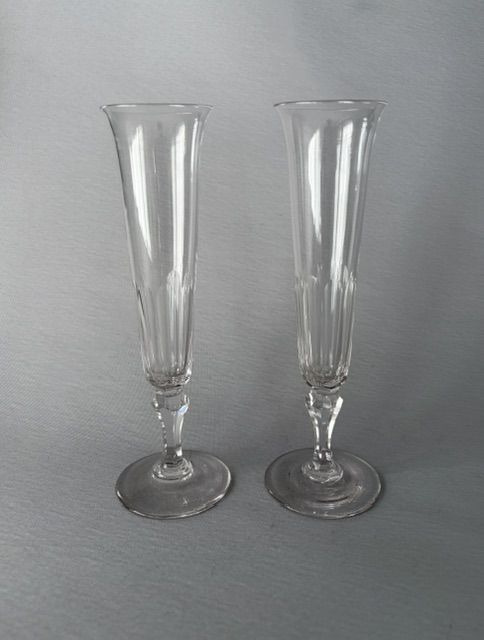
When you search for vintage clear glass glassware, you encounter transparent vessels spanning the eighteenth, nineteenth, and twentieth centuries. These encompass utilitarian items and decorative objects alike, including drinking glasses, rummers, decanters, vases, and bowls.
The pieces on this page appear in Georgian, Victorian, Edwardian, and Art Deco styles, originating from British and continental European makers. Drinking vessels and display items form the core of the selection available here.
How they were made
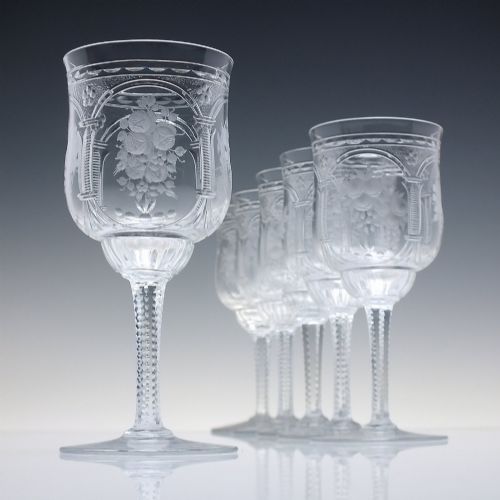
Makers utilised clear glass, lead crystal, and lead glass, shaping them through blowing, moulding, and free-forming techniques. Artisans enhanced surfaces by cutting facets, engraving patterns, or applying acid etching.
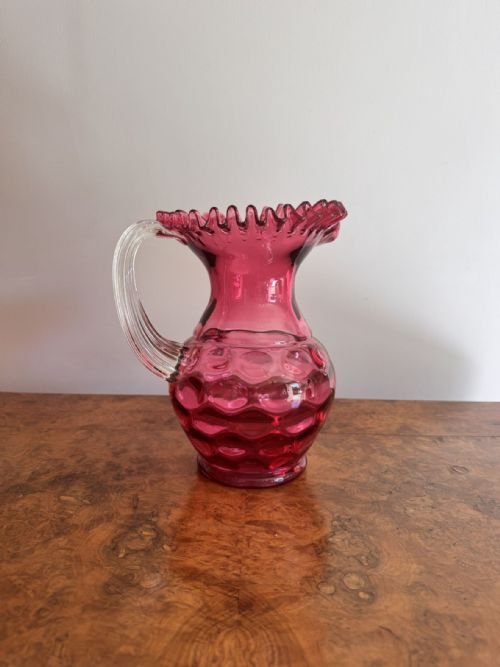
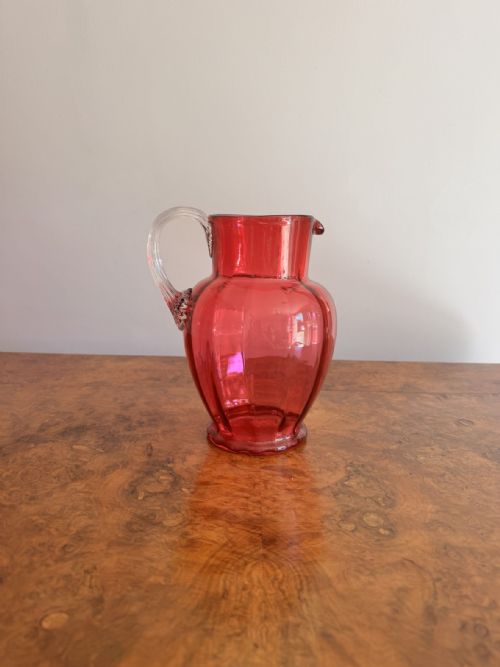
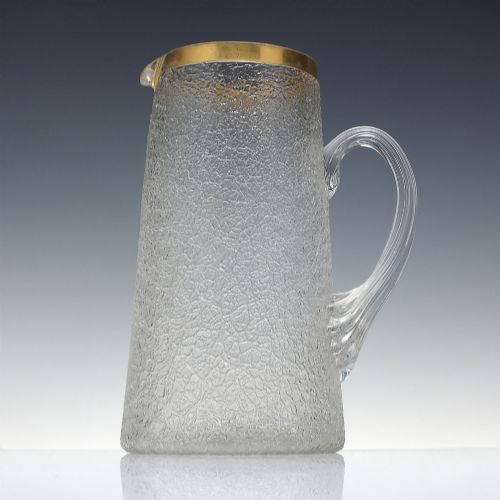
Certain vessels incorporate enamel decoration, gilding, or overshot glass effects, while specialised items combine clear bodies with coloured overlays or fitted silver-plated stands.
Listings feature clear glass and lead crystal materials across Georgian, Victorian, Edwardian, and Art Deco periods.
What varies in quality
The clarity and weight of the glass differentiate standard domestic items from superior lead crystal pieces. Precision in wheel-cutting and the sharpness of engraved motifs dictate the visual depth of a vessel.
Proportion, balance, and the crispness of moulded or faceted details separate ordinary production from works originating in notable glasshouses.
Stevens and Williams·R Lalique·Daum·Theresienthal
The Vintage Clear Glass Glassware Glossary
- Lead crystal
- Glass containing a significant proportion of lead oxide, which increases weight, brilliance, and refractive index. This material allows for deeper and sharper cutting.
- Opaque twist
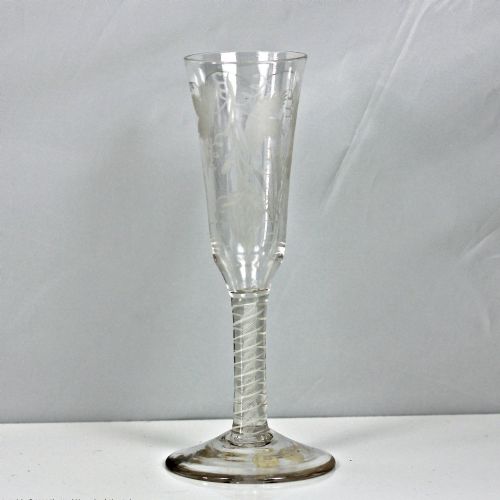
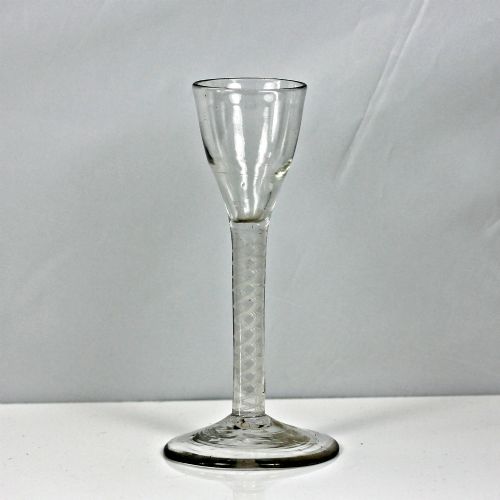
- A type of glass stem containing white or coloured enamel threads twisted within the clear metal, characteristic of eighteenth-century drinking glasses.
- Champagne coupe
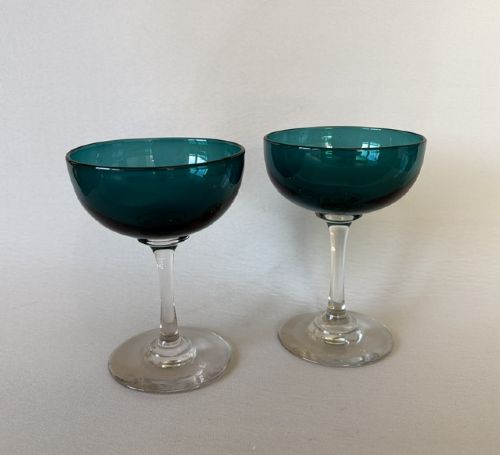
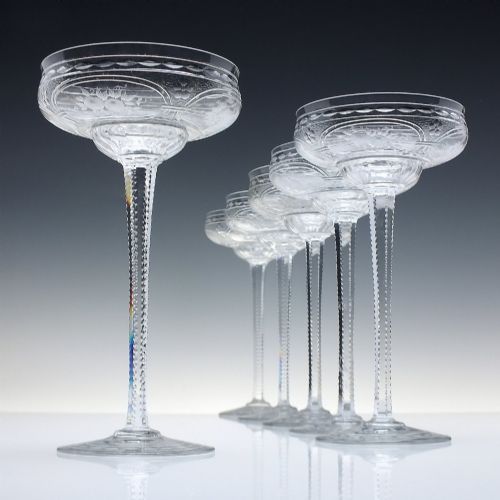
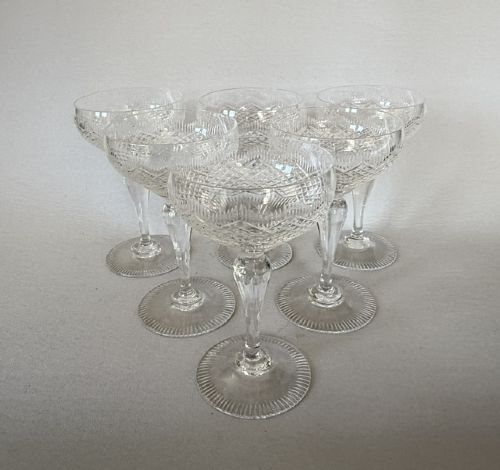
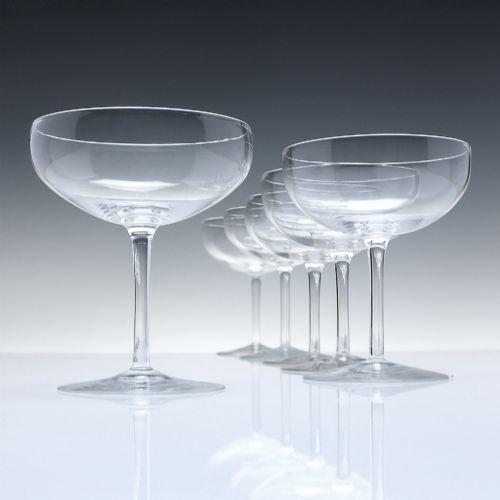
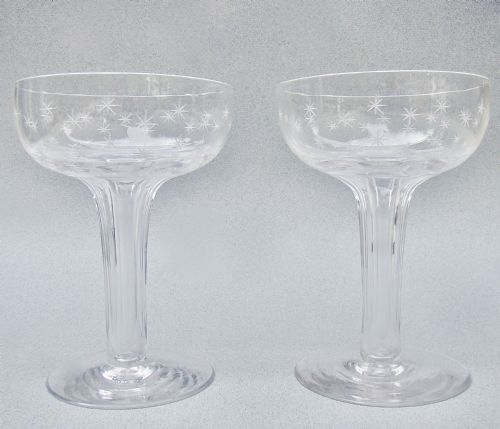
- A shallow, broad-bowled stemmed glass designed for sparkling wine, prevalent during the Victorian, Edwardian, and Art Deco periods.
- Celery vase
- An tall, footed vessel produced in the nineteenth century to hold and display celery stalks upright on the dining table.
- Acid etching
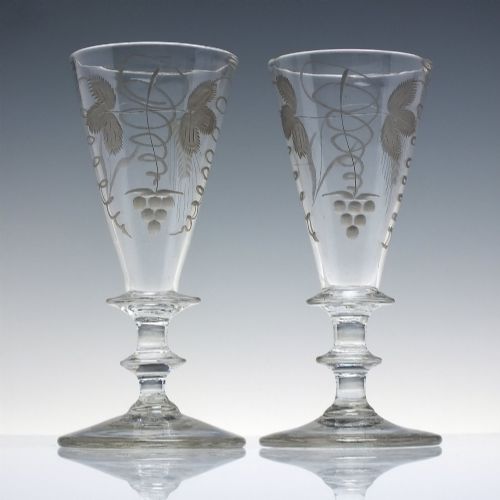
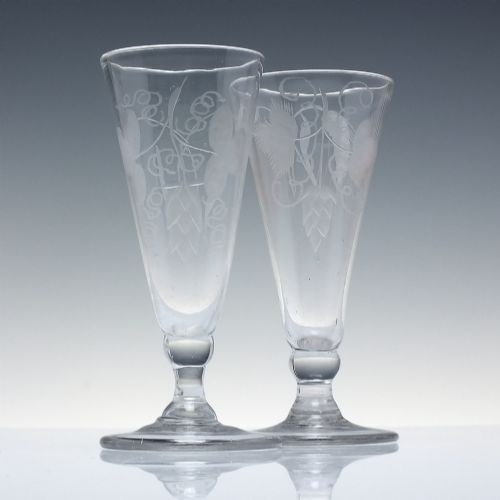
- A decoration technique where parts of the glass surface are exposed to acid to create frosted or recessed designs.
Vintage Clear Glass Glassware: Frequently Asked Questions
Are these glasses safe for daily use?
Many vintage drinking vessels remain robust enough for regular use, provided you handle them with care due to their age and delicate rims. Hand-washing preserves their structural integrity.
Consider the thickness of the glass and any historical decoration, such as surface gilding or enamel, before deciding to use pieces for everyday dining rather than display.
How can I date my glassware?
Examine the form, the weight of the metal, and the manufacturing marks, such as pontil scars on the base that indicate free-blown methods. Stylistic clues like Georgian facet-cutting or Art Deco geometry help narrow down the period.
Compare the decorative techniques, such as specific acid-etched patterns or engraving styles, with known historical examples from the eighteenth through the twentieth centuries.
What is lead crystal?
Lead crystal is a variety of glass containing lead oxide, which lowers the working temperature and increases the time available for cutting and engraving. This composition gives the material greater weight and brilliance.
Objects made from this material scatter light more effectively than standard soda-lime glass, producing a distinct ring when struck gently.