


Antique Clear Glass Cups
Antique clear glass cups are drinking vessels and small tableware items spanning the eighteenth to the early twentieth century.

Antique Clear Glass Cups
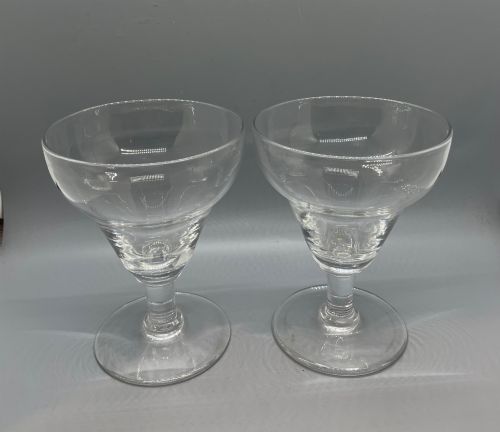
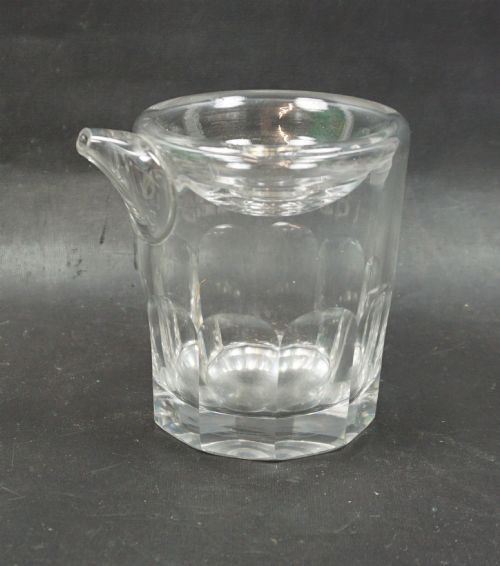
When you search for antique clear glass cups, you encounter a varied selection of drinking vessels, small bowls, and handled forms originating from the eighteenth, nineteenth, and early twentieth centuries. The listings include Georgian jelly and custard glasses, Victorian sets, Edwardian tumblers, and specialised pieces like feeding cups and hip flasks.
You are most likely to meet Georgian jelly glasses, Victorian custard cups, and early twentieth-century tumblers on this page. These pieces reflect domestic dining and drinking habits across distinct historical periods, utilising clear glass, lead glass, and cut glass forms.
How they were made
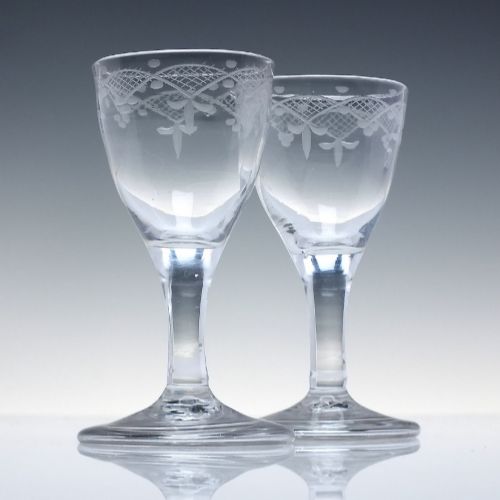
Glassmakers utilised traditional techniques such as hand blowing, panel moulding, and cutting to shape the metal. Many eighteenth-century items demonstrate folded feet and air-teared stems, whilst later nineteenth and twentieth-century examples incorporate acid etching, paste gilding, and enamel decoration.
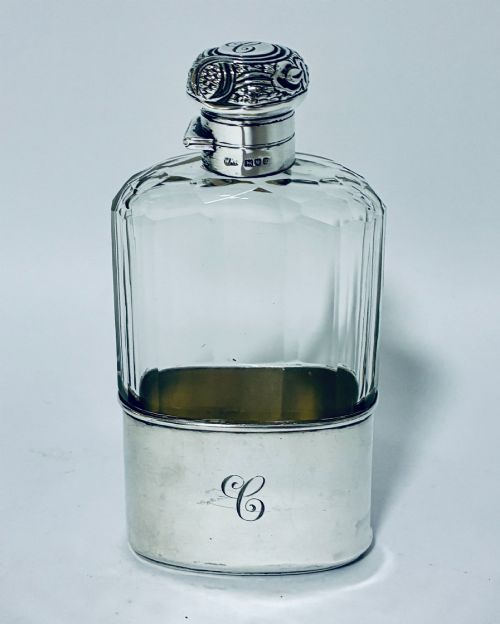
Several pieces combine clear glass or lead crystal with sterling silver mounts, screw caps, and removable metal cups, particularly within the category of pocket hip flasks and spirit flasks. The integration of glass and silver highlights the collaborative skills of glasshouses and silversmiths.
Listings span the eighteenth century to the 1930s, incorporating lead glass, sterling silver, gold leaf, and enamel decorations across diverse forms like rummers, hip flasks, and chalices.
What varies in quality
The standard of an antique clear glass cup depends upon the clarity of the metal, the precision of the cutting or engraving, and the crispness of moulded panel details. Pieces displaying deliberate air-tears in the stem, fine naive etching, or complex wheel-cut motifs demonstrate a higher level of artisanal skill.
Completeness also influences the standing of a piece, such as matching sets of jelly glasses, intact silver components on hip flasks, or undamaged enamel and gilt decoration. Maker attribution and signed works further distinguish exceptional examples from standard domestic tableware.
Asprey London·Emmy Seyfried·Adelbert Niemeyer·George Ernest Hawkins
The Antique Clear Glass Cups Glossary
- Jelly glass
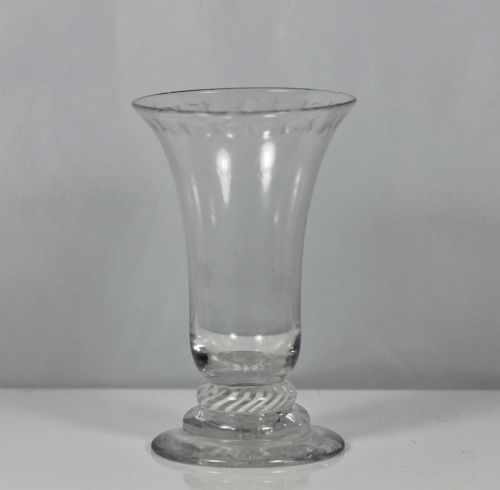
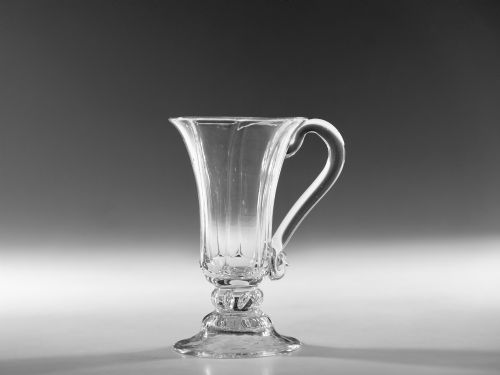
- A small, often handled or footed vessel designed for serving jellies and custards at the table. These pieces date predominantly to the eighteenth and nineteenth centuries.
- Rummer
- A large, heavy drinking glass on a short stem, popular in the Georgian and Victorian eras for wine or ale. They frequently feature cut or engraved decoration.
- Lead glass
- Glass containing lead oxide, which increases the weight, refractive index, and brilliance of the material. It was widely utilised for quality British drinking vessels from the eighteenth century onwards.
- Hip flask
- A portable flat container for liquor, typically combining cut glass with a sterling silver cap and removable cup. Many surviving examples date from the Victorian and Edwardian periods.
- Folded foot
- A base formed by doubling the hot glass edge back underneath itself to create a thickened, stable rim. This technique is frequently seen on eighteenth-century cordial and dram glasses.
- Custard cup
- A small vessel intended for individual portions of sweet custards, often supplied in matched sets with ribbed or panel moulded bodies.
Antique Clear Glass Cups: Frequently Asked Questions
What were jelly glasses used for?
Jelly glasses served individual portions of jellies, syllabubs, and sweet custards during formal dining in the eighteenth and nineteenth centuries.
They were placed directly on the table, often in matched sets, and their small capacities suited the rich desserts of the period.
How do I date a glass cup?
Dating relies upon stylistic markers, manufacturing techniques, and the composition of the glass itself. Eighteenth-century examples often display pontil marks, folded feet, and air twists, whilst Victorian and Edwardian pieces show heavier machine-pressed or sharp cut designs.
Comparing the form to documented examples in historical listings provides further chronological context.
Are these glass cups safe to use?
Whilst antique glass is chemically stable, many pieces from the eighteenth and nineteenth centuries contain lead and exhibit delicate structures that modern dishwashers can damage.
Collectors generally wash these items by hand in warm, soapy water and reserve them for display or gentle occasional use.
What is the difference between lead glass and crystal?
Lead glass contains a significant percentage of lead oxide, which softens the glass for easier cutting and increases its optical clarity and weight. The term lead crystal refers specifically to lead glass that meets high standards of purity and density.
Both materials were utilised extensively for quality drinking vessels across the Georgian and Victorian eras.