
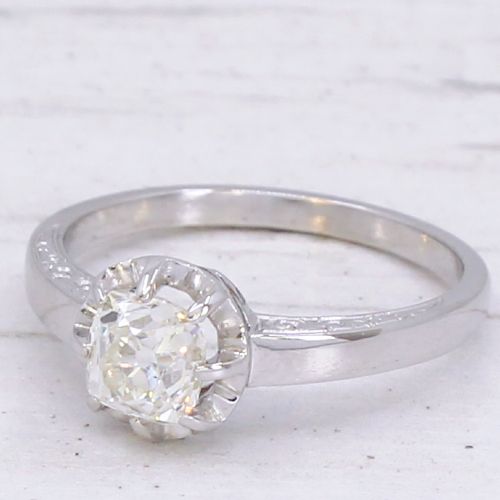


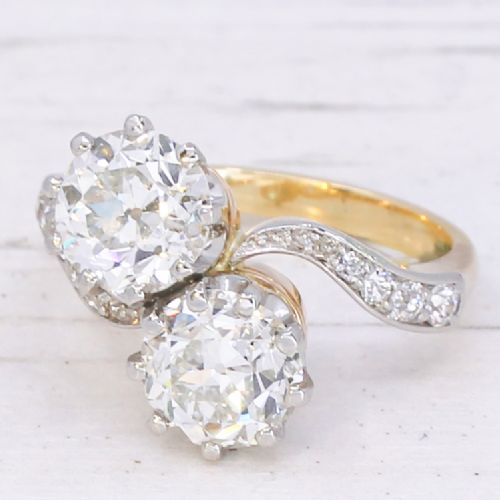
Vintage Claw Set Diamond Ring
A vintage claw set diamond ring holds a stone within delicate metal prongs, offering maximum light entry and enduring elegance for daily wear.
Vintage Claw Set Diamond Ring
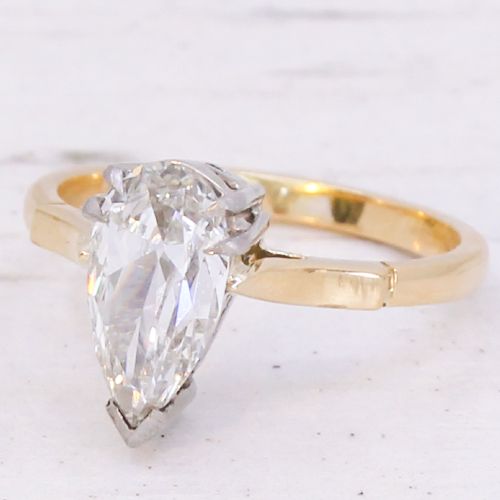
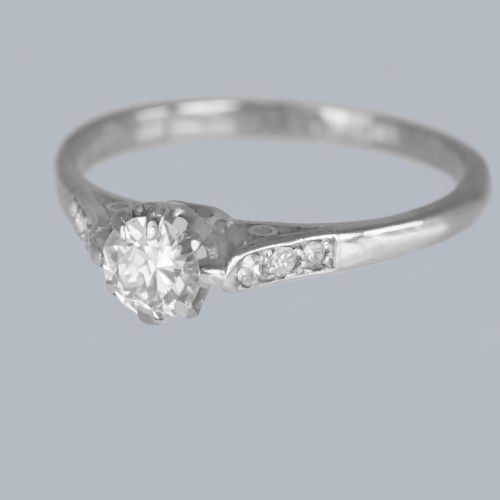
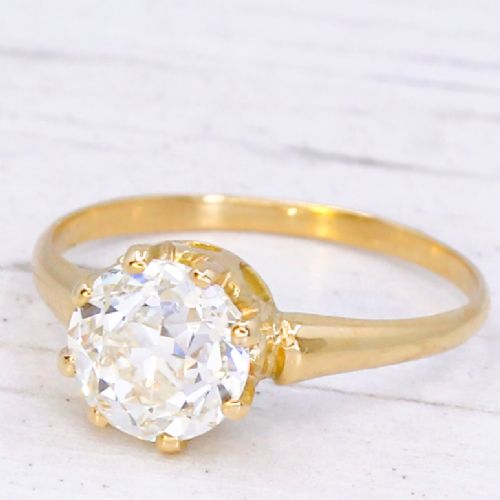
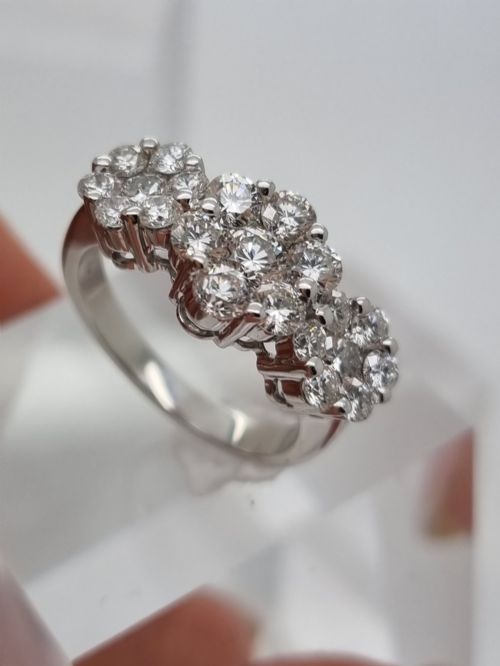
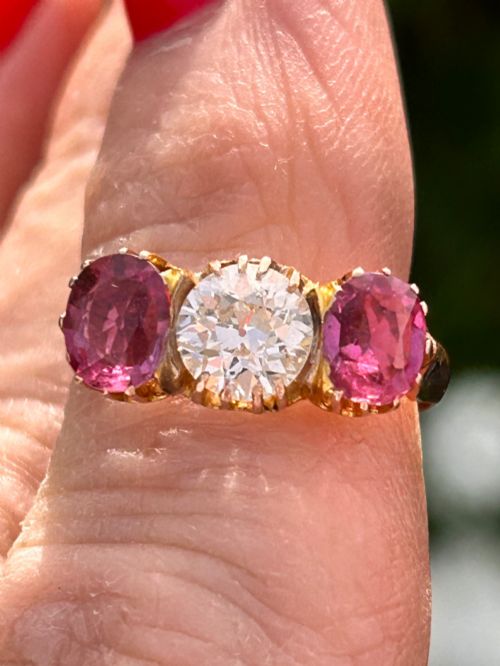
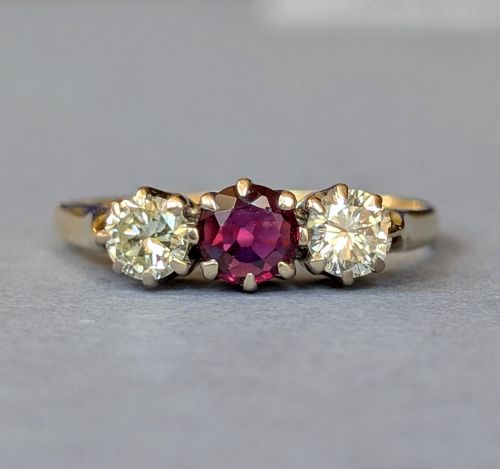
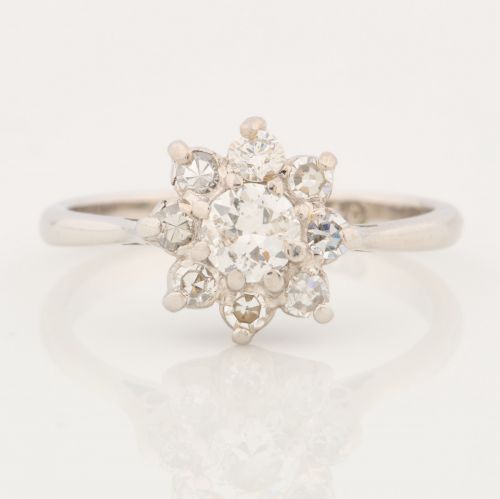
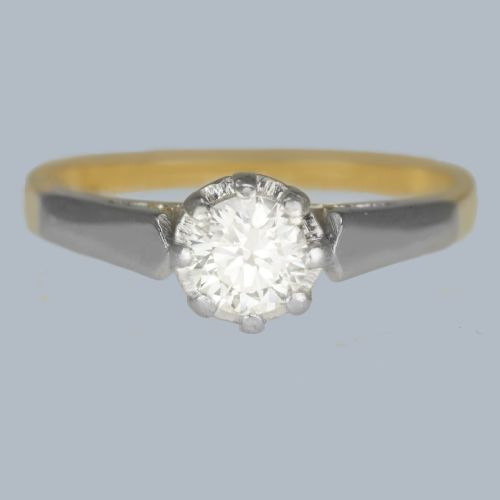
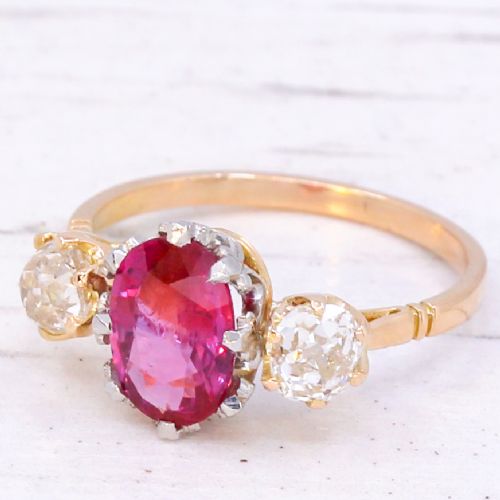
A vintage claw set diamond ring is primarily an engagement or dress ring designed to showcase a central gemstone by elevating it above the band. When buyers search for a vintage claw set diamond ring, they encounter pieces ranging from Edwardian and Victorian origins through the Art Deco era to mid-century designs. Solitaires, multi-stone trilogy settings, and clusters form the core of these listings.
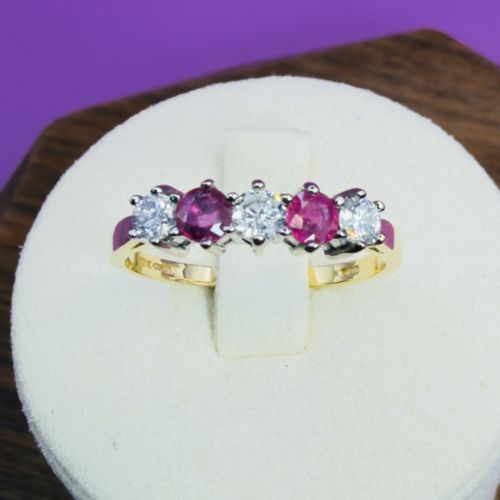
The materials span platinum and various carats of yellow and white gold, often paired with rubies or sapphires alongside the principal diamonds. Settings secure stones using slender metal prongs that minimise obstruction to the facets, allowing light to pass through the gem from multiple angles.
Materials and construction methods
Goldsmiths utilised platinum and 18ct gold, both yellow and white, to fabricate robust yet refined settings capable of securing precious stones. Platinum gained favour for its strength in slender claw configurations, while gold provided warmer tones for traditional bands.
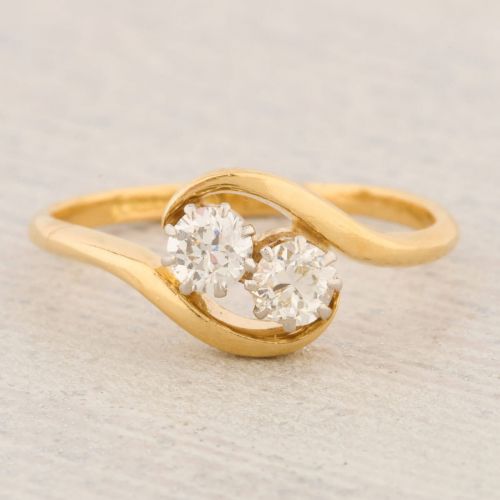
Craftsmen shaped diamonds using historical cuts such as old European, old mine, transitional, and brilliant cuts, hand-setting each stone into individual claws or integrating them with cluster and shoulder designs.
Some old cut diamonds hide deep culets at their base, winking softly at anyone peering straight through the top facet.
Distinctions in quality
Quality rests upon the proportion and condition of the central diamond, alongside the integrity of the metalwork in the claws and shoulders. Finer examples display symmetrical stone cutting and secure prongs that show minimal wear across decades of handling.
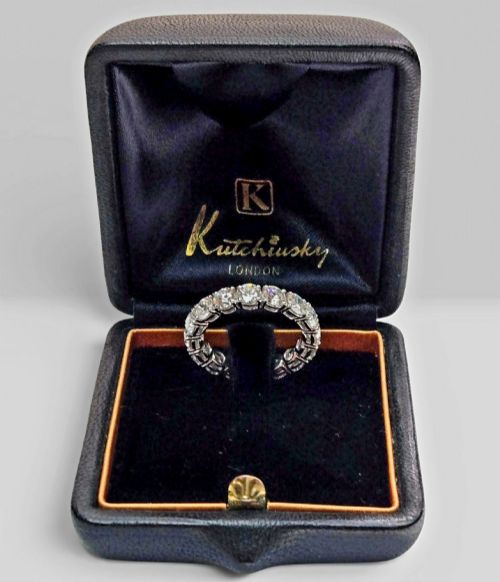
Maker signatures, such as Kutchinsky, elevate specific pieces, while balanced stone groupings in trilogy and cluster configurations demonstrate superior compositional skill by the original jeweller.
Kutchinsky
The Vintage Claw Set Diamond Ring Glossary
- Claw setting
- A mounting where metal prongs hold a gemstone in place. This technique exposes the girdle and pavilion to light.
- Trilogy ring
- A ring featuring three principal stones, often symbolising the past, present, and future. Diamonds are frequently flanked by smaller gems.
- Toi et Moi
- A French term meaning you and me, describing a ring featuring two main gemstones set side by side or in a crossover design.
- Cluster ring
- A setting where a central stone is surrounded by a border of smaller gems. This arrangement creates the visual impact of a larger single piece.
Vintage Claw Set Diamond Ring: Frequently Asked Questions
What is a claw setting?
A claw setting uses narrow metal prongs to grip the girdle of a diamond, suspending it above the band. This method maximises the amount of light entering the stone from the sides and bottom.
Craftsmen often shape these claws by hand to ensure a secure fit while keeping the metalwork as discreet as possible around the gemstone.
How do I date a vintage ring?
Dating involves examining the diamond cut, the metal composition, and stylistic cues from periods like Art Deco or the Edwardian era. Old European and transitional cuts point towards specific decades in the early to mid-twentieth century.
Hallmarks stamped inside the band provide official assay office stamps and date letters that narrow down the exact year of manufacture.
Can I wear a claw set ring daily?
Many buyers wear these pieces daily, provided the settings receive regular checks by a professional jeweller. Platinum and 18ct gold offer sufficient durability for everyday use.
Routine inspection ensures the claws remain tight against the diamond, preventing any movement or potential loss of the stone.
What is an old cut diamond?
An old cut diamond refers to stones shaped by hand before modern symmetrical diamond-cutting machinery became standard. These diamonds typically feature smaller tables, higher crowns, and larger facets that produce a distinctive warm glow under candlelight.
Such stones are characteristic of Victorian, Edwardian, and early twentieth-century jewellery.