
Vintage Chippendale Armchairs
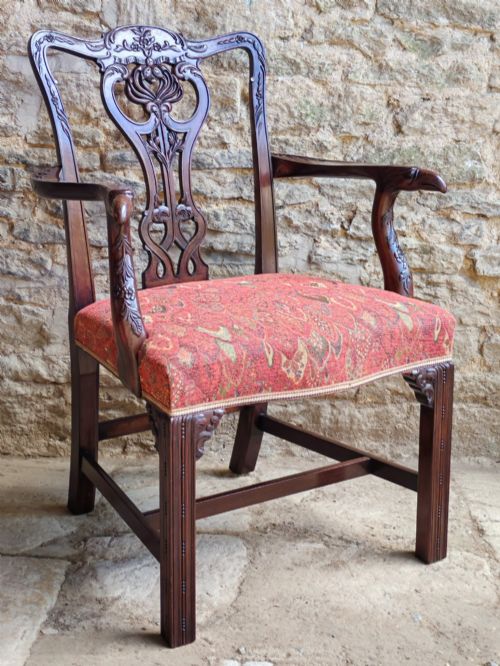
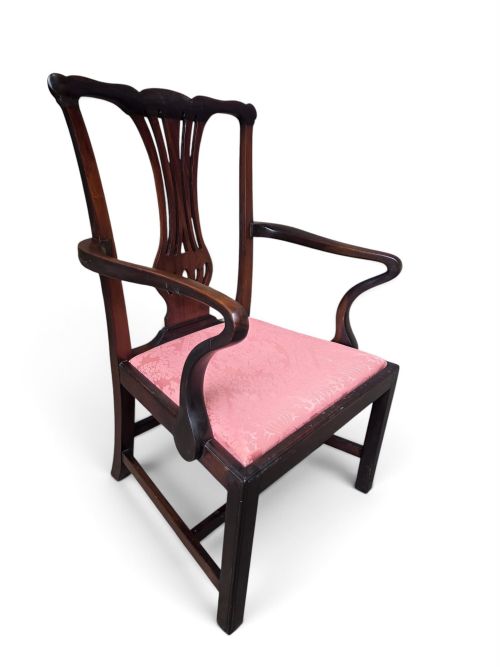
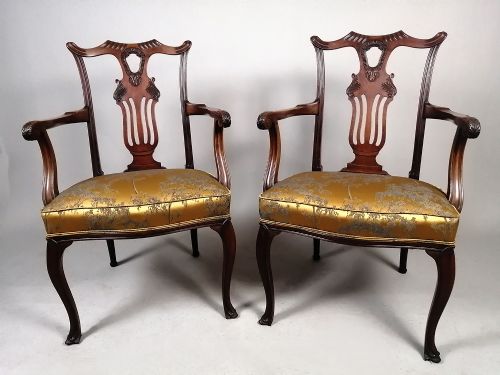
Vintage chippendale armchairs bring solid mahogany frames and pierced splat backs into a room, offering both period presence and comfortable seating.
Vintage Chippendale Armchairs
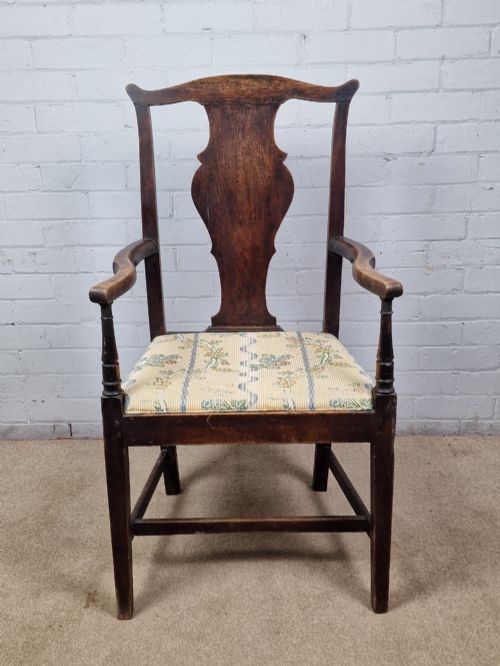
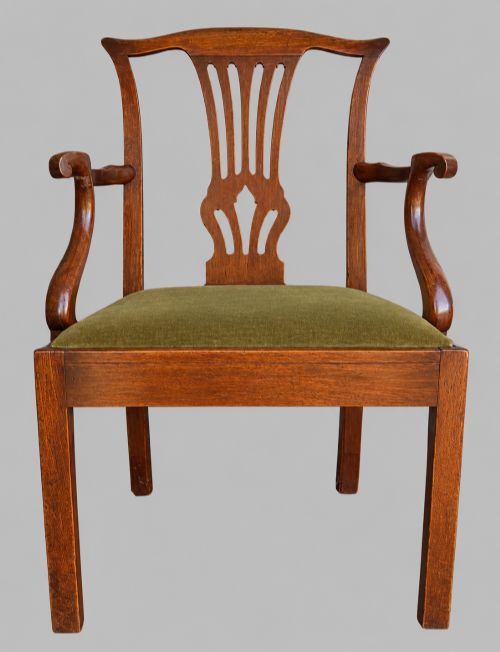
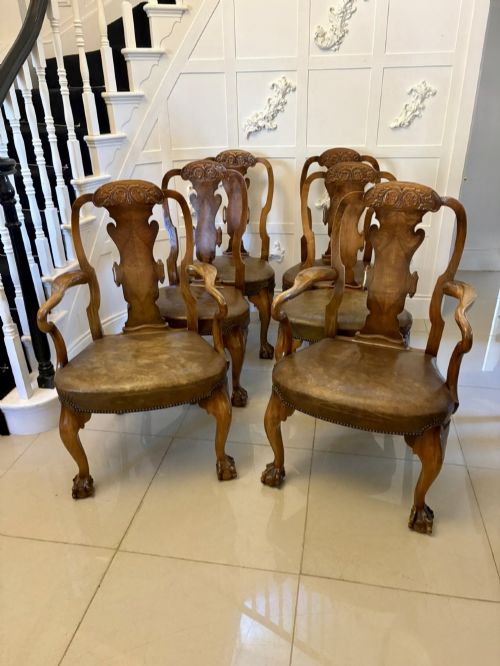
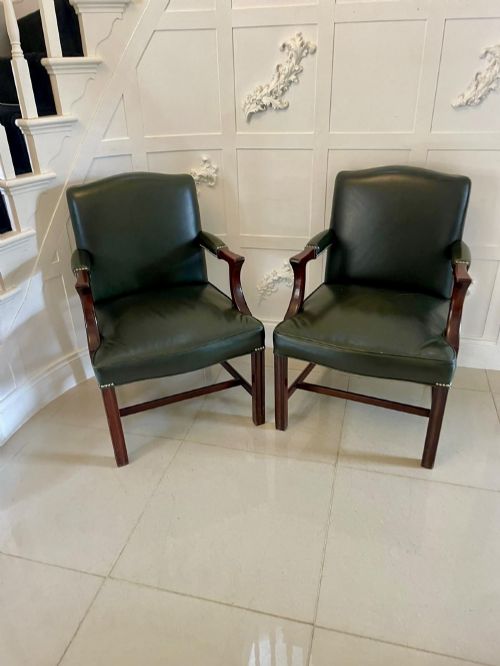
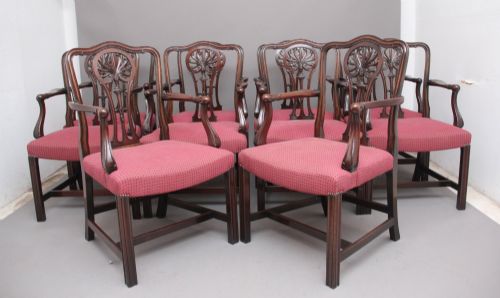
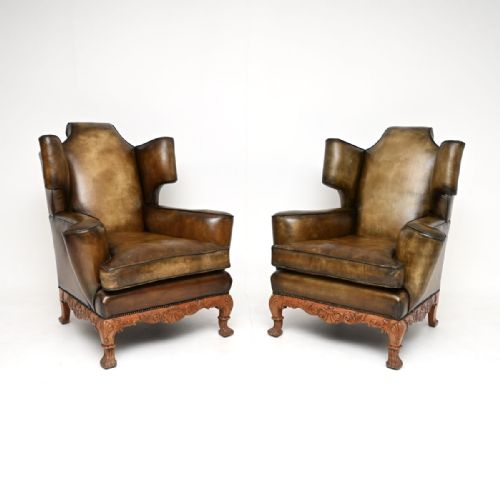
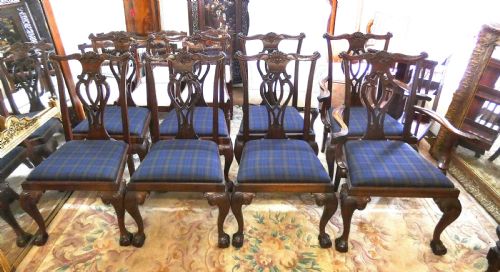
Vintage chippendale armchairs encompass seating pieces built in the distinct aesthetic associated with the eighteenth-century cabinet maker, spanning genuine period examples alongside later revivals from the nineteenth and early twentieth centuries. Buyers encounter various forms here, ranging from open library armchairs and heavy Gainsborough models to sets of dining elbow chairs.
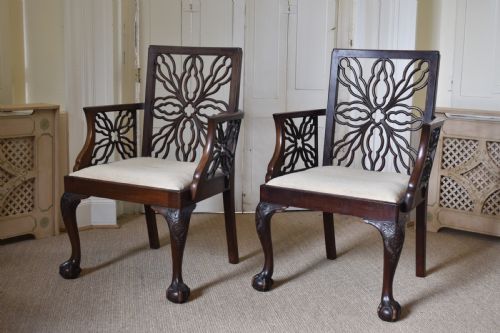
The materials recorded across these listings concentrate heavily on rich mahogany and walnut frames, frequently paired with seats upholstered in leather, damask, velvet, or heavy fabric. Distinct regional types such as the Cockpen chair also appear alongside standard open arm and desk configurations.
Materials and construction methods
Makers built these frames predominantly from solid mahogany and walnut, employing traditional joinery to support heavy use. Carved details such as blind frets and pierced splats required skilled hand-tooling across the wood.
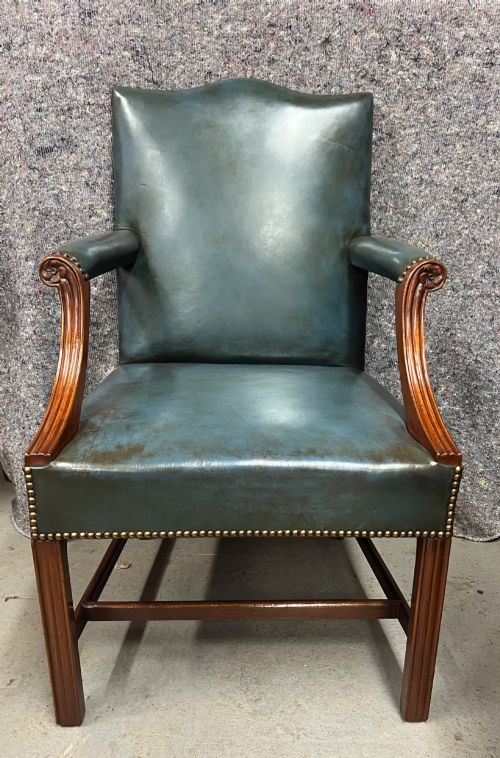
Upholstery techniques combined sturdy webbing and stuffing with top coverings of hand-dyed hide, red leather, or woven textiles, secured using brass upholstery tacks.
Children occasionally received miniature versions of these grand seats, as seen in the charming pair of small-scale open armchairs.
Distinctions in quality
The depth and crispness of the wood carving separate ordinary production from superior examples, particularly along the crest rails and arm terminals. Sharp, clean lines in the pierced splat indicate a more skilled hand than soft or rounded edges.
Original or period-appropriate upholstery materials maintain the integrity of the piece better than modern replacements that lack historical context. Frame stability and the retention of original timber patination likewise dictate the standing of individual items.
Alfred Allen of Birmingham·Howard and Sons
The Vintage Chippendale Armchairs Glossary
- Splatt
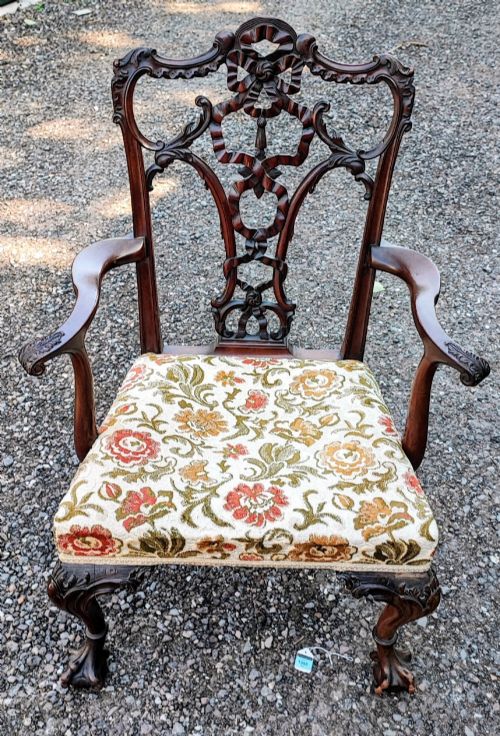
- The vertical central strip of wood within the back of a chair. It often takes an intricately pierced ribbon or vase shape in this tradition.
- Gainsborough chair
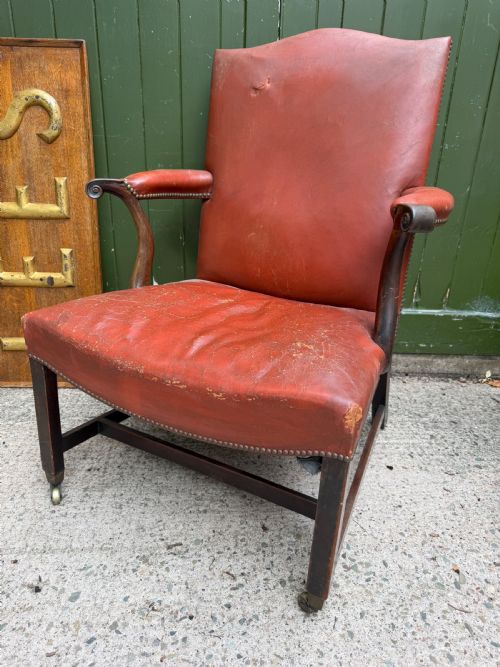
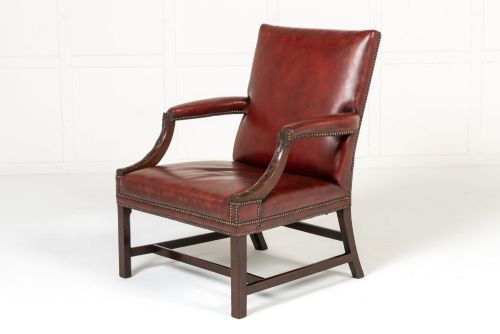
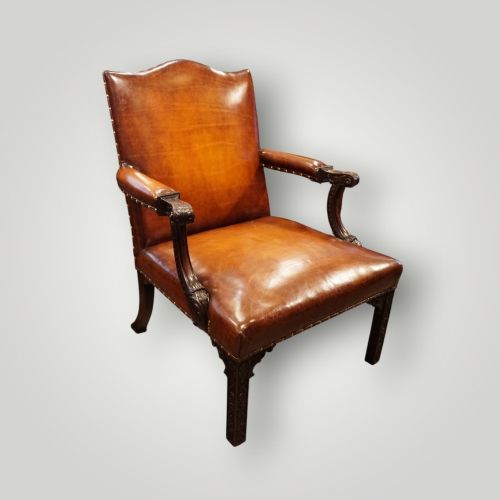
- A wide, upholstered armchair with open padded arms, short legs, and a low back designed for writing desks or reading.
- Blind carving
- Carved ornament applied directly to a flat surface in low relief, frequently mimicking Chinese fretwork patterns on chair legs and rails.
- Elbow chair
- A term used historically for an armchair, particularly those designed to sit at the head of a dining table alongside matching side chairs.
- Cockpen
- A lattice-work chair design influenced by Chinese Chippendale styles, featuring geometric grid patterns across the back.
Vintage Chippendale Armchairs: Frequently Asked Questions
What is a Gainsborough chair?
A Gainsborough chair is a wide, upholstered armchair featuring open padded arms and a low back. These seats were originally built for writing desks and libraries during the eighteenth century.
Later revival makers continued producing them with mahogany frames and leather upholstery to replicate the comfortable proportions of the early models.
How do I spot a revival piece?
Revival pieces from the nineteenth and early twentieth centuries often display machine-assisted elements or timber finishes characteristic of later Victorian and Edwardian workshops. Examining the interior frame construction helps reveal the actual age of the wood.
Stylistic cues also point to the era of manufacture, as makers in the nineteen-hundreds reinterpreted eighteenth-century designs with specific regional preferences.
Where were these chairs used?
These chairs served multiple domestic functions, from formal dining settings to private libraries and studies. Desk chairs provided mobility and support for writing, while larger armchairs furnished drawing rooms.
Sets of dining elbow chairs typically sat at the head and foot of a large table, accompanied by matching side chairs.
What maintenance do leather seats need?
Leather upholstery benefits from regular dusting and occasional conditioning to prevent the hide from drying out over time. Avoiding direct sunlight helps preserve the natural dye and suppleness of the leather.
Keeping the mahogany frame polished with traditional wax maintains the protective finish of the wood without harming the antique surface.