


Vintage Chinese Table
A vintage chinese table brings solid hardwoods, rich lacquer, and centuries of craftsmanship into a room.
Vintage Chinese Table
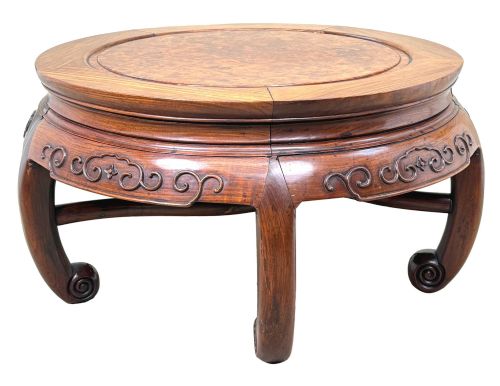
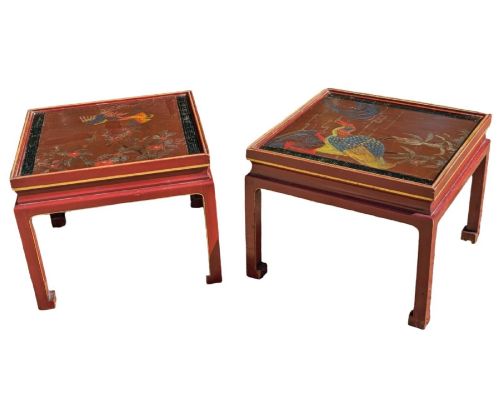
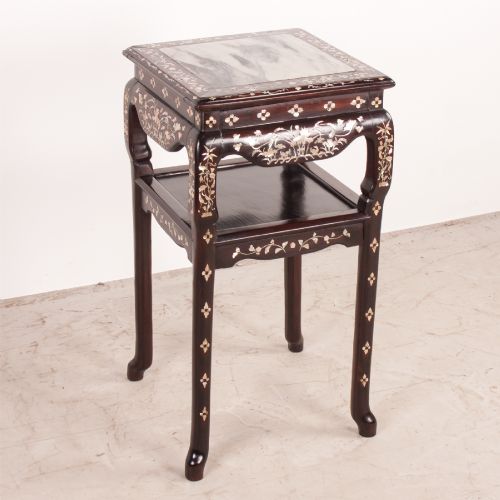
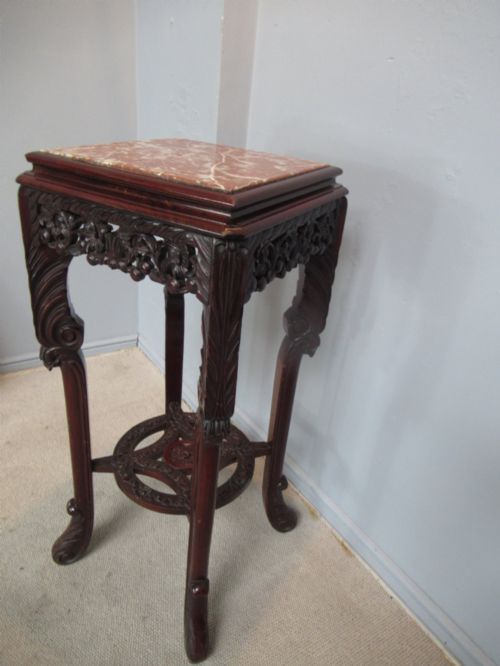
When a buyer searches for a vintage chinese table, they encounter a diverse range of forms including coffee tables, console tables, side tables, and nesting sets. These items span from the nineteenth century through the early decades of the twentieth century, reflecting both traditional domestic furniture and export pieces.
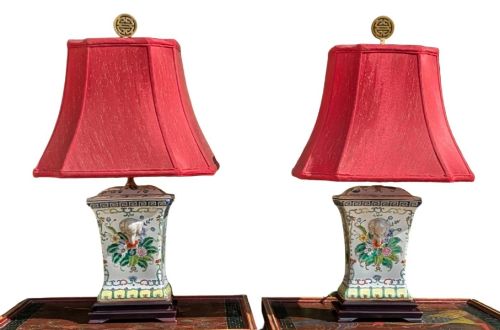
The typology also encompasses hybrid styles such as Chinoiserie and Chinese Export adaptations created for Western interiors during the Victorian and Edwardian eras. Each format serves a distinct domestic function, bridging historical utility with decorative display.
How they were made
Joinery relies on dense timbers like rosewood, elm, and general hardwoods assembled through traditional interlocking woodworking techniques without extensive metal fixings. This structural integrity allows surviving tables to maintain stability across generations of use.
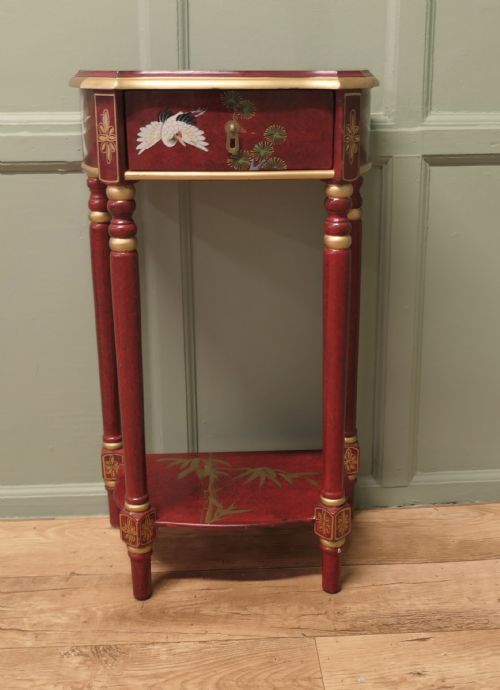
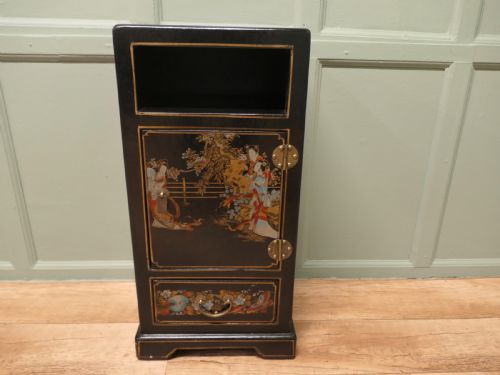
Surface treatments incorporate multiple layers of red, ochre, or black lacquer, sometimes augmented by mother of pearl inlay or hand-painted Chinoiserie decoration. Marble inserts frequently provide durable, cool surfaces for tabletops and jardiniere stands.
Vintage Chinese Table Retail Price Guide 2026
Typical asking prices for vintage chinese table among the pieces listed under this phrase on Sellingantiques today, from the lower quarter to the upper quarter. They describe what is for sale here now, not the wider market.
Several tables arrive with rotating display stands or hidden compartments designed for quiet nineteenth-century tea ceremonies.
What varies in quality
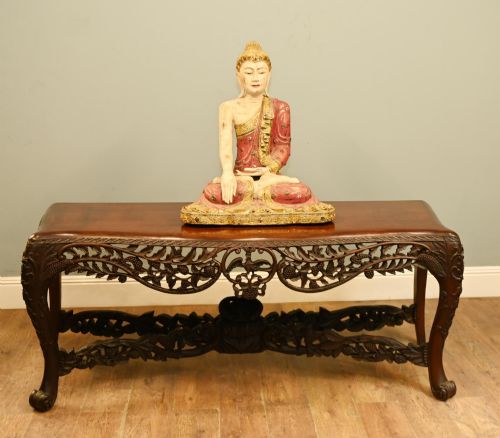
The standard of carving and inlay work distinguishes standard utility furniture from finer pieces intended for affluent households or export markets. Crisp relief on hardwood panels and precise placement of mother of pearl indicate superior workshop output.
The preservation of original lacquer finishes and natural patina directly impacts the character of lacquer tables and elm pieces. Surviving surfaces that retain their intended depth and colour without heavy modern intervention represent the upper tier of the range.
The Vintage Chinese Table Glossary
- Chinoiserie
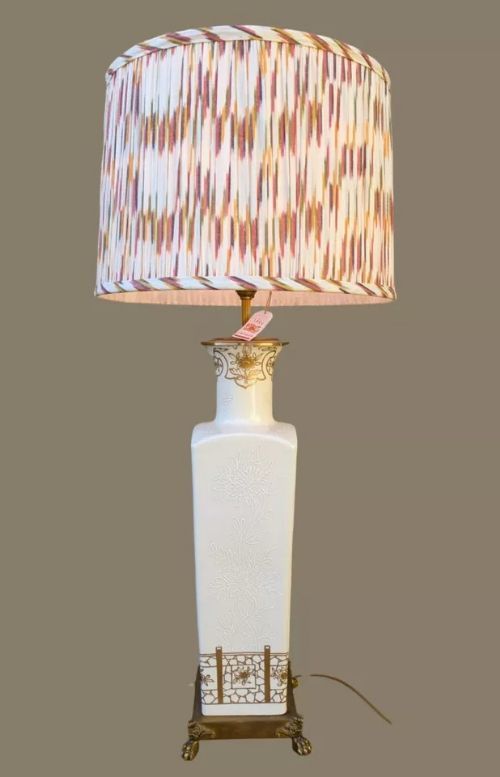
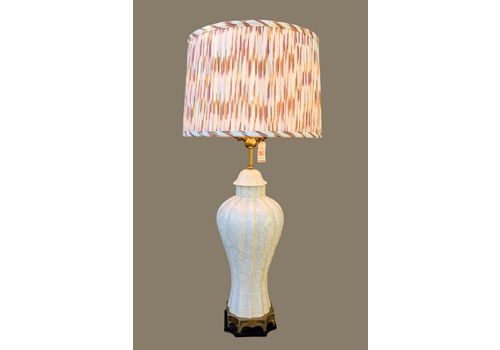
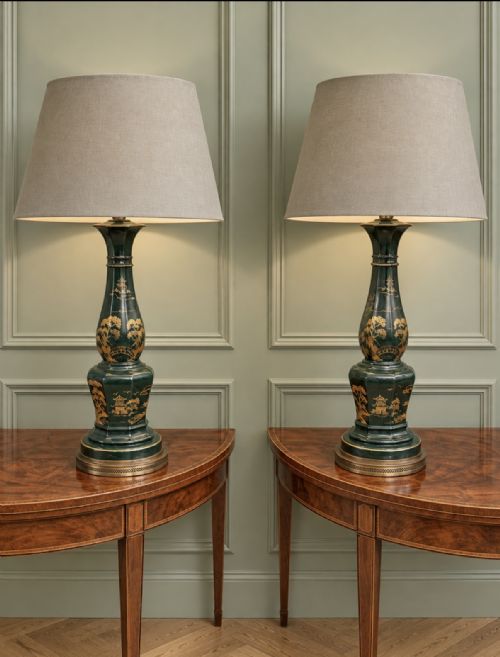
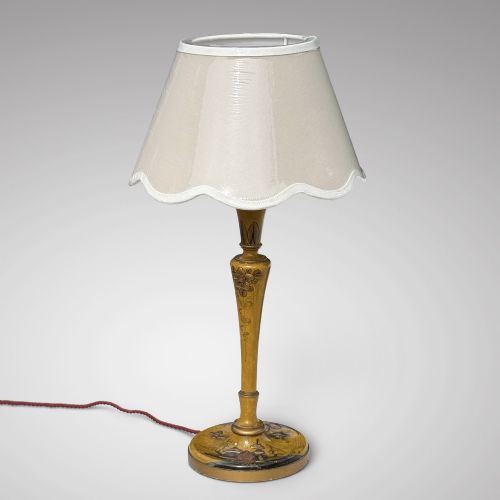
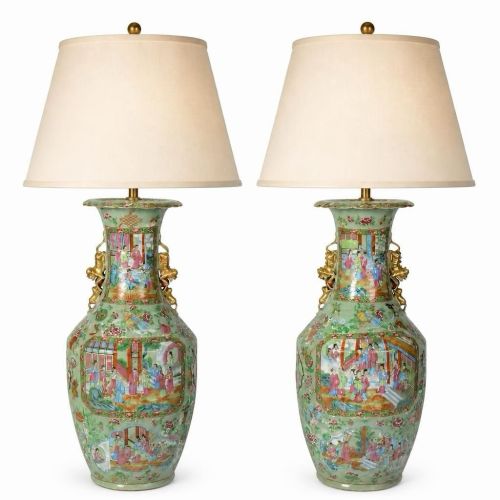
- European decorative style imitating Chinese artistic traditions. It appears on lacquer furniture and table lamps from the Edwardian period onwards.
- Opium table
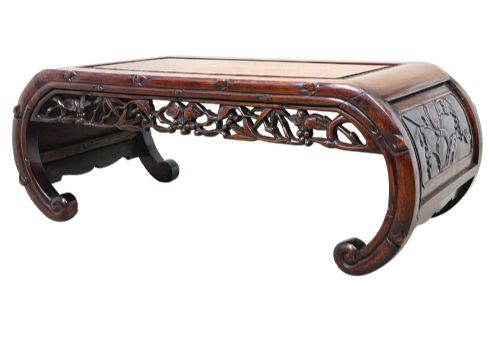
- Low rectangular wooden table traditionally used for social gathering or resting. These pieces sit close to the floor and often feature simple, rustic elm construction.
- Hardwood
- Dense, durable timber such as rosewood or local Asian varieties utilised for structural framework and carved panels. It resists warping and supports intricate joinery.
- Lacquer
- Protective and decorative finish applied in multiple layers from tree sap. It yields a smooth, hard surface that takes colour and painted decoration.
Vintage Chinese Table: Frequently Asked Questions
How do I use a low opium table today?
Low tables function effectively as coffee tables in contemporary living spaces, offering a low profile that anchors seating areas. They also serve as display surfaces for decorative objects or books.
Pare them with minimalist modern furniture to highlight their historical woodwork and compact proportions without cluttering the room.
Are marble top stands durable for daily use?
Marble inserts provide a stable, heat-resistant surface historically utilised for holding heavy planters, vases, or tea sets. The stone handles everyday placement of items securely.
Protect the polished surface from acidic spills and heavy impacts to maintain the integrity of the stone over time.
What is the difference between elm and rosewood tables?
Elm offers a rustic, fibrous grain often seen in provincial furniture, dressers, and simpler stools or tables. It provides a warm, tactile domestic character.
Rosewood is a denser, heavier hardwood with deep coloration, typically reserved for formal console tables and detailed carved stands.
How should I care for lacquered surfaces?
Lacquer requires gentle dusting with a soft, dry cloth and protection from direct sunlight to prevent fading or drying of the finish. Avoid liquid polishes and chemical cleaners.
Maintaining stable indoor humidity levels prevents the wood beneath the lacquer from expanding and causing the finish to craze.