





Vintage Chinese Storage Cabinet
These vintage chinese storage cabinet examples range from robust elm marriage chests to delicate lacquered cupboards, offering timeless utility and rich character for the home.
Vintage Chinese Storage Cabinet
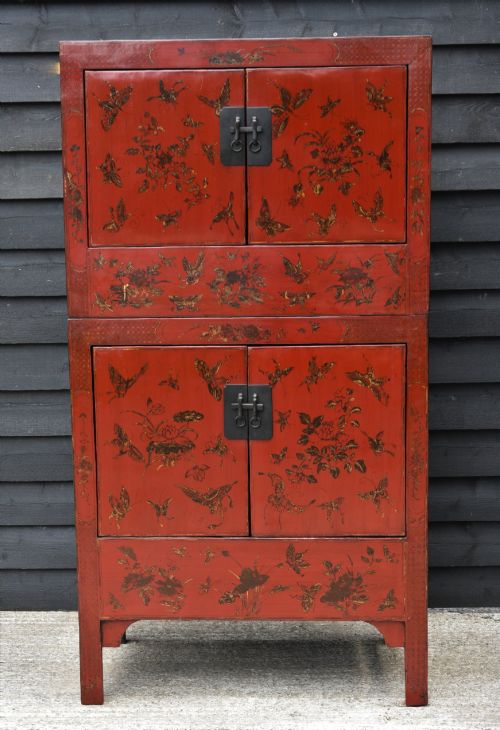
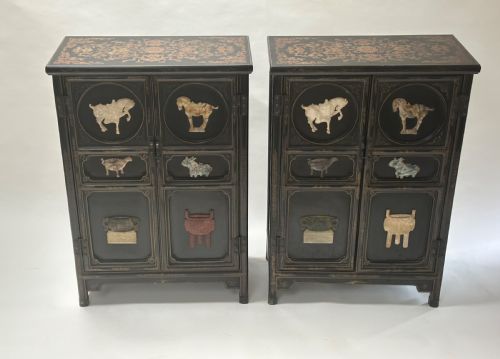
When you search for a vintage chinese storage cabinet, you encounter a diverse array of forms spanning the nineteenth century through the early decades of the twentieth. These pieces encompass utilitarian sideboards, towering compound cabinet cupboards, and compact apothecary chests fitted with numerous small drawers.
Buyers select these items to anchor a room with distinct historical presence while providing practical concealed storage. Whether choosing a low sideboard or a tall noodle cabinet, each piece brings organic timber grain or vibrant pigment into modern interiors.
How they were made
Construction relies heavily on native hardwoods such as elm, teak, and dense zitan, joined using traditional woodworking techniques that accommodate seasonal wood movement. Artisans built structural frames to support heavy loads, frequently incorporating panelled doors and internal shelving without relying on modern metal fasteners.
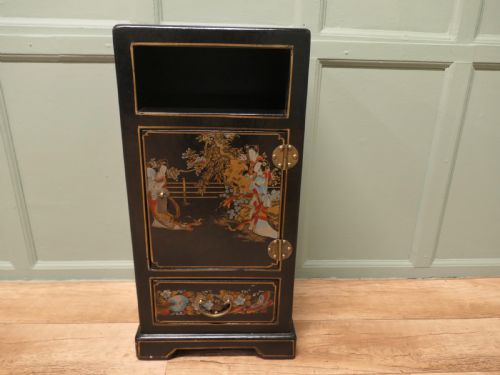
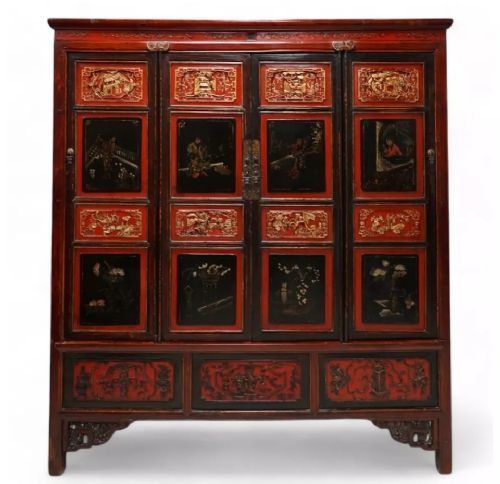
Surface finishes involve multiple layers of lacquer, sometimes applied over carved wood to create deep relief scenes featuring birds, flowers, and dragons. Metal hardware components, including brass hinges, lock plates, and iron mounts, serve both a structural reinforcement purpose and a decorative function.
Vintage Chinese Storage Cabinet Retail Price Guide 2026
Typical asking prices for vintage chinese storage cabinet among the pieces listed under this phrase on Sellingantiques today, from the lower quarter to the upper quarter. They describe what is for sale here now, not the wider market.
Some apothecary chests retain their original tiny hand-written paper labels inside the drawers, recording centuries-old herbal remedies.
What varies in quality
The degree of refinement in the timber preparation and joinery distinguishes finer examples from simpler provincial pieces. Superior specimens display tight, stable joints in dense hardwoods like zitan or selected elm, maintaining structural integrity over generations.
Surface decoration represents another major point of divergence, where meticulous hand-carved relief work and smooth, multi-layered lacquer applications elevate a piece far above standard commercial items. The preservation of original hardware and untouched patination further determines the standing of individual cabinets.
The Vintage Chinese Storage Cabinet Glossary
- Chinoiserie
- European interpretation and imitation of Chinese artistic traditions and motifs, popular in decorative arts and furniture design. This style often employs black or red lacquer backgrounds painted with figurative scenes, birds, and flora.
- Lacquer
- A durable finish made from the sap of specific trees, applied in numerous thin coats and polished to a smooth sheen. It provides both protection to the underlying wood and a vibrant canvas for pigments and gilding.
- Zitan
- A dense, heavy tropical hardwood prized in traditional Chinese furniture making for its dark colour and fine grain. It accepts intricate carving exceptionally well and forms the structure of high-status pieces.
- Apothecary cabinet
- A storage unit traditionally utilised by herbalists and practitioners of medicine, characterised by banks of numerous small drawers. These chests were designed to organise dried roots, herbs, and powders.
- Noodle cabinet
- A tall, slender storage form traditionally used in Chinese households for food storage and kitchen utensils, featuring internal shelves and panelled doors.
Vintage Chinese Storage Cabinet: Frequently Asked Questions
How do I clean a lacquered cabinet?
Dust surfaces regularly with a soft, dry cloth to prevent particulate accumulation. Avoid chemical polishes, water, and direct sunlight, which can damage aged lacquer finishes over time.
For stubborn marks, use a barely damp cloth with mild soap, drying the area immediately. Preserving the original surface requires gentle handling and consistent indoor humidity levels.
Where were these cabinets placed originally?
These storage pieces served various domestic functions throughout the home, from main living areas to kitchens and scholars' studios. Large compound cabinets and sideboards stored garments and valuables, while smaller chests held documents or medicinal ingredients.
Today, their adaptable dimensions allow them to function effectively as media consoles, entryway sideboards, or linen storage in bedrooms.
How do I identify a nineteenth-century piece?
Examine the construction methods, tool marks, and timber shrinkage patterns visible on the interior and underside of the cabinet. Nineteenth-century examples typically exhibit hand-cut joinery, forged iron or brass hardware, and natural wear consistent with extended domestic use.
Evaluating the depth of the patina and the integration of the lacquer layers also helps distinguish older items from twentieth-century reproductions.
Are the brass and iron mounts original?
Original mounts generally show appropriate signs of age, including oxidation, wear patterns, and secure attachment methods consistent with the period of the cabinet. Blacksmith or foundry marks can sometimes be observed on the reverse of the hardware.
Replacements are occasionally fitted during repairs, so evaluating the fit between the metal and the surrounding wood provides insight into its authenticity.