



Vintage Cherrywood Table
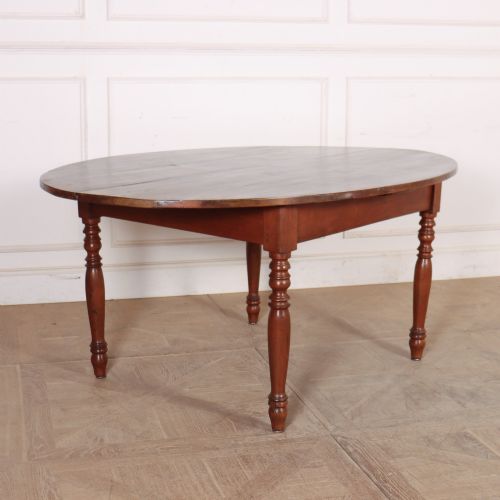
A vintage cherrywood table brings warm grain and honest utility into a room, spanning rustic farmhouse forms to refined provincial designs.
Vintage Cherrywood Table
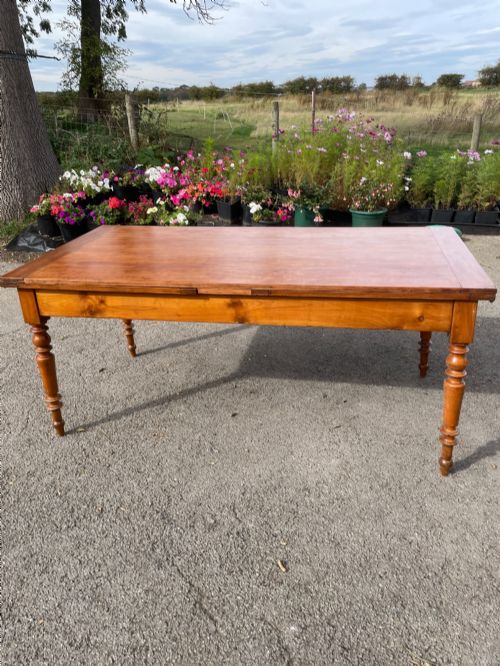
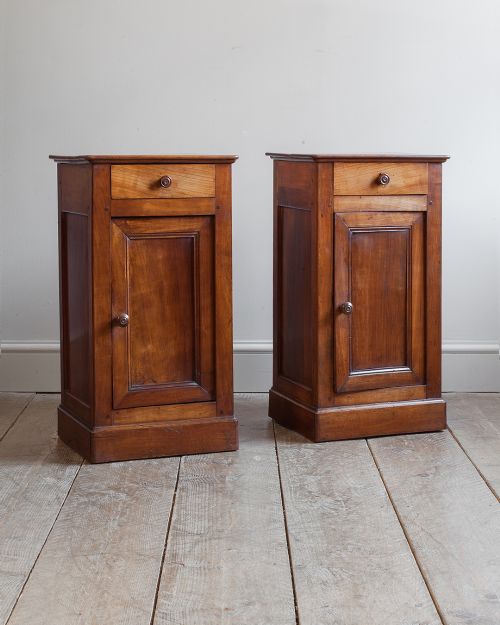
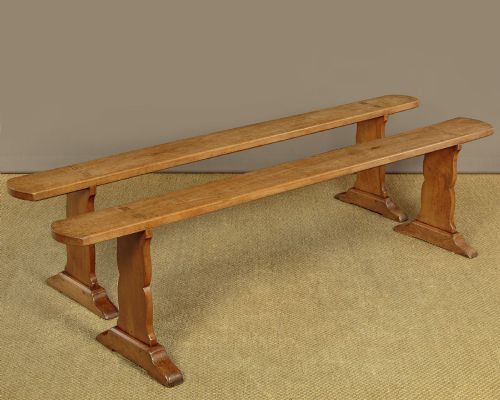
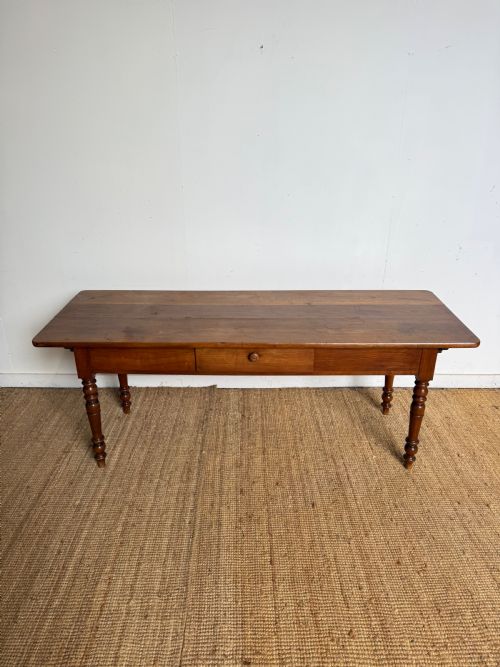
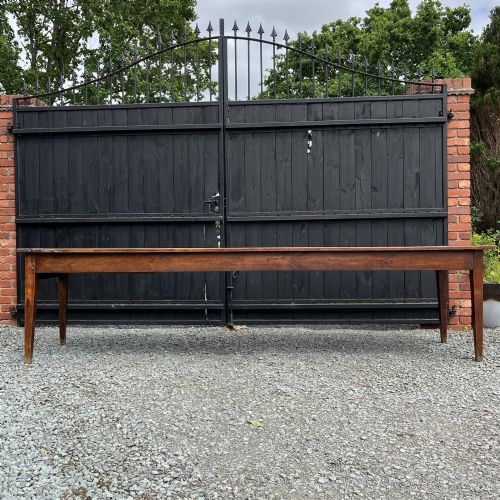
A vintage cherrywood table encompasses a variety of domestic forms shaped by French provincial and rustic farmhouse traditions. Buyers searching for a vintage cherrywood table will encounter pieces ranging from large dining and farmhouse boards to compact bedside cupboards, benches, and serving tables.
The selection leans heavily toward nineteenth-century origins, with dates stretching from eighteen hundred into the early twentieth century. These domestic items serve practical roles, whether providing a surface for daily meals or standing as console tables and coffee tables in sitting rooms.
Most examples originate from France, displaying regional characteristics such as cabriole legs, integrated drawers, and sliding bread boards. The forms vary from long dining surfaces designed for communal use to low coffee tables adapted from earlier timbers.
Materials and Construction
Construction relies primarily on cherrywood, timber, and fruitwood, selected for stability and rich warmth. Craftsmen utilised solid wood construction, incorporating brass hardware where handles or hinges were required.
Joinery techniques reflect traditional workshop methods suited to hardwood timbers, ensuring durability across dining tables, benches, and smaller bedside cabinets. The natural timber receives minimal intervention beyond smoothing and structural assembly, allowing the grain to dominate the appearance.
Vintage Cherrywood Table Retail Price Guide 2026
Typical asking prices for vintage cherrywood table among the pieces listed under this phrase on Sellingantiques today, from the lower quarter to the upper quarter. They describe what is for sale here now, not the wider market.
Judging Quality
Quality rests in the depth of the timber's patina and the integrity of the original construction rather than decorative excess. Tables featuring integrated mechanics, such as double draw leaves or sliding bread boards, demonstrate higher levels of period utility.
Proportion and regional detailing set better examples apart, particularly where cabriole legs are carved with restraint and flow naturally from the apron. The uniformity of the timber selection across large dining surfaces also indicates superior workshop origin.
The Vintage Cherrywood Table Glossary
- Cherrywood
- A dense hardwood valued for its warm reddish-brown tone and smooth grain. It darkens gracefully with age and exposure to light.
- Bread slide
- A pull-out wooden board integrated beneath the tabletop. Historically used for slicing bread, it extends the surface area of the table.
- Cabriole leg
- A furniture leg that curves outward in a convex arc and tapers inward to a foot. This design is typical of Louis XV and provincial French styling.
- Draw leaf table
- A dining table with extension leaves stored beneath the main top. These pull out from each end to increase surface length.
- Fruitwood
- A general term for timber harvested from fruit-bearing trees such as cherry or pear. It offers a dense, fine-grained material suitable for provincial cabinetmaking.
Vintage Cherrywood Table: Frequently Asked Questions
How do I clean a cherrywood table?
Wipe surfaces using a soft, damp cloth to remove dust and everyday debris. Avoid harsh chemical cleaners that strip the natural timber finish.
Apply occasional natural beeswax to nourish the wood and maintain its soft lustre. Keep the table away from direct heat sources to prevent timber splitting.
Are these tables suitable for daily dining?
Nineteenth-century farmhouse and dining boards were built for robust daily use. Their solid hardwood construction handles regular family meals with ease.
Use protective mats under hot dishes and liquids to preserve the historic finish. The sturdy timber frame ensures long-term structural reliability.
What distinguishes French provincial tables?
French provincial furniture reflects regional craftsmanship outside Paris, balancing utility with subtle elegance. These pieces often feature softer lines, cabriole legs, and practical additions like drawers.
Materials are locally sourced, predominantly featuring cherrywood and fruitwood. The aesthetic prioritises domestic comfort over formal ornamentation.