
Vintage Champagne Bucket Cooler
A vintage champagne bucket cooler brings formal hospitality to the table, uniting practical chilled storage with centuries of metalwork and glass design.

Vintage Champagne Bucket Cooler
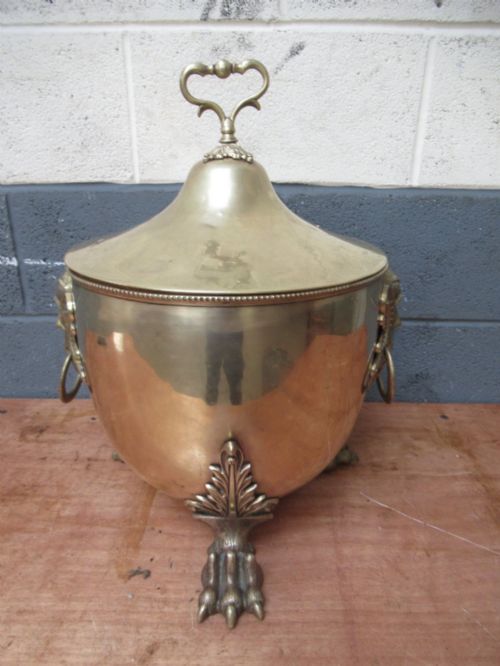
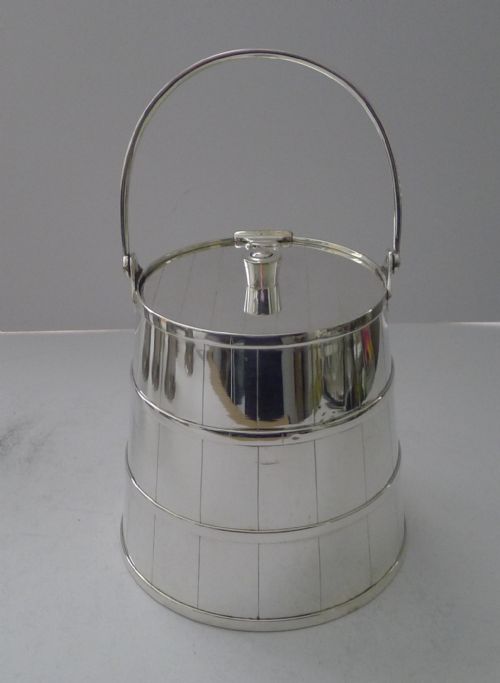
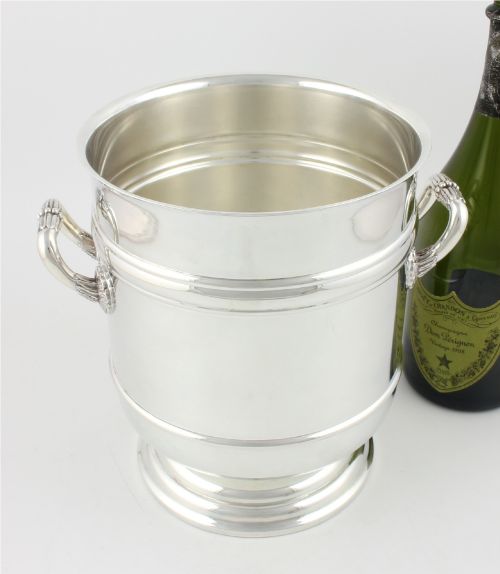
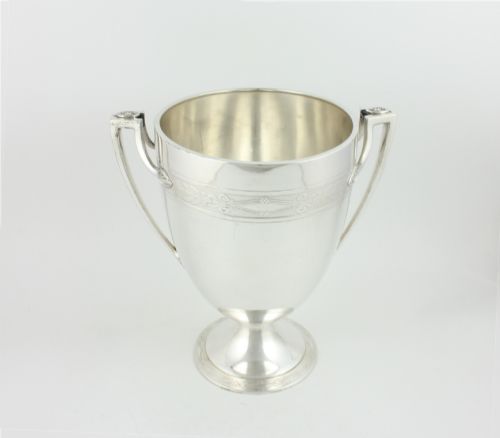
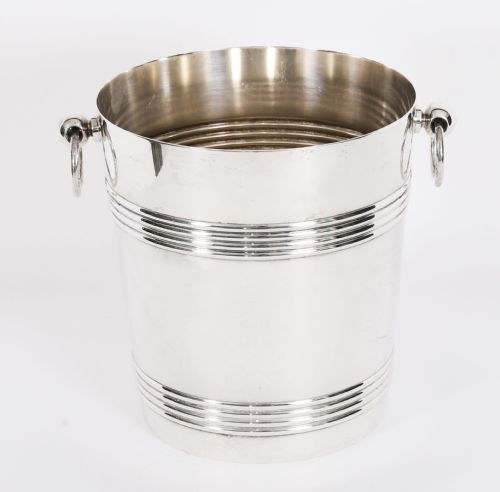
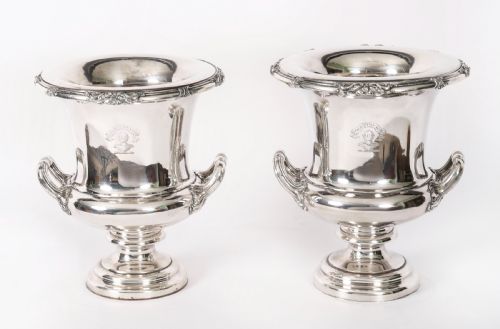
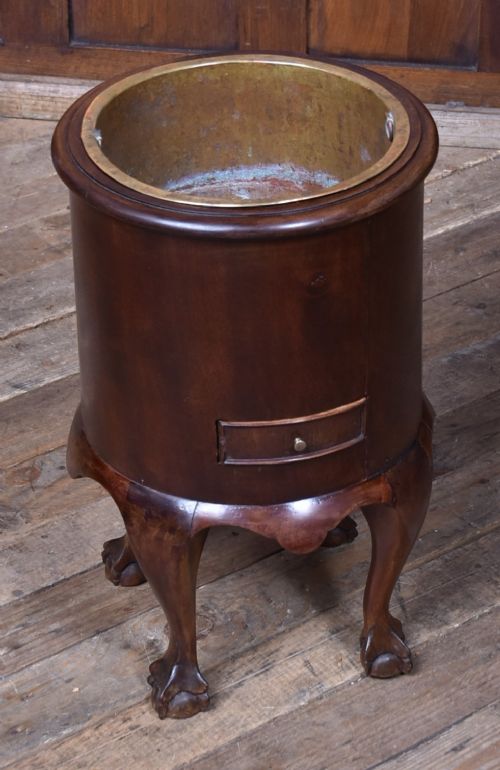
A vintage champagne bucket cooler serves to chill and present wine at the table, spanning forms from intimate personal ice pails to floor-standing vessels. When searching this phrase, buyers encounter items ranging from George III vessels to mid-century barware.
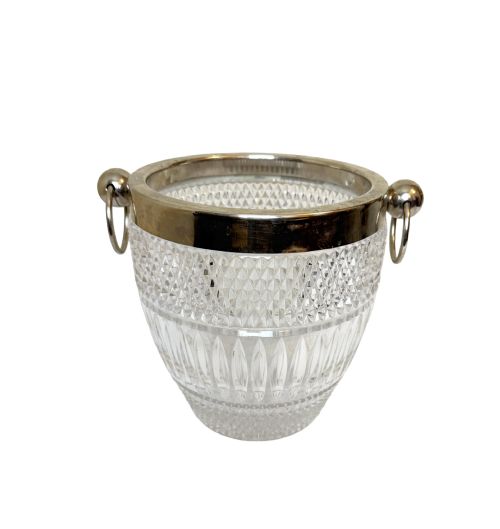
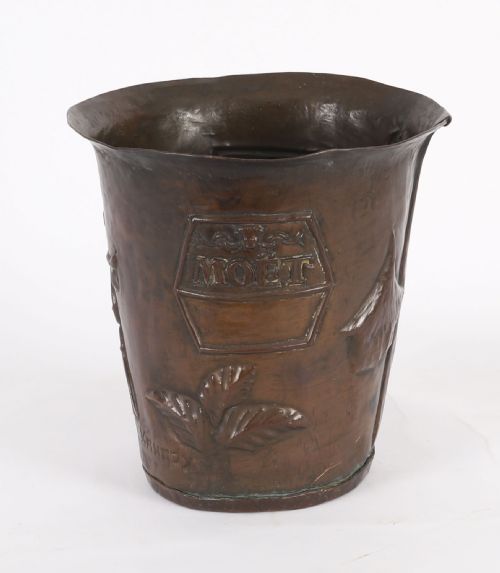
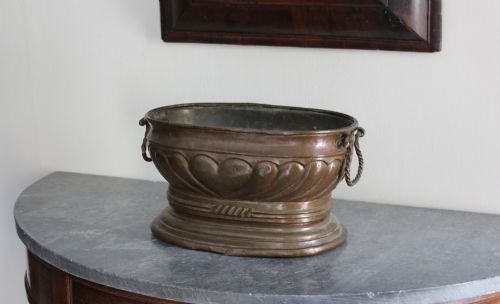
The selection includes silver plate, copper, brass, mahogany, and cut crystal, fashioned into wine coolers, ice buckets, and champagne buckets. Makers such as Christofle, WMF, and Mappin & Webb appear frequently across the periods.
Pieces span the eighteenth, nineteenth, and twentieth centuries, encompassing styles from Georgian and Regency to Art Deco and Mid-Century Modern. Buyers find functional vessels intended for dining rooms, sideboards, and cocktail parties.
How they were made
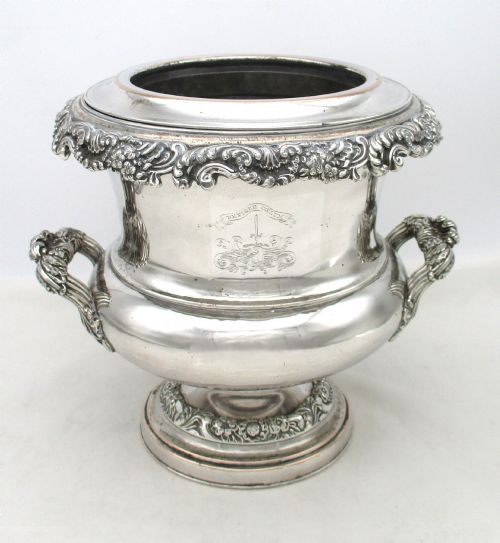
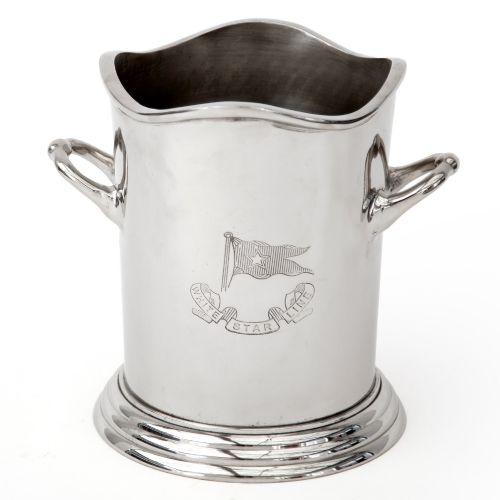
Silversmiths utilised silver plate on copper, old Sheffield plate, and solid metals, applying hammering, casting, and repoussé techniques to shape bodies and mount handles. Makers added cast decorative motifs such as crests, tendrils, flower heads, and animal handles.
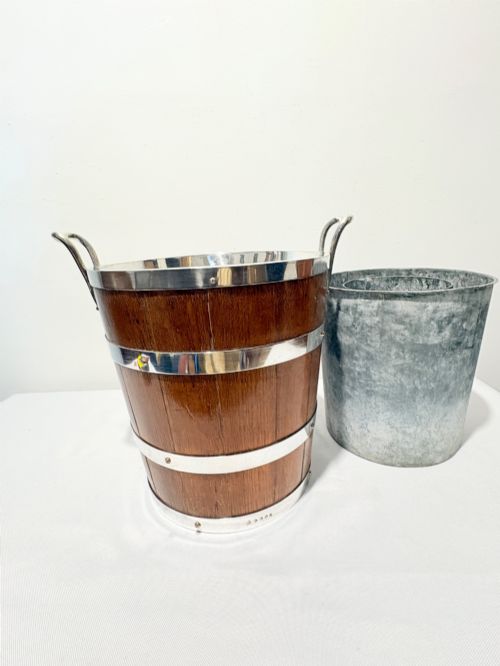
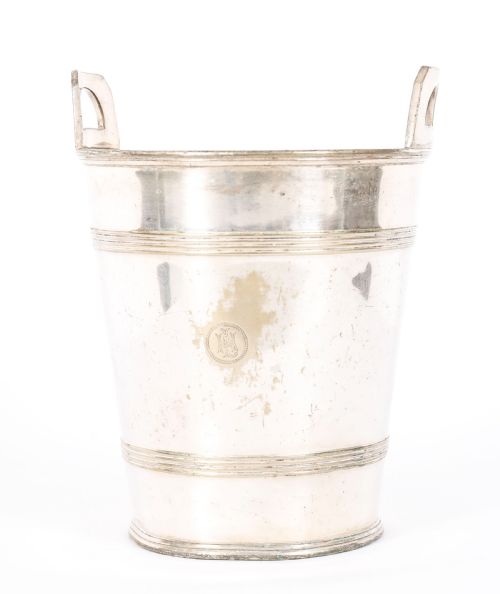
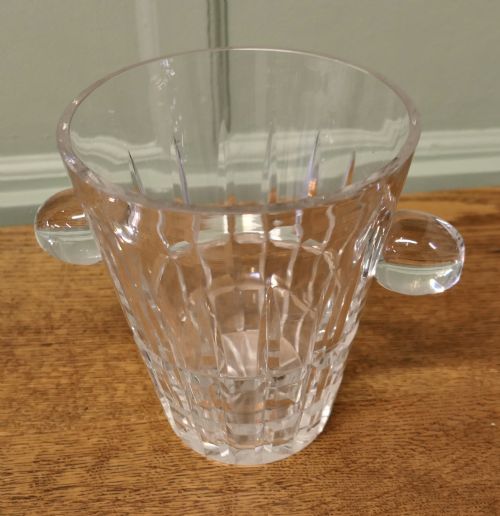
Glassmakers produced cut crystal and hand-blown glass bodies, sometimes complemented by gilt bronze mounts or metal liners. Coopered oak vessels utilised traditional wooden stave construction secured with metal bands to hold metal liners.
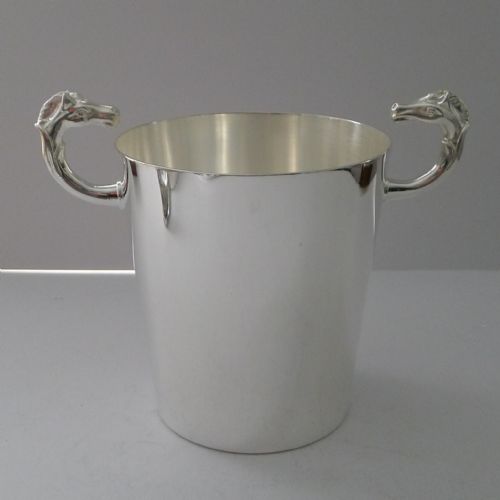
Equestrian enthusiasts can chill their vintage champagne in a bucket featuring solid horse head handles.
What varies in quality
Quality rests in the weight of the metal, the crispness of cast ornamentation, and the depth of hand-cut crystal facets. Substantial wall thickness and balanced proportions distinguish finer examples from standard production pieces.
Makers known for exceptional manufacturing standards, such as Christofle or Elkington, often integrated refined detailing and robust construction that endured decades of dining room use.
Hutton Sheffield·Hermes Paris·Christofle·WMF·Mappin & Webb·IMA·Dawson·Barker Ellis·Elkington
The Vintage Champagne Bucket Cooler Glossary
- Old Sheffield Plated
- A composite material made by fusing a thin sheet of silver to a thicker copper base before shaping. This early method leaves a characteristic copper seam visible on edges.
- Silver Plate
- A thin layer of pure silver applied over a base metal such as copper, brass, or white metal. It allowed makers to produce impressive vessels at a lower cost than solid silver.
- Coopered
- Constructed from wooden staves fitted tightly together and bound with metal hoops, traditionally used for watertight vessels like buckets and barrels.
- Art Deco
- A design style prominent in the 1920s and 1930s characterised by geometric symmetry, stylised motifs, and streamlined forms. It marked a sharp departure from florid nineteenth-century ornamentation.
- Repoussé
- A metalworking technique where the artisan hammers the metal from the reverse side to form a raised design in relief on the front.
Vintage Champagne Bucket Cooler: Frequently Asked Questions
How were old champagne coolers used?
These vessels sat on sideboards, dining tables, or dedicated floor stands filled with ice and water to keep wine at the correct temperature throughout a meal. Some smaller iterations served as personal ice pails.
In domestic and hospitality settings, they formed part of the formal table service alongside matching trays and glassware.
How do I clean a silver plated cooler?
Silver plate requires gentle cleaning with a specialised silver polish and a soft cloth to remove tarnish without wearing away the plated layer. Avoid abrasive pads or harsh chemical dips.
Regular washing in warm soapy water and thorough drying after use will maintain the lustre of the metal.
How can I tell the period of a cooler?
The style of decoration, manufacturing marks, and materials offer strong clues to a piece's age, such as geometric Art Deco lines or florid Victorian motifs. Maker marks stamped on the base often link to specific production eras.
Old Sheffield plate indicates an origin prior to the invention of electroplating in the nineteenth century, while modern marks suggest mid-century production.