



Vintage Ceramic Table
These vintage ceramic table pieces turn old vessels and figures into functional illumination.
Vintage Ceramic Table
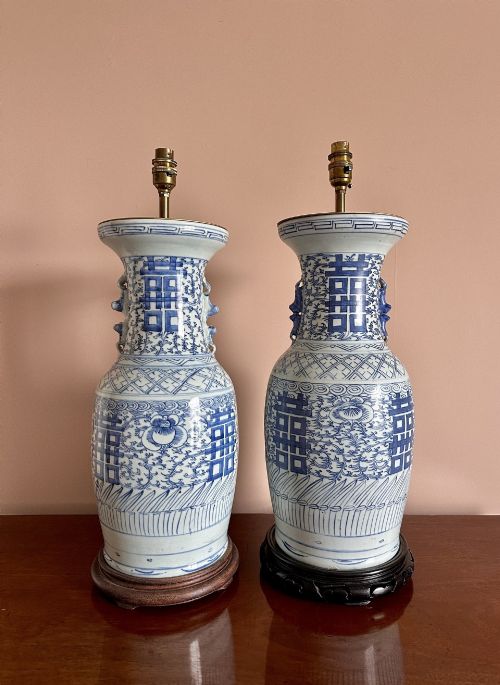
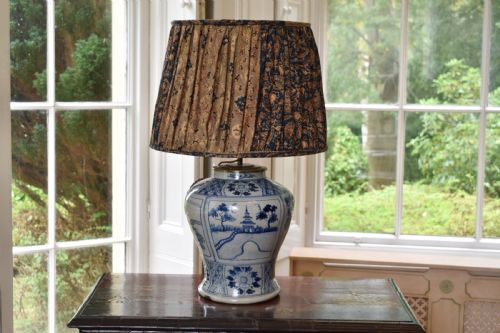
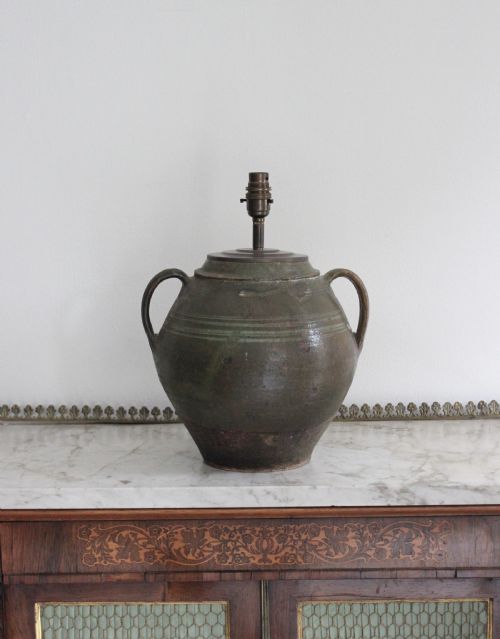
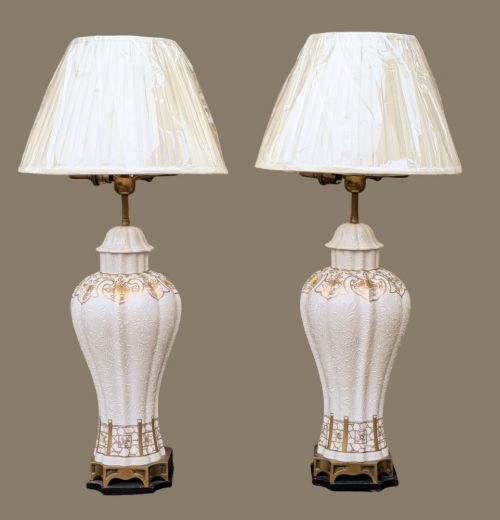
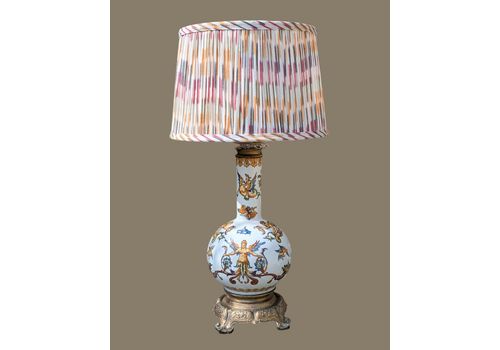
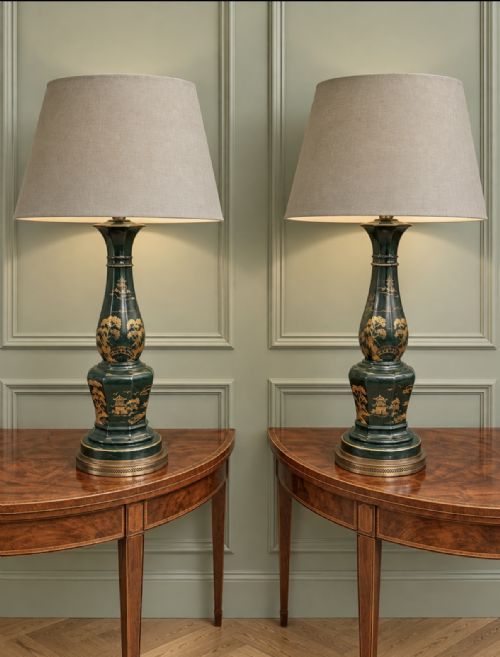
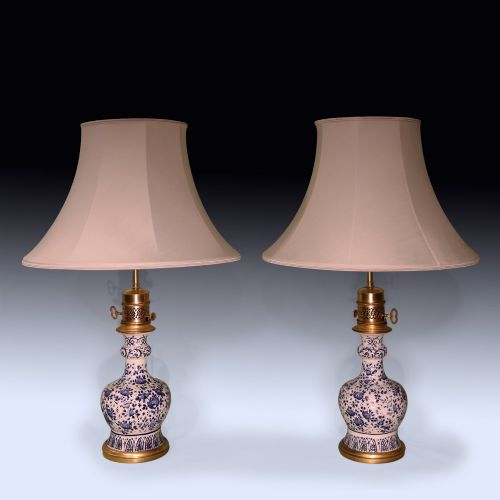
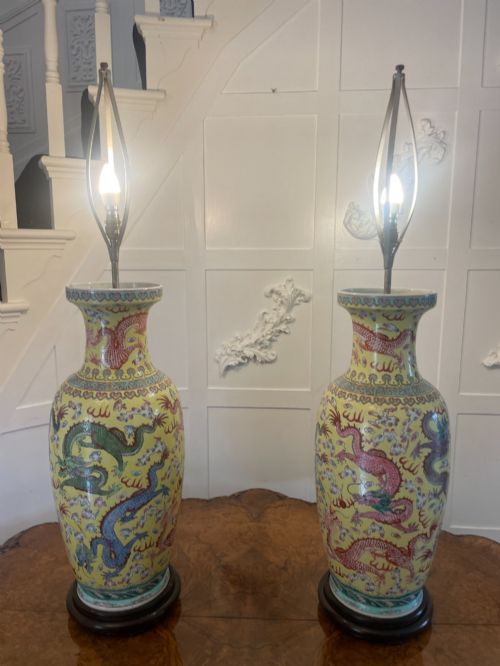
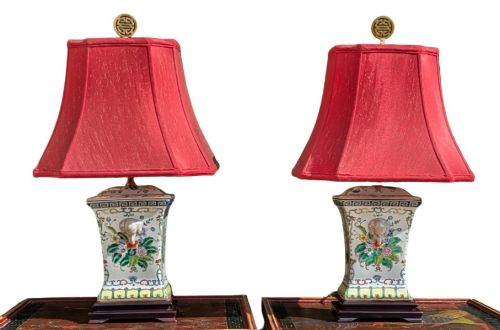
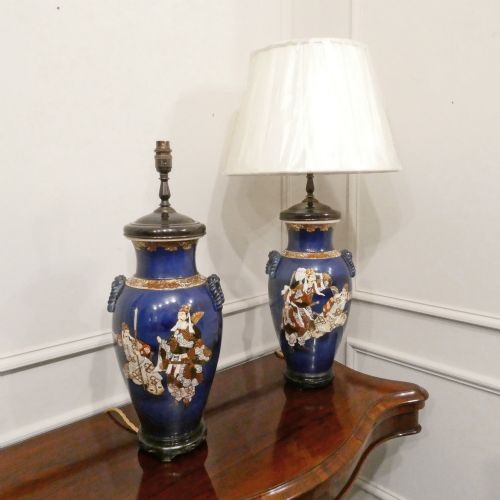
A vintage ceramic table search leads straight to repurposed lamps built from older vases, jars and porcelain figures, alongside occasional stands and salts. The versions most commonly met combine nineteenth-century Chinese or Japanese porcelain bodies with later electrical fittings.
Makers across the Victorian, Edwardian and early twentieth-century periods took existing pottery from diverse traditions and mounted them onto brass or bronze bases. These objects bridge decorative arts and practical domestic lighting through straightforward conversion.
The material forms span Satsuma, Majolica, Paris porcelain, and Delft earthenware, often carrying hand-painted motifs or monochrome glazes. Such pieces range from compact boudoir lighting to tall, imposing pair arrangements.
Materials and construction methods
Potters shaped these bodies from earthenware, bone china, stoneware, and hard-paste porcelain, applying glazes before high-temperature firing. Artisans then integrated metal components such as brass bases, gilt bronze trim, and ormolu mounts to secure the ceramic vessels.
Conversion work involved drilling the original pottery base or fitting collar mounts to hold electrical wiring and lamp holders safely. Hand-painted enamel details, pate sur pate layers, and transfer printing complete the surface decoration across these items.
Vintage Ceramic Table Retail Price Guide 2026
Typical asking prices for vintage ceramic table among the pieces listed under this phrase on Sellingantiques today, from the lower quarter to the upper quarter. They describe what is for sale here now, not the wider market.
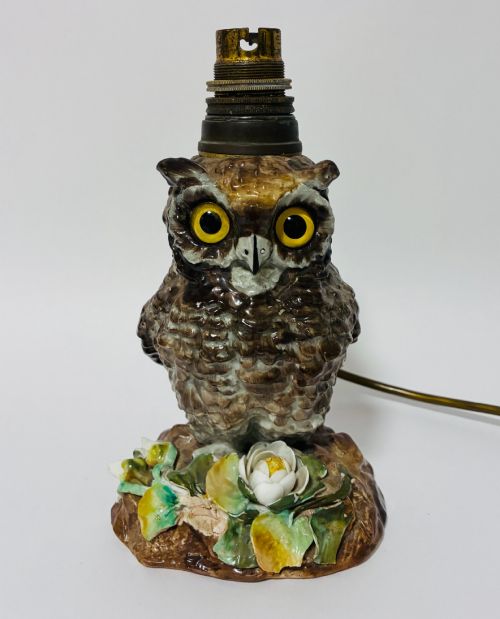
Several Victorian ceramic owls peer out from lamp bases, ready to illuminate a dimly lit study with ceramic wisdom.
Distinctions in quality and execution
Superior examples display crisp, finely detailed hand-painting and substantial metal mounts that fit the ceramic body without awkward gaps. The stability of the converted base and the preservation of the original glaze determine the overall integrity of the piece.
Lower-tier items often suffer from clumsy drilling methods, mismatched replacement parts, or heavy wear to the painted surface decoration. Pieces retaining their original pairing and matching metalwork command greater appreciation among collectors.
Royal Worcester·Royal Doulton·Moorcroft·Sitzendorf·HB Quimper·Hicks and Meigh·Masons Ironstone
The Vintage Ceramic Table Glossary
- Satsuma
- A type of Japanese earthenware featuring a crackle glaze and ornate polychrome enamel paintings with gilt highlights.
- Majolica
- A heavy earthenware pottery covered with an opaque tin-lead glaze and brightly coloured surface painting.
- Ormolu
- Gilded bronze mounts and decorative trims applied to the base or neck of ceramic bodies.
- Pate sur pate
- A ceramic decoration technique where layers of liquid white clay are built up on a dark background to form a low relief cameo.
Vintage Ceramic Table: Frequently Asked Questions
How are ceramic lamps wired safely?
Most converted lamps use brass threaded tubing running through the centre hole or collar mount. Modern electrical cords connect to standard bulb holders housed at the top.
Rewiring older pieces with modern insulated cable ensures safe daily use while preserving the historic ceramic body below.
Can converted vase lamps be restored?
Restoration typically involves cleaning the glaze and replacing worn electrical components like plugs and switches. Professional conservation avoids altering the original ceramic surface or drilled mounting holes.
Repairs to chipped porcelain require specialist ceramic restorers who match historic glaze colours.
How do I identify Satsuma porcelain?
Satsuma pieces show a distinctive creamy, ivory-coloured crackle glaze across the earthenware body. Artisans painted detailed figures and floral scenes enhanced with raised gold enamel.
These Japanese pieces date predominantly from the Meiji period through the early twentieth century.
What distinguishes Paris porcelain?
Paris porcelain refers to items produced by numerous independent workshops operating around Paris from the eighteenth century onward. They utilised hard-paste porcelain known for bright enamel colours and lavish gilt bronze trim.
These table pieces often imitate Chinese Qianlong styles or French neoclassical designs.