






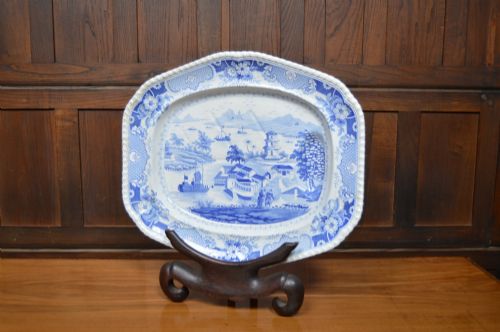

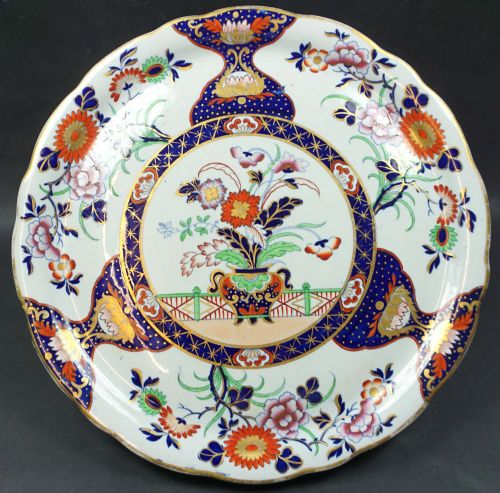
Vintage Ceramic Platter
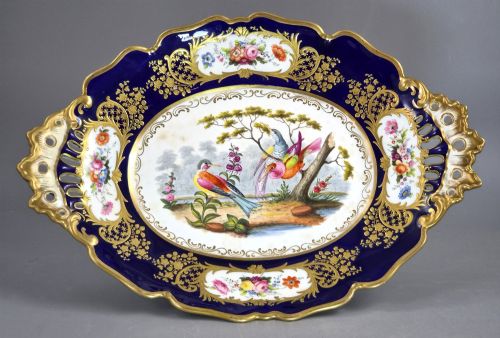
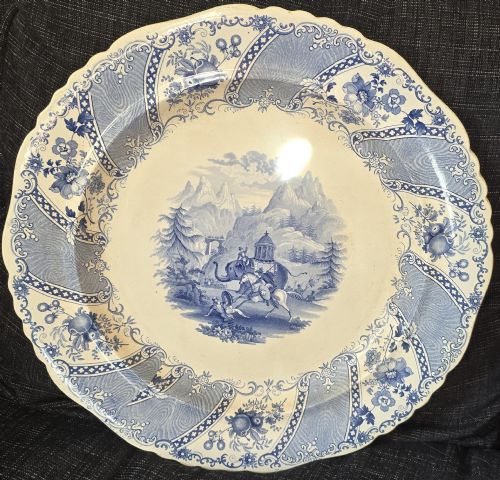
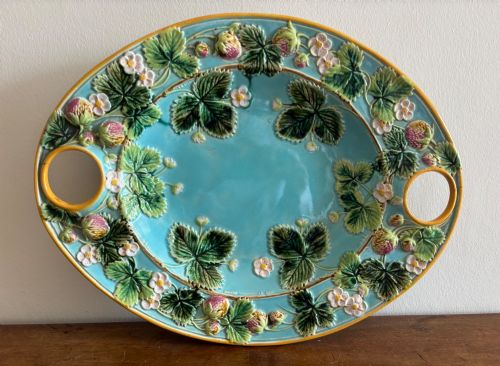
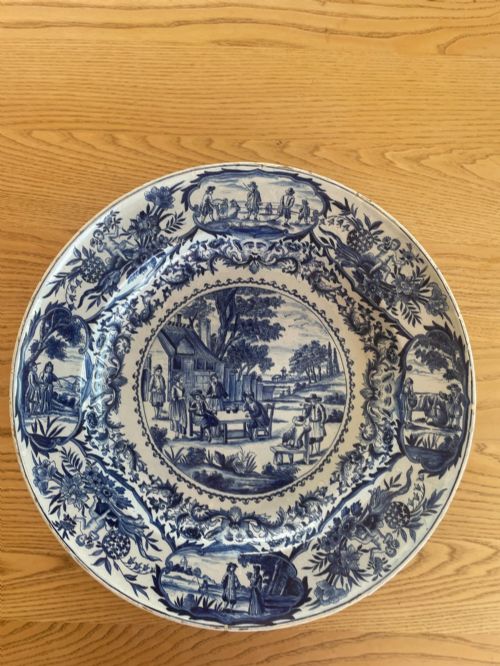
These vintage ceramic platters span centuries of tableware design, offering generous proportions and hand-painted detail for everyday presentation or display.
Vintage Ceramic Platter
When you search for a vintage ceramic platter, you encounter a diverse range of serving dishes, chargers, and meat platters produced across British, European, and Asian workshops. These forms encompass large oval meat platters, deep cheese dishes, and broad decorative chargers designed to command attention on a sideboard or dining table.
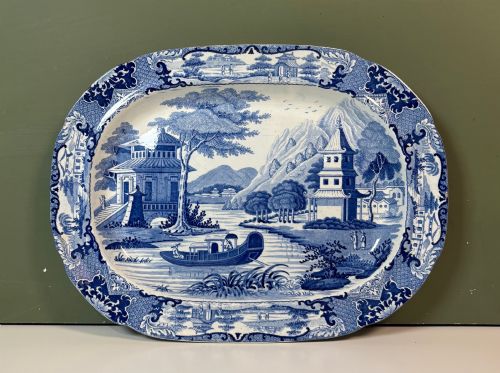
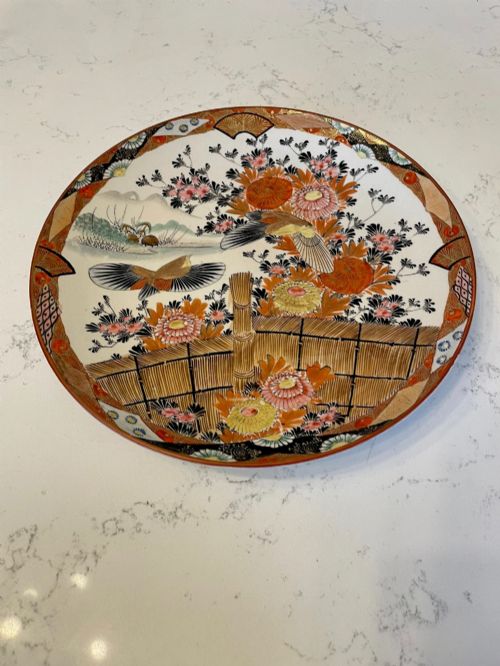
The selection on this page draws primarily from nineteenth-century production alongside eighteenth-century Delftware and early twentieth-century creations. Pieces range from transfer-printed English earthenware to hand-painted Japanese Imari porcelain and French faience.
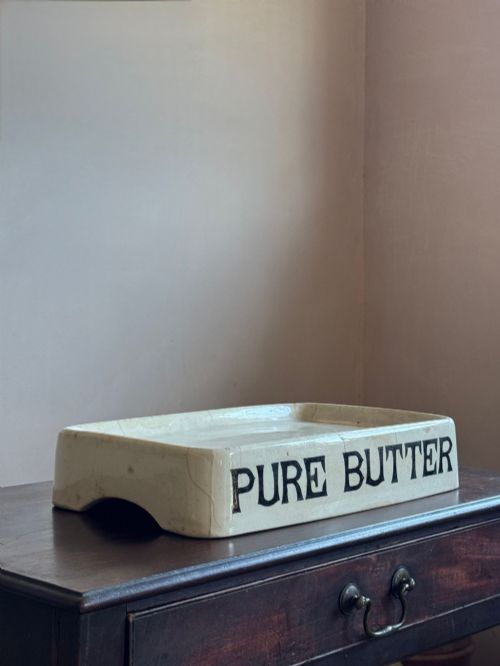
Functional serving pieces sit alongside purely decorative chargers intended for wall display or cabinet presentation. Buyers find everything from utilitarian meat plates to elaborate scalloped trays and dessert dishes.
How They Were Made
Potters shaped these vessels using earthenware, porcelain, and creamware bodies, often throwing them on a wheel or pressing them into moulds. Earthenware provided a porous, opaque base suited for tin-glazing or transfer-printing, whilst porcelain offered a hard, translucent finish capable of holding intricate underglaze pigments.
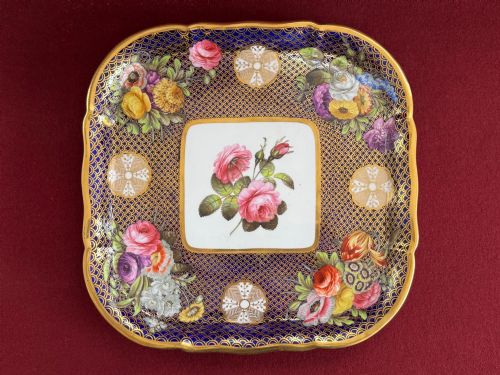
Decoration relied on hand-painting with mineral pigments, blue and white transfer printing, and tin-opacified glazes like faience and Delft. Artisans sometimes applied gold leaf, gilt, or enamels over the fired glaze to add metallic highlights and vibrant colour accents.
Vintage Ceramic Platter Retail Price Guide 2026
Typical asking prices for vintage ceramic platter among the pieces listed under this phrase on Sellingantiques today, from the lower quarter to the upper quarter. They describe what is for sale here now, not the wider market.
Listings feature items from the eighteenth, nineteenth, and early twentieth centuries, spanning periods from Victorian to Japanese Meiji.
What Varies in Quality
The standard of a platter rests upon the crispness of the transfer print or the dexterity of the hand-painted brushwork. Superior examples display confident, detailed pigments and well-balanced compositions without smudging or firing distortions.
The weight and purity of the ceramic body also distinguish finer pieces, alongside the preservation of original gilding and enamel colours. Superior potting shows balanced proportions and clean foot rims, whereas simpler utilitarian items display heavier walls and utilitarian glazes.
Royal Crown Derby·Coalport·George Jones·Hicks And Meigh·John Rogers And Son·Royal Doulton·Minton
The Vintage Ceramic Platter Glossary
- Charger
- A large decorative plate or platter traditionally used for ceremonial dining or placed beneath other courses. These wide vessels often feature elaborate hand-painted scenes or borders.
- Delft
- Tin-glazed earthenware originating in the Netherlands and England during the seventeenth and eighteenth centuries. It typically presents blue and white or polychrome decoration over an opaque white glaze.
- Transferware
- Pottery decorated by applying a printed design from an engraved copper plate onto tissue paper, which was then transferred onto the unglazed or bisque ceramic body. This technique allowed for intricate, repeating pictorial scenes.
- Imari
- Japanese porcelain decorated in underglaze blue, iron red, and gilt, highly sought after by European collectors. The style originated in Arita and was widely imitated by Western factories.
Vintage Ceramic Platter: Frequently Asked Questions
Can I use an antique platter for serving food?
Many of these platters were made for domestic dining and function well for serving dry foods. Consider the glaze condition and age before serving moist or acidic dishes.
Earthenware and porcelain from the nineteenth century are generally robust enough for occasional table use, though hand-washed care preserves the surface decoration.
What is the difference between a platter and a charger?
Platters are traditionally oval or oblong vessels designed specifically for serving meats and side dishes at the table. Chargers are typically large, round plates used historically as base plates or purely for display.
Both forms offer generous surfaces for painted or printed decoration.
How do I date a blue and white transfer platter?
Dating relies on maker marks, registry stamps, and the specific style of the pictorial border and central scene. Early nineteenth-century examples often feature deep cobalt tones and specific earthenware bodies.
Reference books and pottery guilds provide comprehensive databases for matching backstamps to exact active decades.