




Vintage Ceramic Lion
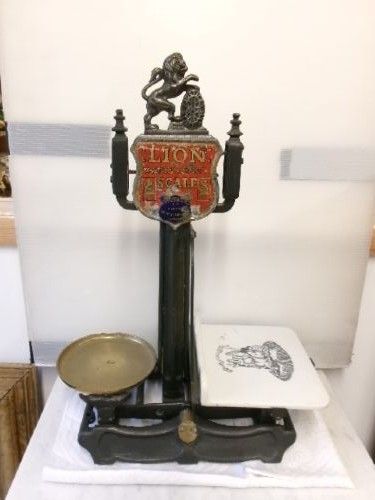
These vintage ceramic lion figures and sculptures bring fierce character to a room, ranging from Staffordshire mantle ornaments to Italian garden terracottas.
Vintage Ceramic Lion
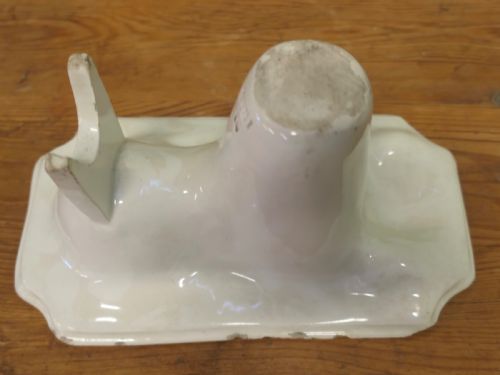
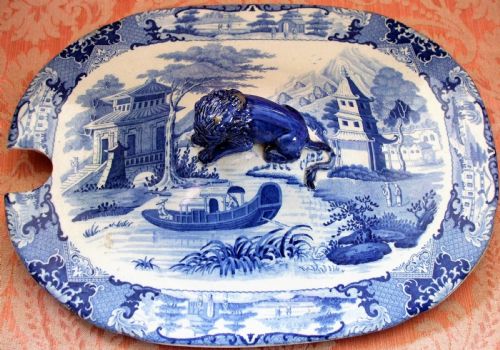
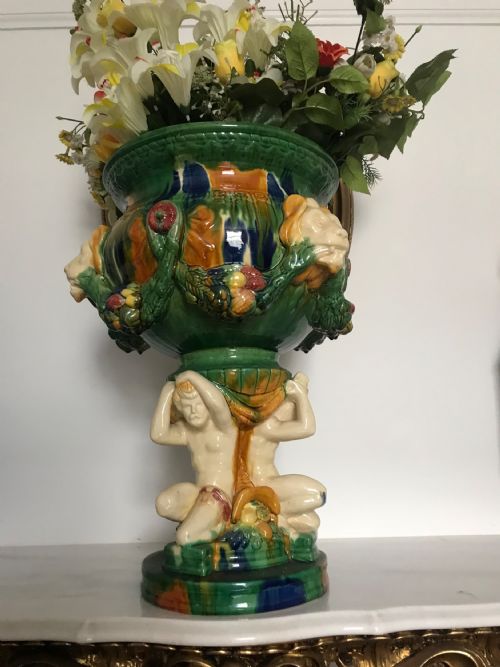
When you search for a vintage ceramic lion, you encounter a surprisingly broad array of objects spanning Staffordshire earthenware, Italian terracotta garden ornaments, and glazed planters. These pieces serve as decorative focal points, taking the form of mantel figurines, bookends, large garden sculptures, and table lamps.
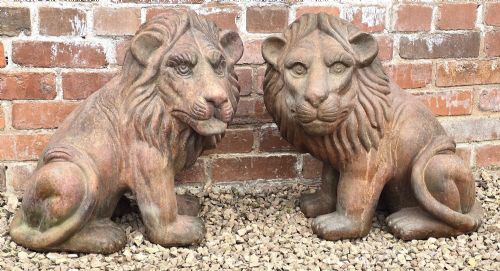
The Staffordshire earthenware versions are the most common variants on this page, typically modelled as seated pairs with glass eyes and glazed coats. Alongside these domestic mantel ornaments, larger architectural and garden terracottas from Italian and English makers appear regularly.
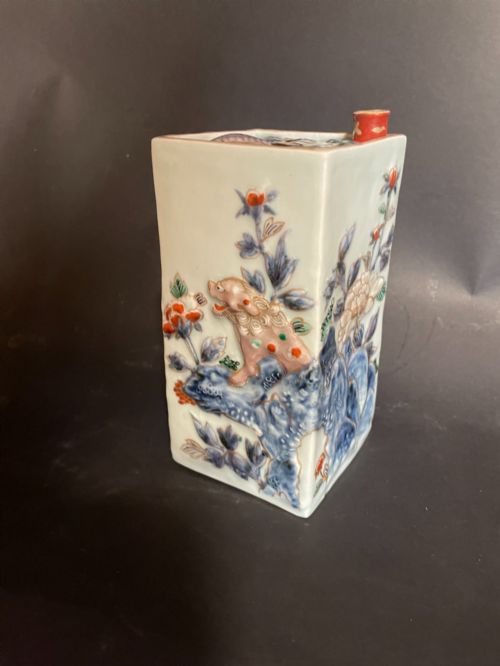
The selection also encompasses related guardian figures such as Chinese porcelain Foo dogs and Shi lions from the Qing period, broadening the aesthetic from traditional European heraldry to Eastern symbolic sculpture.
How they were made
Makers shaped these pieces using earthenware, terracotta, and porcelain, applying various coloured glazes, enamel, or salt glaze finishes before kiln firing. Terracotta examples like the Italian garden lions were often hand-sculpted or press-moulded in sections before drying and firing.
Staffordshire earthenware lions relied on slip casting or pressing into multi-part moulds, followed by hand-painted details under or over the glaze. Porcelain Foo dogs and blanc de chine lamps utilised fine white clay bodies finished with translucent or coloured enamel glazes.
Vintage Ceramic Lion Retail Price Guide 2026
Typical asking prices for vintage ceramic lion among the pieces listed under this phrase on Sellingantiques today, from the lower quarter to the upper quarter. They describe what is for sale here now, not the wider market.
Listings feature pieces from the seventeenth to the twentieth century, spanning earthenware, terracotta, and porcelain.
What varies in quality
Surface finish also dictates quality, distinguishing finely hand-painted Staffordshire enamel markings or rich copper lustre glazes from flat, uniform factory applications.
Robert Hamilton·Lancaster and Sons of Hanley·Meissen
The Vintage Ceramic Lion Glossary
- Staffordshire
- Pottery manufactured in the Staffordshire region of England, famous for domestic mantel figures and jelly moulds produced during the Victorian era.
- Terracotta
- Fired unglazed or glazed clay of a brownish-red colour, commonly utilised for large garden sculptures and architectural planters.
- Foo Dog
- Traditional Chinese guardian lion sculpture, frequently rendered in porcelain, enamel, or blanc de chine.
- Jelly Mould
- A kitchen ceramic vessel with an indented interior design, allowing set jellies or blancmanges to take the shape of an animal when inverted.
- Salt Glaze
- A vitreous coating of orange-peel texture formed by throwing common salt into the kiln during high-temperature firing.
Vintage Ceramic Lion: Frequently Asked Questions
How do I date a ceramic lion?
Dating relies on stylistic markers, clay composition, and glaze characteristics typical of periods like the Victorian era or the nineteenth century. Examining the base and manufacturing marks provides further clues to age.
Pottery techniques changed over time, moving from early earthenware bodies with hand-applied enamels to later industrial casting methods and salt glazing.
Where were Staffordshire lions placed?
Victorian Staffordshire lions were traditionally displayed in pairs on mantelpieces, flanking a clock or placed proudly on either side of a fireplace.
Their outward gaze meant they looked inwards toward the hearth, serving as symbols of strength and domestic protection in British homes.
Can terracotta lions stay outside?
Large terracotta lion sculptures are generally robust enough for outdoor placement in mild climates, provided they are protected from hard winter freezes.
Moisture absorbed into the porous clay can expand during frost and cause cracking, so many owners bring garden terracottas indoors or under cover for the winter months.
What is a blanc de chine lion?
Blanc de chine refers to a specific type of white porcelain originating from China, featuring a smooth, milky glaze over a fine white body.
When moulded as guardian lions or Foo dogs, this monochrome glaze highlights the sculptural form without the distraction of bright colours.