



Vintage Ceramic Lighting
Vintage ceramic lighting brings substance to a room, combining fired earth with the soft glow of domestic illumination.
Vintage Ceramic Lighting
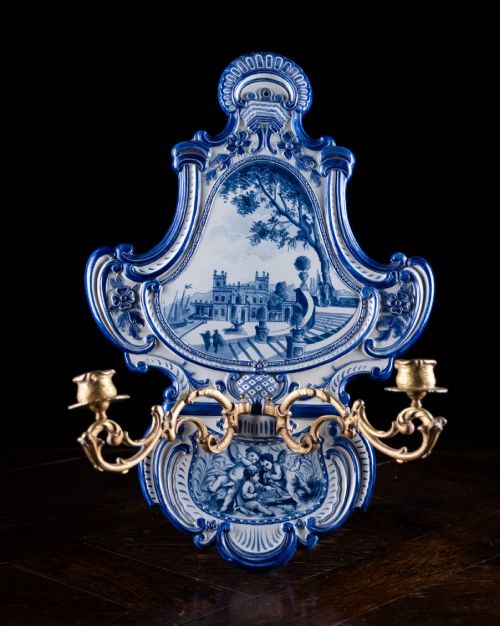
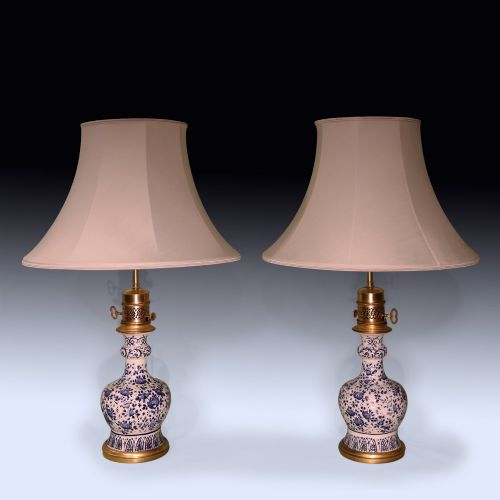
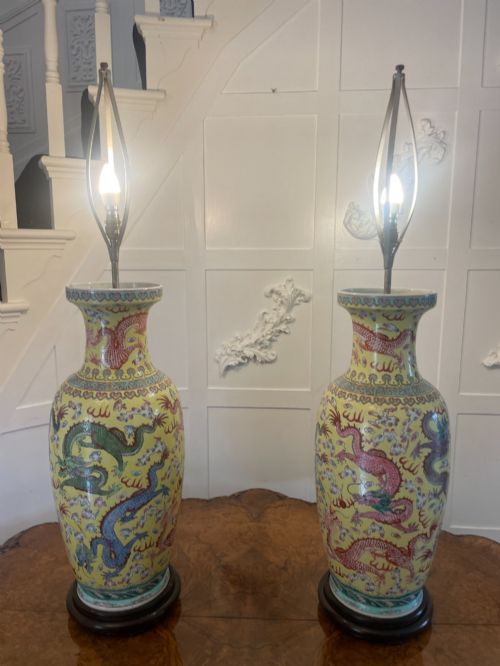
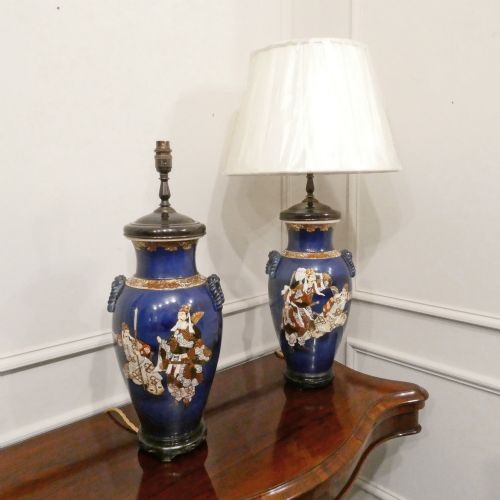
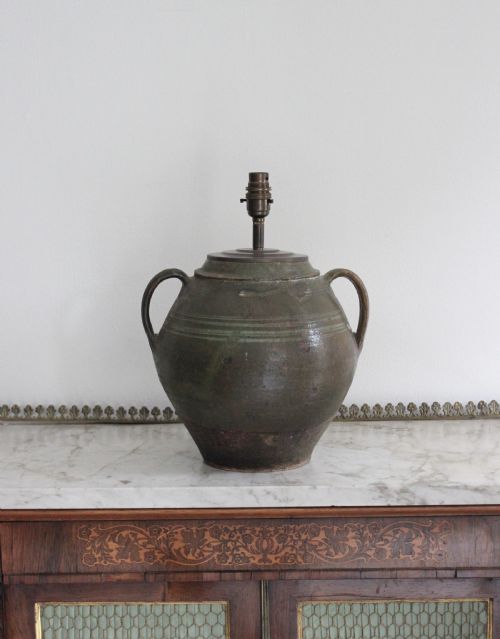
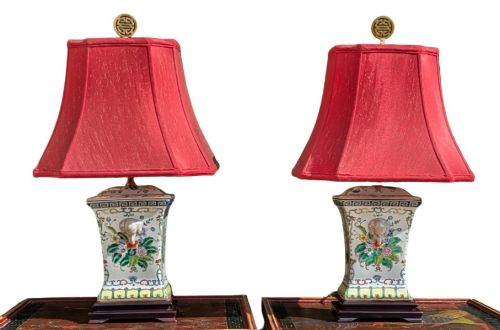
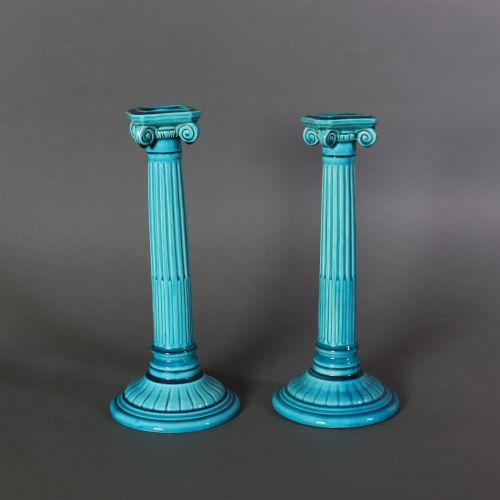
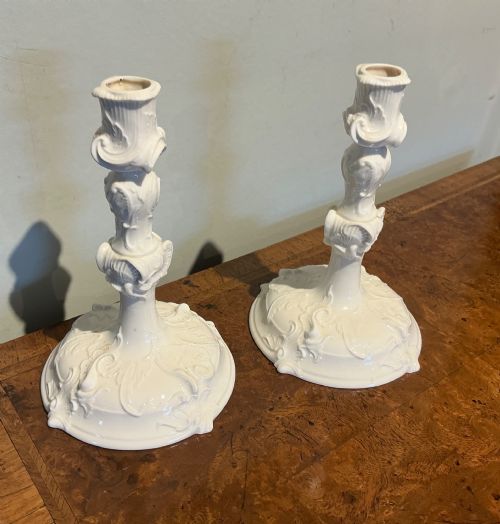
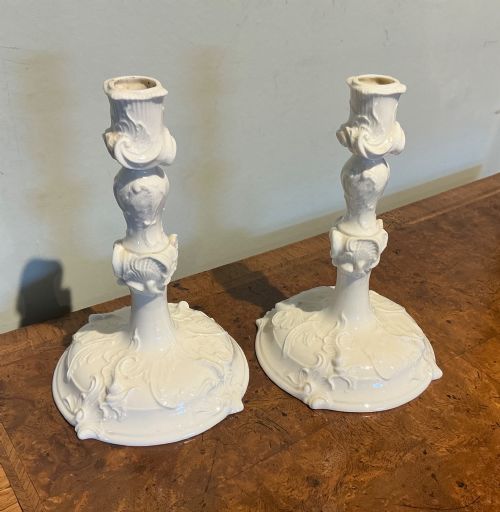
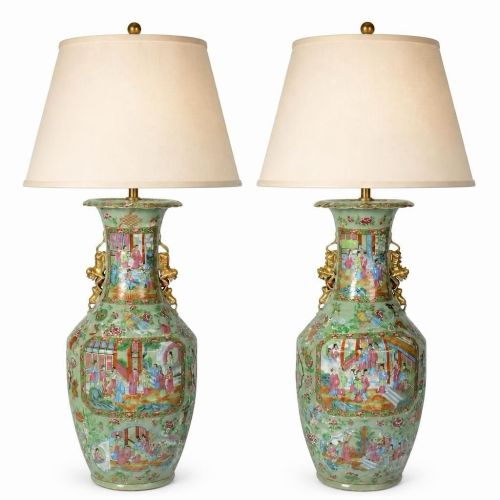
Vintage ceramic lighting comprises lamps, candlesticks, wall sconces and chandeliers formed from clay, porcelain, earthenware and stoneware, often adapted from earlier vessels or manufactured specifically to hold oil or electrical fittings. When buyers search for vintage ceramic lighting, they encounter pieces ranging from nineteenth-century Chinese porcelain vase lamps and Japanese Satsuma pieces to European faience and English stoneware.
The selections span stylistic epochs from the eighteenth century through the Victorian, Edwardian, Art Nouveau and Art Deco periods. Table lamps and converted vases dominate the selection, alongside wall lights and figural bases modelled as animals or human figures.
How they were made
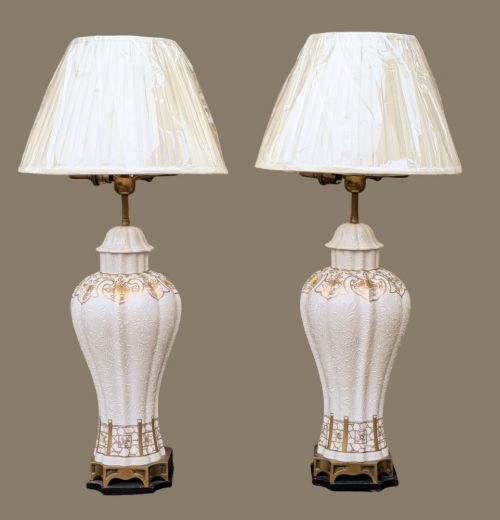
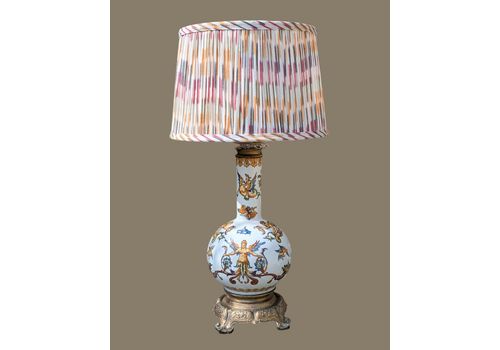
Potters shaped these bodies using porcelain, earthenware, or ironstone, glazing the surfaces with blue and white, turquoise, celadon, or polychrome enamel colours before firing. Many items incorporate metal elements such as brass mounts, ormolu, and gilt bronze trim to secure the ceramic components and form the bases for burners or lamp fittings.
Makers utilised hand-blown glass for shades, fabric for shades, and occasionally wood or enamel details to complete the assembly of oil lamps and early electrical fixtures.
Vintage Ceramic Lighting Retail Price Guide 2026
Typical asking prices for vintage ceramic lighting among the pieces listed under this phrase on Sellingantiques today, from the lower quarter to the upper quarter. They describe what is for sale here now, not the wider market.
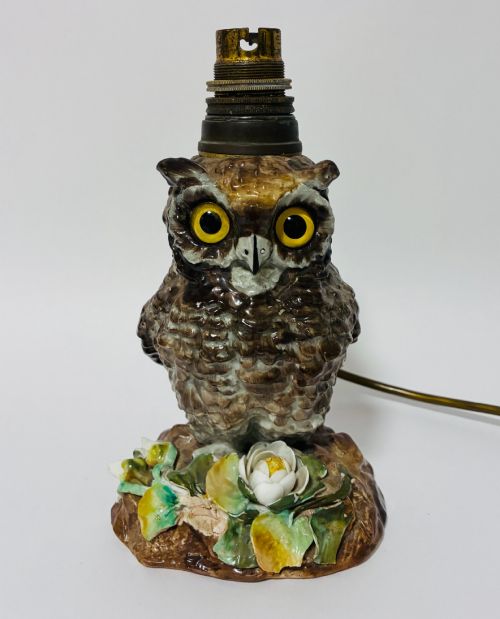
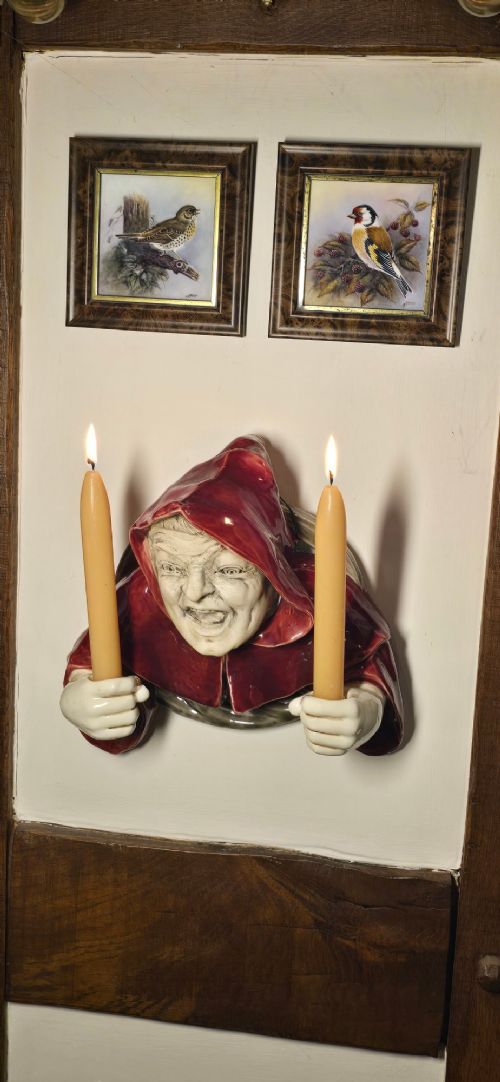
Dogs, monks, and owls join the ranks of vases and chandeliers, proving past lighting designers loved a whimsical ceramic creature.
What varies in quality
The distinction between ordinary and superior pieces rests on the crispness of the ceramic moulding, the depth of the glaze, and the artistic merit of hand-painted or enamelled decoration. Pieces originating from established potteries or factories demonstrate superior thermal control during firing and finer detailing in relief work.
Integration of the metal mounts, such as ormolu or cast brass, also dictates the standard of the object, with well-matched components and substantial weight separating standard production items from exceptional workshop examples.
Burmantofts Faience·Villeroy and Boch·Royal Doulton·Royal Worcester·Sitzendorf·Meissen·Moorcroft·Hicks and Meigh·Nymphenburg
The Vintage Ceramic Lighting Glossary
- Faience
- Tin-glazed earthenware produced across Europe, known for opaque white surfaces that accept painted decoration before a final glaze firing.
- Ormolu
- Gilt bronze mounts applied to furniture, ceramics, and lighting to add decorative enrichment and structural support.
- Pate sur pate
- A ceramic technique where layers of liquid clay slip are built up on a dark body to create a low relief cameo effect.
- Satsuma
- Japanese pottery characterised by an ivory-coloured crackle glaze decorated with fine enamel and gilt patterns.
Vintage Ceramic Lighting: Frequently Asked Questions
How do I wire a converted vase lamp?
Wiring a converted vase lamp requires running a cord through the existing aperture without drilling new holes into the ceramic body. Many pieces retain older fittings that need modern rewiring to meet current safety standards.
Employ a qualified electrician to ensure the internal brass components and lamp holders securely fit the ceramic neck without placing pressure on the antique material.
Are these lamps safe for daily use?
These lamps function reliably in modern interiors provided the electrical hardware, plugs, and internal wiring have been recently updated. The ceramic bases themselves remain structurally sound after a century or more of domestic use.
Check the cord and bulb holder periodically to confirm the installation meets modern domestic electrical requirements.
How do I clean ceramic lamp bases?
Clean ceramic surfaces gently using a dry microfibre cloth or a slightly damp sponge for glazed areas. Avoid harsh chemical cleaners that might damage hand-painted enamel or gilt details.
Keep moisture away from any metal mounts or electrical entry points to prevent corrosion or damage to the internal wiring.
Can I replace the lampshades?
Replacing lampshades allows you to adjust the height and colour balance of the light to suit your interior space. Ensure the shade carrier matches the original proportions of the ceramic base.
Select fabric or glass shades that reflect the period style of the lamp, whether Edwardian, Art Deco, or Victorian.