


Vintage Ceramic Lady
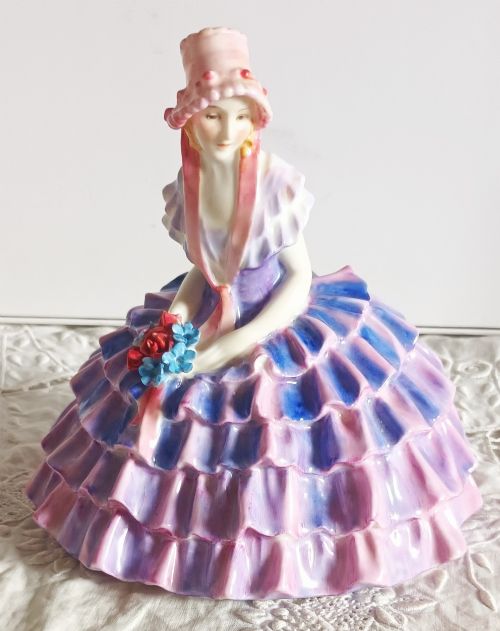
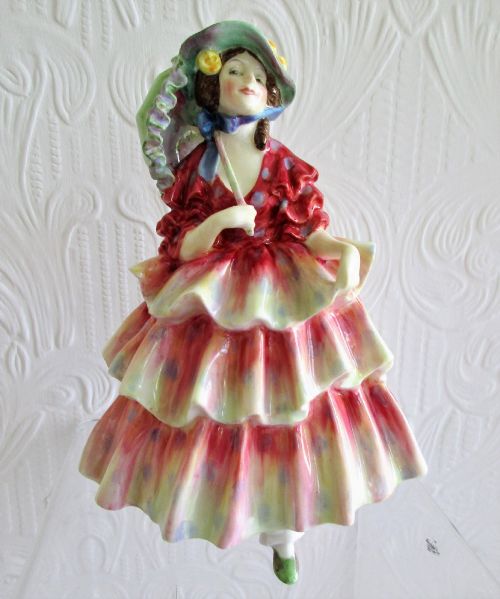
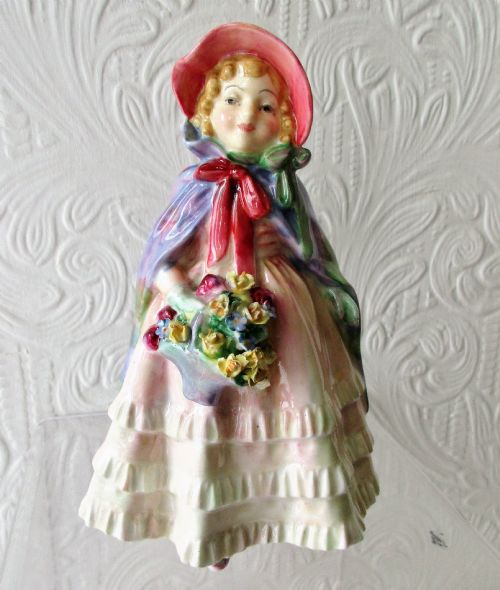
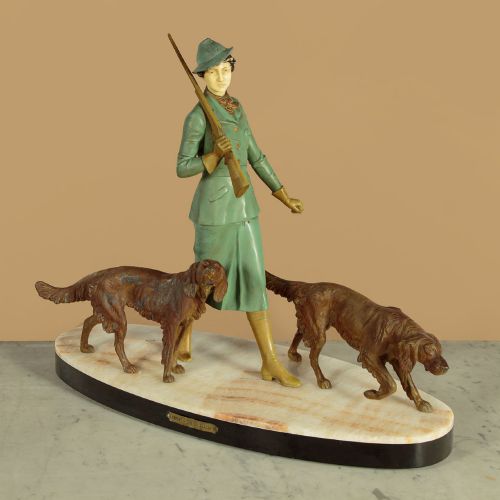
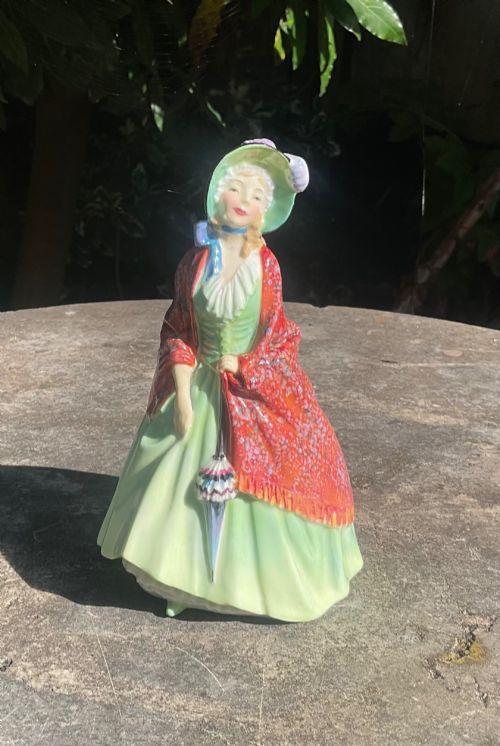
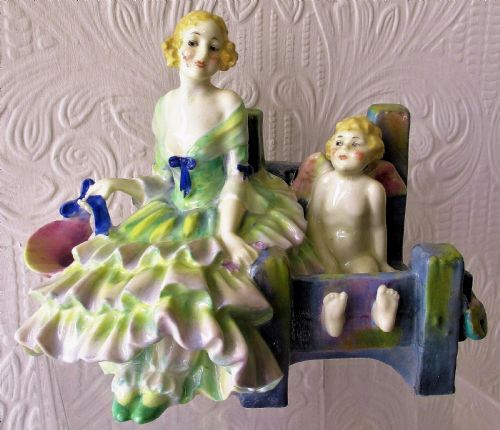
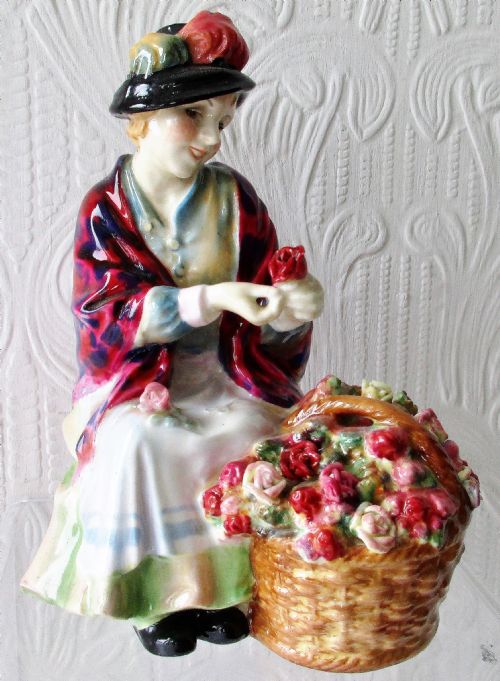
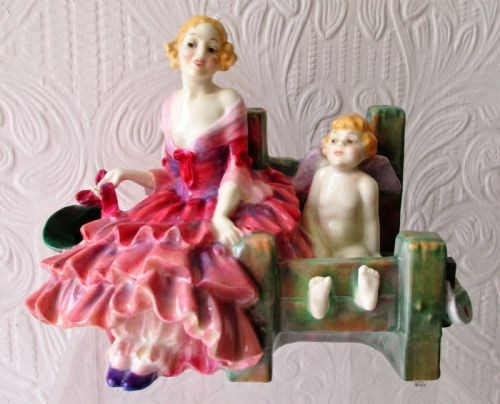
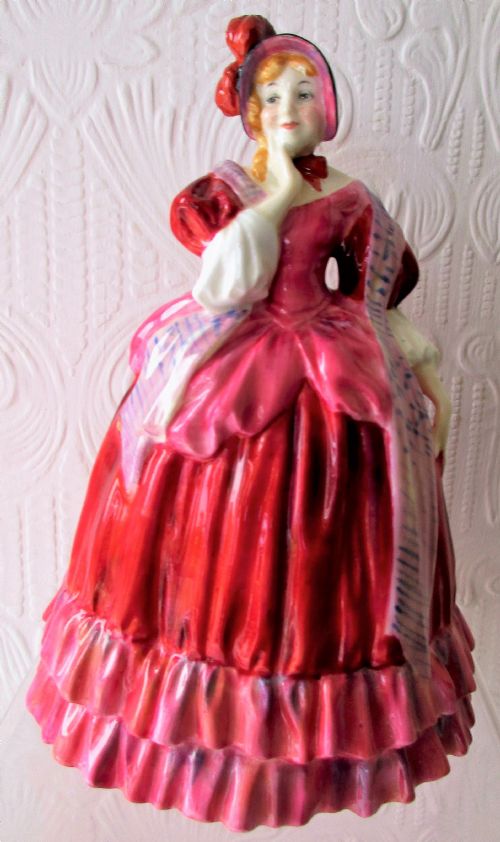
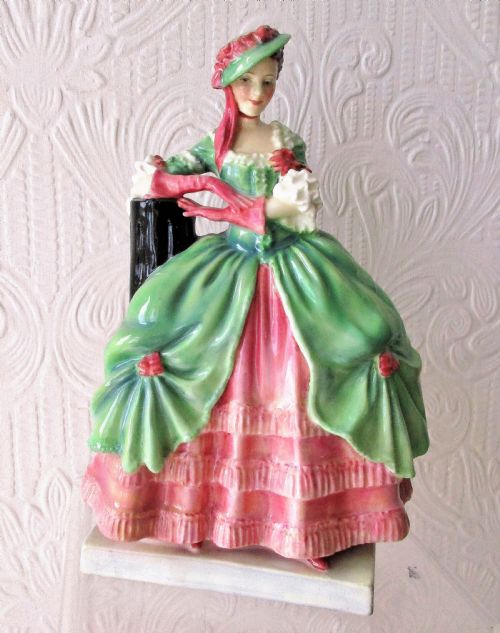
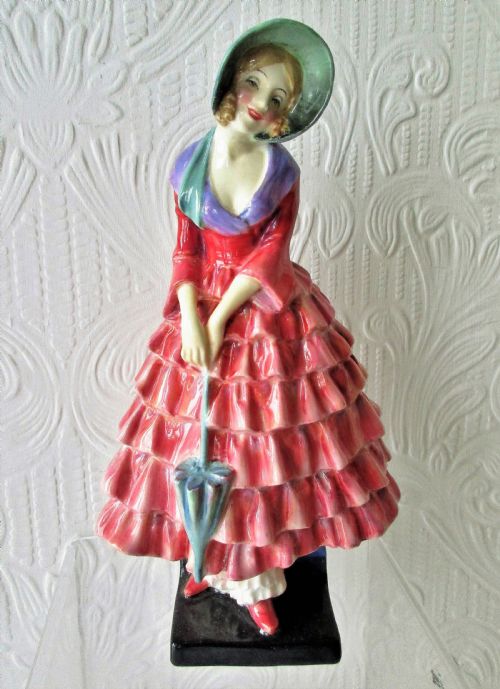
When you handle a vintage ceramic lady, you are holding sculpted porcelain or earthenware that captures feminine form across changing decorative eras.
Vintage Ceramic Lady
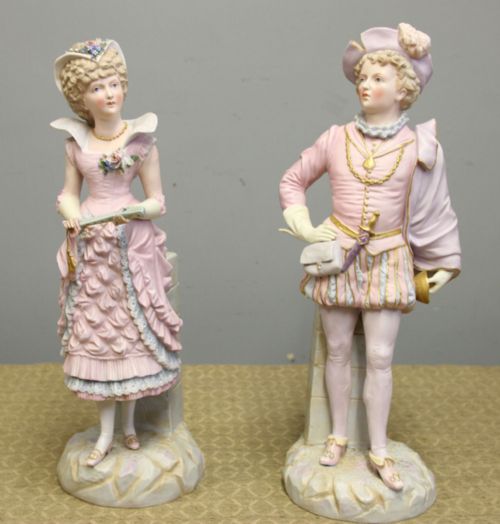
A vintage ceramic lady search brings together sculpted female figures, decorative powder bowls, and vanity accessories created from ceramic, porcelain, and bone china. These works span multiple periods, ranging from mid-eighteenth century continental porcelain to early twentieth century English earthenware and Art Deco vanity pieces.
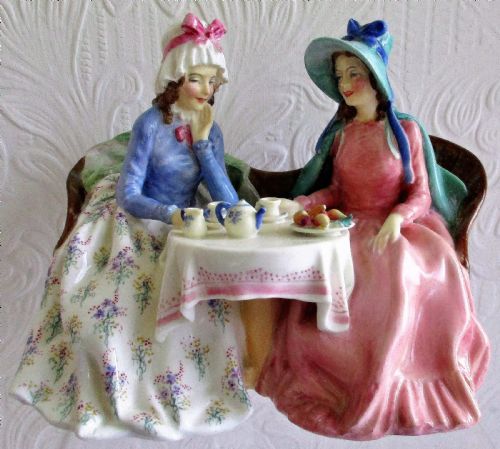
You will most frequently encounter English porcelain figurines from the 1930s, alongside continental Art Deco powder boxes and ceramic half dolls designed for dressing tables. The forms shift from formal eighteenth-century couples and classical maidens to graceful flapper girls and literary heroines produced in the interwar years.
Materials and production methods
The objects are shaped from ceramic, bone china, porcelain, and terracotta, employing slip casting and hand-moulding techniques to form the complex shapes of female garments and hair. Potters apply glazes to seal the porous clay body, sometimes leaving sections as unglazed biscuit porcelain for a matte finish.
Colour is introduced through hand-painted enamel and underglaze pigments, occasionally accented with gold leaf and gilt details on robes and accessories. Firing in high-temperature kilns sets the glaze and vitrifies the ceramic body, fixing the detailed facial expressions and draped fabrics permanently.
Vintage Ceramic Lady Retail Price Guide 2026
Typical asking prices for vintage ceramic lady among the pieces listed under this phrase on Sellingantiques today, from the lower quarter to the upper quarter. They describe what is for sale here now, not the wider market.
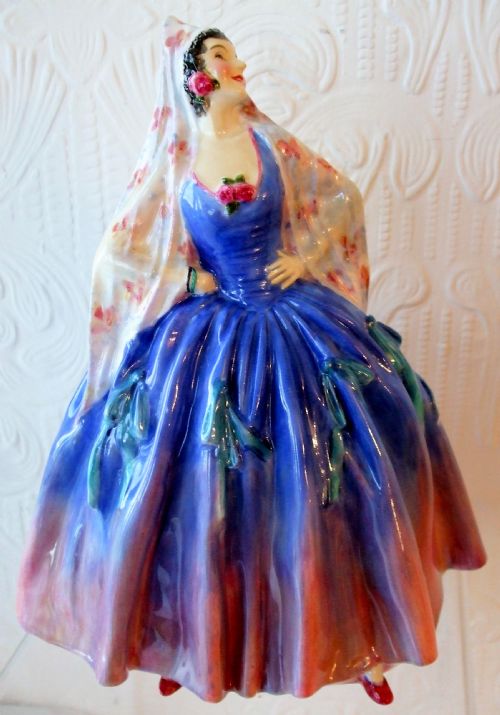
Several ladies spend their retirement emerging from giant hoops or guarding vanity powder.
Markers of superior craftsmanship
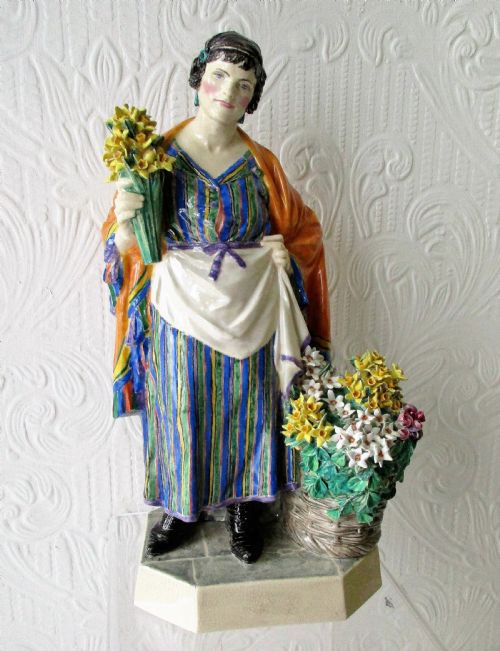
The sophistication of the design dictates the standing of the piece, distinguishing mass-produced vanity items from finely modelled works by established studios and major porcelain factories. Balance, stability, and the successful execution of complex poses such as extended limbs or flowing drapery separate the finest sculptures from simpler forms.
Royal Doulton·Royal Worcester·Royal Dux·Charles Vyse·Meissen·Ludwigsburg·Ernst Wahliss·Georges Morin·Limoges·Samson
The Vintage Ceramic Lady Glossary
- Biscuits
- Unglazed fired porcelain or ceramic that possesses a matte, stone-like texture similar to unpolished marble. This finish is frequently used on nineteenth-century portrait busts and classical figures.
- Bone china
- A type of soft-paste porcelain containing animal bone ash that creates a milky white appearance and high durability. It permits thinner walls and more delicate modelling in twentieth-century figures.
- Half doll
- A bust-length ceramic figure lacking legs, originally manufactured to sit atop a skirt-like fabric cover for powder boxes, whisk brooms, or tea cozies. They are characteristic of the early twentieth century.
- Flapper
- A style icon of the 1920s and 1930s defined by short hair and modern dress, heavily represented in Art Deco ceramic powder jars and perfume sets. These pieces capture contemporary dance and leisure.
- Glaze
- A glassy coating fused to the ceramic body through kiln firing to render the piece waterproof and add sheen. It can range from high gloss to satin or matte finishes.
Vintage Ceramic Lady: Frequently Asked Questions
How were ceramic powder bowls used?
Powder bowls sat upon dressing tables to hold loose cosmetic face powder, featuring a removable lid topped with a sculpted female figure or half doll. Women used powder puffs stored inside the ceramic jar to apply the cosmetic during daily grooming routines.
These vanity accessories combined practical storage with decorative sculpture, often matching perfume sets and trinket boxes on the dressing table. The ceramic material protected the contents from moisture while displaying popular artistic styles of the period.
How do I date a porcelain figure?
Dating relies on identifying factory backstamps, impressed model numbers, and stylistic markers such as clothing silhouettes and glaze types. Twentieth-century pieces frequently bear registration numbers or specific studio monograms on the underside.
Comparing the manufacturing medium, such as bone china versus earthenware, also narrows the production window. Art Deco designs point clearly to the interwar period, while Rococo Revival styles indicate nineteenth-century production.
What is biscuit porcelain?
Biscuit porcelain is ceramic material that has undergone a primary kiln firing but remains unglazed, leaving it with a matte, porous finish. This surface mimics carved marble and highlights fine sculptural details.
Makers utilised this technique for portrait busts and classical figures where glossy glazes might obscure subtle facial expressions. It requires careful handling because the unglazed surface absorbs oils and stains more readily than sealed porcelain.
Where were these figures made?
Production centres spanned England, France, Germany, and other European regions, with each country developing distinct regional specialties and porcelain recipes. English potteries focused heavily on refined bone china figures, while continental workshops produced striking Art Deco earthenware.
Local clays and traditional firing methods gave each manufacturing area a recognizable weight and finish. Factory marks stamped into the ceramic base often pinpoint the exact city or workshop of origin.
How should I display ceramic ladies?
Display these figures on stable shelves or inside cabinets away from high-traffic edges where accidental knocks might occur. Adequate lighting highlights the hand-painted enamel details and glazed surfaces of the porcelain.
Keep them out of direct sunlight to prevent fading on hand-coloured garments and gold leaf accents. Placing vanity bowls and trinket boxes on bedroom dressers maintains their original domestic context.