


Vintage Central Persian Carpet
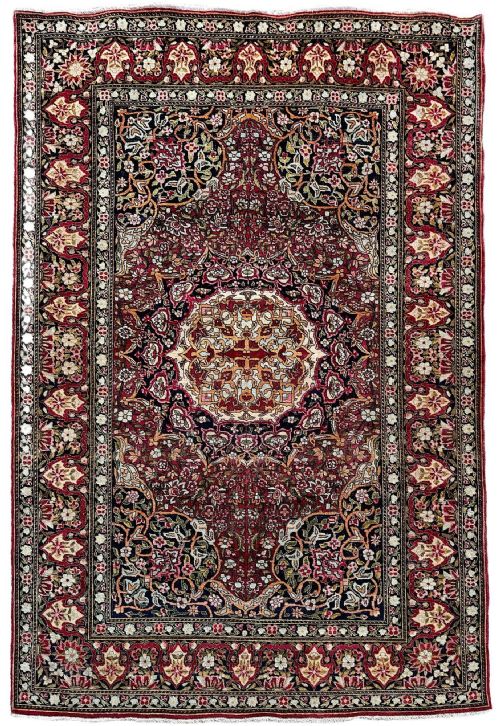
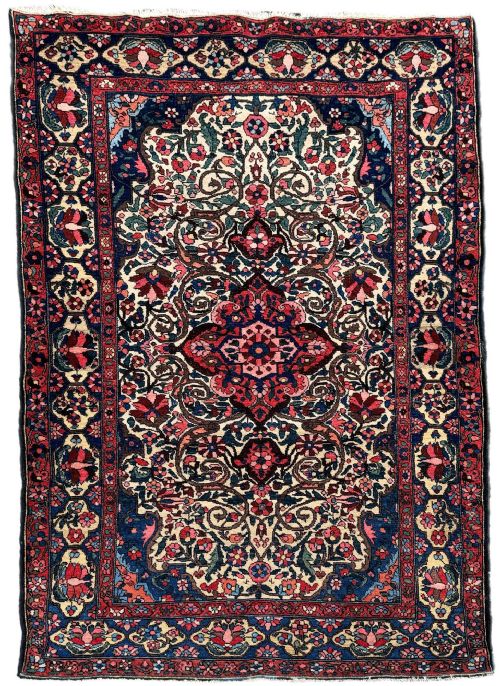
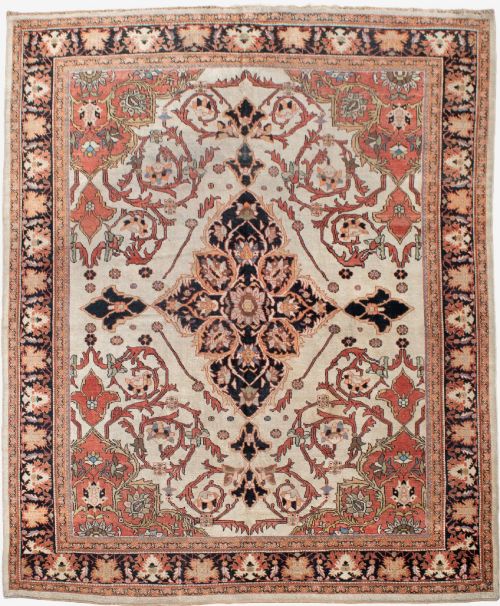
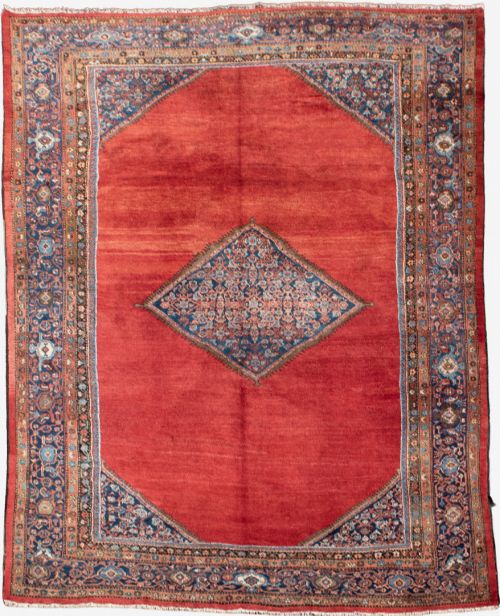
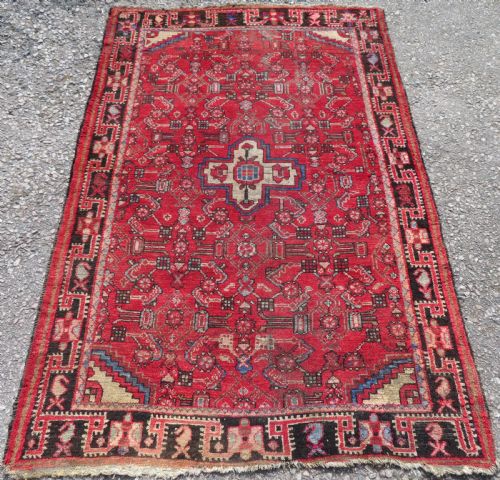
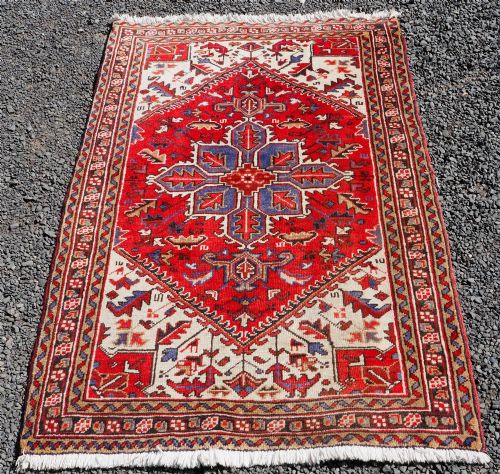
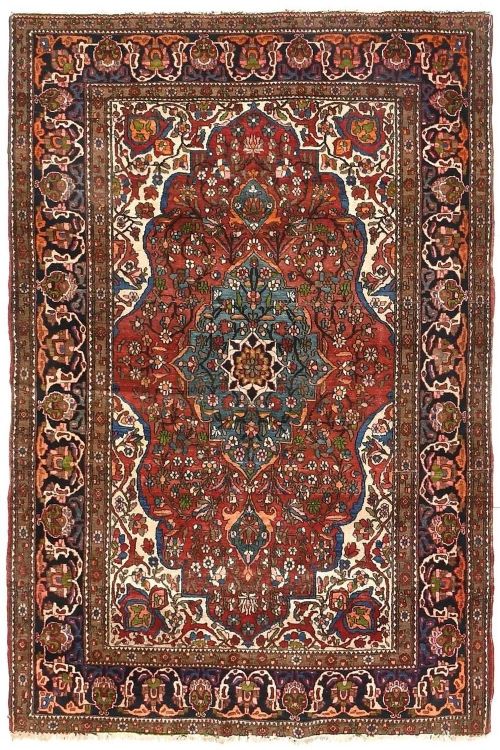
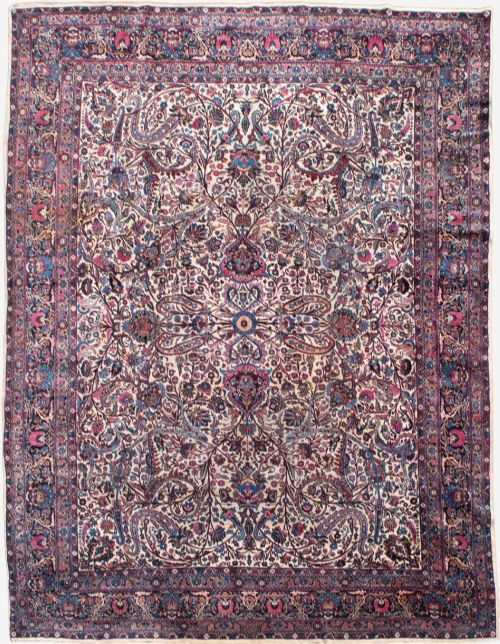
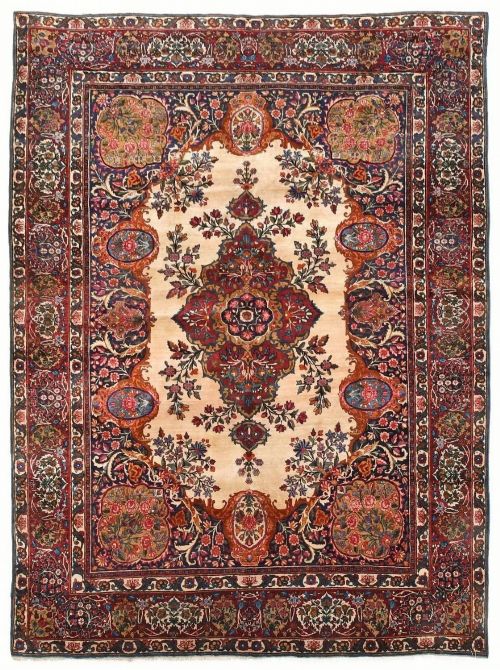
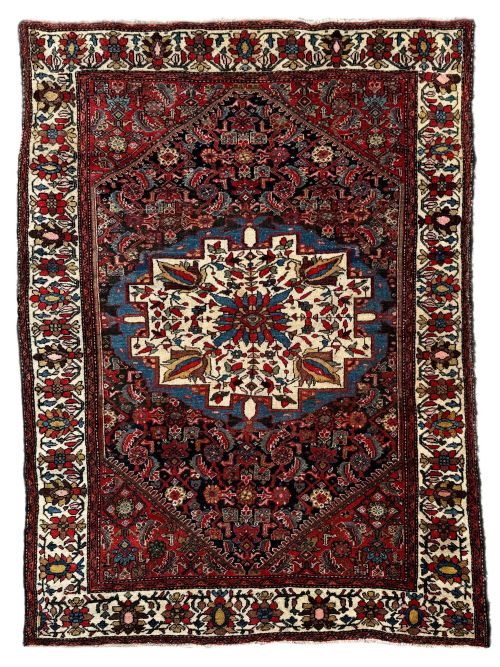
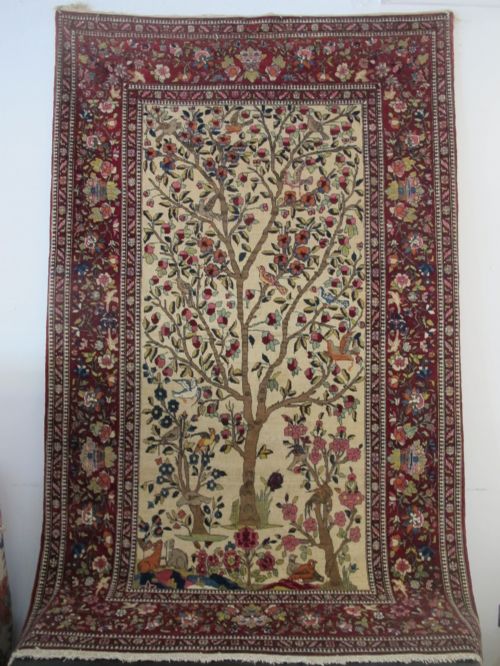
A vintage central persian carpet brings dense floral motifs and intricate medallion work into a room.
Vintage Central Persian Carpet
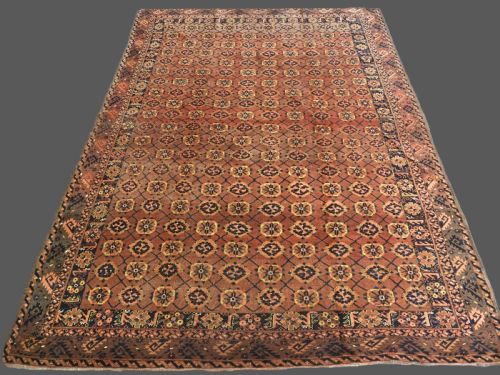
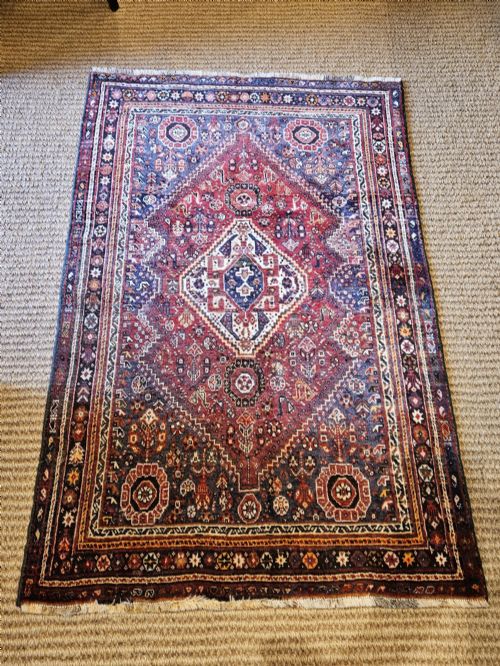
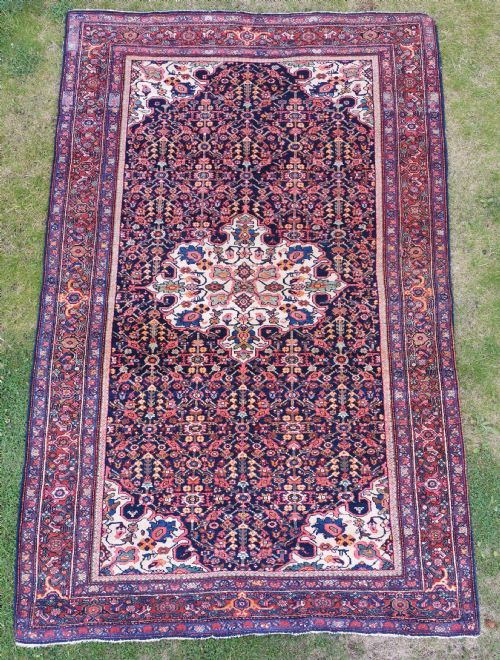
A vintage central persian carpet represents a diverse tradition of woven artistry originating from historic urban centres and regional weaving communities across Persia. When searching for a vintage central persian carpet, buyers encounter specific regional identifiers such as Isfahan, Kashan, Tabriz, and Kirman, each displaying distinct design vocabularies.
The selections visible here span from the late nineteenth century through to the mid-twentieth century, encompassing both room-sized floor coverings and smaller formats. Many examples reflect traditional village or city workshops, demonstrating the varied aesthetics preserved across different Persian provinces.
Materials and construction
These textiles rely predominantly on wool pile foundation structures supported by cotton warps and wefts, while select urban pieces incorporate fine silk elements. Artisans utilised natural dyes to achieve deep colour palettes dominated by rich reds, blues, and neutral earth tones.
The knotting technique varies from fine, tightly packed Persian knots in city workshops to slightly more relaxed structures found in tribal and village pieces. This meticulous hand-knotting ensures durability alongside intricate pattern definition.
The listings encompass nineteenth-century items alongside twentieth-century productions up to the 1940s, featuring wool, cotton, and silk materials.
Distinguishing fine examples
Quality in these carpets rests upon knot density, the precision of the curvilinear or geometric drawing, and the depth of the dye palette. Higher-grade workshop pieces display exceptionally fine knot counts that permit complex, highly detailed floral and medallion compositions.
The choice of wool also influences the handle and longevity, with superior fleeces providing a softer lustre and greater resilience against wear. Furthermore, the vibrancy and consistency of natural dyes separate standard utility weaving from master-weaver productions.
Ahmadi Isfahan
The Vintage Central Persian Carpet Glossary
- Medallion
- A central ornamental motif, often symmetrical, placed in the middle of the carpet field. It serves as the primary focal point in many classic Persian designs.
- Warp
- The stationary vertical threads stretched across the loom prior to knotting. The horizontal weft threads are beaten down across these warps to secure the knots.
- Weft
- The horizontal threads passed back and forth between the warp threads to bind the rows of knots in place. They contribute significantly to the structural stability of the rug.
- Pile
- The raised surface of the carpet formed by the cut ends of the knotted yarn. Pile height and density dictate the tactile feel and visual richness of the textile.
- Natural dye
- Colouring agents derived from plants, insects, and minerals rather than synthetic chemical compounds. These dyes yield rich, complex tones that age gracefully over time.
Vintage Central Persian Carpet: Frequently Asked Questions
What defines a central Persian carpet?
A central Persian carpet originates from traditional weaving hubs situated in the middle regions of Persia, such as Isfahan, Kashan, and Nain. These pieces typically feature sophisticated floral compositions or balanced medallion designs.
Makers in these areas often employed refined city workshops that produced tightly knotted textiles using wool, cotton, and occasionally silk.
How do I care for an old wool rug?
Gentle vacuuming without a rotating brush roll helps remove grit that can damage the wool fibres over time. Professional cleaning tailored to antique textiles preserves the natural dyes and pile.
Keeping the carpet out of direct, prolonged sunlight prevents the natural colours from fading unevenly across the room.
How do I tell different regional styles apart?
Regional styles reveal themselves through distinct design motifs, colour combinations, and knotting densities. For instance, Kirman carpets often display expansive floral fields, whereas Tabriz pieces frequently utilise crisp, classical medallions.
Studying the border patterns and background palettes helps attribute a carpet to a specific weaving town or province.
Can I place these carpets in high traffic areas?
Sturdy wool construction on cotton foundations allows many traditional room-sized carpets to withstand moderate walking traffic. Placing a quality underlay beneath the rug reduces friction and adds cushioning against hard floors.
Very delicate silk-accented pieces or extremely fine antique examples warrant placement in lower-traffic settings to protect their intricate structures.