


Vintage Ceiling Fixture
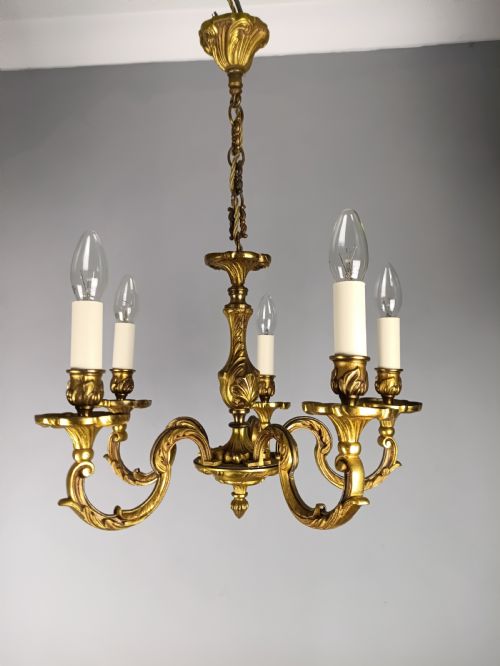
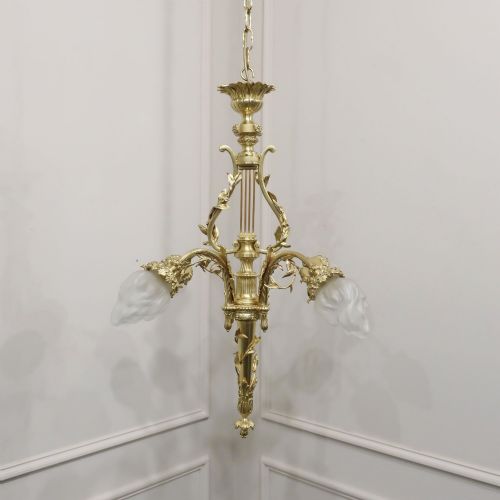
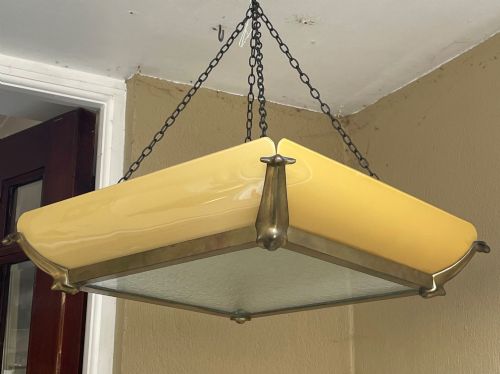
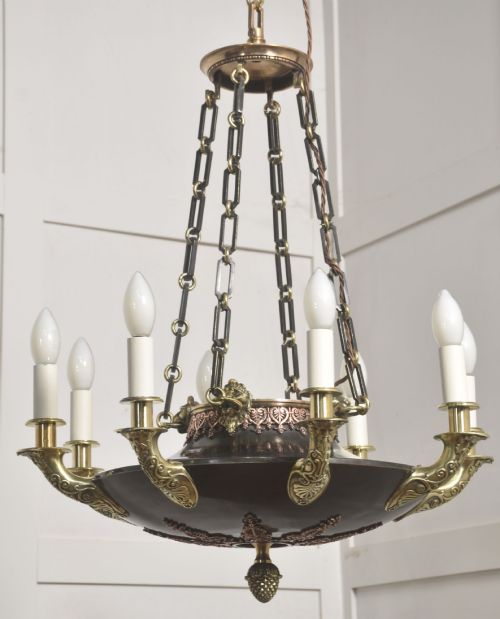
These vintage ceiling fixture designs range from French gilt bronze chandeliers to Edwardian cut glass plafonniers, illuminating rooms with period character.
Vintage Ceiling Fixture
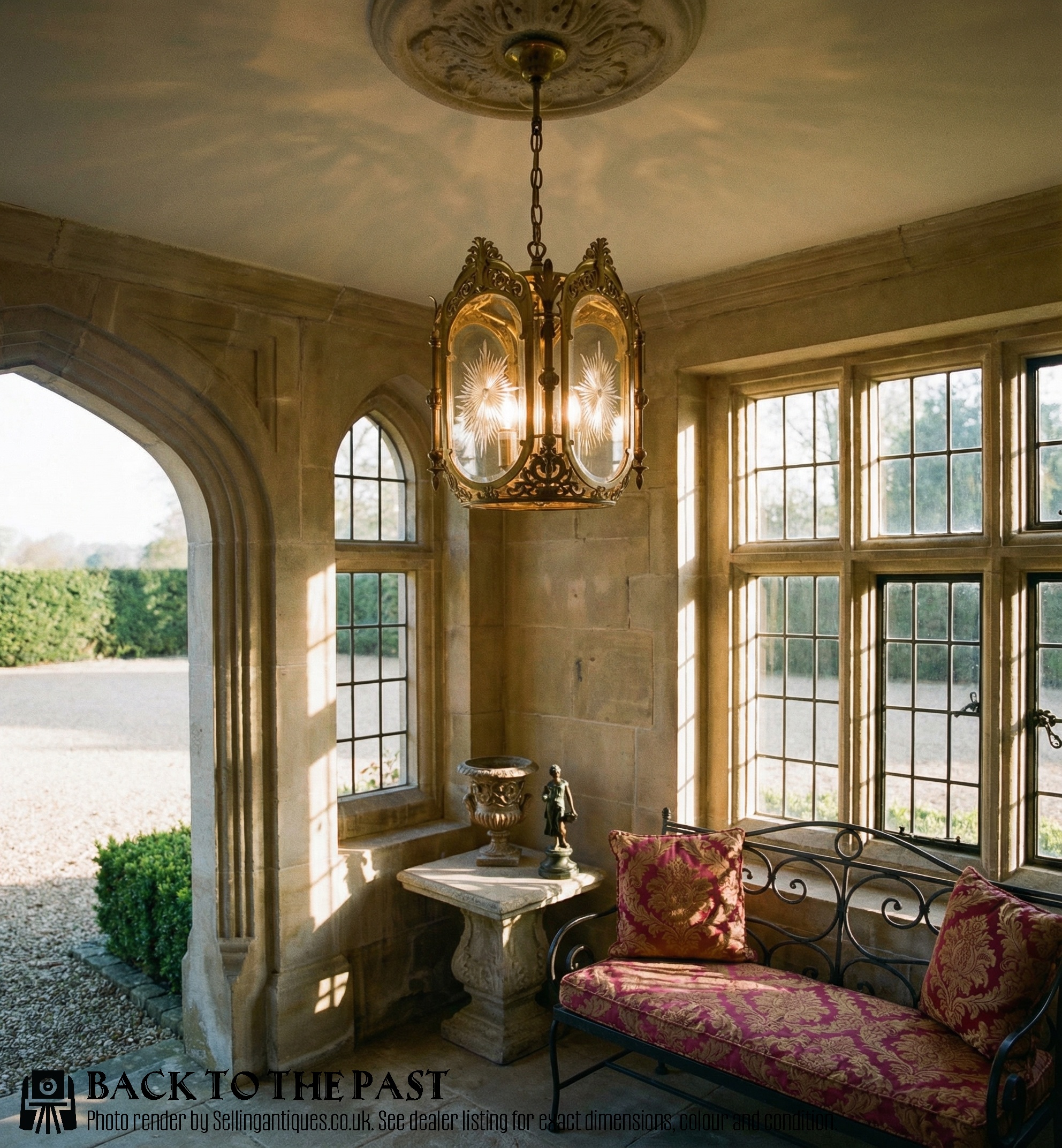
A vintage ceiling fixture encompasses lighting forms suspended from above, including chandeliers, pendant lights, hall lanterns and ceiling lights. When searching for a vintage ceiling fixture, buyers encounter pieces spanning the nineteenth century, the Edwardian era, and the 1920s and 1930s.
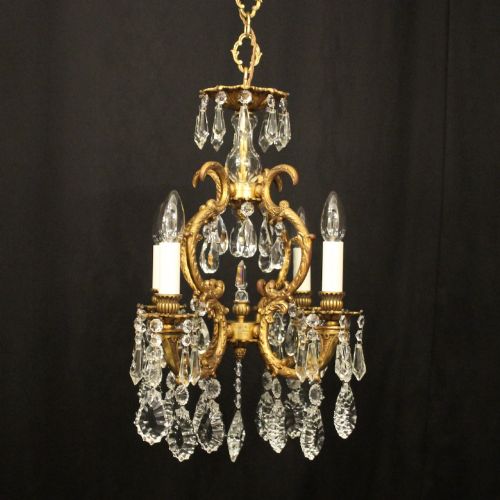
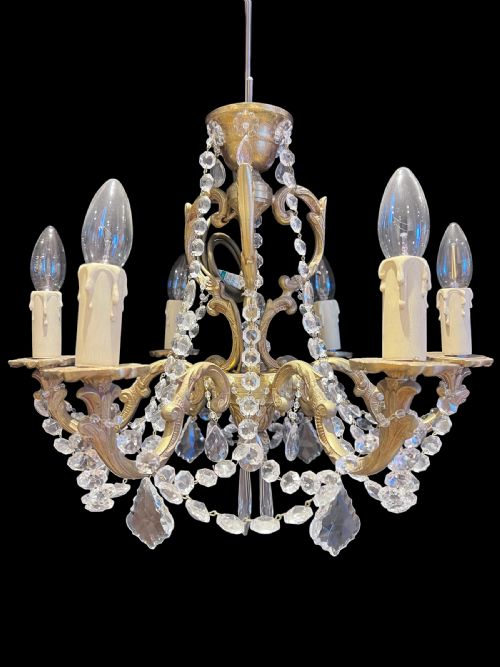
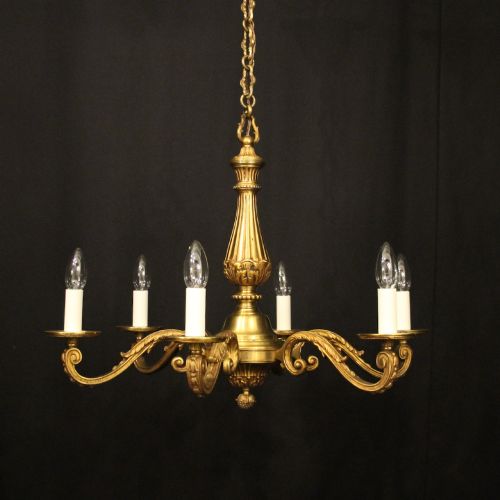
Common configurations include multi-light chandeliers adorned with crystal lustres, tent and waterfall formations, and glass globe pendants. Brass, bronze and gilded metal form the structural frameworks for these hanging lights.
Materials and construction
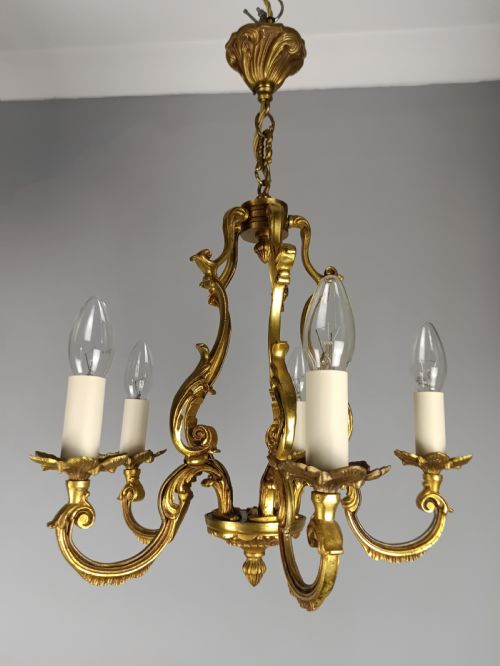
Makers constructed these fixtures using cast metals such as brass, bronze, gilt bronze and copper, often applying a gilded finish. Structural frames held components together while supporting the weight of glass and crystal elements.
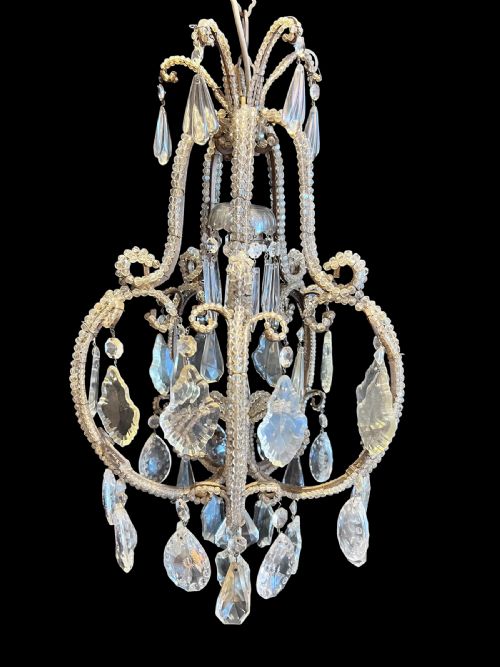
Glass and crystal components defined the visual output, utilising cut glass, bevelled glass panels, opalescent shades, and crystal lustres. Specialised forms like Moravian star lanterns integrated individual glazed panes into complex geometric brass frames.
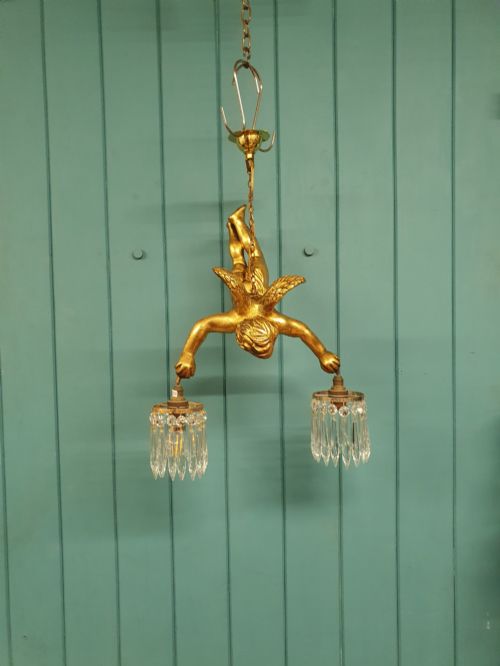
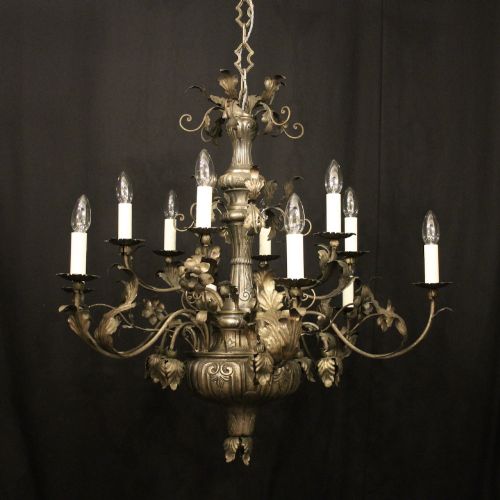
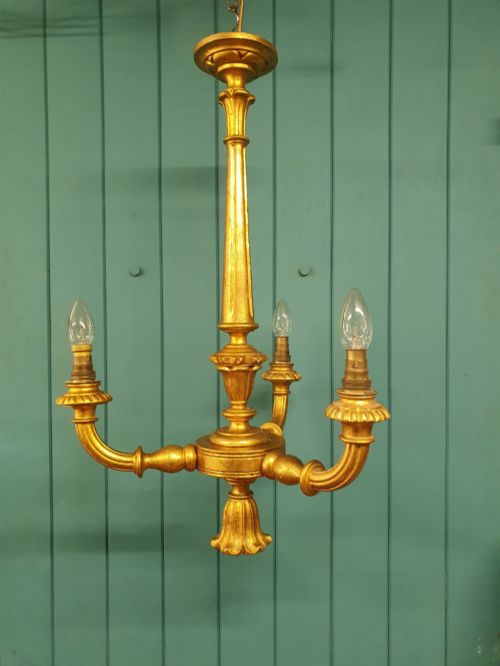
Decorative details involved carved giltwood, porcelain flowers, ceramic elements, and tolewear. Gasoliers incorporated early gas-lighting plumbing alongside specialised shades.
Vintage Ceiling Fixture Retail Price Guide 2026
Typical asking prices for vintage ceiling fixture among the pieces listed under this phrase on Sellingantiques today, from the lower quarter to the upper quarter. They describe what is for sale here now, not the wider market.
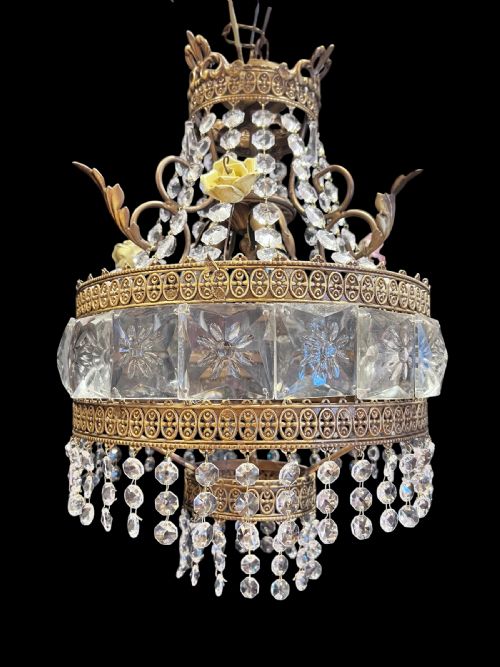
A solitary ceramic flower blooms stubbornly from a mid-century tolewear chandelier.
Quality variations in hanging lights
The refinement of the casting and metalwork sets standards across these pieces, with crisp detailing in bronze and brass separating superior examples from simpler production. Heavier gauges of metal and precise assembly distinguish the better chandeliers and lanterns.
The quality of the glass and crystal elements influences the overall impact, where high-grade cut glass and clear crystal drops refract light cleanly. Integrated elements like hand-painted porcelain flowers or complex giltwood carving add distinct artisan merit.
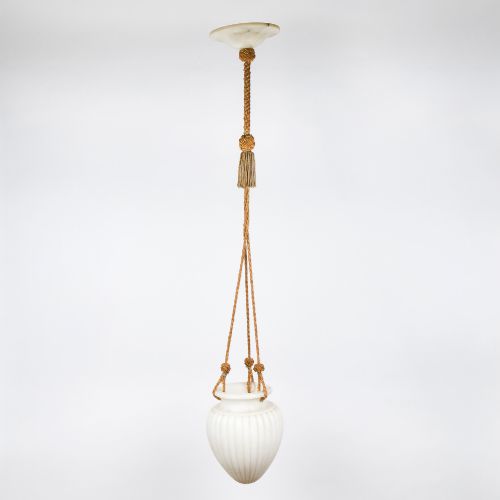
Émile-Jacques Ruhlmann
The Vintage Ceiling Fixture Glossary
- Chandelier
- A branched, decorative ceiling fixture designed to hold multiple light sources. These pieces often feature glass or crystal ornamentation suspended from a central frame.
- Pendant light
- A single light fixture that hangs from the ceiling by a cord, chain, or metal rod. Common variations include glass globes and specialised shades.
- Lustre
- A cut glass pendant or drop hung from a chandelier to reflect and scatter light. They appear frequently in tent and waterfall configurations.
- Plafonnier
- A ceiling light designed to sit flush or close against the ceiling surface, often utilising cut glass or moulded glass bowls. Edwardian and 1930s examples utilise this form.
- Gasolier
- A multi-burner gas lighting fixture adapted or built for illumination before general electrification. Victorian examples often retain opalescent glass shades.
Vintage Ceiling Fixture: Frequently Asked Questions
How do I choose the right size ceiling fixture?
Consider the scale of the room and the height of the ceiling when selecting a chandelier or pendant light. Multi-light fixtures require adequate clearance beneath them to hang safely above living spaces or hallways.
Larger rooms accommodate expansive twelve-light chandeliers or tent and waterfall designs, while smaller spaces suit compact flush plafonniers or single-light pendants.
What periods do these ceiling lights come from?
The pieces span from the nineteenth century through the Edwardian period into the 1920s and 1930s. Victorian and Gothic Revival pieces sit alongside early twentieth-century Arts and Crafts designs.
Art Deco creations from the 1930s offer geometric slip shades and glass globes, contrasting with earlier ornate French Neoclassical and Empire revival metalwork.
How were hall lanterns used historically?
Hall lanterns provided illumination in entranceways, corridors, and stairwells where focused vertical light was practical. Enclosed glass panels protected the internal candles or burners from drafts.
Designs ranged from simple bronze frames to elaborate gilded brass and crystal convex hall lanterns that created a welcoming glow at property entrances.
What materials are typical for Art Deco ceiling lights?
Art Deco lighting frequently incorporates bronze, brass, and specialised glass shades such as slip shades. Geometric lines and streamlined forms define the metal frameworks of this era.
Designs from the 1930s often utilise frosted or moulded glass bowls and globes suspended by simple chains or rods to diffuse light evenly.