

Vintage Cast Iron Umbrella Stand
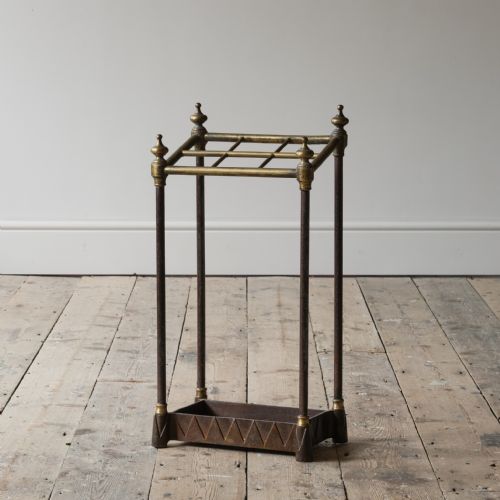
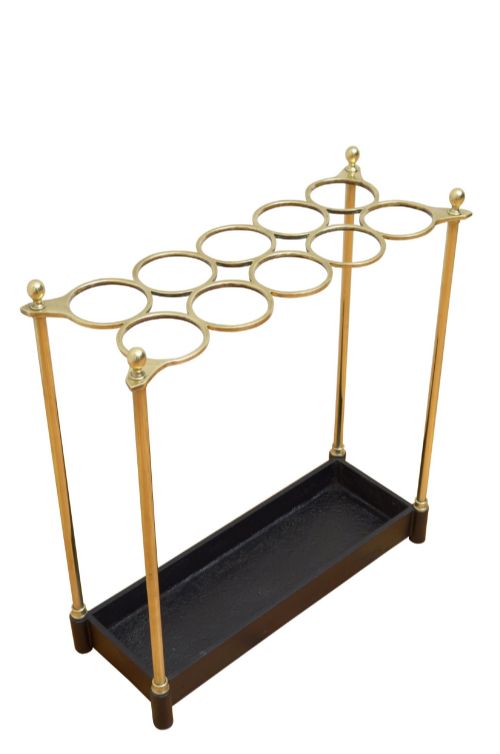
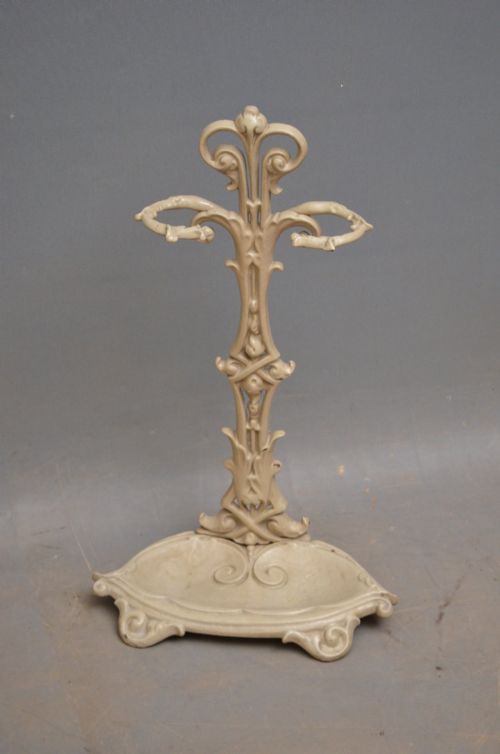
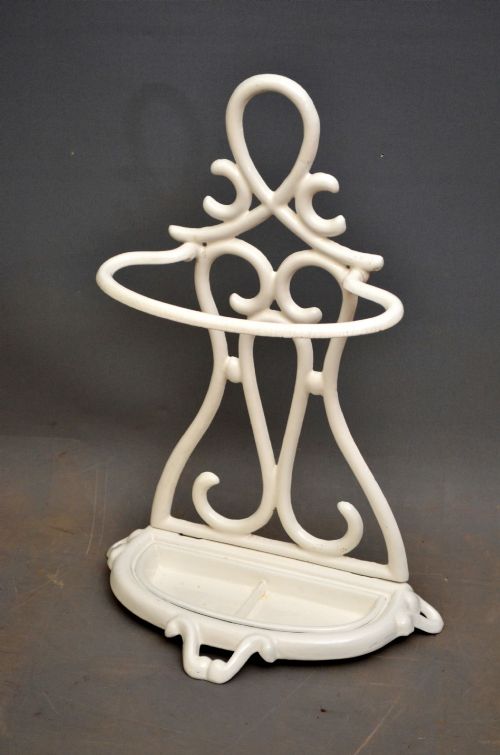
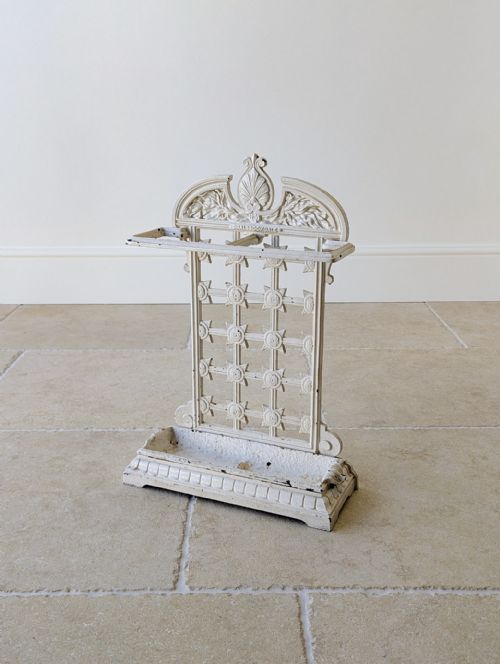
These vintage cast iron umbrella stand pieces provide a sturdy, functional hall furniture option that brings period character to an entrance hall.
Vintage Cast Iron Umbrella Stand
A vintage cast iron umbrella stand serves the practical purpose of holding wet walking sticks and umbrellas in a hallway. Buyers searching this phrase encounter heavy, durable items designed to withstand daily domestic use.
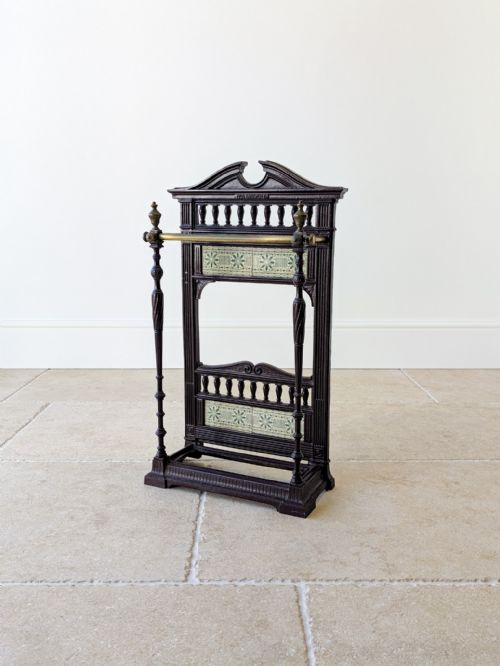
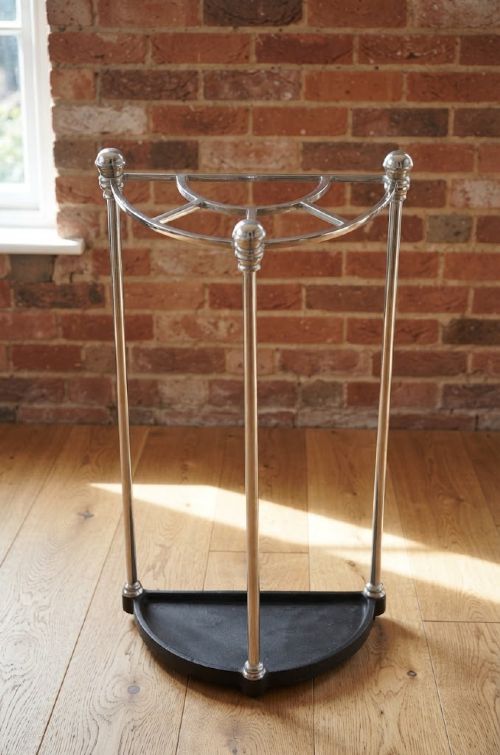
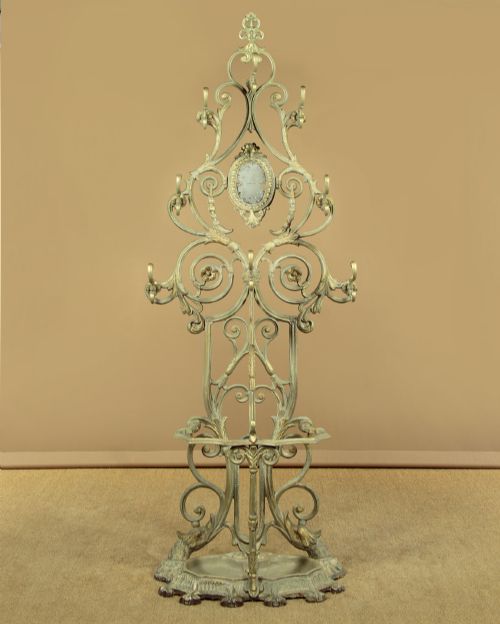
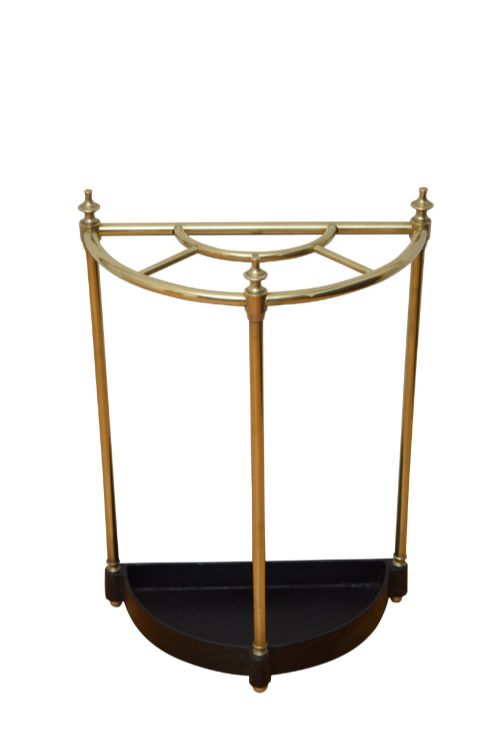
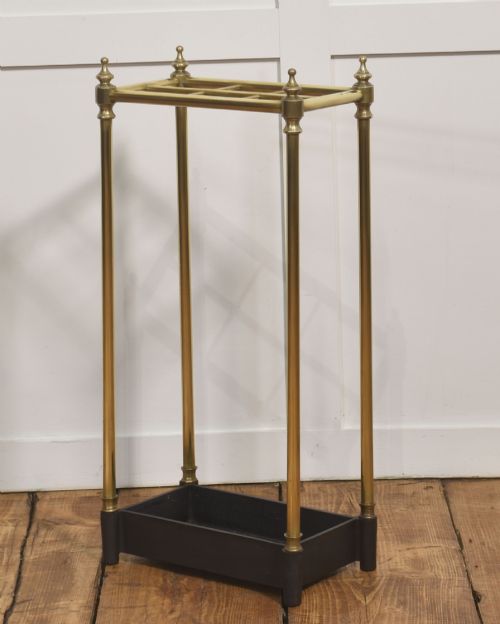
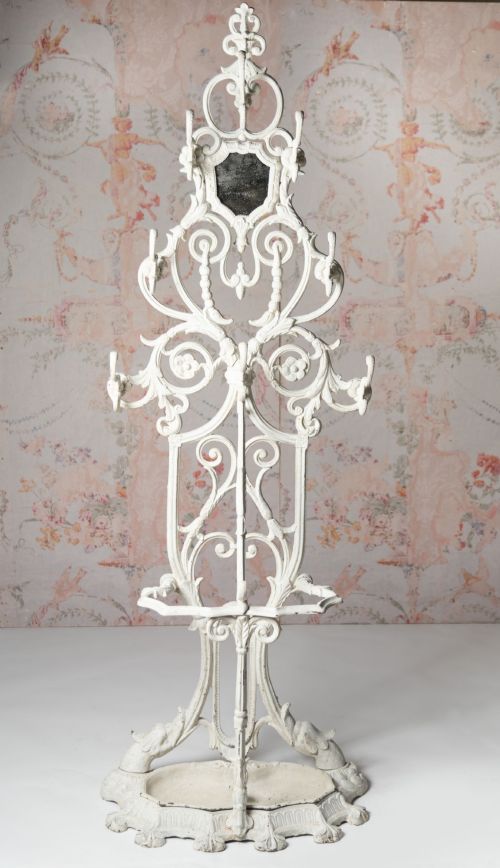
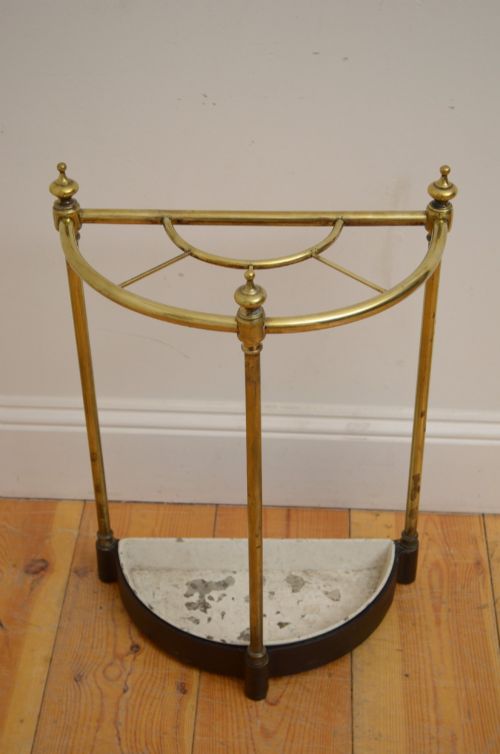
The selections span various forms including dedicated umbrella stands, combined coat and umbrella stands, and demi-lune shapes designed to sit flat against a wall. Pieces originate primarily from the Victorian, Edwardian, and Art Deco periods, alongside French and English workshops.
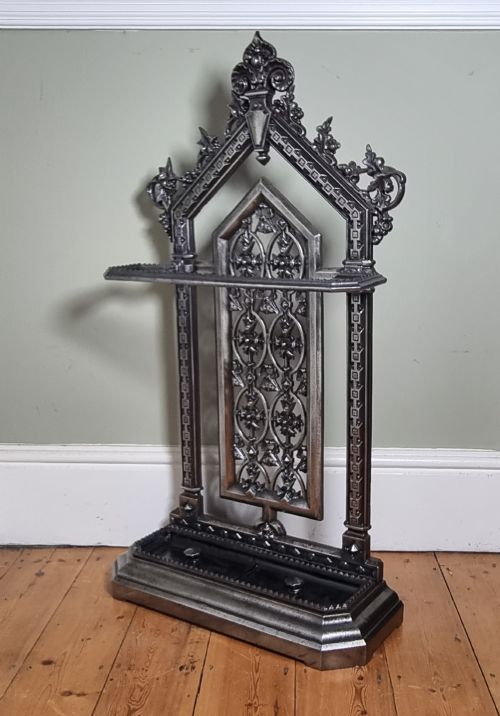
Victorian and 19th-century examples dominate the offerings, often featuring substantial iron castings, pierced decorative patterns, and integrated drip trays. Later 20th-century variations introduce Art Deco geometric elements and nickel plating.
Assessing the workmanship
The crispness of the casting marks the difference between standard production items and superior pieces. Finer examples display sharply defined relief ornament, clean edges on pierced sections, and carefully smoothed joints.
Makers who incorporated registered design numbers or foundry stamps on the reverse impart greater historical interest. Structural integrity relies on the retention of the original drip tray, which completes the composition and protects floors from moisture.
A sporty cast iron footballer stick stand appears among the nineteenth-century offerings, bringing an unexpected athletic touch to the hallway.
Coalbrookdale
The Vintage Cast Iron Umbrella Stand Glossary
- Demi-lune
- A half-moon shape designed to fit flat against a hallway wall. This profile saves floor space in narrow corridors.
- Drip tray
- A removable metal or ceramic base pan placed beneath the frame. It catches rainwater from wet umbrellas to protect floors.
- Faux bois
- A decorative technique mimicking natural wood grain. Foundries applied this finish to cast iron to resemble rustic bamboo or timber.
- Pierced work
- Openwork patterns formed during the casting process. This technique lightens the heavy visual mass of the iron frame.
- Finial
- A decorative ornamental terminal piece mounted on top of upright posts. These elements often feature ball or acorn shapes.
Vintage Cast Iron Umbrella Stand: Frequently Asked Questions
What periods do these umbrella stands date from?
The pieces span from the mid-nineteenth century through the Edwardian era and into the Art Deco period of the 1930s. Victorian examples frequently exhibit Gothic, Aesthetic Movement, or floral motifs.
Later Edwardian and French items often showcase Art Nouveau tendrils or faux bamboo styling. Each era brought distinct aesthetic priorities to standard hallway furniture.
How were these umbrella stands used originally?
Placed in the entrance hall of a country house or townhouse, they provided a designated drop-off point for wet walking sticks and umbrellas. The heavy iron base kept the stand stable when loaded with heavy timber shafts.
Removable trays at the bottom caught rainwater to protect entrance hall carpets and wood flooring. Many designs also incorporated hooks for hats and coats.
Are all the stands made entirely of cast iron?
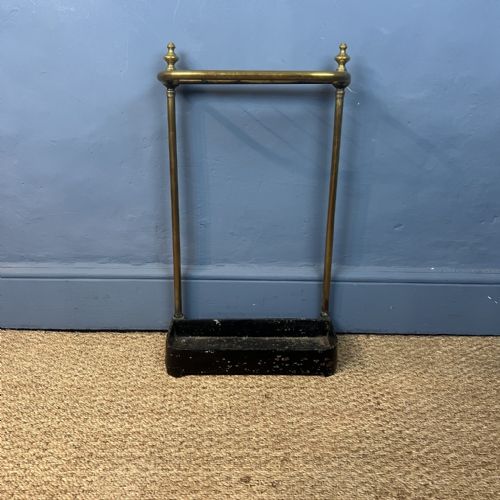
While cast iron forms the primary structural frame for the majority of these pieces, makers frequently combined materials. Brass rails, steel rods, and decorative finials appear alongside the iron work.
Interior drip trays were commonly manufactured from zinc, brass, or ceramic to prevent rust and hold standing water. Some variations also integrate pitch pine panels or marble components.
How do I care for a cast iron stand?
Keep the metal dry and clean by occasionally wiping the surfaces with a soft cloth. Ensure the interior drip tray is emptied and dried regularly to prevent moisture accumulation.
Avoid using harsh chemical cleaning agents that might strip historic painted or enamelled finishes. Gentle dusting preserves the original surface patination.