



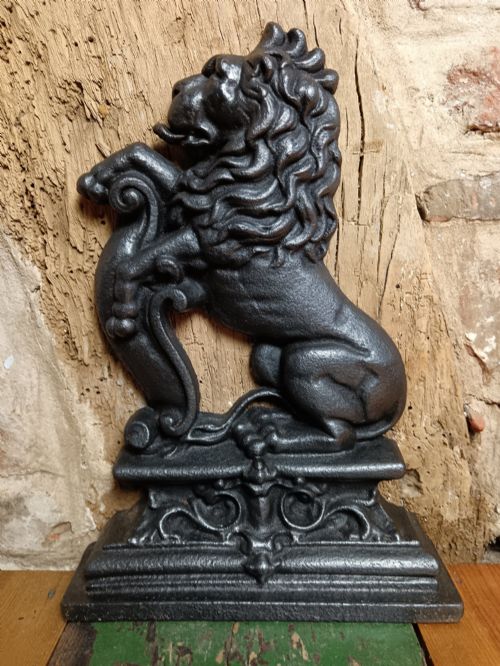

Vintage Cast Iron Ornaments
These vintage cast iron ornaments bring heavy character to a room or garden, shaped in iron and painted or patinated over the centuries.
Vintage Cast Iron Ornaments
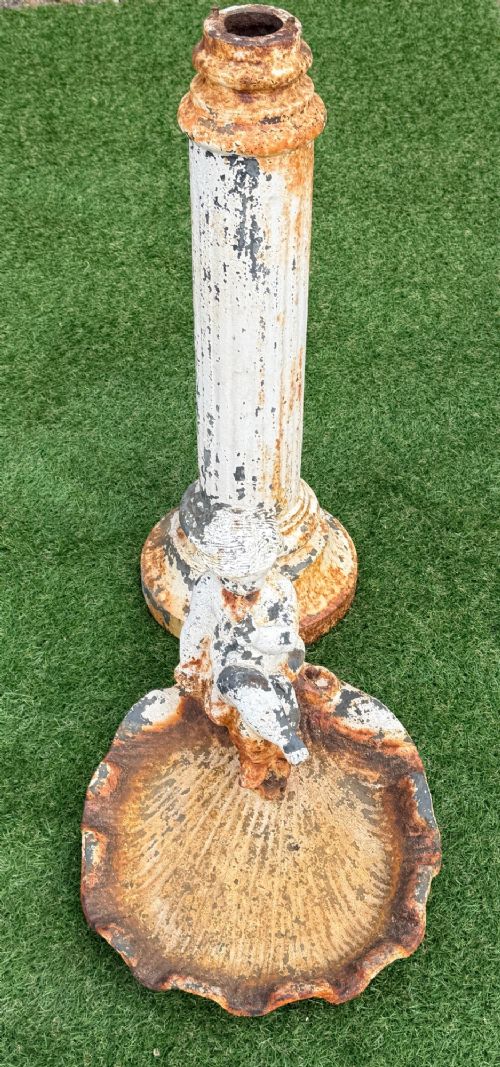
When you search for vintage cast iron ornaments, you meet heavy functional objects and sculptural pieces from the eighteenth century onwards. The selection spans domestic doorstops and desk ornaments to substantial garden urns, statues and architectural salvage.
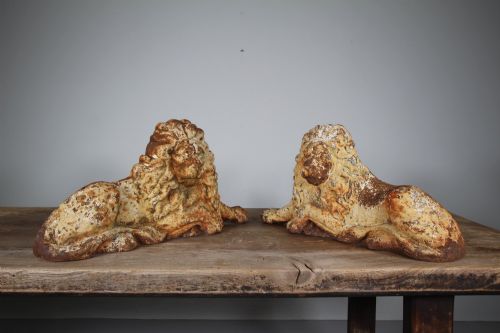
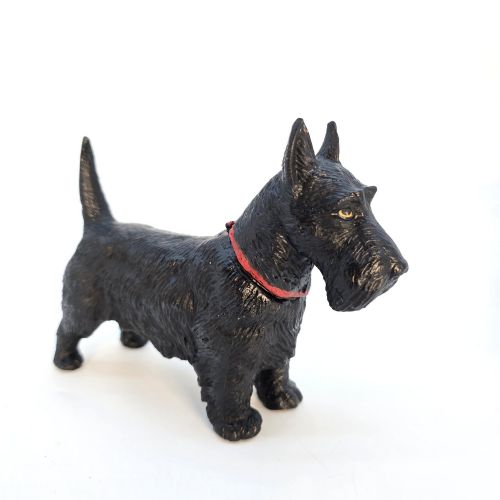
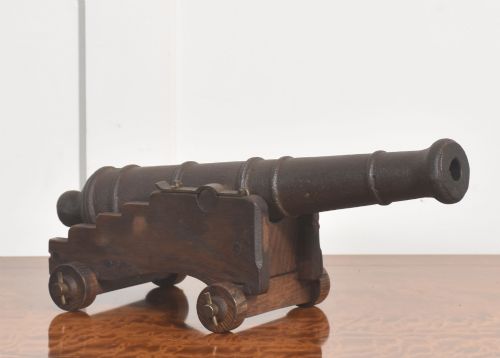
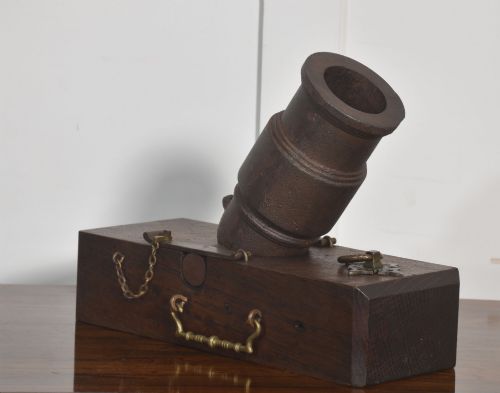
Victorian and Edwardian examples dominate the selection, alongside items from the nineteen-twenties and thirties. You will find animal figures such as lions and dogs, garden planters, and scale models of cannons sitting alongside utilitarian items turned decorative.
How they were made
Foundries poured molten iron into sand moulds to create these pieces, sometimes combining the metal with brass, bronze finishes, wood, or stone bases. Many items received hand-painted colour or developed weathered patinas over decades of exposure.
Maker marks and foundry stamps occasionally appear on the heavy iron surfaces, while carriage mounts incorporate seasoned oak timbers and brass detailing to support the metal structures.
Vintage Cast Iron Ornaments Retail Price Guide 2026
Typical asking prices for vintage cast iron ornaments among the pieces listed under this phrase on Sellingantiques today, from the lower quarter to the upper quarter. They describe what is for sale here now, not the wider market.
Listings feature items cast in iron, brass, bronze, wood, and stone across the nineteenth and twentieth centuries.
What varies in quality
Foundry attribution and substantial weight elevate certain garden urns and animal sculptures, whilst complex multi-part constructions demonstrate superior craftsmanship in structural ironwork.
Coalbrookdale·Andrew Handyside·Val d Osne
The Vintage Cast Iron Ornaments Glossary
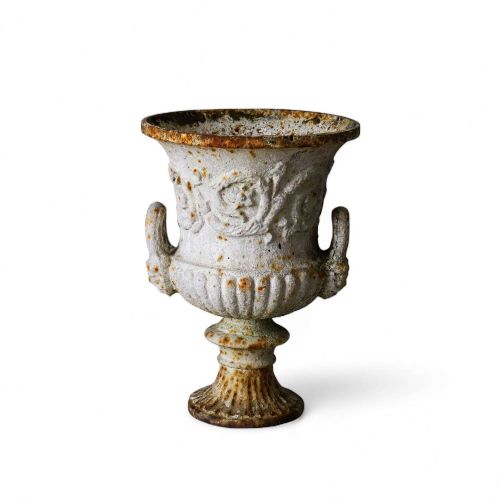
- Campana urn
- A bell-shaped garden vessel with a flared rim, frequently cast in iron during the nineteenth century. These heavy planters often stood on square plinths in formal gardens.
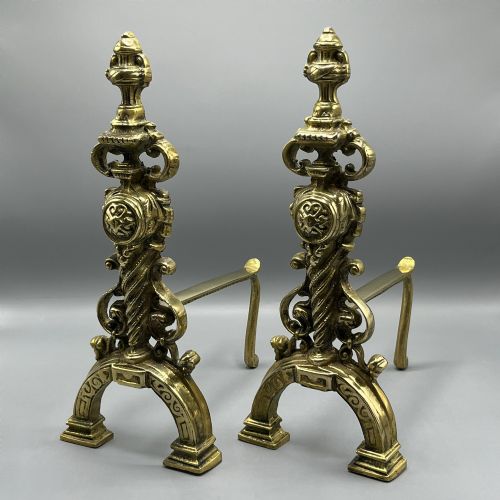
- Andiron
- A horizontal metal support used in pairs inside a fireplace to hold logs. Examples combine heavy iron frames with brass ornamental fronts.
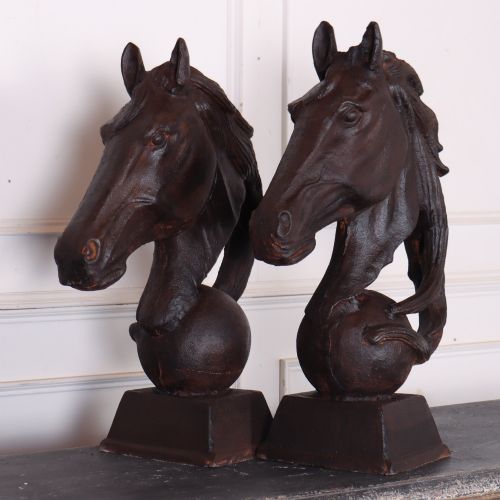
- Hitching post
- A vertical iron post topped with a decorative motif like a horse head to secure reins. These functional street items now serve as garden sculptures.
- Doorstop
- A heavy weighted object shaped as an animal or figure to hold interior doors open. Victorian examples frequently depict lions, dogs or historical figures in solid iron.
- Animalier
- A nineteenth-century sculptural style focusing on realistic depictions of animals. French foundries produced numerous iron and bronze-patinated dog and wildlife figures in this manner.
Vintage Cast Iron Ornaments: Frequently Asked Questions
How do I date a cast iron ornament?
Dating relies on stylistic clues, mounting materials, and foundry marks rather than simple visual inspection. Victorian pieces often display classical revival or novelty motifs, while early twentieth-century examples shift towards art deco or simpler animal forms.
Examine the surface finish and any accompanying woodwork or carriages, such as oak mounts on nineteenth-century signal cannons, to help narrow the production period.
Where should I place garden urns?
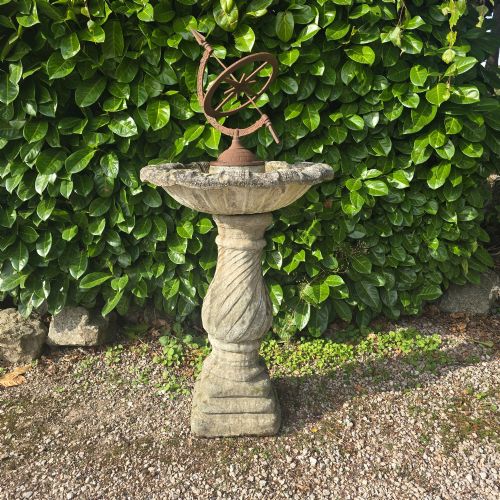
Heavy iron garden urns and campana vessels suit stable outdoor positions on stone patios or formal lawns. Their substantial weight keeps them secure without extra fixing, though placing them on solid footings prevents sinking into wet soil.
Keep them clear of constant standing water to preserve the iron and any remaining painted or weathered exterior surfaces.
How do I care for cast iron indoors?
Indoor ornaments like doorstops and desk weights require minimal maintenance beyond gentle dusting with a dry cloth. Avoid abrasive cleaners that might damage painted surfaces or historical patinas.
Keep pieces away from damp environments to prevent new corrosion from forming on bare metal areas.
Are these ornaments weatherproof outdoors?
Cast iron withstands outdoor conditions well, developing a stable weathered patina over time. However, painted finishes and wooden carriage components will react to prolonged moisture and frost.
Move smaller decorated items under shelter during severe winter weather to protect delicate paintwork and mixed-media elements.