



Vintage Cast Iron Figure
These vintage cast iron figure items bring sturdy character to interiors and gardens, offering enduring form and substantial weight.
Vintage Cast Iron Figure
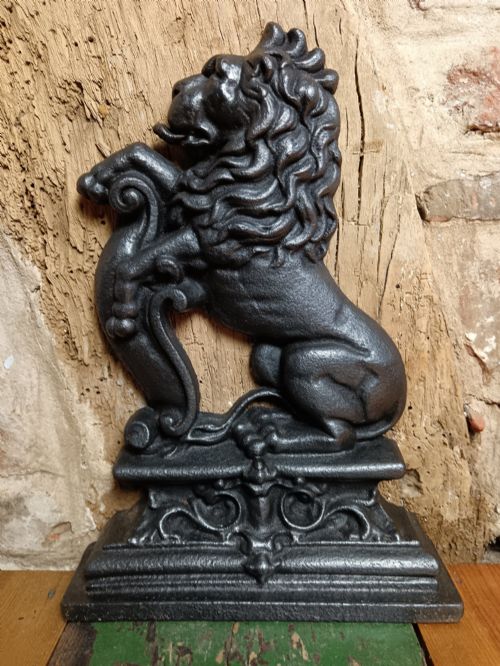
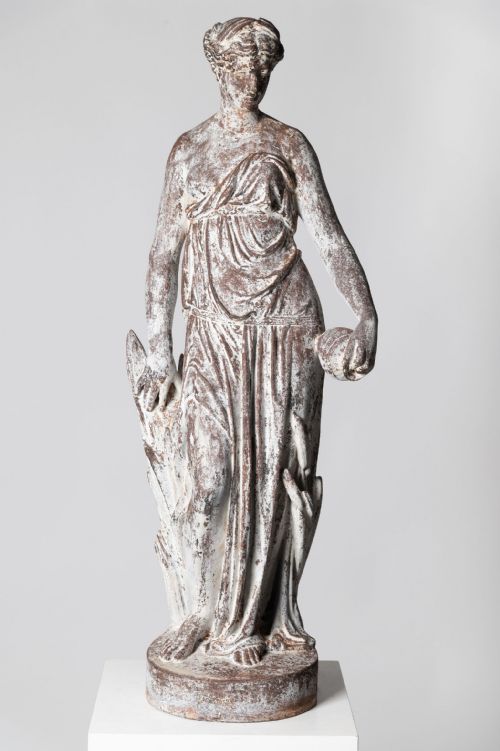
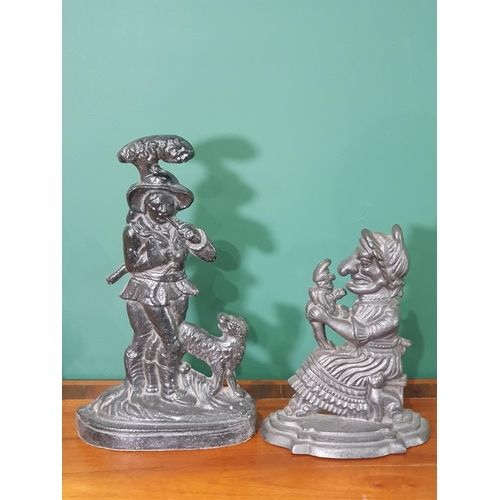
When you search for vintage cast iron figure, you encounter practical items and standalone ornaments shaped in metal across several decades. The selection includes doorstops, sculptures, garden statuary, fireplace accessories, and paperweights created in human, animal, and architectural forms.
Victorian pieces dominate the examples, alongside Edwardian and later 20th-century items spanning the 1880s to 1930. Common subjects take the shape of lions, dogs, historical figures like Lord Nelson or Mr Punch, and sculptural pairs intended for domestic and garden settings.
Origins vary across English, French, Italian, and Russian workshops, demonstrating diverse regional casting traditions. Buyers typically choose between functional items like door stops and purely decorative statues or planters.
How they were made
Makers poured molten iron into sand moulds to capture fine detail, utilising the properties of cast iron for heavy, rigid objects. Finished pieces often received surface treatments including polychrome paint, painted metal finishes, or bronze finishes applied over the metal substrate.
Certain items incorporate mixed materials, combining cast iron with brass or glass elements for structural or decorative effect. Foundries such as Val d’Osne produced substantial statues through precise industrial casting methods of the period.
An owl bird scarer from 1930 stands ready to deter garden pests with a stern metallic stare.
What varies in quality
Original surface decoration alters the character of a piece, with surviving polychrome paint or aged bronze finishes adding depth. The weight and stability of items like doorstops and garden statues reflect the original thickness and density of the iron used.
Val d Osne foundry
The Vintage Cast Iron Figure Glossary
- Cast Iron
- An iron-carbon alloy poured into a mould to form solid shapes. This material provides the heavy weight and durable structure required for doorstops and garden statuary.
- Doorstop
- A heavy object placed against a door to hold it open. These are frequently cast in the shape of animals or historical figures.
- Polychrome Paint
- Decoration utilising multiple colours applied to the surface of the cast metal. This finish appears on figures ranging from advertising pigs to household doorstops.
- Animalier
- A style focusing on the realistic depiction of animals. This aesthetic appears in sculptures of dogs, lions, and birds.
- Neoclassical Revival
- A style drawing inspiration from classical antiquity. Pieces in this tradition often feature formal symmetry and architectural motifs.
Vintage Cast Iron Figure: Frequently Asked Questions
How heavy are vintage cast iron figures?
Weight varies considerably according to the size and intended function of the object. Smaller paperweights and shelf ornaments weigh very little, whereas doorstops and garden statues provide substantial mass.
Larger items, such as display figures or planters, can weigh fifteen kilograms or more to ensure stability in use.
Were these figures meant for indoors or outdoors?
Cast iron items served both domestic interiors and external gardens depending on their specific form. Doorstops, paperweights, and fireplace accessories belonged strictly inside the home.
Statuary, garden urns, and bird scarers were designed to withstand exterior conditions, though many decorative sculptures now reside indoors.
How do I identify a Victorian piece?
Victorian examples often display specific subjects popular during the 19th century, such as Mr Punch, Lord Nelson, or heraldic animals like rampant lions. The casting style and typical weight provide further indication of period origin.
Corresponding stylistic movements like Neoclassical Revival or Victorian Gothic frequently accompany these dates in descriptions.
What is a door porter?
A door porter is an alternative term for a heavy doorstop designed to keep internal doors open. These pieces often feature an upright handle or grip at the top for easy placement.
They combine functional weight with decorative figural designs such as dogs or human figures.