




Vintage Cast Iron Base
A vintage cast iron base provides sturdy industrial character and enduring support for bespoke tables and stands.
Vintage Cast Iron Base
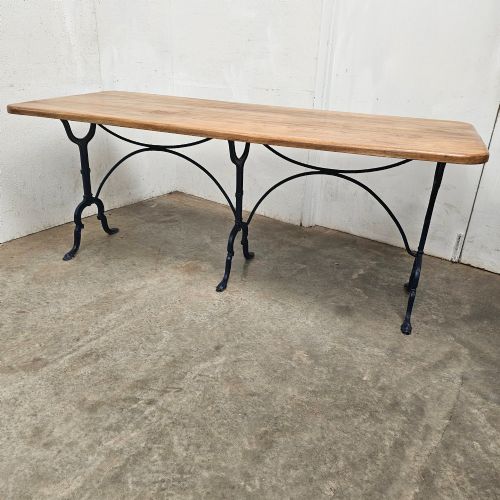
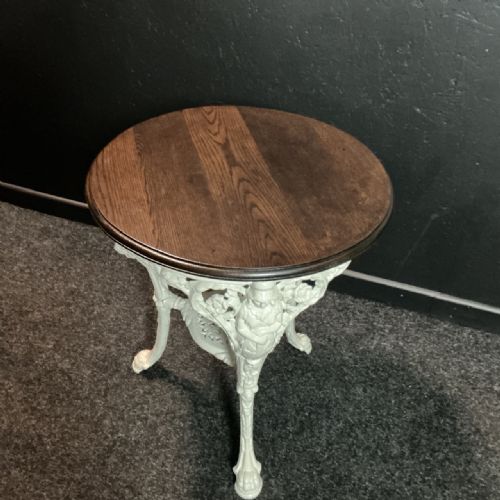
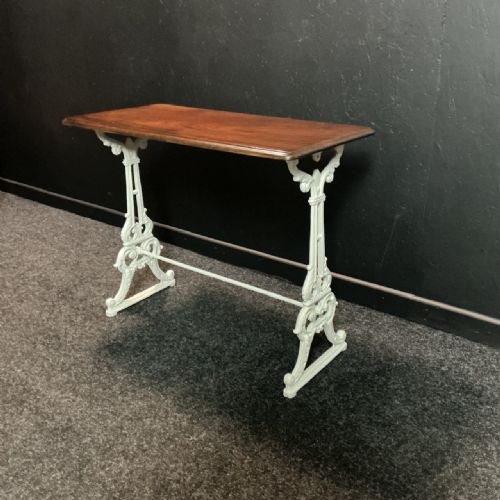
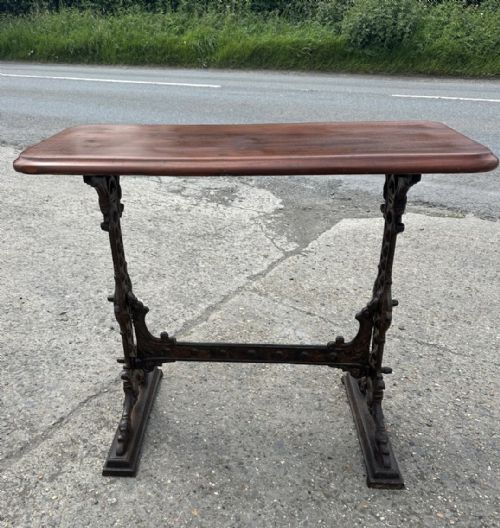
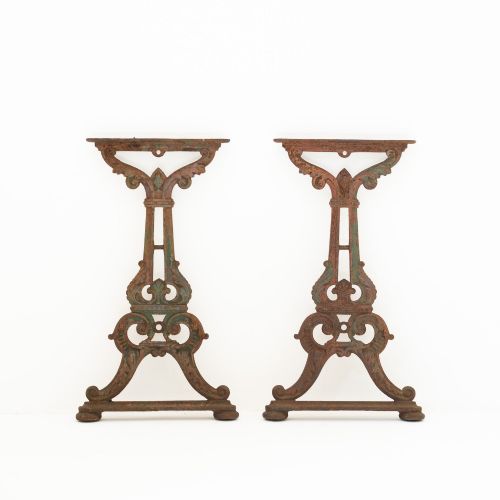
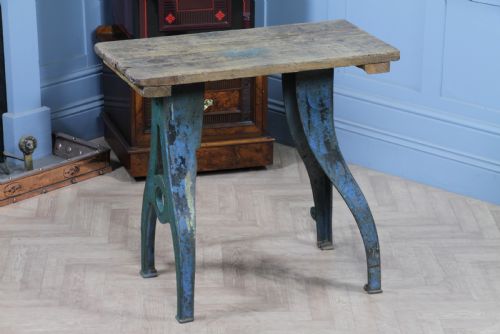
A vintage cast iron base serves as the structural foundation for a variety of functional furniture, most commonly appearing in pub tables, bistro tables, and industrial sewing machine adaptations. These pieces emerge from periods spanning the Victorian era through the early twentieth century, reflecting practical workshop, domestic, and commercial origins.
The selections on this page centre upon robust metal supports paired with timber surfaces such as oak, mahogany, pine, and elm, alongside occasional marble and stone tops. Buyers encounter everything from heavy pub table pedestals to utilitarian factory machine stands repurposed for modern interiors.
Materials and construction
Foundries produced these components by pouring molten iron into sand moulds, creating intricate decorative patterns for Victorian interiors or utilitarian shapes for heavy machinery. This method delivered exceptional tensile strength and weight, ensuring the pedestals could anchor tall tavern tables and industrial work surfaces safely.
Makers frequently combined the heavy metal castings with wooden elements like oak, mahogany, and pine, securing the tops with bolts and brackets designed for daily commercial or workshop use.
Some nineteenth-century tavern tables feature cast iron bases sturdy enough to survive generations of spilled ale and heavy toast.
Assessing quality and integrity
The distinction between standard utility items and superior examples lies in the crispness of the casting detail and the proportion of the metalwork. Finer pieces display sharply rendered ornamentation or maker markings, whereas purely utilitarian items prioritize heavy, unadorned structural mass.
Originality of surface finish and the harmonious pairing of the metal base with an appropriate period top dictate the desirability of the piece. Retaining the authentic foundry texture without excessive modern intervention preserves the historical integrity of the metal.
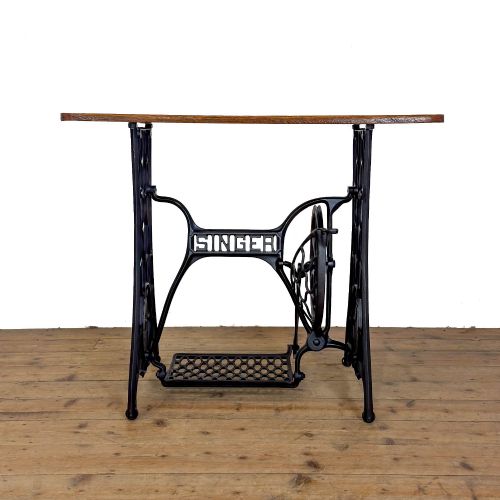
Singer·Kenrick·Carters of London
The Vintage Cast Iron Base Glossary
- Cast iron
- An iron-carbon alloy poured into a mould while molten. It yields heavy, rigid components ideal for supporting furniture.
- Britannia
- A specific nineteenth-century pub table base design featuring a figural or ornate iron pedestal. This style remains a staple of traditional tavern furniture.
- Up-cycled
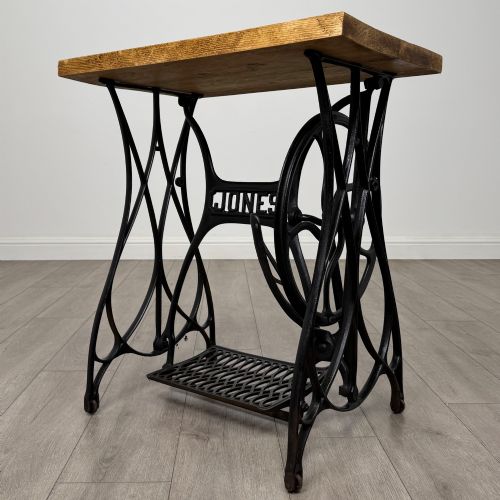
- The process of adapting a redundant industrial or commercial object, such as a sewing machine stand, into a new domestic table.
- Patina
- The surface sheen and colour acquired by metal and wood through age and use. It serves as an indicator of authenticity.
Vintage Cast Iron Base: Frequently Asked Questions
What are vintage cast iron bases?
These are heavy metal supports originally cast for industrial machinery, public houses, or commercial displays during the nineteenth and early twentieth centuries.
Today, they are widely collected and repurposed to form robust tables, desks, and decorative stands.
How were they used originally?
They served as the foundational structure for heavy equipment like sewing machines, or supported table tops in busy pubs, cafes, and factories.
Their substantial weight prevented tipping in commercial environments where durability was essential.
How do I live with one?
Place them in spaces requiring a robust focal point, such as kitchens, hallways, or studies, where their industrial weight grounds the room.
Protect surrounding flooring with suitable pads and maintain the metal surface with light applications of wax or oil.
How do I date these pieces?
Examine the casting style, bolt types, and any foundry marks stamped into the iron to establish the manufacturing era.
Victorian examples often feature ornate decorative relief work, while later twentieth-century pieces tend toward simplified industrial utility.