

Vintage Carved Gold Ring
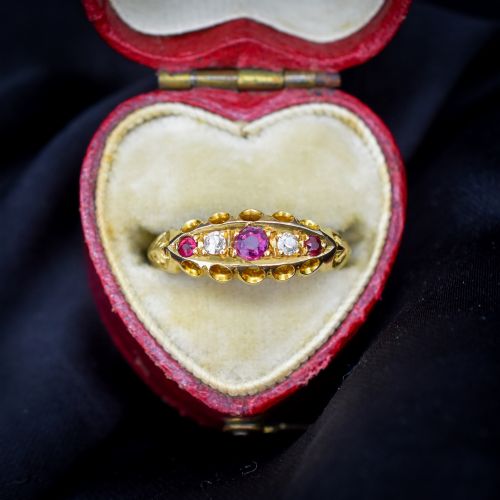
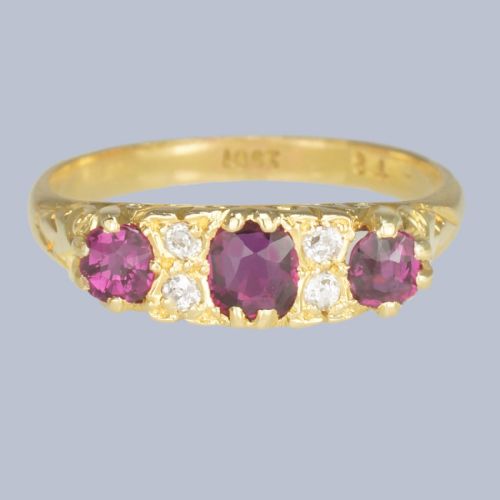
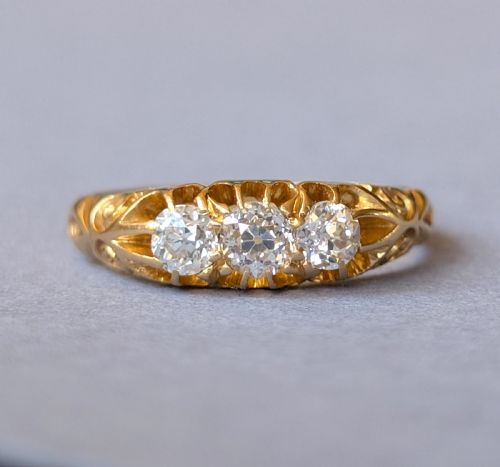
A vintage carved gold ring brings together intricate metalwork and enduring stones from the late nineteenth century to the mid-century.
Vintage Carved Gold Ring
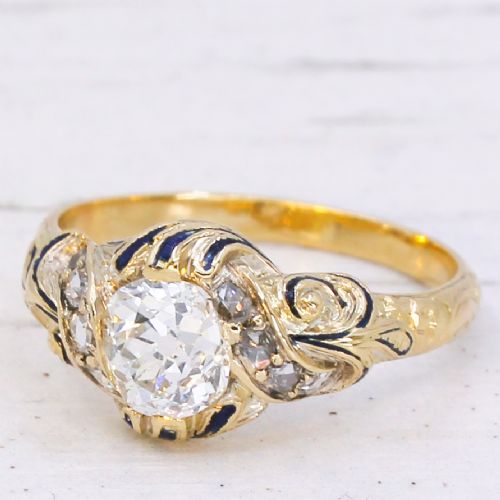
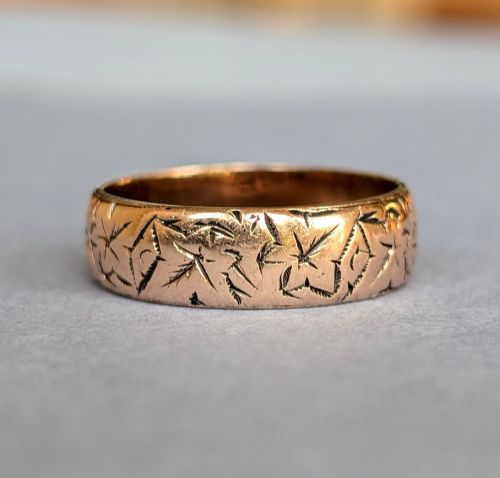
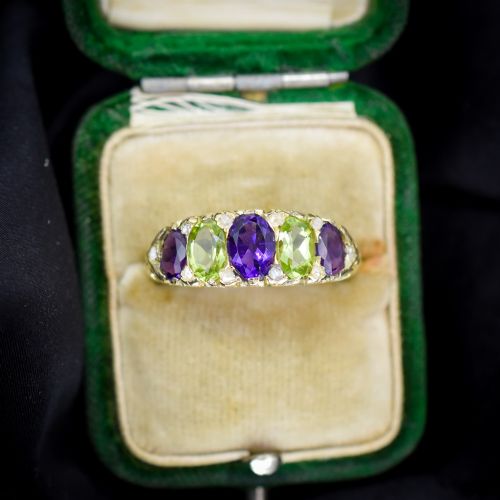
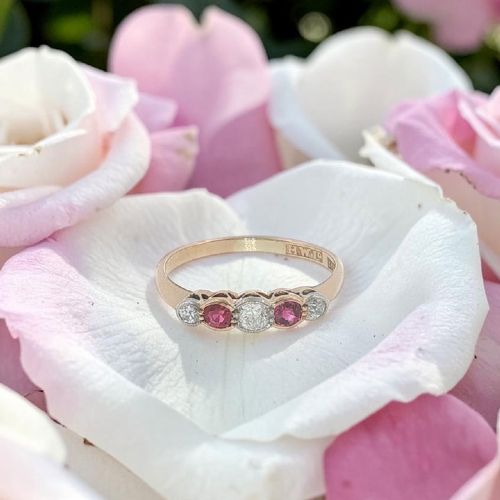
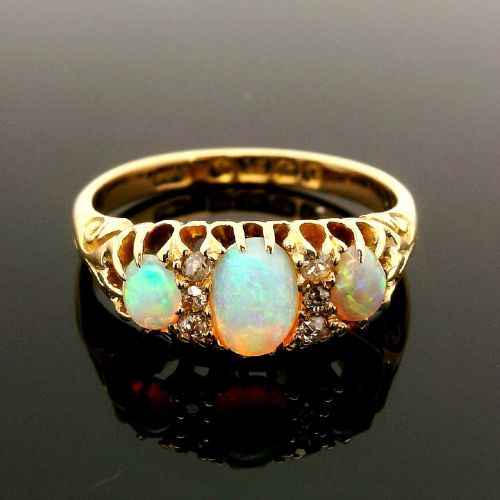
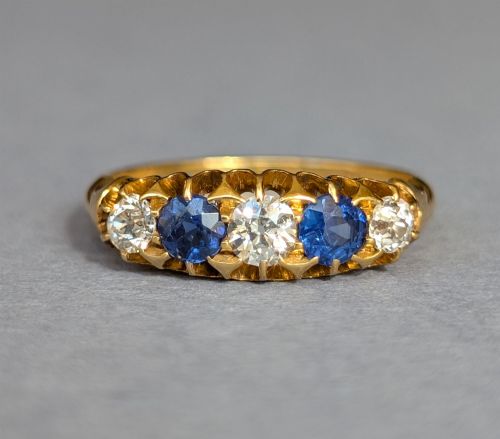
A vintage carved gold ring is typically encountered as a band, boat ring, or multi-stone setting originating from periods such as the Victorian, Edwardian, and Art Deco eras. These pieces display patterned metal surfaces, floral motifs, or scrolled shoulders paired with gems like diamonds, opals, rubies, and sapphires.
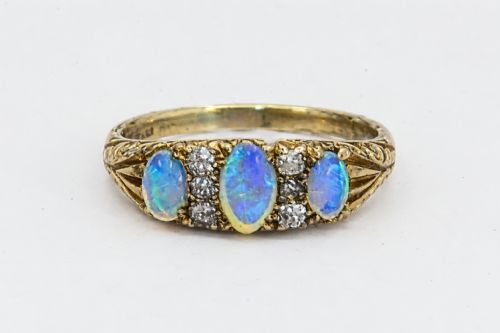
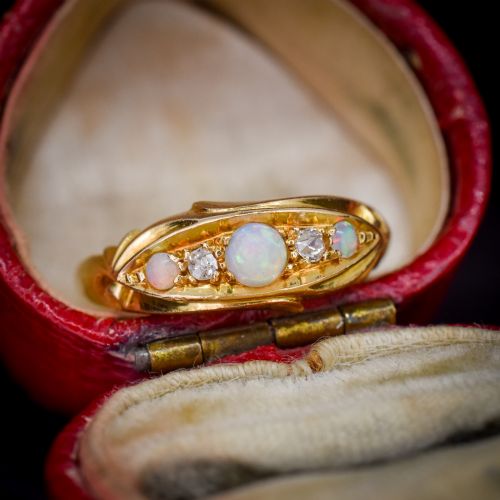
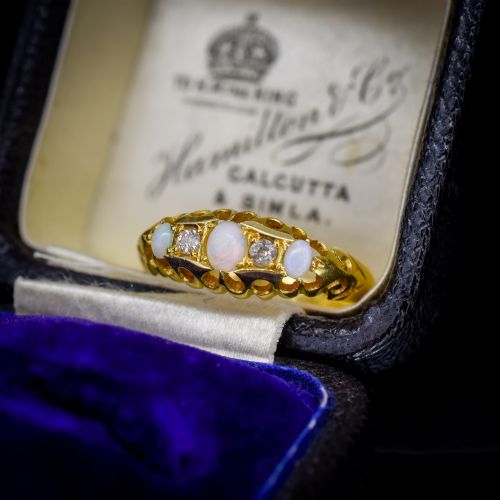
The selection ranges from nineteenth-century yellow gold bands bearing hallmarks to mid-century sapphire and diamond clusters. Buyers will frequently find nineteenth-century and Edwardian designs featuring boat-shaped settings that position opals and diamonds linearly across the finger.
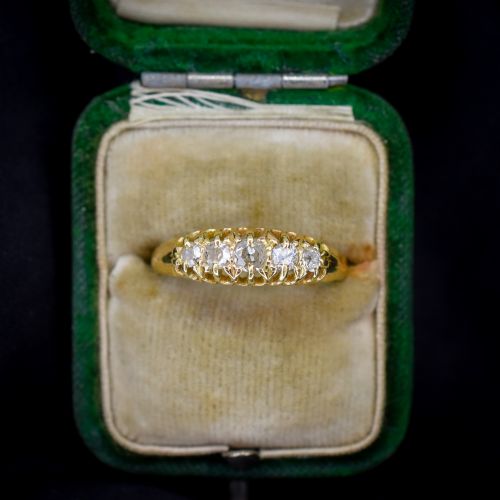
Forms span simple wedding bands to complex five-stone arrangements and starburst motifs. Each variation utilises durable gold alloys combined with stones set securely into the metal.
How they were made
Metals such as 18ct yellow gold, 18ct rose gold, and 15ct gold form the structural foundation of these rings, shaped through casting and hand-finishing techniques. Goldsmiths carved surface details directly into the metal or applied chased patterns to bands and shoulders.
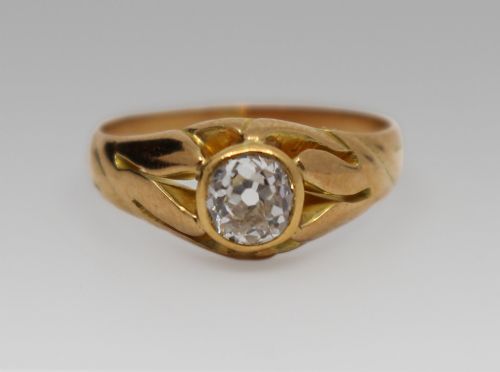
Gemstones including old cut diamonds, natural opals, rubies, and sapphires are secured using claw, flush, or gypsy settings. Hallmarks stamped inside the bands often record the assay office and date of creation.
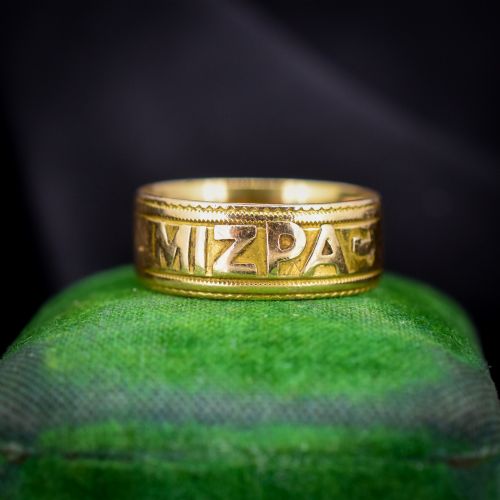
Some nineteenth-century rings carry secret Mizpah inscriptions, serving as steadfast tokens of remembrance between distant companions.
What varies in quality
The clarity of the carving on the gold band and the crispness of the chased or engraved motifs determine the level of artisanal skill involved. Sharply defined patterns indicate superior handwork compared to worn or softened surface details.
Gemstone selection dictates overall substance, with matched natural opals, clean rubies, and well-proportioned old cut diamonds elevating the piece. The thickness of the original gold shank also influences the longevity and resilience of the ring.
The Vintage Carved Gold Ring Glossary
- Boat ring
- A ring featuring a curved, boat-shaped setting that traditionally tapers toward the ends, often holding a row of graduated stones.
- Old cut diamond
- A precursor to the modern brilliant cut, characterised by a smaller table, higher crown, and open culet which produce a distinct candlelight sparkle.
- Gypsy ring
- A style where stones are flush-set directly into a thick, tapering gold band so the surface remains smooth to the touch.
- Mizpah ring
- A sentimental piece bearing an inscribed Hebrew word denoting an emotional bond between people who are separated.
- Half hoop ring
- A setting where a row of uniform gemstones spans the upper arc of the finger without completing a full circle.
Vintage Carved Gold Ring: Frequently Asked Questions
How do I care for an opal ring?
Opals contain natural water content and require gentle handling to avoid damage from harsh chemicals, sudden temperature shifts, or ultrasonic cleaning machines. Store them separately from harder gemstones to prevent surface scratches.
Wipe the gold and stone down with a soft, damp cloth after wearing and keep the ring away from prolonged exposure to direct sunlight or extreme dryness.
What is an old cut diamond?
Old cut diamonds are hand-faceted stones shaped before modern precision machinery existed in the twentieth century. They possess smaller table facets and deep pavilions designed to catch ambient light.
These stones are characteristic of Victorian and Edwardian jewellery, offering a softer, warmer visual charm than contemporary brilliant cuts.
Can these rings be resized?
Most gold rings can be altered by a skilled jeweller, though patterned bands and engraved shoulders require careful handling to preserve the surrounding metalwork. Hallmarks placed on the inner shank may also be affected during the process.
Consult an experienced specialist who can assess the band thickness and stone settings before attempting any structural adjustments.
How do I identify the period?
Periods are identified through a combination of gemstone cuts, setting styles, and official hallmarks stamped inside the band. Victorian and Edwardian pieces frequently utilise old cut diamonds and boat-shaped settings, while mid-century designs show different geometric proportions.
Assay office marks and date letters provide precise records of the year of manufacture for pieces bearing British hallmarks.