

Blue Stone Dress Ring
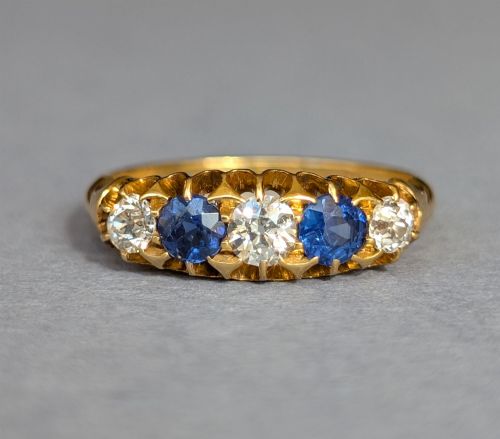
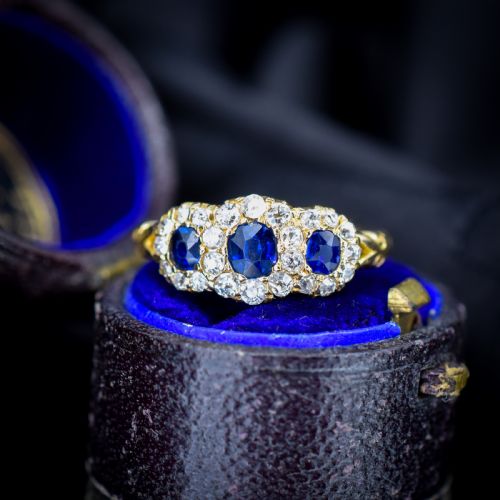
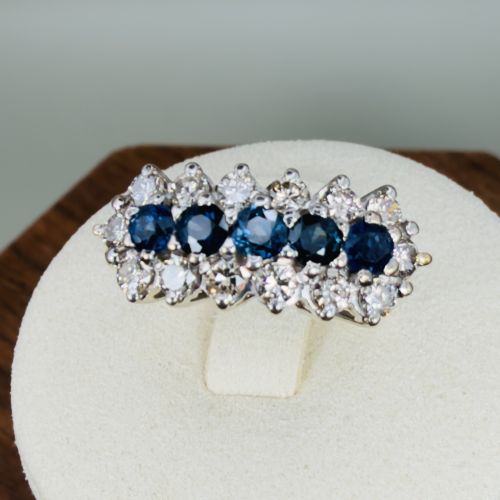
A blue stone dress ring brings together vibrant coloured gems and precious metals across periods ranging from Victorian designs to mid-century styles.
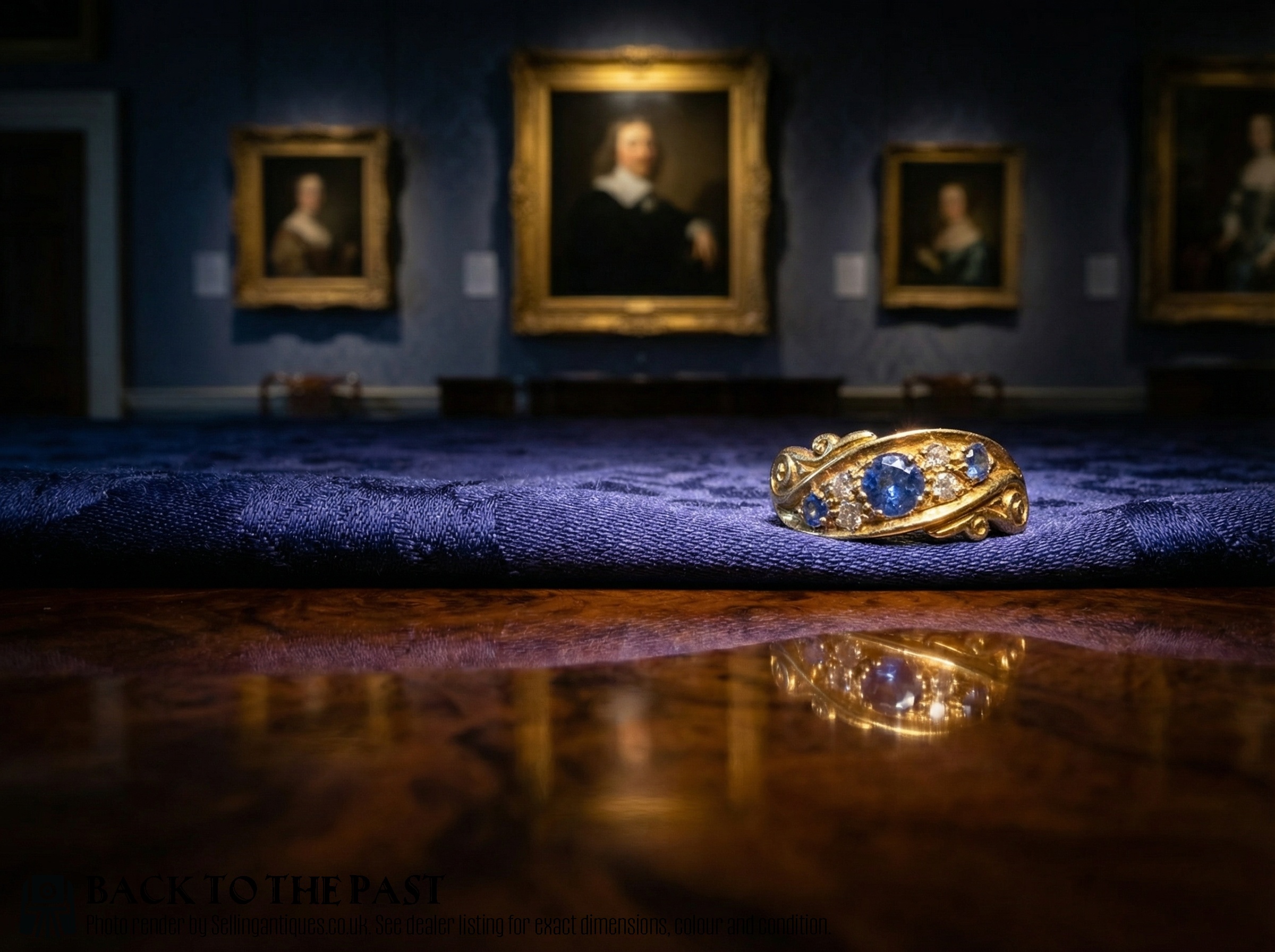
Blue Stone Dress Ring
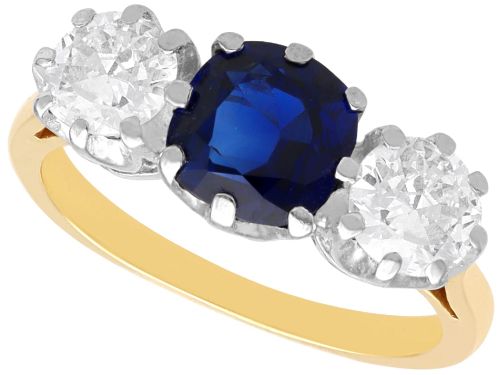
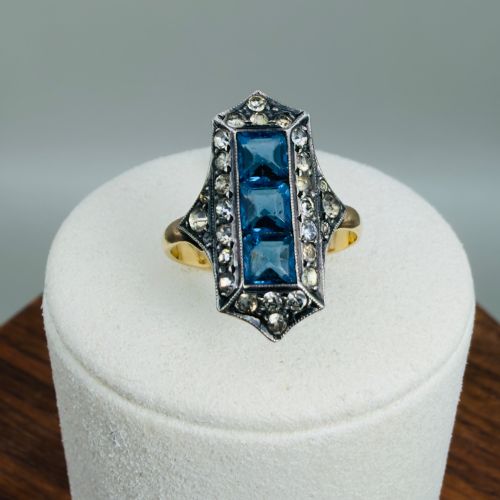
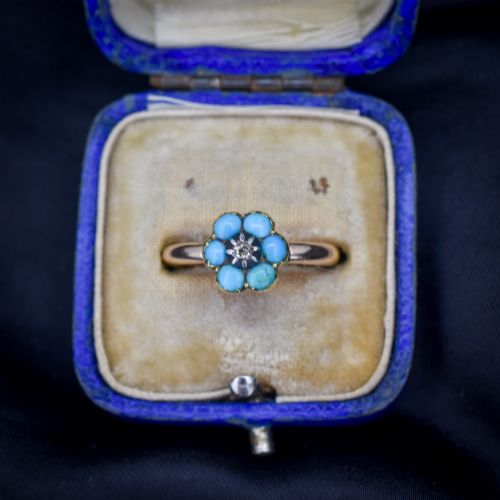
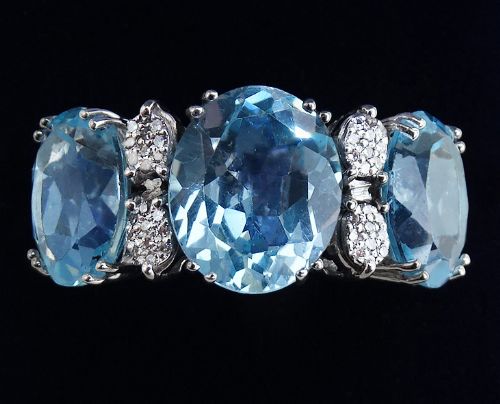
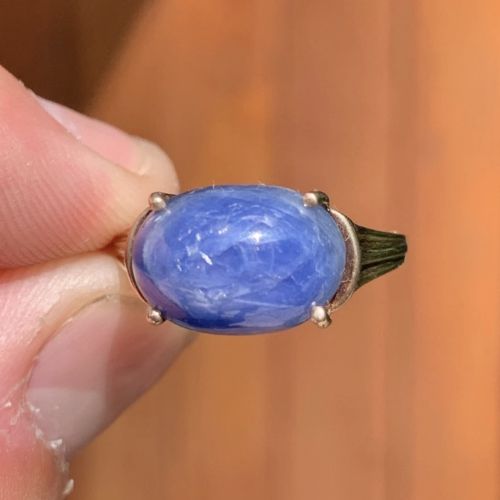
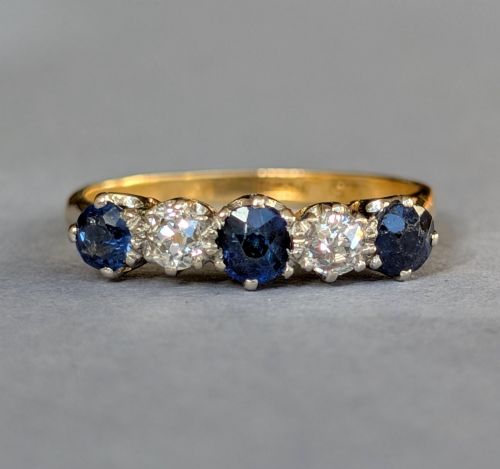
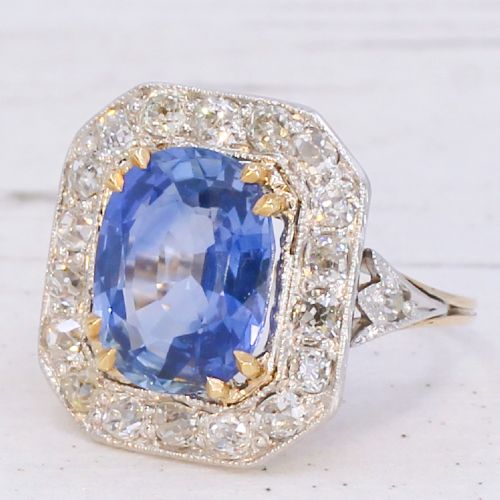
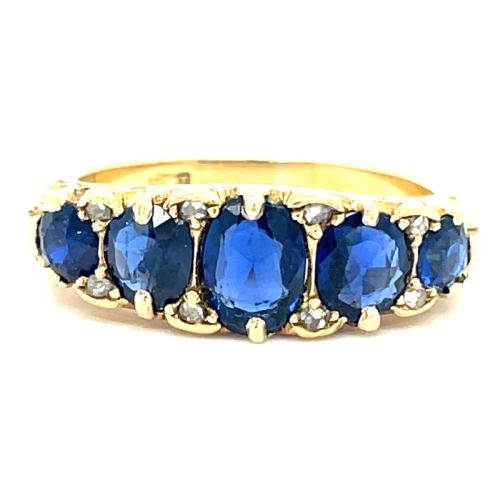
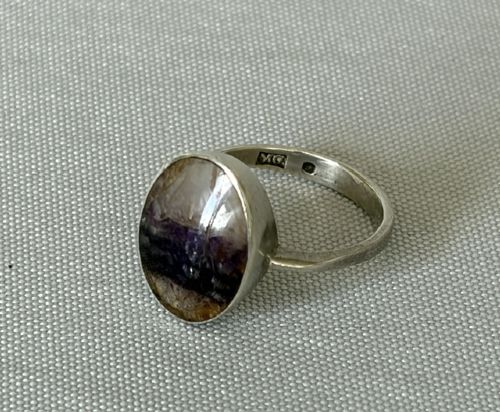
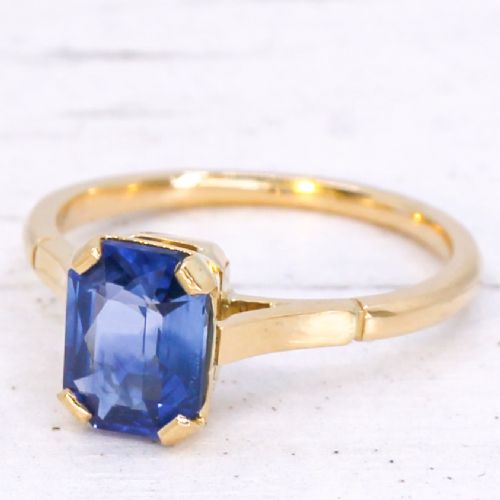
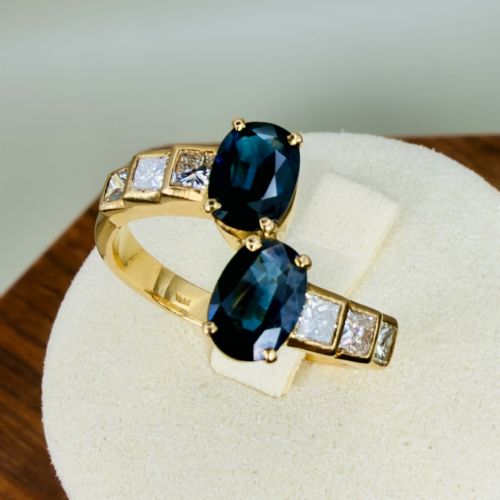
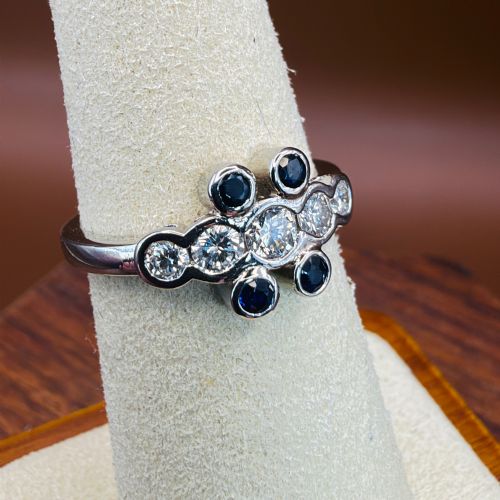
A blue stone dress ring spans eras from the late nineteenth century through the Edwardian, Art Deco, and mid-century periods, showcasing distinct design movements. These pieces typically combine blue stones such as sapphire, turquoise, aquamarine, zircon, and Blue John with supportive diamonds and other gems.
Makers utilised yellow gold, white gold, platinum, and silver as mounts, reflecting the shifting metallurgical preferences of each decade. Buyers encounter both delicate antique scrollwork and substantial twentieth-century cocktail designs.
How they were made
Goldsmiths combined yellow gold, white gold, platinum, and silver to form the structural mounts, often pairing silver with gold in earlier pieces to enhance the brilliance of mounted diamonds. Platinum emerged strongly in the twentieth century, allowing for delicate claw and bezel settings that secured complex clusters.
Lapidaries shaped blue stones into various cuts, including oval, round, and old cuts, before setting them alongside supporting diamonds using claw, flush, or cluster arrangements. Master craftsmen executed detailed scrollwork, engraved shoulders, and gallery wirework by hand during the Victorian and Edwardian eras.
Blue Stone Dress Ring Retail Price Guide 2026
Typical asking prices for blue stone dress ring among the pieces listed under this phrase on Sellingantiques today, from the lower quarter to the upper quarter. They describe what is for sale here now, not the wider market.
Listings feature yellow gold, white gold, platinum, and silver alongside diverse stones including sapphire, turquoise, aquamarine, and Blue John.
What varies in quality
The distinction between tiers rests on stone provenance, geological origin, and the optical saturation of the blue material itself. Unheated sapphires from specific regions command greater attention than standard commercial stones.
Execution of the metalwork defines the craftsmanship grade, distinguishing hand-carved antique mountings from later mass-produced castings. The precision of stone setting and the integrity of the original claw work also divide standard examples from exceptional items.
The Blue Stone Dress Ring Glossary
- Cluster ring
- A ring design featuring a central stone encircled by a group of smaller stones. This arrangement maximises visual impact and light reflection.
- Boat ring
- A navette-shaped ring setting that curves lengthwise along the finger. The tapered ends emulate the silhouette of a boat.
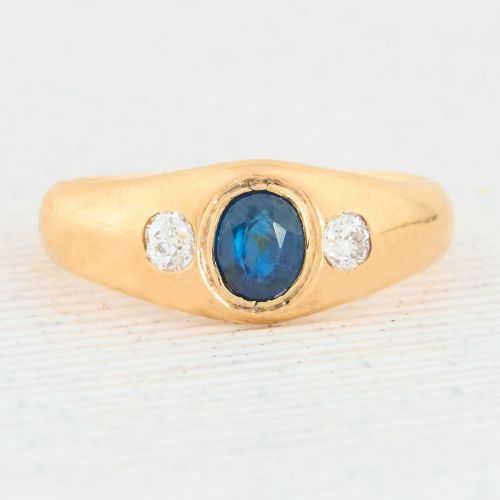
- Gypsy ring
- A style where stones are flush-set directly into the thick, tapering metal band. This creates a smooth, continuous surface around the finger.
- Trilogy ring
- A three-stone ring configuration representing past, present, and future. The central gem is flanked by two matching side stones.
Blue Stone Dress Ring: Frequently Asked Questions
How do I date a blue stone dress ring?
Dating relies on stylistic markers such as Victorian floral motifs, Edwardian filigree, Art Deco geometry, and mid-century boldness. Hallmarks stamped inside the band provide official assay office symbols and date letters for precise verification.
Examining the construction techniques, such as closed-back settings in older pieces or platinum use in twentieth-century examples, further clarifies the manufacturing era.
What metals were commonly used?
Eighteen-carat yellow gold is predominant in Victorian and Edwardian pieces, often paired with silver settings for diamonds. Platinum gained widespread use during the Art Deco period for its strength and bright finish.
Later mid-century pieces also incorporate nine-carat gold and white gold alongside platinum settings to complement cooler gemstone hues.
Are these rings suitable for daily wear?
Sapphires, diamonds, and spinels possess high hardness ratings that withstand regular daily wear with sensible care. Softer materials like turquoise require mindful protection from moisture, cosmetics, and heavy impacts.
Checking the security of the claws periodically ensures the stones remain firmly anchored in their mounts over time.