


Edwardian 18ct Gold Jewellery
Edwardian 18ct gold jewellery combines fine craftsmanship with delicate gems, offering timeless elegance for collectors.
Edwardian 18ct Gold Jewellery
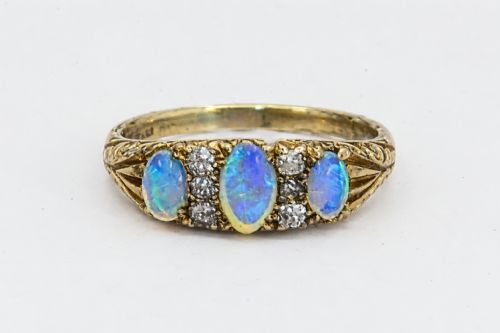
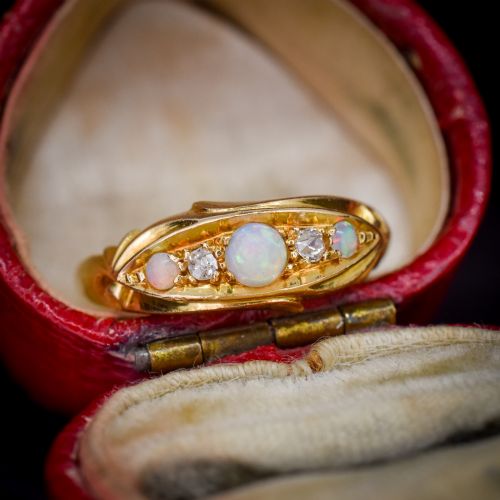
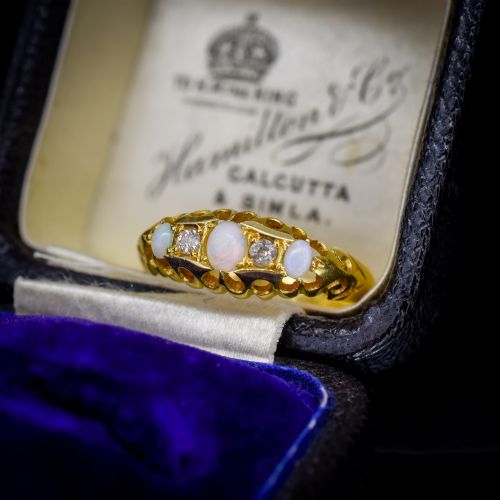
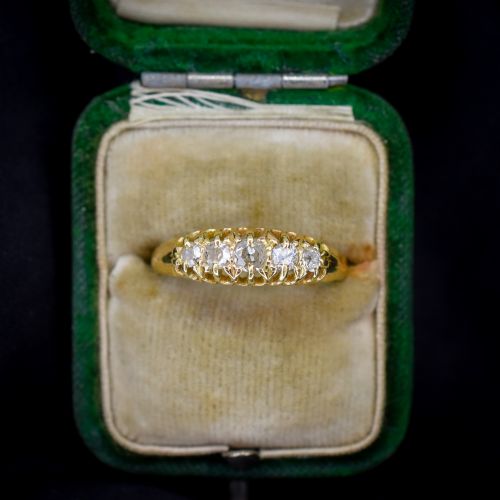
Edwardian 18ct gold jewellery encompasses rings, necklaces, earrings, and watch chains originating primarily from the early twentieth century and the Victorian era. The most common pieces met on this page are rings set with diamonds, opals, rubies, and sapphires.
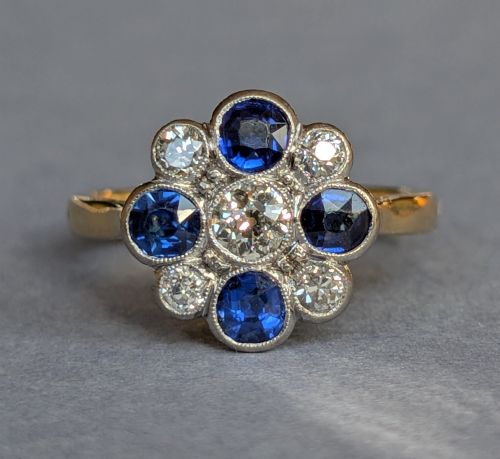
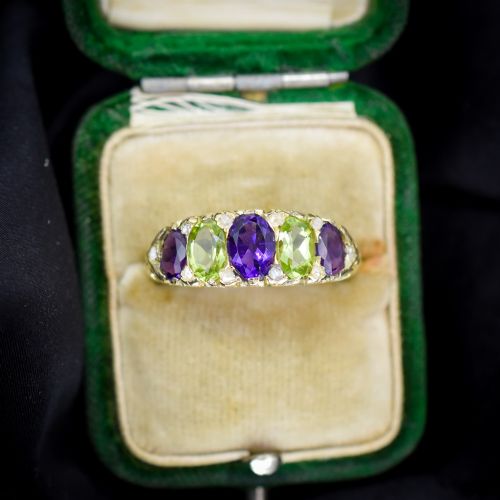
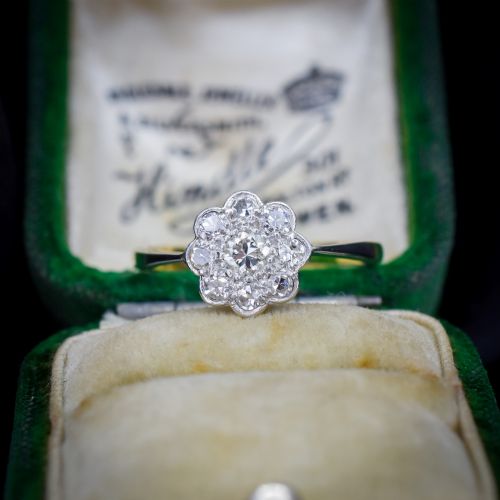
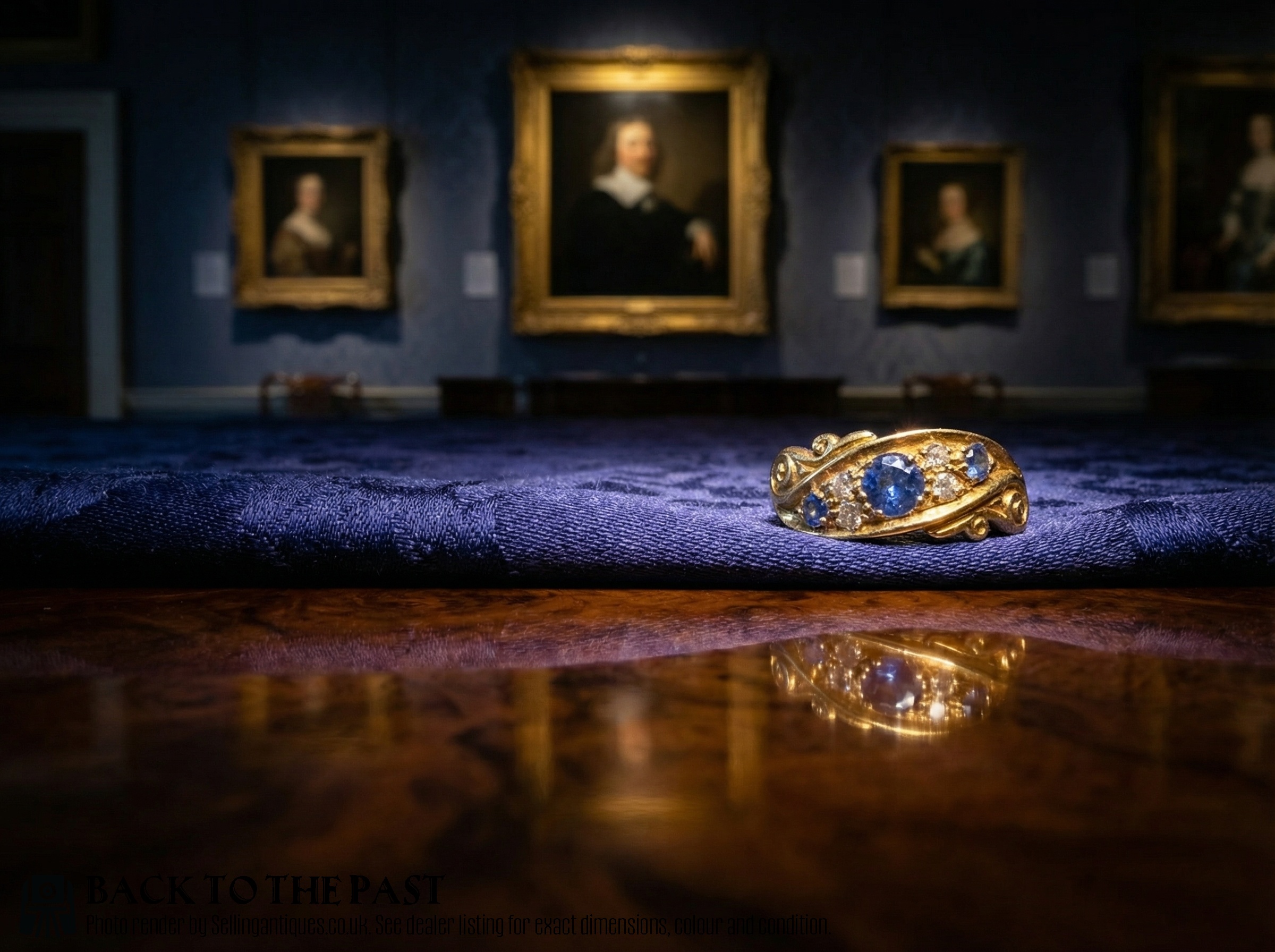
Makers utilised high-karat gold alongside platinum to mount stones in configurations such as boat rings, cluster settings, and multi-stone arrangements. These items reflect the stylistic transitions from late nineteenth-century ornamentation to the geometric lines of the Art Deco period.
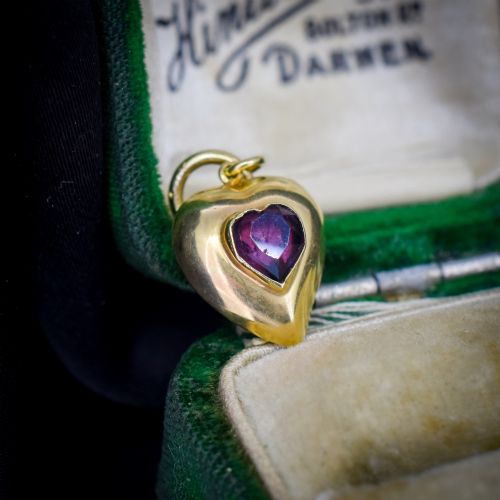
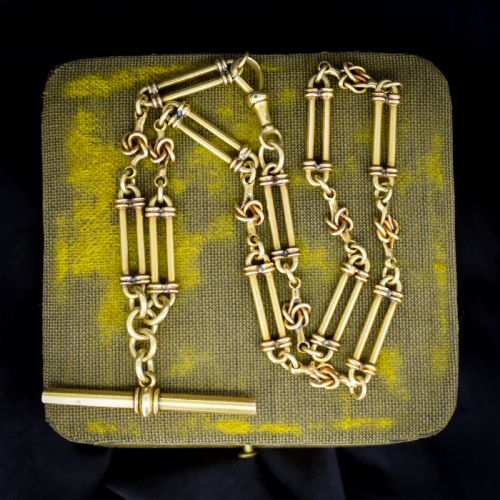
Buyers seek these items for their historical charm and wearable design. The selection includes delicate pendants, charm pieces, and substantial Albert watch chain necklaces rendered in 18ct yellow and white gold.
Materials and Technique
Craftsmen forged these items using 18ct yellow gold, 18ct white gold, and platinum settings to secure old-cut diamonds, sapphires, rubies, and opals. The combination of platinum and gold provided structural strength for intricate cluster and navette designs.
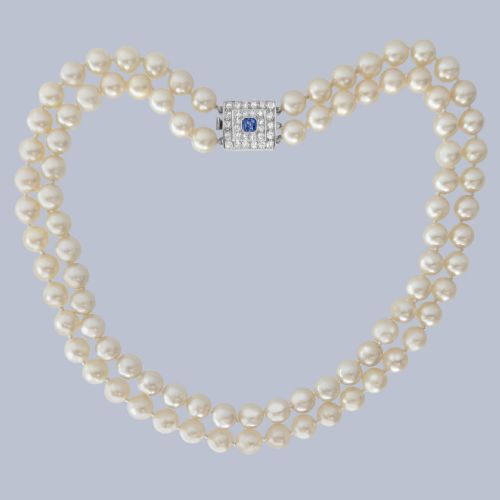
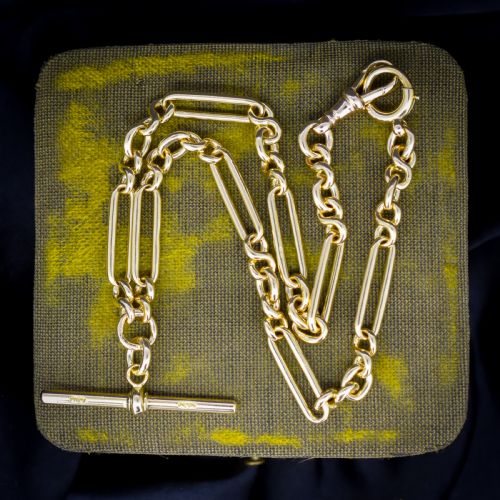
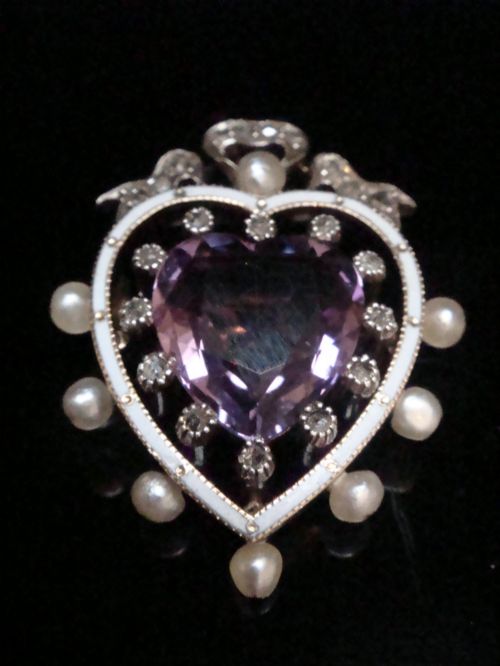
Techniques included bezel setting, channel setting, and delicate guilloche enamel work paired with natural pearls. Goldsmiths also utilised hollow-formed links for trombone and curb link watch chains to maintain drape without excessive weight.
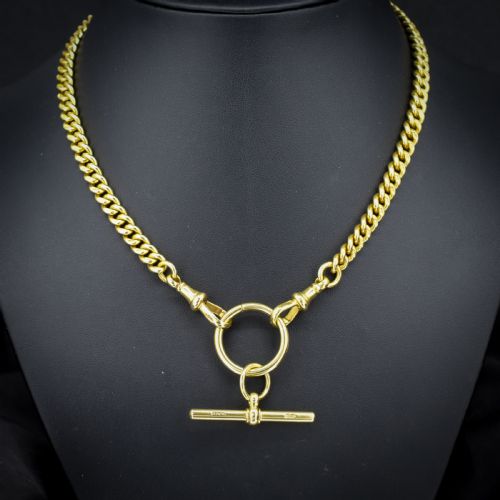
Some antique watch chains now find new life resting comfortably around necks rather than holding pocket watches.
Assessing Quality
The standard of Edwardian 18ct gold jewellery depends on the precision of the gem setting and the integrity of the goldwork. Superior examples display crisp claw work and well-matched natural stones without visible wear to the underlying metal.
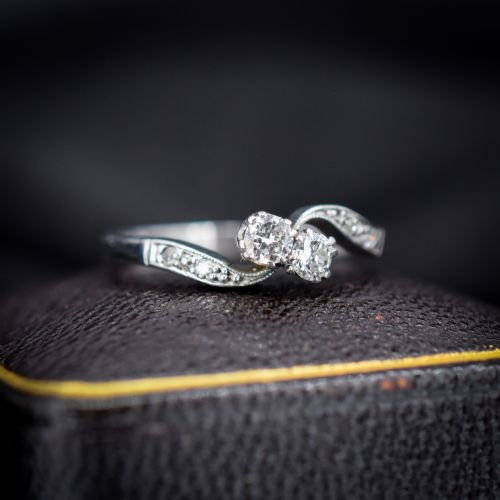
Artistry in design, such as balanced Toi Et Moi twists or detailed starburst patterns, distinguishes finer specimens from standard production. The retention of original hallmarks and untouched mountings also elevates the standing of an individual piece.
The Edwardian 18ct Gold Jewellery Glossary
- Boat ring
- A curved ring setting resembling the hull of a ship, frequently featuring graduated stones popular in the Edwardian era. This silhouette allows multiple gems to sit low against the finger.
- Toi Et Moi
- A two-stone ring design symbolising two souls intertwined, commonly pairing a diamond with a sapphire or ruby. The stones sit side by side or in a slight twist.
- Gypsy ring
- A style where stones are flush-set directly into the thick gold band, creating a smooth surface. These were favoured for daily wear by both men and women.
- Guilloche enamel
- A decorative technique where intricate geometric patterns are engraved beneath translucent enamel. It provides depth and rich colour to pendants and lockets.
- Albert chain
- A heavy watch chain designed to attach to a pocket watch, frequently worn as a necklace in modern styling. Trombone and curb links are typical variations.
Edwardian 18ct Gold Jewellery: Frequently Asked Questions
How do I care for antique opal rings?
Opals contain natural water content and require gentle handling to prevent drying out or cracking. Avoid exposing these rings to harsh chemicals, ultrasonic cleaners, or sudden temperature changes.
Store them separately from harder gemstones like diamonds to prevent scratching the softer opal surface. Regular inspection by a jeweller ensures the prongs holding the stone remain secure.
Are these pieces suitable for daily wear?
Eighteen-carat gold provides a durable base for everyday items, though antique settings require more care than modern equivalents. Rings with delicate claws or softer gems such as pearls and opals benefit from removal during heavy manual tasks.
Checking the mountings periodically helps preserve the integrity of older claw and bezel settings. Proper storage prevents unnecessary friction against other items in a collection.
How can I verify the gold purity?
British pieces typically feature hallmark stamps indicating the gold standard, often showing an 18 crown symbol for 18ct gold. Assay office marks can also reveal the specific city and year of manufacture.
Testing by a professional using acid or X-ray fluorescence provides definitive confirmation of the metal composition. Unmarked Continental items rely on maker marks and regional standards for verification.