


Antique Gold Cluster Earrings
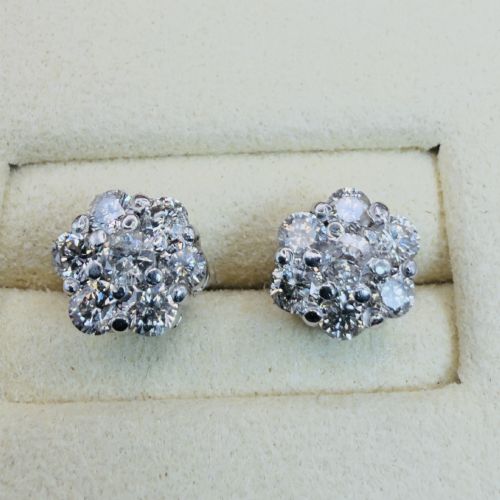
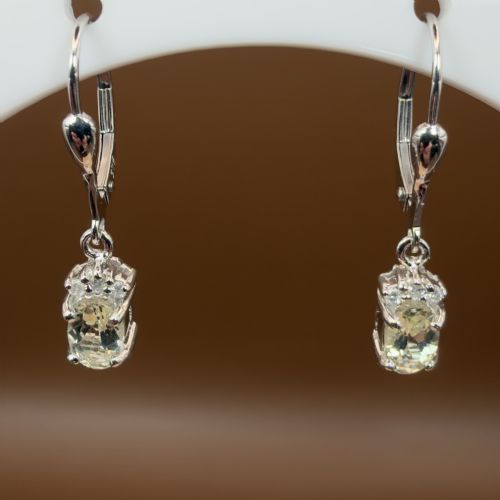
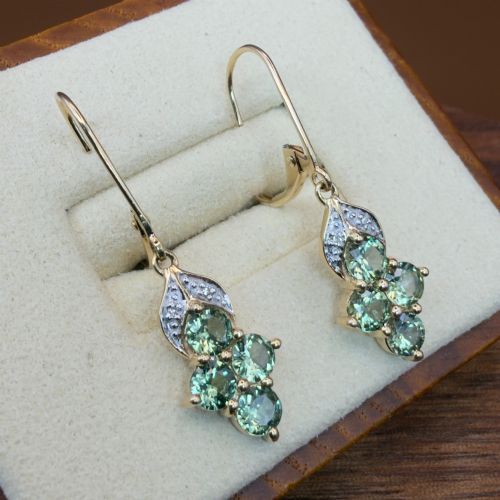
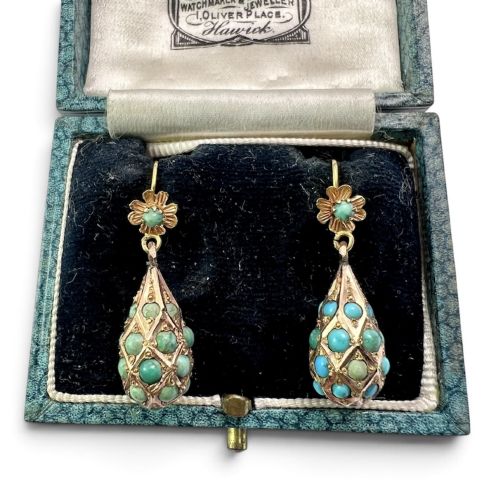
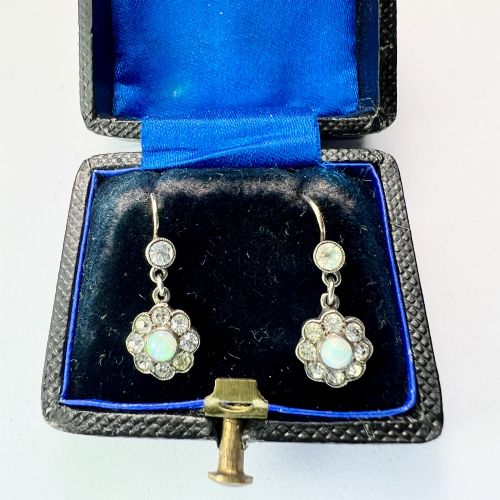
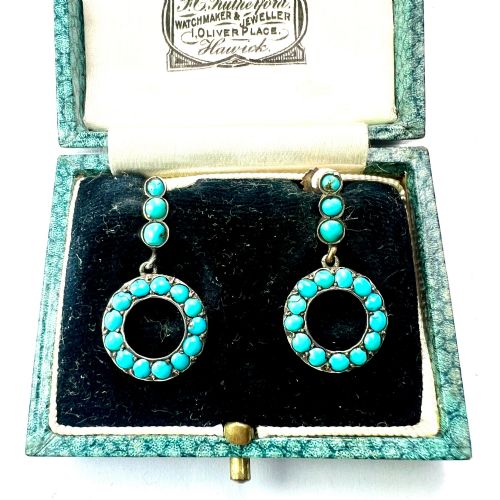
These antique gold cluster earrings bring together centuries of varied gemstone work, offering a central focus stone framed by smaller gems.
Antique Gold Cluster Earrings
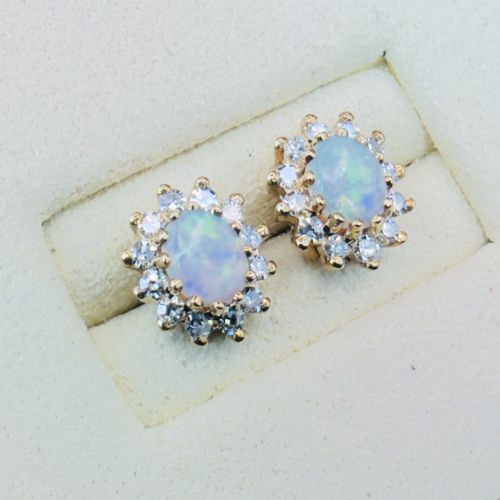
When searching for antique gold cluster earrings, a buyer encounters pieces arranged in a central floral, target, or halo formation where a primary gem is surrounded by smaller stones.
The most common examples on this page stem from the Victorian and Edwardian periods, alongside Art Deco and Mid-Century variations.
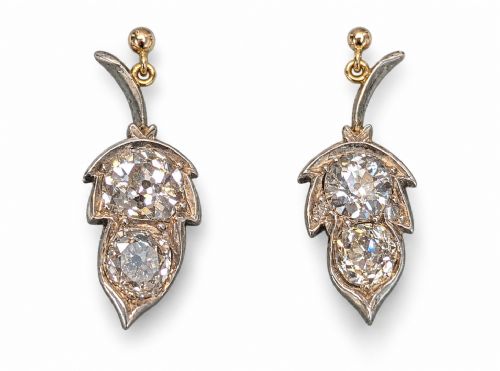
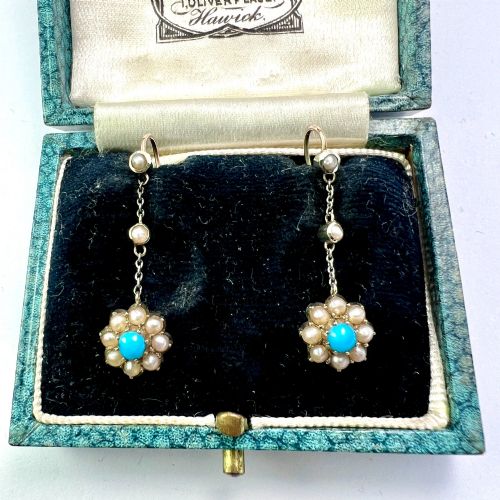
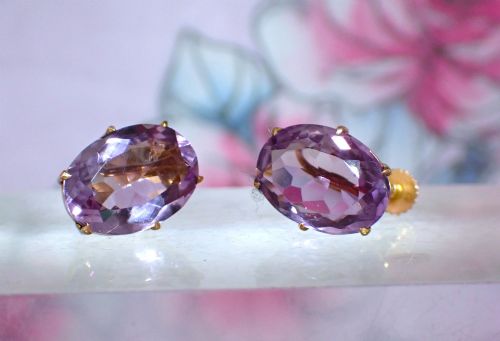
These items span forms such as drop earrings, studs, and screw-on designs, utilising metals from 9ct and 18ct gold to silver-gilt settings.
How they were made
Maker techniques involve setting diamonds, emeralds, sapphires, garnets, and turquoise into gold and silver combinations, often utilising old cut stones.
Earrings utilise yellow, white, and rose gold alongside platinum and silver, paired with seed pearls, enamel, and paste.
Ivy leaf garnets let you whisper secret Victorian botany lessons directly into someone's shoulder.
What varies in quality
Quality differences emerge in the selection and matching of the central cluster stones, such as natural pearls, old cut diamonds, or Colombian emeralds, relative to their surrounding melee.
Execution of the metalwork, whether in delicate Edwardian pierced mounts or robust Victorian hinged drop structures, defines the standard of production.
Knoll & Pregizer
The Antique Gold Cluster Earrings Glossary
- Cluster
- A stone setting arrangement where a central gemstone is completely encircled by a ring of smaller stones. This layout forms the visual core of these earrings.
- Old Cut
- A hand-faceted diamond cut predating modern brilliant standards, characterised by a smaller table and higher crown. These stones appear frequently in Georgian and Victorian clusters.
- Guilloche
- An engraved decorative technique covered with translucent enamel, seen in target design pieces from the Georgian era. It adds geometric texture beneath coloured glass or enamel.
- Screw-on
- A mechanical earring fastening utilising a threaded post and nut to secure the piece without requiring pierced ears. This mechanism appears on many twentieth-century items.
Antique Gold Cluster Earrings: Frequently Asked Questions
How do I wear screw-on earrings?
Screw-on fasteners use a threaded back that gently pinches the earlobe to hold the piece in place. Adjust the tension carefully until the earring feels secure without biting into the skin.
This backing style appears often on vintage and antique pairs intended for unpierced ears. Twist the nut down the post slowly until the fit matches your comfort.
Are these diamonds modern cuts?
Diamonds in these listings are generally old cut stones rather than modern brilliant cuts. Hand-polishing gave them softer facets and distinctive proportions.
Under magnification, these historical stones show smaller tables and open culets at the base. This historic faceting method contributes to the softer light reflection characteristic of antique jewellery.
What is a target design?
Target designs feature concentric circles of contrasting colours or materials radiating outward from a central point. Georgian pieces frequently use enamel and seed pearls for this effect.
The geometric concentric rings create a distinct optical focal point on the earlobe. This style relies on precise enamel work and uniform pearl grading.
How do I date a pair?
Dating relies on metal combinations, gemstone cuts, and fastening types seen across the pieces. Victorian and Georgian items often pair yellow gold with silver top settings for stones.
Art Deco examples lean toward white gold and platinum with calibrated sapphires or diamonds. Fasteners like screw-backs and clips also help narrow down the decade of production.