
Edwardian Gold Sapphire Diamond Ring
An edwardian gold sapphire diamond ring brings together rich blue gems and bright old cut stones set in precious metal.
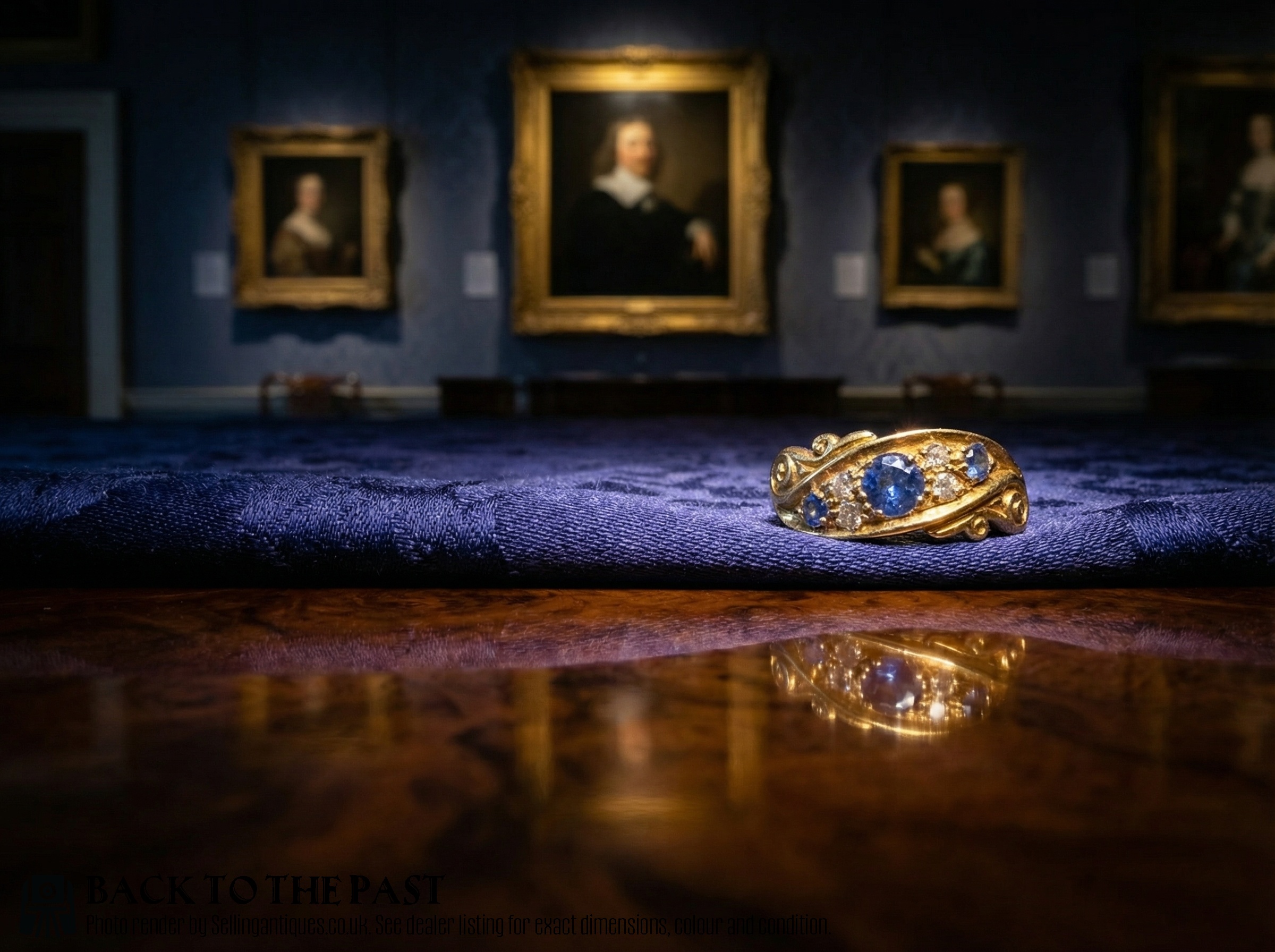
Edwardian Gold Sapphire Diamond Ring
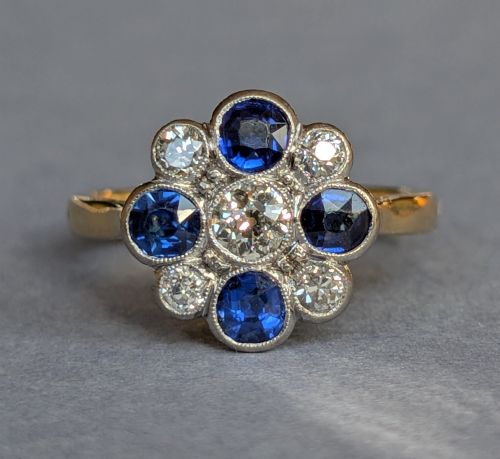
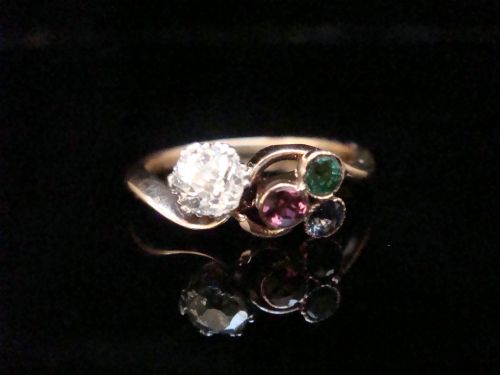
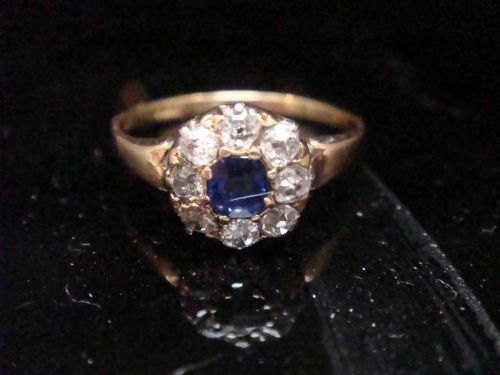
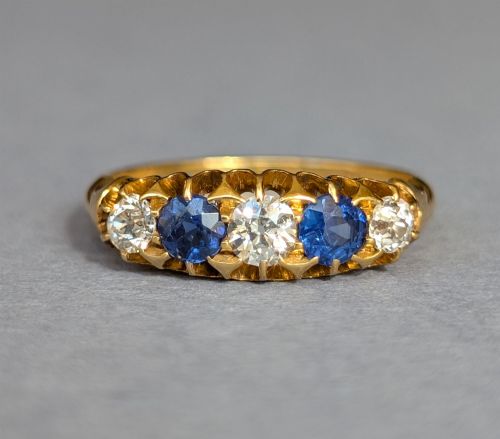
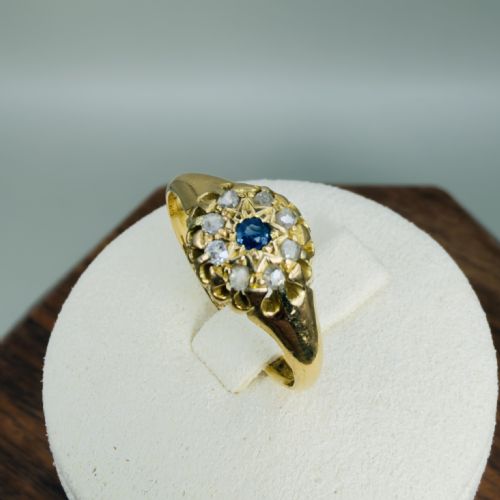
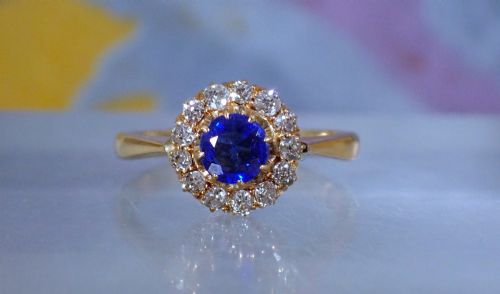
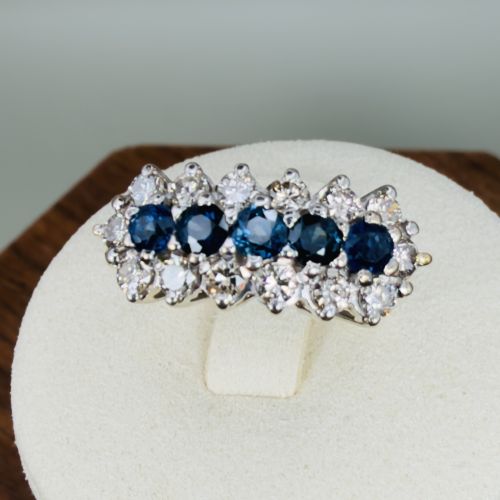
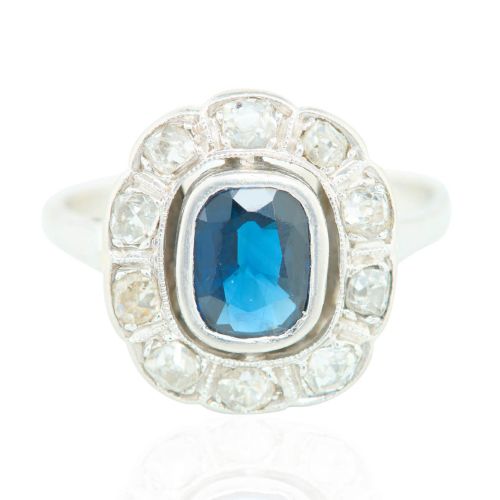
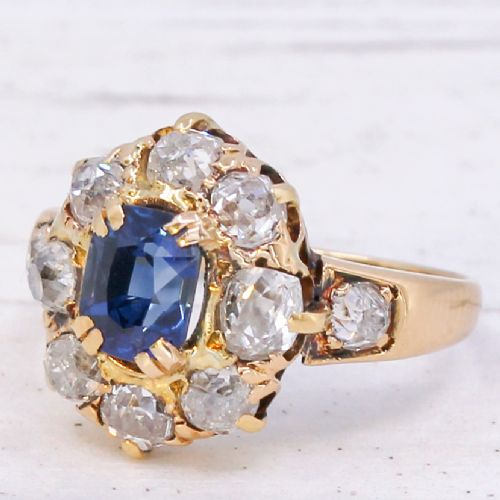
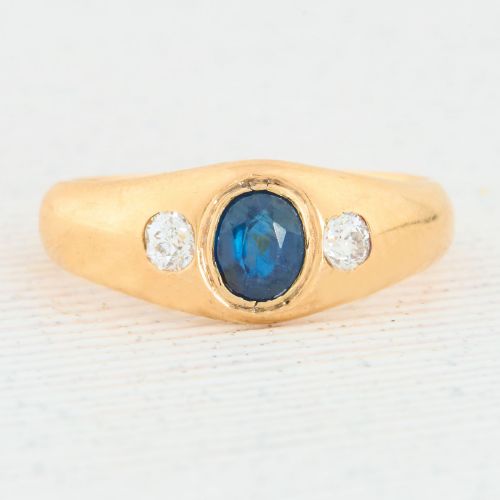
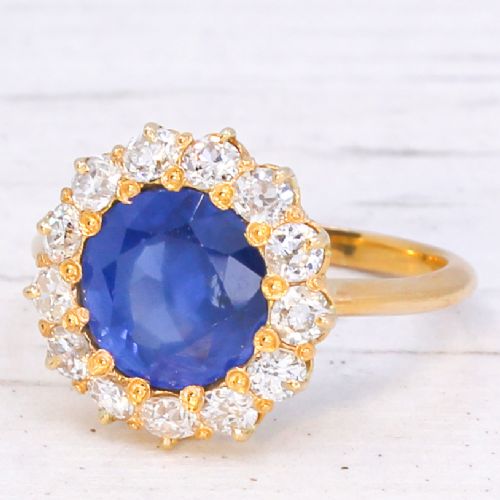
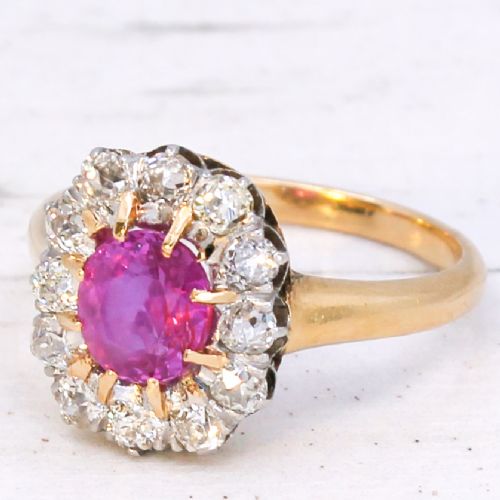
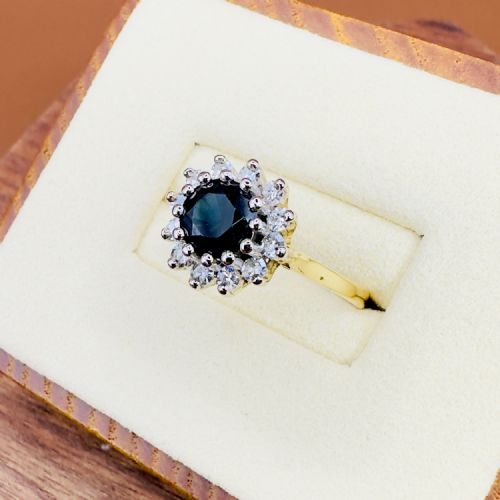
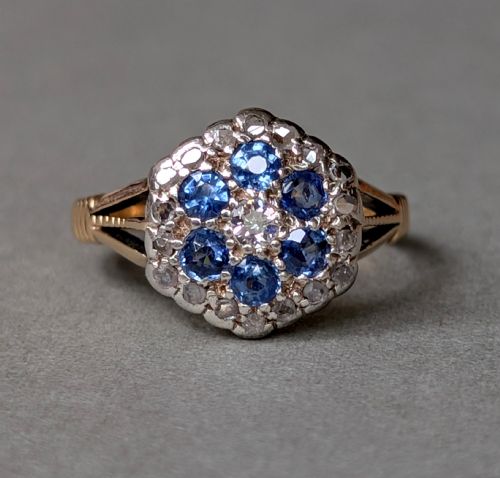
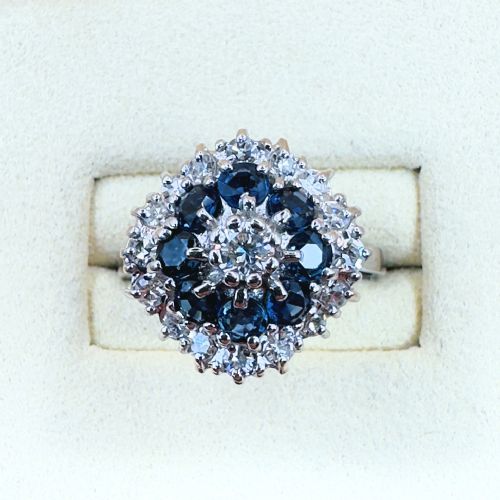
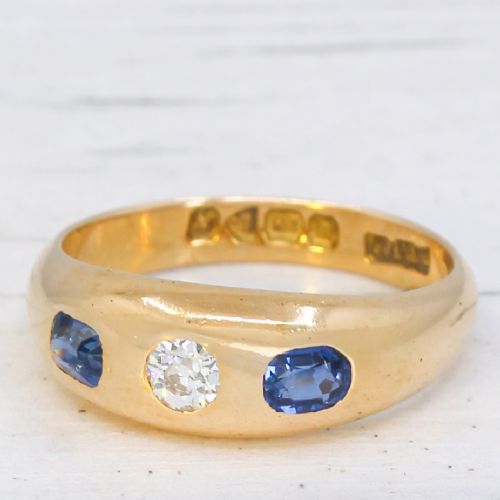
The edwardian gold sapphire diamond ring category encompasses pieces made during the early twentieth century alongside adjacent Victorian and Art Deco examples. These rings frequently take cluster, daisy, boat, or gypsy forms incorporating blue sapphires alongside diamond accents.
Makers utilised yellow gold, white gold, and platinum settings to mount stones in configurations ranging from simple twist rings to elaborate target and plaque designs. Many surviving pieces reflect the aesthetic preferences of the Edwardian period through floral motifs and delicate wirework.
Construction and materials
Goldsmiths worked primarily with eighteen carat yellow gold and white gold, often combining platinum for prong and bezel settings to enhance stone brilliance. Stones were secured using hand-cut collets and meticulous claw or grain settings suited to old mined and old cut diamonds.
Natural sapphires, including unheated Burmese and Ceylon varieties, were paired with hand-faceted diamonds shaped as old cuts, rose cuts, or calibre cuts. Metal components were frequently cast and finished by hand, occasionally bearing hallmarks from regional assay offices such as Chester or Birmingham.
Several rings feature hidden starburst motifs carved directly into the gold behind the stones, visible only when removed from the finger.
Quality variations
Quality differences stem from the origin and optical characteristics of the central sapphire, with unheated stones displaying natural depth of colour commanding attention. The cut and clarity of the accompanying diamonds further distinguish superior examples from standard production.
The precision of the metalwork, integrity of the claw settings, and preservation of original hallmarks dictate the overall standard of survival in these rings. Superior pieces maintain crisp gallery details and secure stone placement without modern alterations.
The Edwardian Gold Sapphire Diamond Ring Glossary
- Cluster ring
- A ring design featuring a central gemstone surrounded by a ring of smaller stones. This arrangement maximises visual impact and light reflection.
- Old cut diamond
- A hand-faceted diamond shape typical of the nineteenth and early twentieth centuries, characterised by a high crown and small table. These stones display a softer, candlelit sparkle compared to modern brilliant cuts.
- Gypsy ring
- A style where stones are flush-set directly into the heavy gold band, creating a smooth, tapering profile. This secure mounting was popular for daily wear.
- Calibre cut
- Gemstones shaped specifically to fit tightly together in geometric patterns, commonly seen in Art Deco designs. This technique requires exceptional lapidary skill.
- Boat ring
- A navette or elongated boat-shaped cluster setting that sits horizontally across the finger. The silhouette flatters the hand while accommodating multiple stones.
Edwardian Gold Sapphire Diamond Ring: Frequently Asked Questions
How do I care for my ring?
Clean your piece gently using warm water, mild soap, and a soft brush to remove everyday debris from beneath the settings. Avoid harsh ultrasonic cleaners, particularly with treated or heavily included stones.
Store the ring separately in a fabric-lined box to prevent the diamonds from scratching softer gold bands or adjacent gemstones. Regular checks by a jeweller will ensure the claw settings remain secure.
Were these rings worn as engagement rings?
Many examples from this era served as engagement tokens, particularly the daisy and cluster configurations that gained immense popularity. Couples frequently selected durable stones like sapphire and diamond for daily wear.
Alternative forms such as gypsy rings and multi-stone bands were also purchased to mark anniversaries or simply as fashionable dress jewellery. The variety of styles reflects diverse personal tastes of the period.
What is an old cut diamond?
An old cut diamond refers to hand-carved stones shaped before the standardisation of modern brilliant cutting techniques in the early twentieth century. These stones typically feature smaller tables, larger culets, and distinctive facet proportions.
Their unique geometry produces a warmer, softer scintillation under low lighting conditions. This artisanal cutting method ensures each stone possesses individual character.
How can I tell the period of a ring?
Examine the metal choices, setting styles, and overall silhouette to gauge the likely era of manufacture. Edwardian pieces often feature platinum-topped gold and delicate pierced galleries, whereas Art Deco items display geometric symmetry.
Assay office hallmarks, sponsor marks, and stamped date letters provide definitive clues when present inside the shank. Comparing these stamps against historical records confirms the exact year and location of testing.