
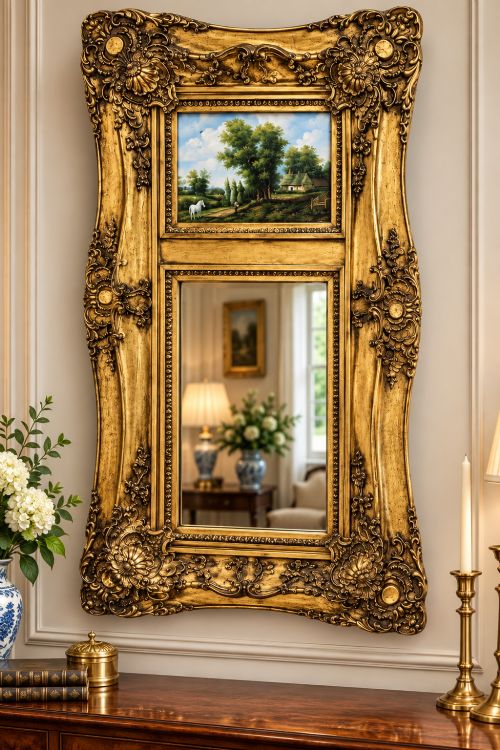
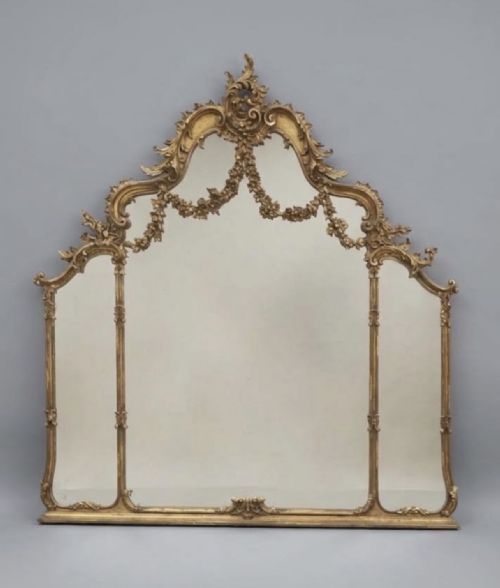
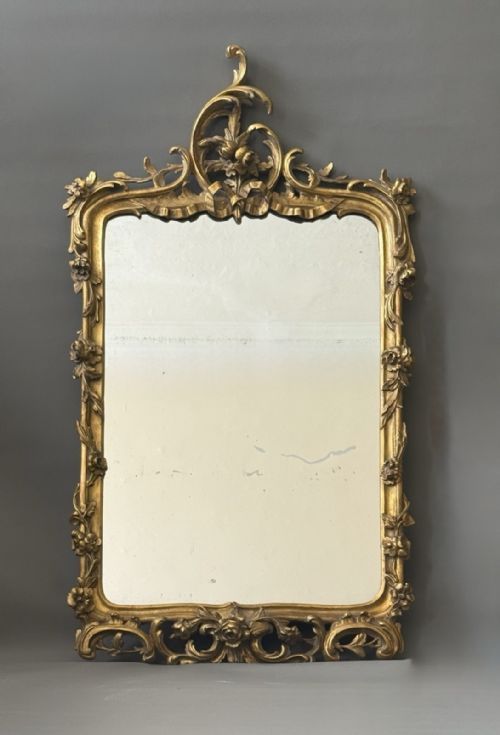
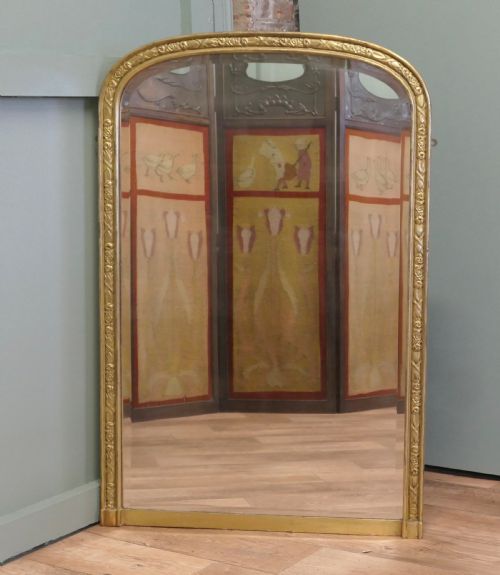


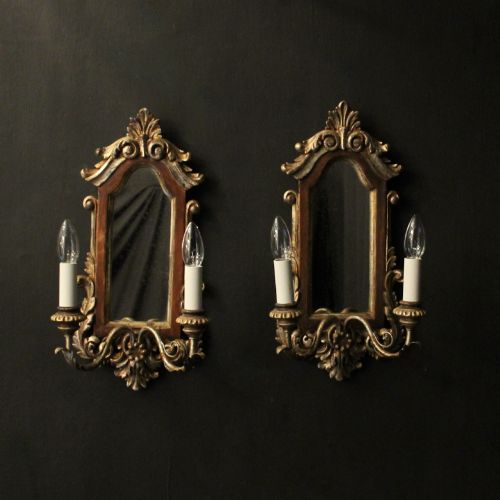
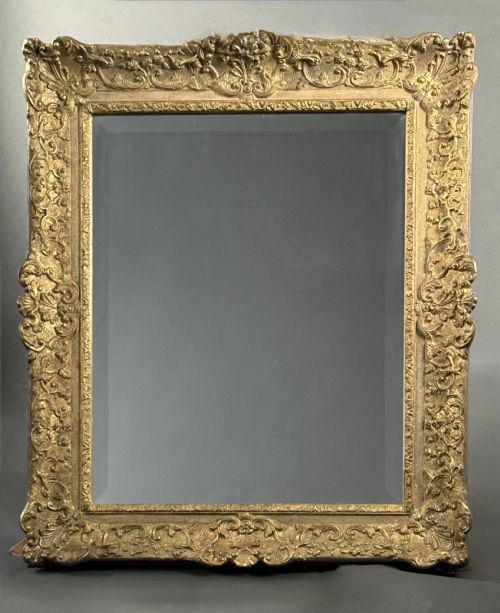
Vintage Carved Gilt Mirror
These pieces bring light and presence to a room, and a vintage carved gilt mirror offers that traditional touch of metallic warmth.
Vintage Carved Gilt Mirror
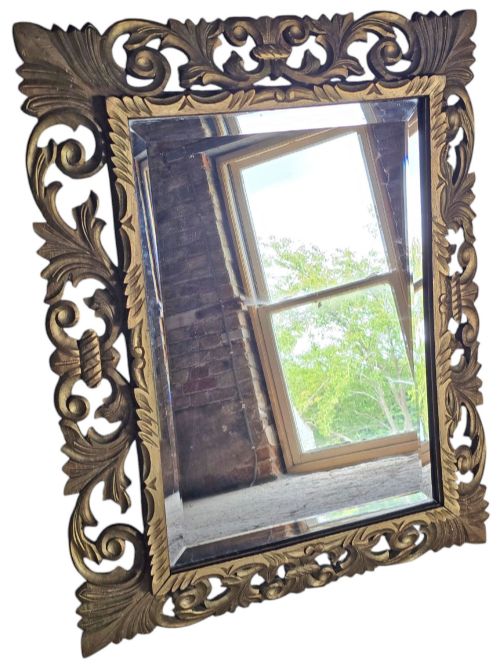
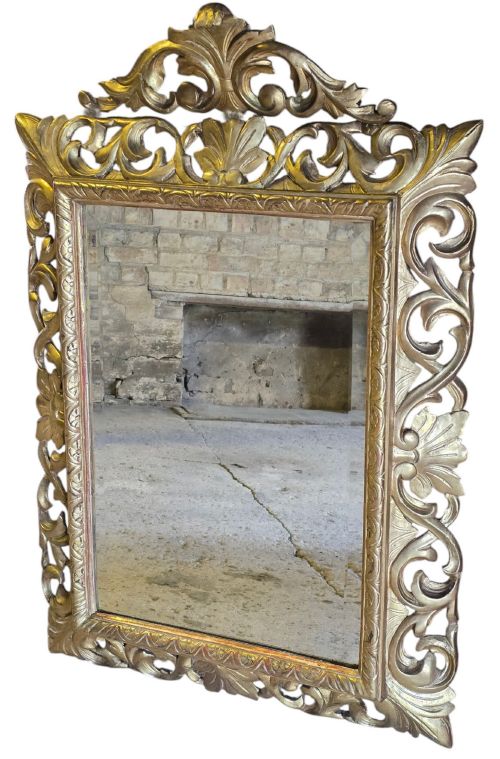
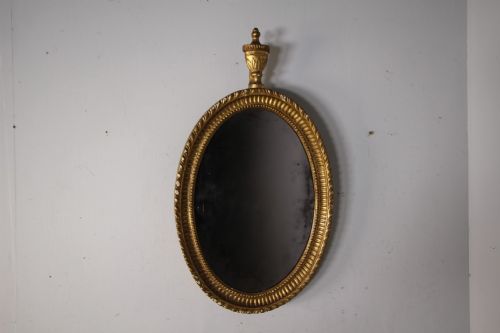
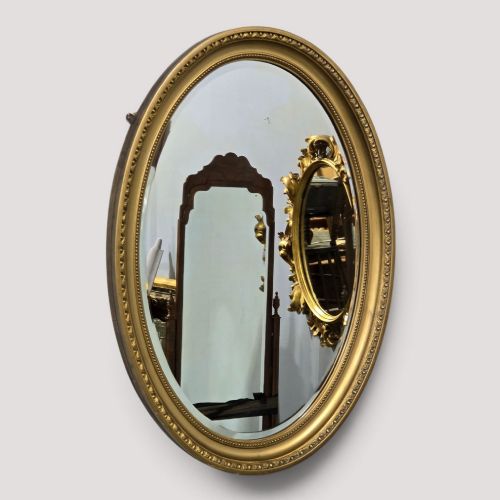
A vintage carved gilt mirror serves primarily as a decorative wall hanging or overmantel piece, bringing reflected light and traditional styling into domestic spaces. When searching for a vintage carved gilt mirror, buyers encounter a range of formats from substantial overmantels to tall leaner mirrors and smaller oval wall pieces.
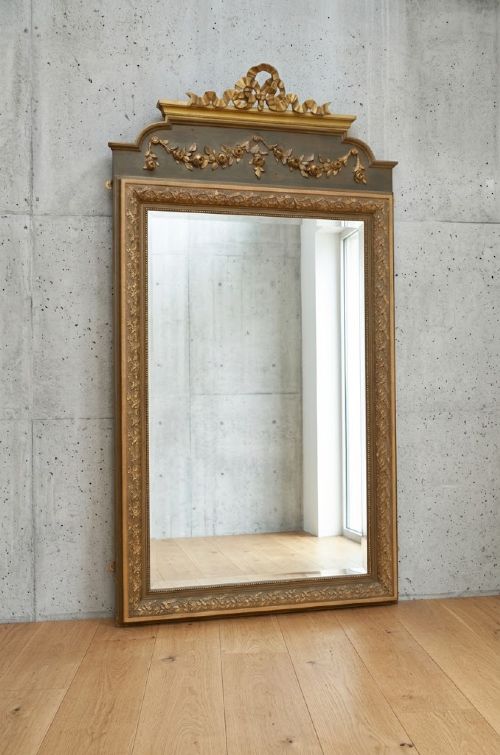
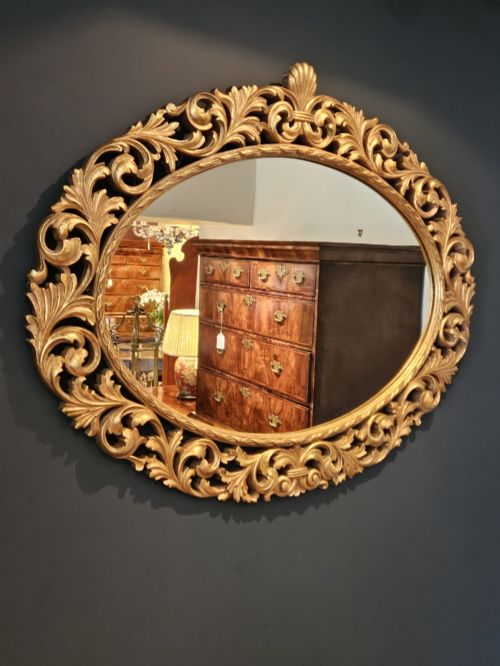
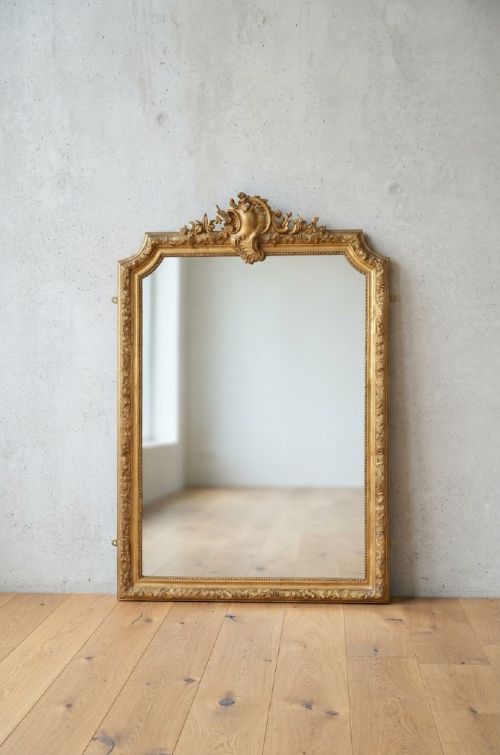
The selection on this page leans heavily towards 19th-century and French provincial or Rococo revival designs, alongside English and Italian variants. These objects function as central focal points in a room, traditionally placed above mantelpieces or console tables to amplify natural daylight.
Originating predominantly from French, Italian, and English workshops, the forms include rectangular, arched, convex, and intricately shaped top frames. Buyers will find both grand statement pieces designed for high ceilings and more restrained oval or rectangular wall mirrors.
How they were made
Makers constructed the foundational frames using timber such as wood, walnut, or mahogany, often applying layers of gesso to build up intricate relief details. Carvers then shaped floral, ribbon, and scroll motifs directly into the wood or composition material before finishing the surface.
Guilders applied gold leaf or paint over the prepared gesso and wood base to achieve the characteristic metallic lustre seen on these frames. Many pieces feature glass plates, including antique mercury glass or bevelled mirror plates held securely within the carved structure.
Materials recorded across the inventory include traditional giltwood, gesso, composition, mahogany, walnut, and painted wood paired with glass.
What varies in quality
Depth and crispness of the carving separate standard frames from superior examples, as skilled artisans achieved sharper undercut details and more fluid organic motifs. The application of the gilding itself alters the visual impact, with genuine gold leaf ageing differently from later painted or composition surfaces.
The integrity of the original glass plate and the underlying wooden frame structure heavily influence the overall character of the piece. Surviving original mercury glass or heavy gesso mouldings intact after more than a century demonstrate superior preservation and initial craftsmanship.
The Vintage Carved Gilt Mirror Glossary
- Giltwood
- Wood that has been coated with gold leaf or a gold-coloured substance. This material provides the brilliant metallic finish characteristic of antique wall mirrors.
- Gesso
- A plaster-like mixture applied to wood frames to create a smooth surface for carving and gilding. It allows artisans to model complex relief decorations.
- Overmantel
- A large mirror designed specifically to hang above a fireplace mantelpiece. These pieces often feature wide horizontal proportions to suit the width of the hearth.
- Trumeau
- A decorative wall mirror combined with a painted panel or artwork above the glass. Originating in French interiors, these panels provide a balanced architectural feature.
- Convex
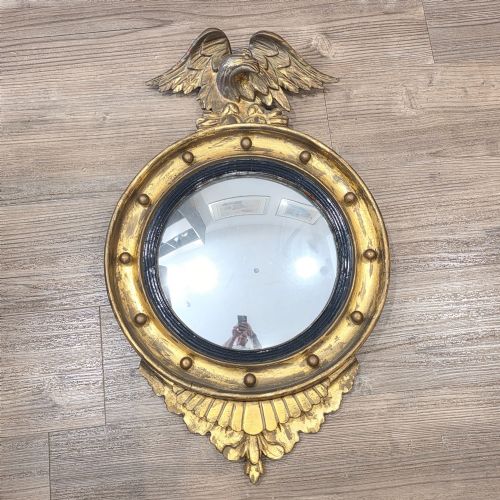
- A curved, outward-bulging mirror glass that captures a wide-angle reflection of the entire room. These circular pieces are frequently surmounted by carved figures like eagles.
Vintage Carved Gilt Mirror: Frequently Asked Questions
How do I hang a heavy overmantel mirror?
These substantial frames require secure wall fixings anchored directly into structural studs or masonry to support their considerable weight safely. Professional mirror hangers typically use heavy-duty wall brackets or French cleats to distribute the load evenly across the wall.
Ensuring the hanging wire or D-rings on the reverse match the weight of the timber and glass prevents accidental slipping over time.
What is foxed glass?
Foxed glass refers to antique mirror plates that have developed dark spots, mottling, or speckled oxidation behind the silvering layer over decades. This natural ageing process occurs as moisture slowly penetrates the backing of the glass.
Many collectors prize genuine foxed glass for the soft, historic character it imparts to the reflection rather than seeking a flawless modern finish.
Can these mirrors be placed in bathrooms?
High humidity and fluctuating temperatures in bathrooms can damage the gesso, gilding, and the silvered backing of antique mirror plates. Moisture causes the traditional plaster-based gesso to soften and the metallic leaf to flake away from the wooden frame.
Dry reception rooms, hallways, and living spaces remain the safest environments for preserving antique gilt surfaces.
How do I clean a gilt frame?
Dusting gently with a soft, dry brush or a feather duster prevents dirt from settling into the intricate carved recesses of the wood. Liquid cleaners and harsh chemical sprays must be avoided entirely, as they strip the delicate gold leaf and gesso.
Glass plates can be wiped carefully with a microfibre cloth dampened slightly with water, ensuring no moisture drips onto the surrounding frame.