
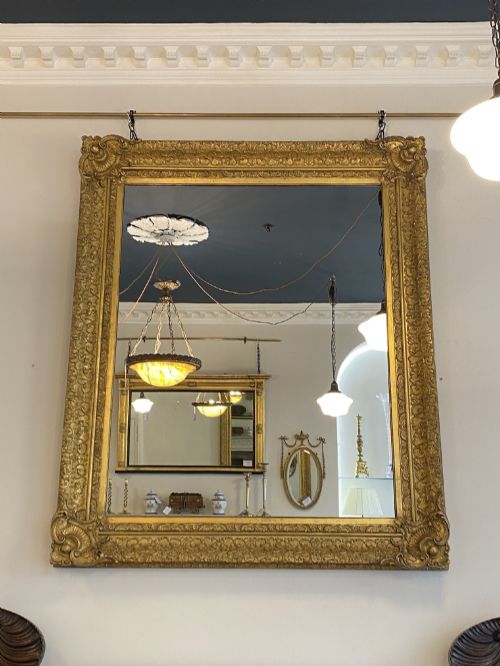
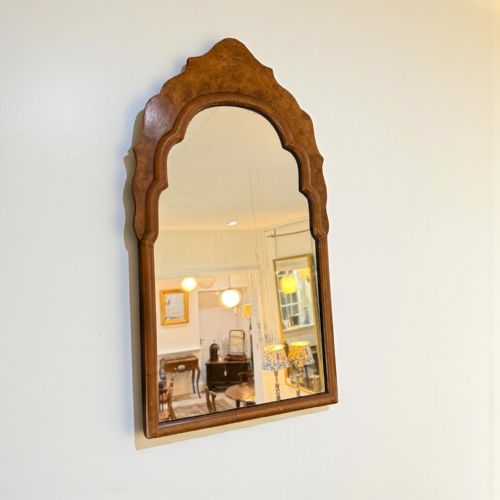
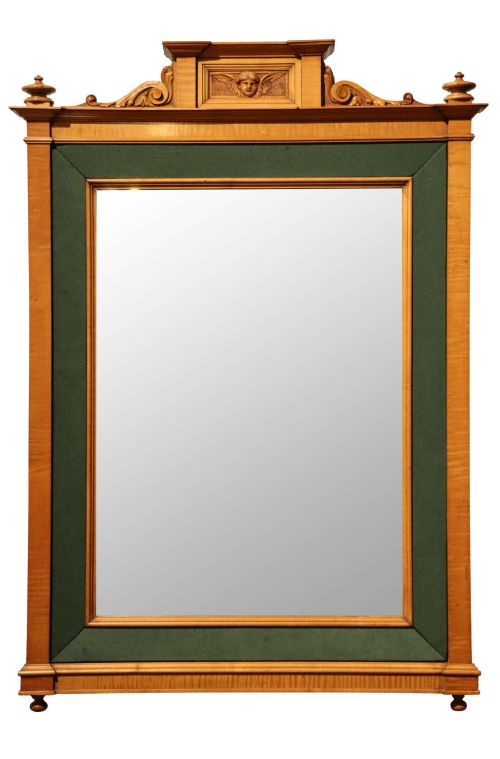
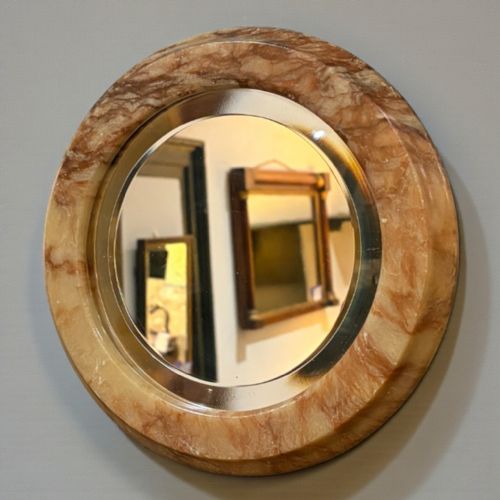
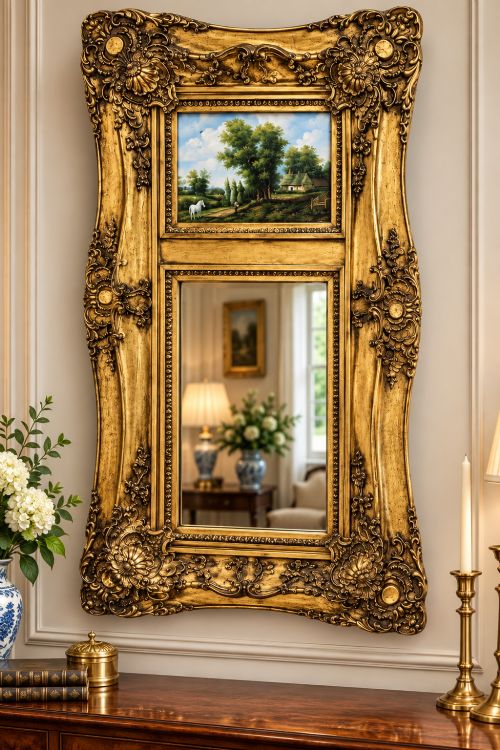
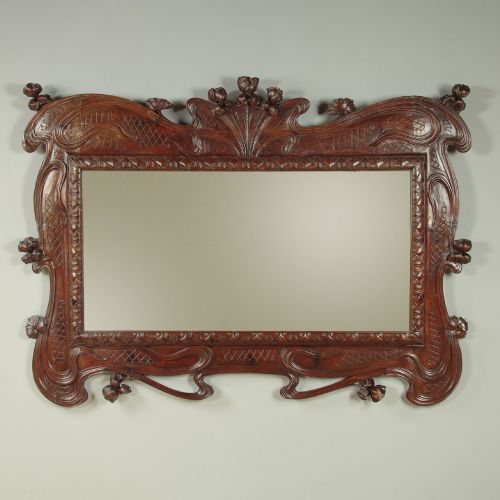
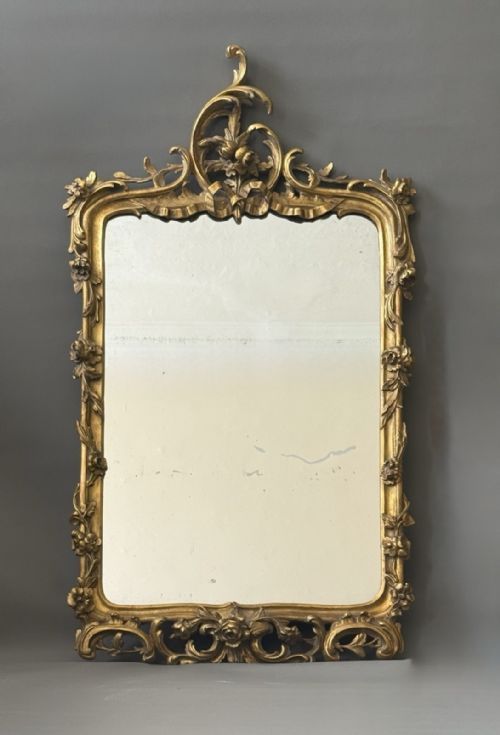
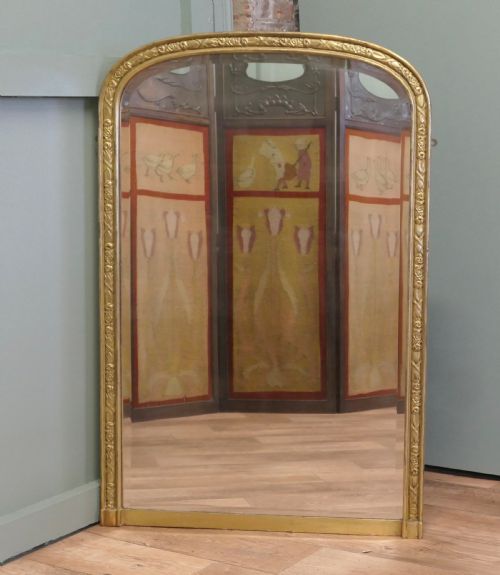
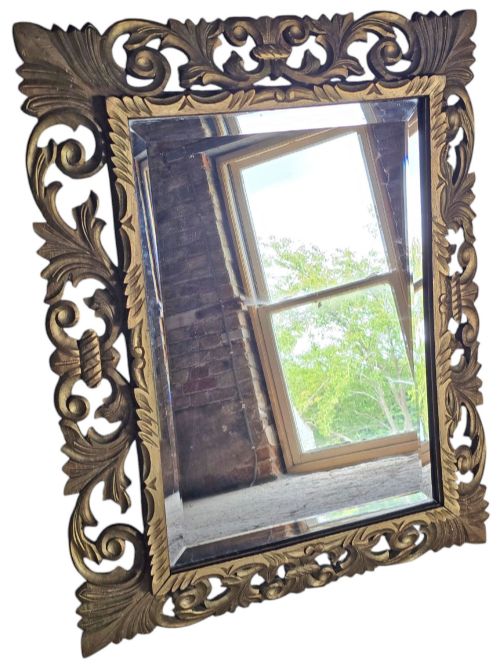
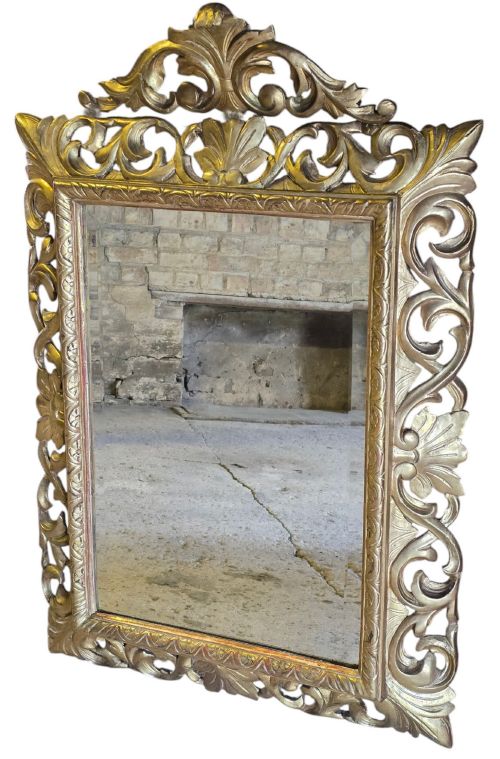
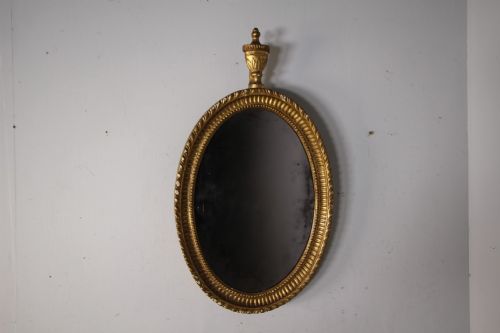
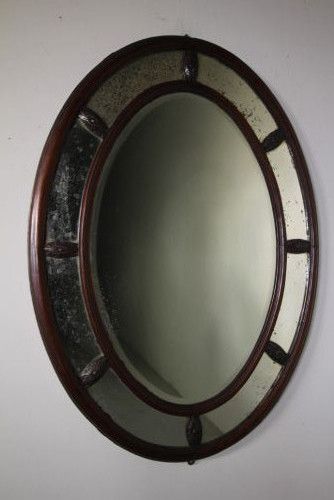
Vintage Carved Framed Mirror
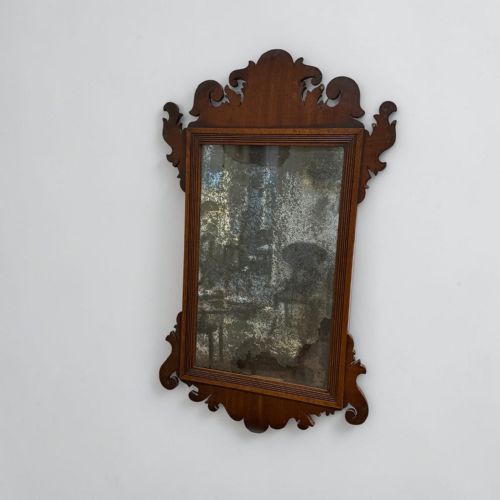
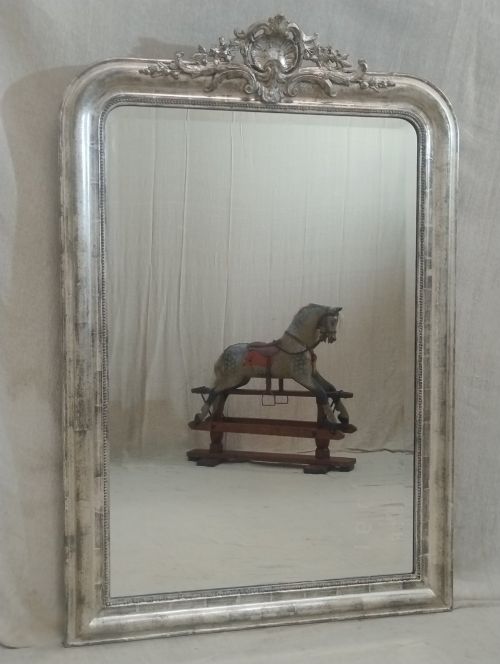
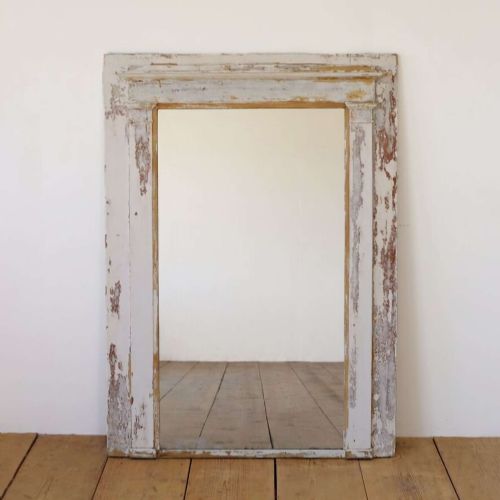
A vintage carved framed mirror brings hand-wrought warmth and historic depth to a room through shaped timber, gesso, and aged glass.
Vintage Carved Framed Mirror
When you search for a vintage carved framed mirror, you encounter wall-mounted, overmantel, and dressing table forms spanning the eighteenth century through the early twentieth century. These pieces combine functional glass with decorative timber work shaped by hand or moulded in relief.
The versions most frequently met on this page originate in France, England, and Italy, reflecting periods from Victorian and Edwardian decades back to earlier Georgian and Rococo revivals. Forms range from compact oval frames in carved oak or mahogany to grand giltwood statement pieces intended for principal rooms.
Makers and workshops produced these mirrors to anchor domestic interiors, employing styles such as French Rococo, Florentine, Art Nouveau, and classical revivalism. Each piece carries the distinct structural choices of its decade, from heavy oak mouldings to delicate ribbon crests.
Materials and construction
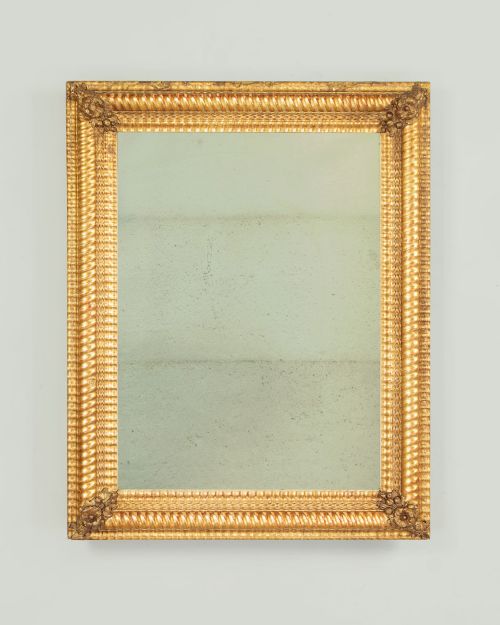
Carvers shaped solid woods including oak, mahogany, walnut, and yew, often applying a layer of gesso to fine timber or softer composition materials before gilding with gold leaf. This combination allowed workshops to achieve sharp relief work alongside smooth, polished wooden surrounds.
Giltwood and parcel gilt finishes required meticulous application of bole and leaf over prepared grounds, while other pieces relied on the natural grain of bleached or polished timber. Backings typically consist of joined pine or hardwood planks secured with period fixings.
The listings feature mirrors spanning the eighteenth, nineteenth, and early twentieth centuries, constructed in oak, mahogany, walnut, and giltwood.
Judgement of quality
Quality rests in the depth and crispness of the carving, distinguishing hand-tooled depth from soft, repetitive composition moulding. Superior examples show confident relief work where acanthus leaves, scrollwork, or floral motifs retain sharp undercutting.
The integrity of the plate glass and its housing matters equally. Original antique glass with natural foxing demonstrates age, whilst the weight and joinery of the surrounding frame determine structural longevity.
The Vintage Carved Framed Mirror Glossary
- Giltwood
- Wood carved and coated with gold leaf over a prepared gesso ground. This finish reflects light and creates a warm metallic lustre across the frame.
- Gesso
- A plaster mixture applied to wood frames as a smooth base for gilding or painting. It accepts deep relief moulding and delicate tooling.
- Foxing
- Small dark spots and patination within the silvering of antique mirror glass. This natural oxidisation confirms age and adds depth to the reflection.
- Overmantel mirror
- A large horizontal mirror designed specifically to hang above a fireplace mantelpiece. These pieces often anchor the proportions of a reception room.
- Girandole
- A decorative wall mirror featuring attached candle sconces or arms. The metal or giltwood branches reflect candlelight across the room.
Vintage Carved Framed Mirror: Frequently Asked Questions
Are original mirror plates common?
Many surviving pieces retain their original mercury or silvered glass plates, often showing characteristic foxing and minor surface blemishes. These optical imperfections distinguish historic glass from modern replacements.
Replacement plates do occur when earlier glass became damaged beyond use. Examining the silvering and backing helps determine whether the glass matches the age of the carved frame.
How should I clean a giltwood frame?
Giltwood frames require extremely gentle maintenance using a soft, dry brush to remove dust from recessed carvings. Moisture and commercial cleaning agents can strip delicate gold leaf and historical gesso.
Avoid touching the gilt surface directly with bare hands, as natural oils can damage the finish over time. Professional conservation is advisable for deep cleaning or repairing flaking gesso.
What defines a Florentine mirror?
Florentine mirrors typically feature elaborate pierced frames carved with openwork scrolls, foliage, and deep gesso gilding. Originating from Italian workshops, these pieces prioritize ornate decoration over simple geometric lines.
They often appear in oval or cartouche shapes designed to draw the eye as decorative focal points. The intense gold finish suits formal drawing rooms and hallway settings.