

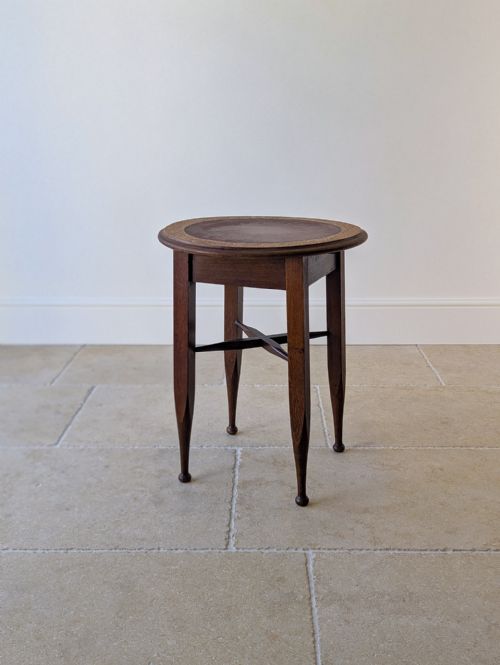
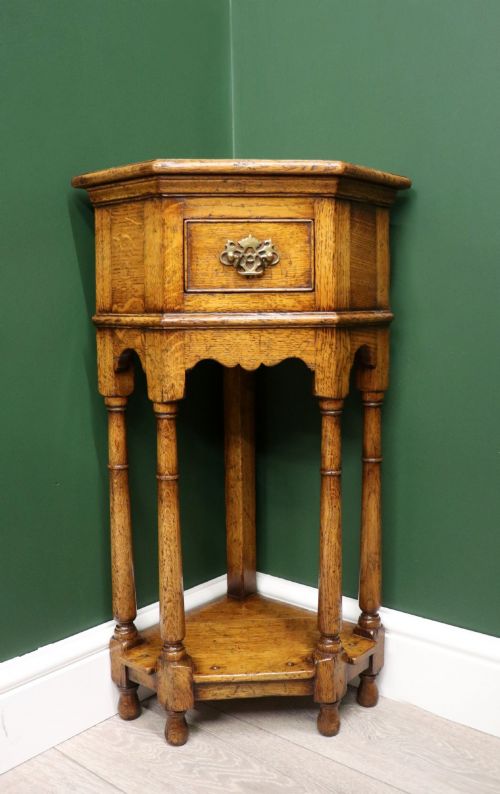


Vintage Carved Corner Table
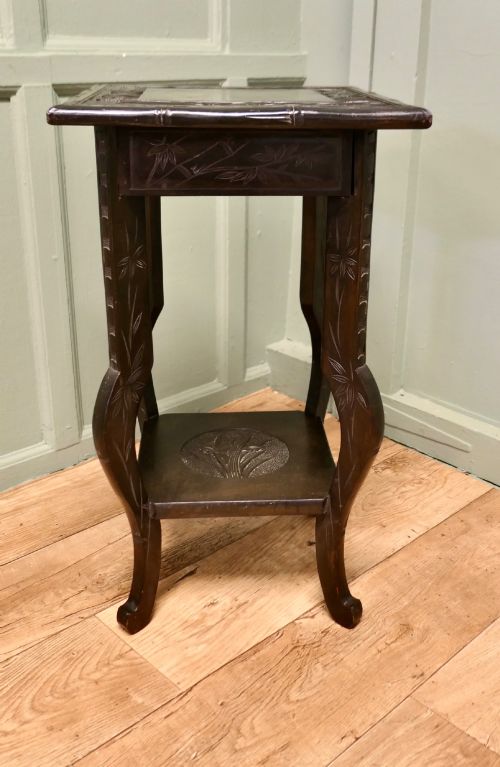
A vintage carved corner table puts dead wall space to work while bringing substantial timber and hand-carved detail into a room.
Vintage Carved Corner Table
A vintage carved corner table is a practical piece designed to fit snugly into room angles, utilising space that usually goes empty.
The selections available here span periods from the Victorian era and Edwardian times through to the mid-twentieth century, alongside items from the nineteenth century.
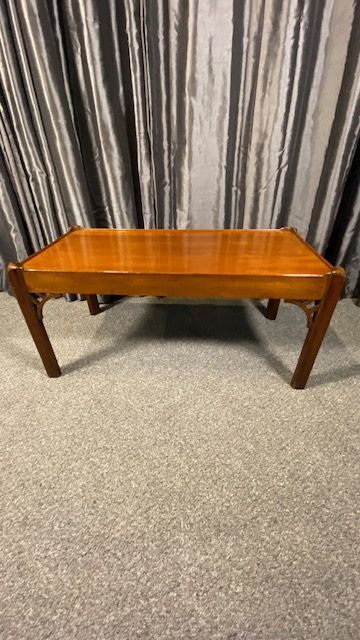
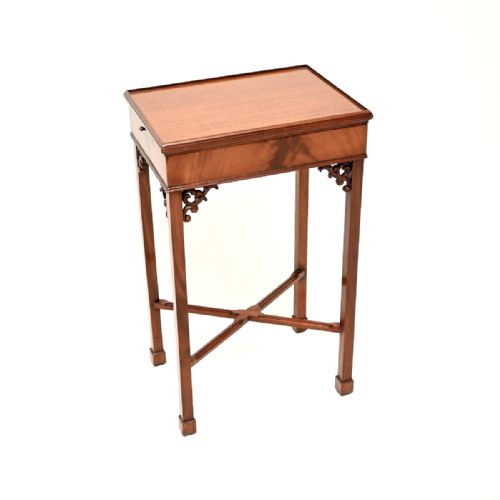
Forms include side tables, occasional tables, coffee tables, tiered stands, stools, desks, and console tables adapted for angular placement.
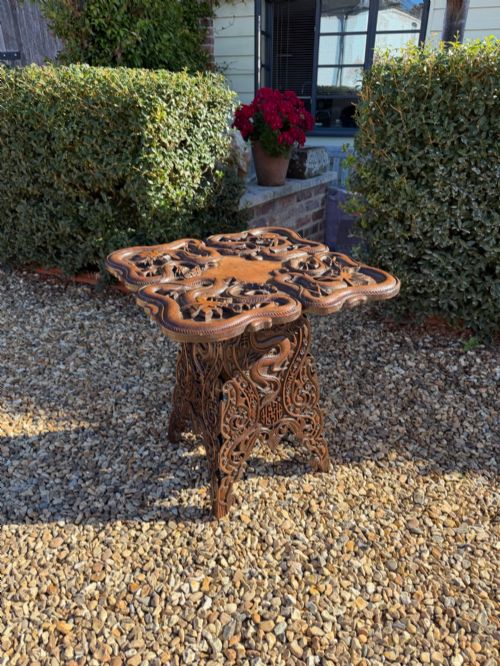
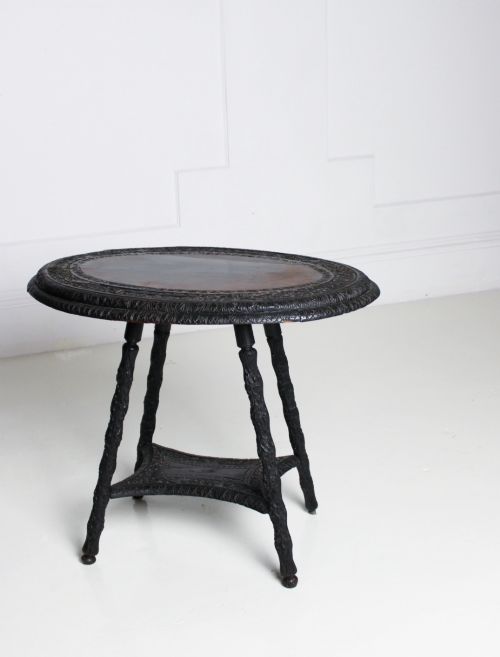
Origins represented in the inventory include Anglo-Indian workshops and Kashmiri production alongside standard British and European cabinetmaking.
How they were made
Makers utilised solid timbers such as mahogany, oak, walnut, rosewood, teak, and varied hardwoods to construct these corner pieces.
Surface enrichment relies on physical chisel work, producing carved motifs, inlaid bone details, and marquetry patterns.
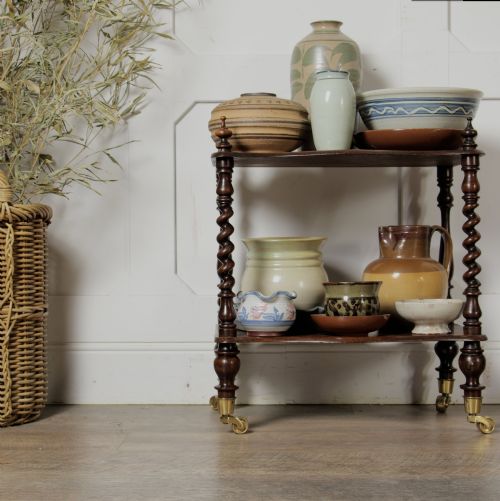
Structural elements range from simple turned legs to barley twist supports and tiered stand configurations.
Vintage Carved Corner Table Retail Price Guide 2026
Typical asking prices for vintage carved corner table among the pieces listed under this phrase on Sellingantiques today, from the lower quarter to the upper quarter. They describe what is for sale here now, not the wider market.
Design styles span Edwardian, Victorian, Arts and Crafts, Anglo-Indian, and Georgian Revival traditions.
What varies in quality
The depth and crispness of the hand-carving separate ordinary production from superior examples, particularly on hardwood and walnut surfaces.
Choice of timber grain and the integrity of joints dictate the structural longevity of each piece.
Inlay work, such as bone sections or contrasting wood marquetry, demands precision that distinguishes finer workshop output.
Liberty
The Vintage Carved Corner Table Glossary
- Corner table
- An item built specifically to fit into the right-angle junction of two walls. This configuration maximises floor space efficiency.
- Occasional table
- A small, movable table intended for intermittent use around a room. These pieces function easily as lamp stands or display surfaces.
- Marquetry
- Decorative veneer work arranged in pictorial or geometric patterns using various coloured woods. This technique requires exact cutting and fitting.
- Barley twist
- A turned wooden support resembling a spiralling rope. Cabinetmakers shaped this form on a lathe during the Victorian and Edwardian periods.
- Lowboy
- A small side table with drawers, typically raised on four tall legs. These pieces originated in the eighteenth century but appear in later revival styles.
Vintage Carved Corner Table: Frequently Asked Questions
Where should I place a corner table?
These tables fit naturally into empty room angles where standard rectangular furniture leaves awkward gaps. They work effectively beside seating or in hallways to hold lamps and small objects.
Because they occupy minimal floor space, they suit compact rooms without disrupting traffic flow.
What is Anglo-Indian furniture?
This term describes items made in India during the nineteenth century, often for export to British buyers. They typically display dense, intricate carving across exotic hardwoods.
Such pieces frequently incorporate regional motifs and traditional joinery methods distinct from European workshop standards.
How do I care for antique timber?
Maintain wooden surfaces by keeping them away from direct heat sources and strong sunlight, which can dry out the grain. Regular dusting with a dry cloth prevents particle buildup.
Apply appropriate wax polish sparingly when the wood appears dry to preserve the finish.