
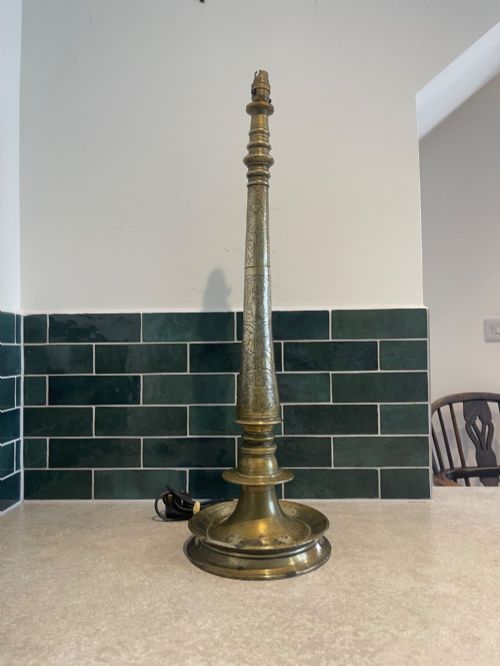
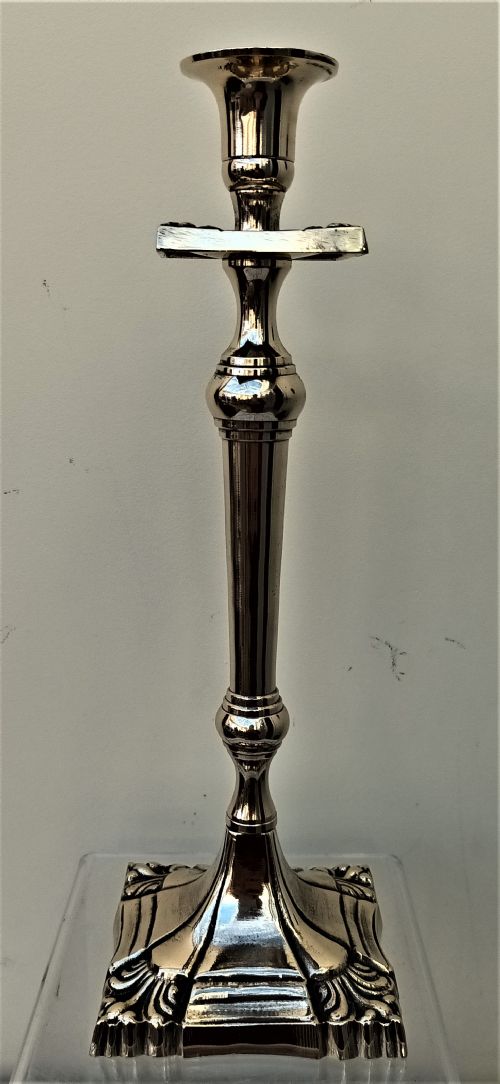
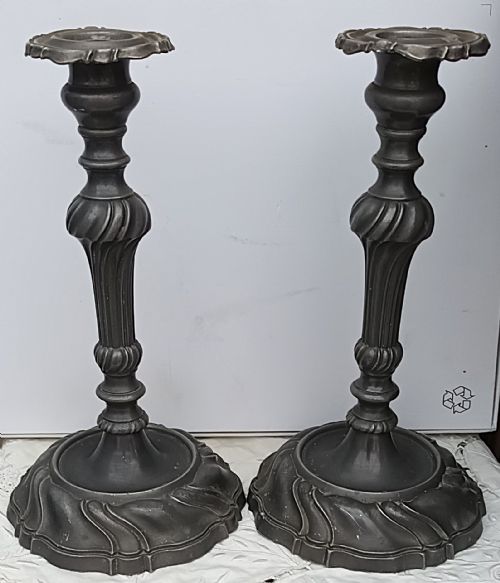
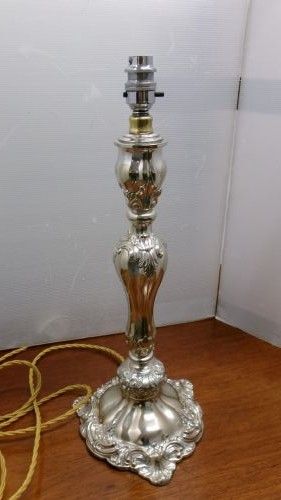


Vintage Carved Candlestick Lighting
Vintage carved candlestick lighting brings warmth and architectural character to a room through turned wood, gilded surfaces, and time-worn metal.
Vintage Carved Candlestick Lighting
Vintage carved candlestick lighting encompasses transformed domestic objects and purpose-made bases designed to hold candles or mount electrical fittings. Buyers seeking vintage carved candlestick lighting encounter items adapted into table lamps alongside traditional candle holders.
The selection ranges from seventeenth-century oak and eighteenth-century Spanish giltwood to nineteenth-century treen and early twentieth-century folk-art pieces. Continental workshops and English makers contribute heavily to the forms found in this category.
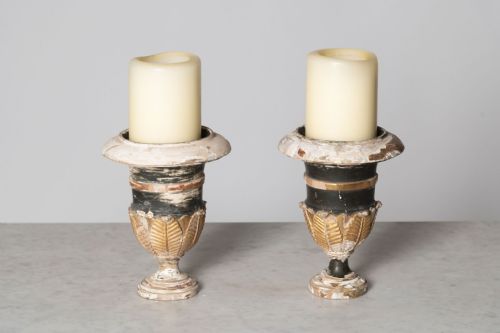
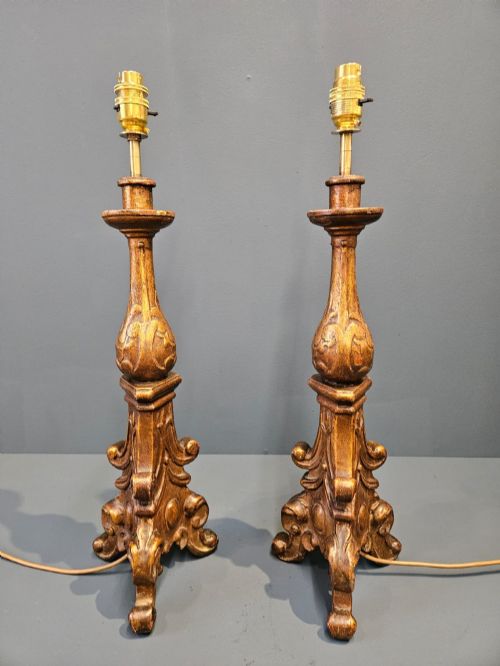
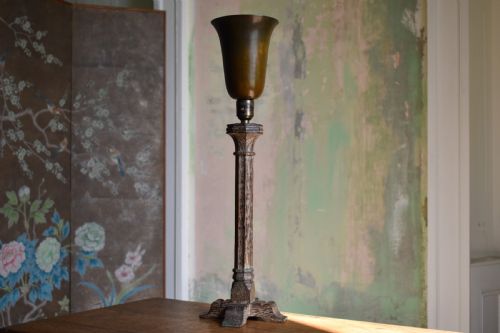
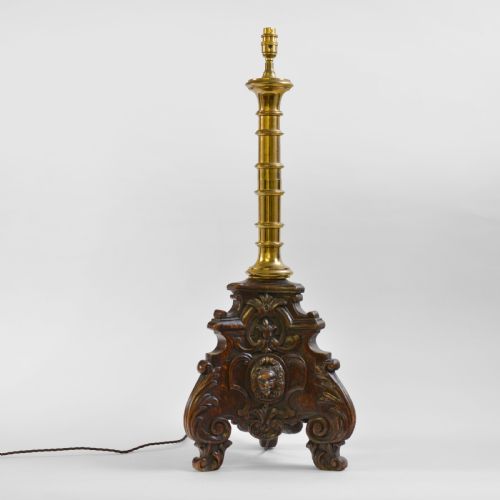
Common configurations include barley twist stems, tripod bases, and column forms executed in timber, brass, and gesso. Many examples retain traces of original paint or metallic leaf applied decades ago.
Materials and construction methods
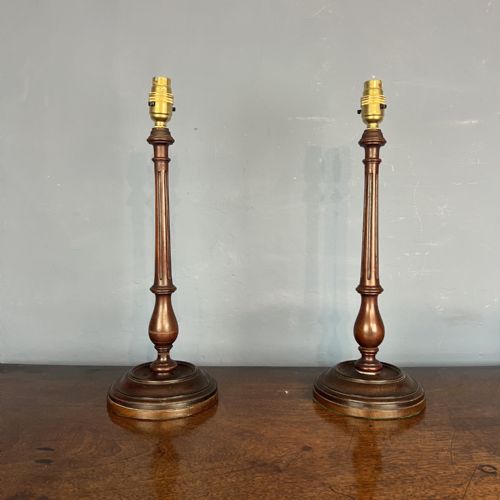
Craftsmen utilised native and exotic timbers such as oak, mahogany, walnut, and lignum vitae, shaping them on lathes or carving them by hand. Turned elements often incorporate brass socket tops or nozzle inserts to secure the light source.
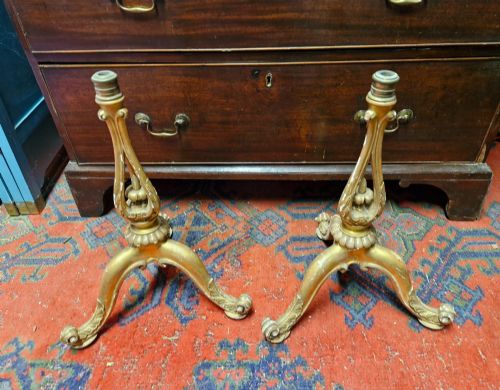
Decorative surfaces frequently rely on gesso applied over wood before receiving layers of gold leaf, paint, or polychrome decoration. Metal components involve cast bronze, brass, or pewter, sometimes enhanced with hand engraving.
Factors of distinction
Quality rests upon the crispness of the hand-carving and the proportion of the turned stem relative to its base. Superior examples display balanced symmetry in pairs and retain intact original gilding or patina rather than heavy modern restoration.
The integration of electrical wiring without compromising the historic timber structure separates professional conversions from crude alterations. Depth of relief in floral or figural motifs similarly elevates the standing of an individual piece.
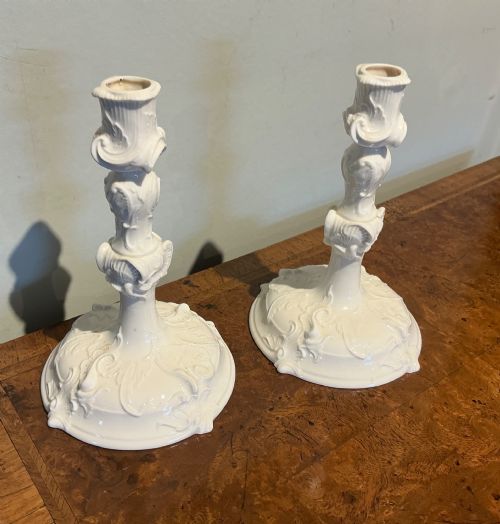
Nymphenburg
The Vintage Carved Candlestick Lighting Glossary
- Treen
- Small handmade wooden domestic objects produced from dense hardwoods. Lignum vitae and boxwood frequently appear in this category.
- Barley twist
- A spiral turned column resembling a stalk of barley. This decorative joinery technique gained popularity in seventeenth-century furniture and returned in twentieth-century revivals.
- Gesso
- A plaster-like mixture applied to wood surfaces as a preparation for gilding or painting. It provides a smooth base for delicate relief work.
- Ormolu
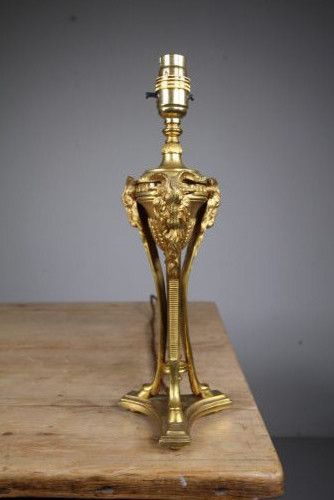
- Ground metallic bronze mounted and finished with a gold wash. It decorates nineteenth-century lighting bases.
- Chamberstick
- A low candlestick fitted with a pan to catch dripping wax and a handle for carrying through a house. These items often double as compact lamp bases.
Vintage Carved Candlestick Lighting: Frequently Asked Questions
How do I wire an antique candlestick safely?
Professional electricians can thread narrow flex through the central bore of turned wooden candlesticks without damaging the historic structure. Many pieces arrive pre-converted with brass hardware fitted to the top.
Ensure that any conversion uses modern insulated components and appropriate earth grounding, particularly with metal-bodied lamps.
Can I use heavy lamp shades on these bases?
The weight and base diameter of the candlestick dictate the appropriate shade size. Tall standard lamps or heavy wooden barley twists safely support larger shades, whereas delicate chambersticks require small, light fixtures.
Matching the scale prevents the assembled lamp from becoming top-heavy and unstable on a table.
How do I distinguish seventeenth-century oak from later revivals?
Early pieces exhibit deep hand-cut patination, tool marks from adzes or chisels, and timber shrinkage consistent with age. Revival items from the twentieth century often display mechanical turning marks and more uniform coloration.
Examining the base underside and joint construction reveals the true age of the timber.
What is the best way to clean gilded wood?
Dust gilded surfaces gently with a soft, dry artist brush or feathered duster. Avoid moisture, commercial cleaning sprays, and abrasive cloths, which strip delicate gold leaf and gesso.
Preserving the aged surface maintains the visual depth and historical integrity of the piece.