

Vintage Card Box
A vintage card box organises social play and desk collections, bringing tactile weight to bridge tables and studies.
Vintage Card Box
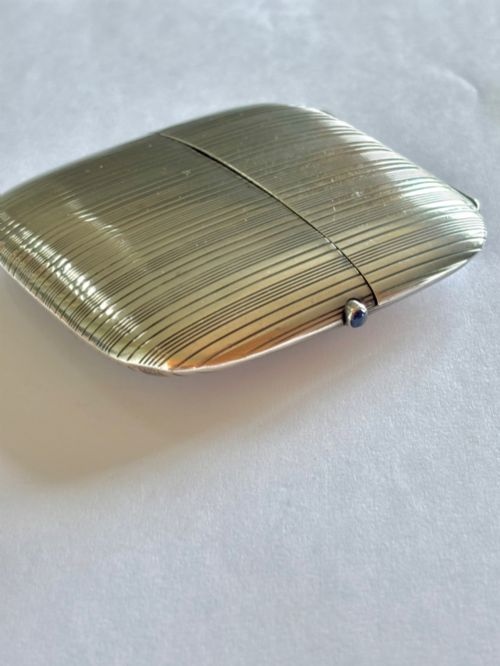
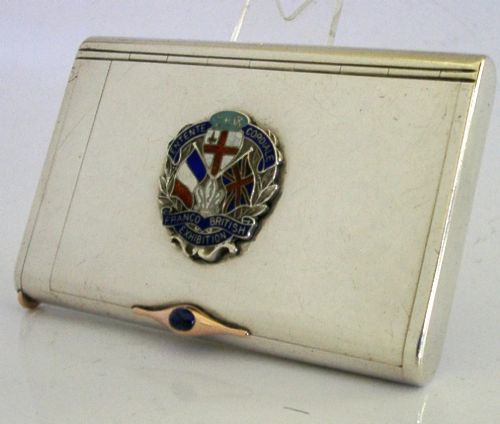
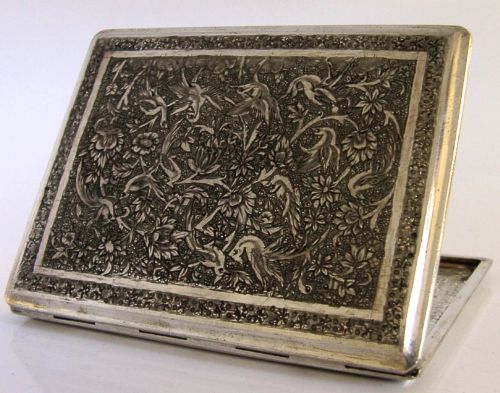
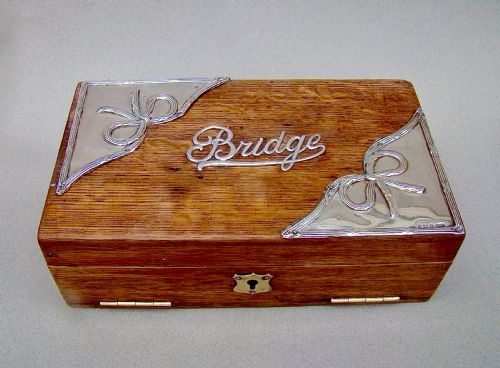
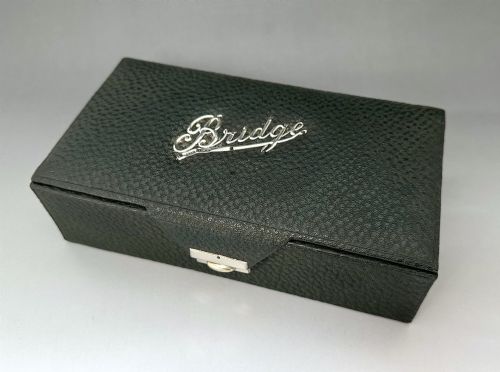
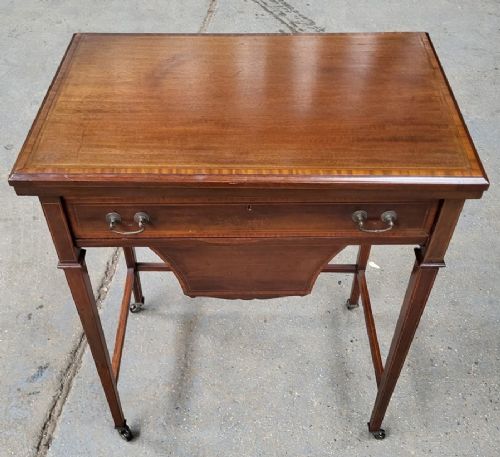
A vintage card box gathers items designed to hold playing cards, whist counters, cribbage boards, and bridge accessories across the Victorian, Edwardian, and Art Deco periods. These pieces span timber varieties such as mahogany, oak, and burr yew wood alongside sterling silver, brass, and enamel constructions.
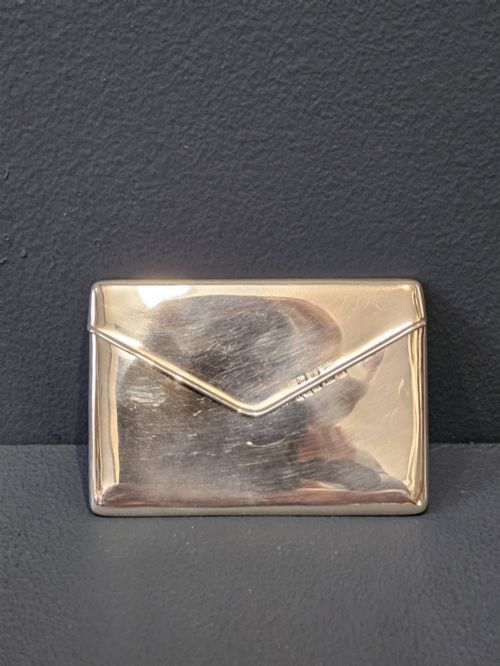
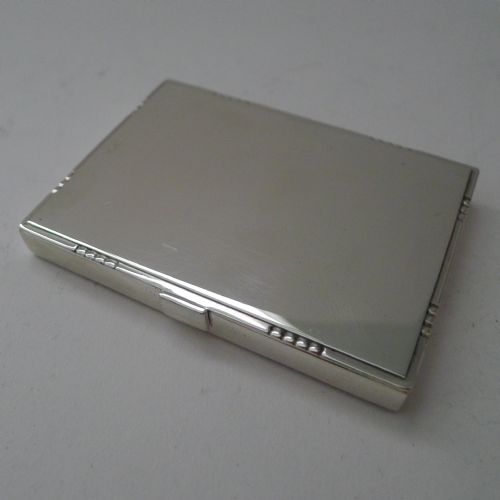
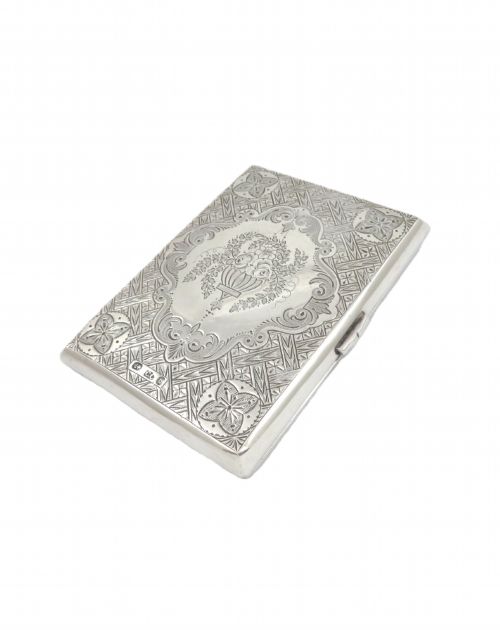
The objects most frequently met on this page include silver card cases, games boxes, and bridge boxes originating from the nineteenth and early twentieth centuries. Makers and workshops from Britain, continental Europe, and beyond produced these pieces for domestic leisure and desk organisation.
Forms range from small pocket card cases to larger tabletop games boxes equipped with rising trays or compartmented interiors. Each piece reflects the social card-playing habits and interior arrangements of the Edwardian era and the 1920s or 1930s.
Materials and construction
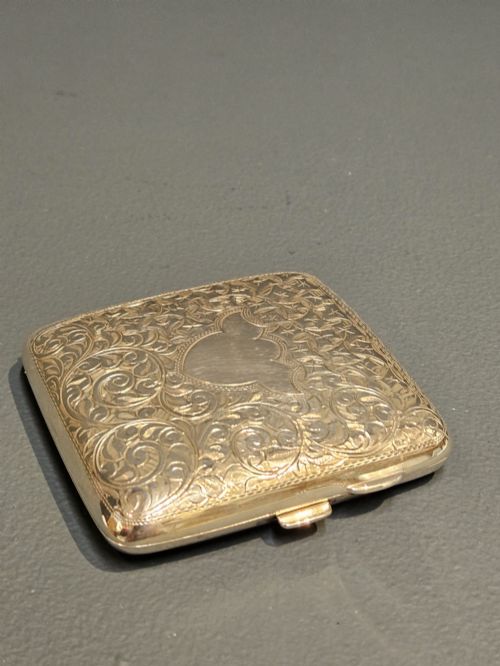
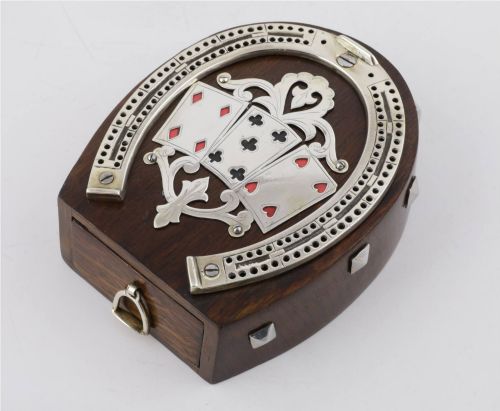
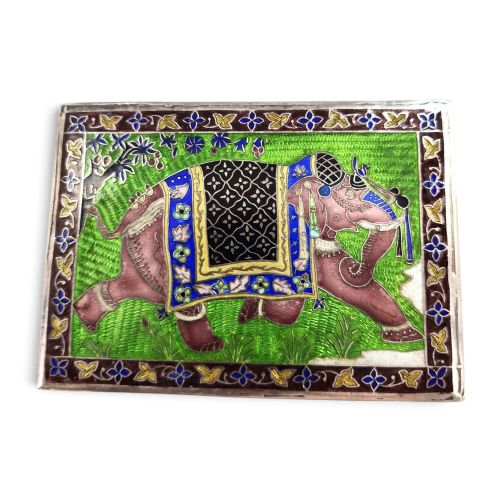
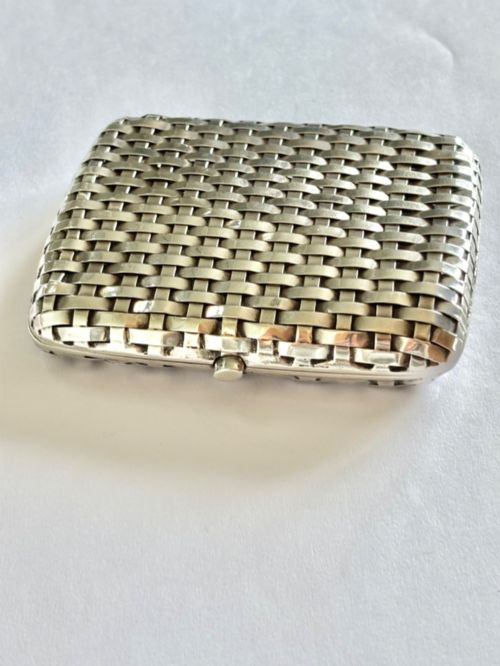
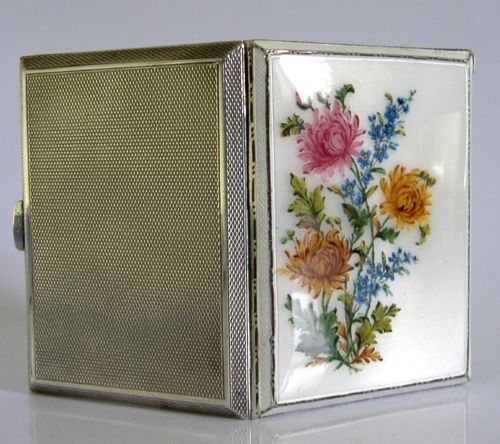
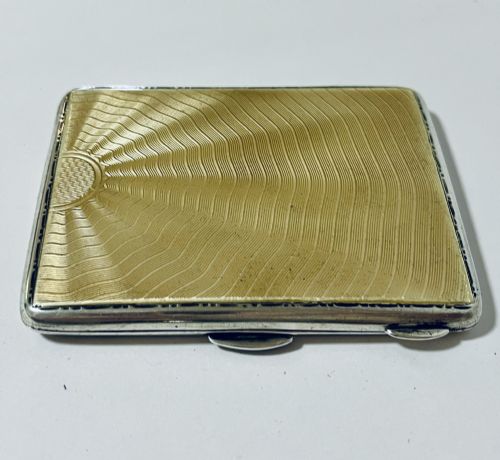
Silversmiths utilised sterling silver and continental grades, applying basket weave patterns, engine turning, and hand-painted enamel decoration to surfaces. Cabinetmakers constructed timber games boxes in oak, mahogany, and carved wood, often mounting them with brass hinges, locks, and corners.
Enamelling techniques combined with gold wash or silver gilt interiors provide colour contrast, while leather mounting secures internal bridge components. Specialised workshops utilised niello, bone carving, and cross-banding to finish domestic gaming items and card receptacles.
Vintage Card Box Retail Price Guide 2026
Typical asking prices for vintage card box among the pieces listed under this phrase on Sellingantiques today, from the lower quarter to the upper quarter. They describe what is for sale here now, not the wider market.
Materials recorded across current items include sterling silver, brass, enamel, mahogany, oak, glass, and carved bone.
Evaluating quality and execution
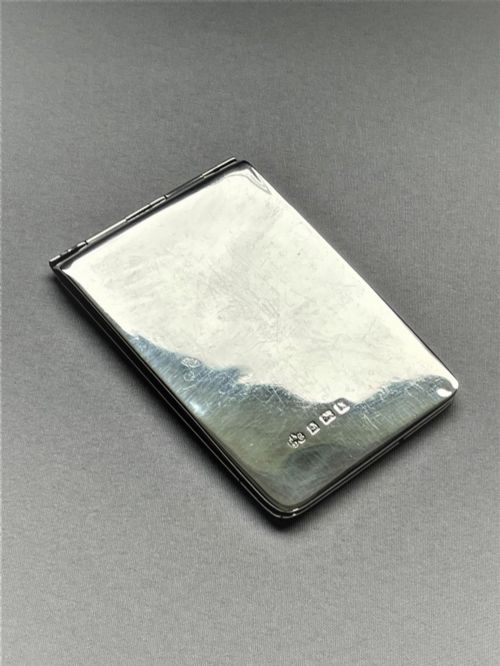
Quality rests in the precision of the metalwork, the integrity of hinges and closures, and the preservation of enamel or surface carving. Crisp hallmarks, tight joinery in timber boxes, and undamaged hand-painted details distinguish finer examples from standard production.
The balance between decorative embellishment and functional utility marks the distinction across periods, where integrated trays, fitted interiors, and named makers elevate the piece.
Georg Jensen·Fritz Bemberg·Levi and Salaman·Cartier·Liberty and Co
The Vintage Card Box Glossary
- Sterling silver
- A silver alloy containing 92.5 percent pure silver by mass, frequently hallmarked on British card cases and boxes. This standard ensures durability for items handled during games.
- Enamel
- Vitreous material fused to metal surfaces through firing, creating smooth coloured designs on cigarette and card cases. Art Deco pieces often employ blue or multi-coloured enamel panels.
- Cribbage board
- A scoring board traditionally incorporated into games boxes or sliding wooden cases for tracking points in the card game cribbage. These boards often feature small peg holes arranged in curving tracks.
- Bridge box
- A fitted container designed specifically to hold playing cards, scoring pads, and pencils for the game of bridge. They frequently appear in silver-mounted leather or polished timber.
- Niello
- A black metallic alloy used as an inlay on engraved silver surfaces to highlight contrasting patterns. This technique appears on early twentieth-century imported boxes.
Vintage Card Box: Frequently Asked Questions
What fits inside a vintage card box?
These boxes hold standard playing cards, whist counters, bridge score pads, and occasionally cribbage pegs. Interiors often feature partitioned wooden sections or velvet-lined trays designed to keep card decks organised.
Larger games boxes accommodate multiple card decks alongside dice or game boards. Smaller pocket versions house individual calling cards or cigarette cards.
How do I date a silver card box?
British silver pieces bear hallmarks that indicate the assay office, standard of metal, and a specific date letter corresponding to the year of manufacture. Examining these stamps provides an exact year for items originating in Birmingham, London, or Chester.
Stylistic cues such as Edwardian monograms, Victorian scrollwork, or geometric Art Deco enamel work further narrow down the production period when hallmarks are absent or continental.
Were these boxes used for card games only?
While many boxes served card players during Victorian and Edwardian evenings, others adapted to house cigarettes, stamps, notes, or library cards. Convertible interiors often accommodated sewing accessories or gaming counters alongside cards.
Desk accessories and filing cabinets from the same eras share similar construction methods, reflecting a broader culture of desktop organisation and social pastimes.
How should I care for silver and wood card boxes?
Silver boxes require gentle cleaning with a soft cloth to avoid scratching engraved patterns or delicate enamel work. Timber games boxes benefit from occasional wax polishing to preserve the grain of mahogany, oak, or burr yew wood.
Keeping boxes away from direct sunlight and excessive humidity protects internal velvet linings, leather mounts, and fragile bone or enamel inlays.