

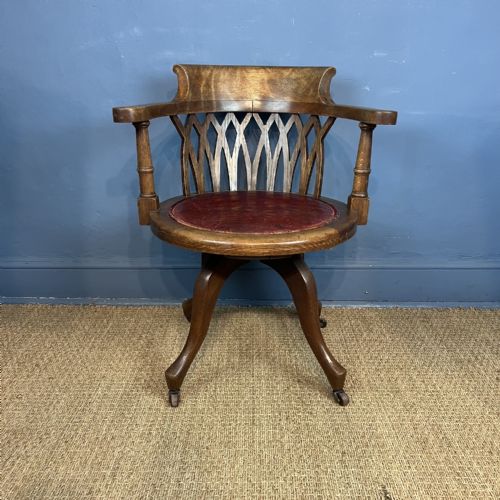
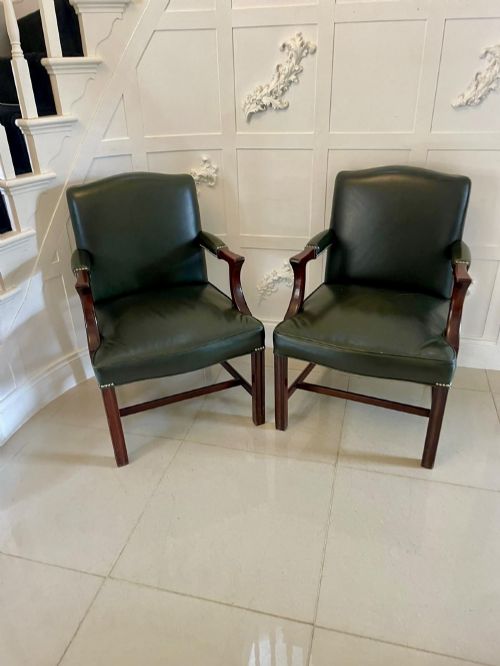
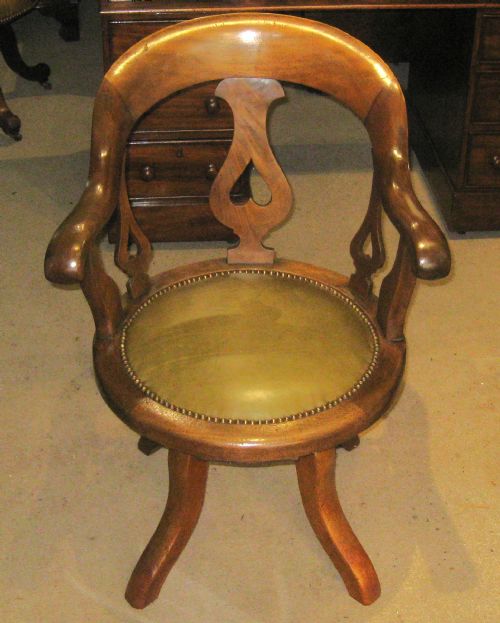
Vintage Captains Armchairs
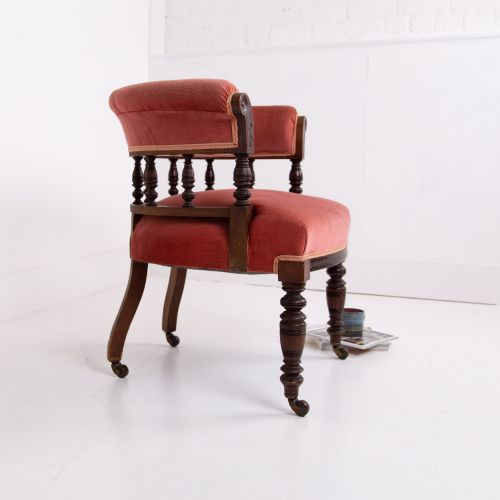
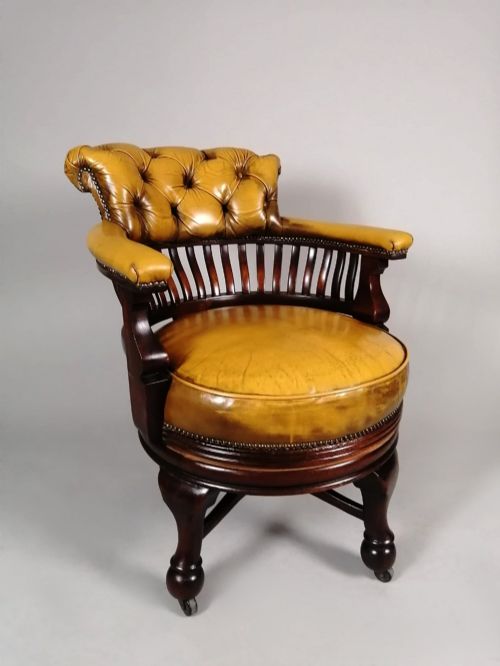
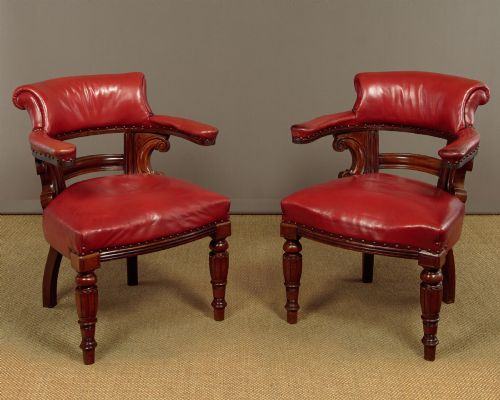
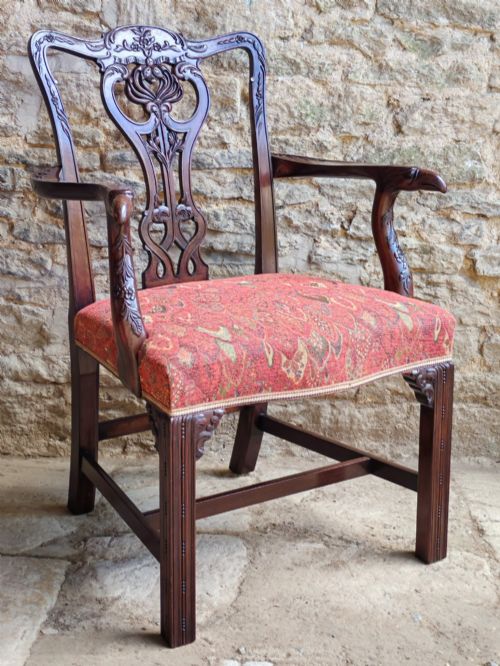
These vintage captains armchairs offer solid timber frames and leather upholstery, providing sturdy seating built for long hours at a desk.
Vintage Captains Armchairs
When searching for vintage captains armchairs, buyers encounter a robust form designed for daily utility in studies, offices and country houses. These pieces bridge the gap between formal library seating and practical desk chairs, offering a low back and supportive arms.
The versions most commonly met on this page date from the Victorian and Edwardian periods, stretching into the early twentieth century. They appear frequently in sturdy native timbers with functional swivel mechanisms or simple four-legged frames.
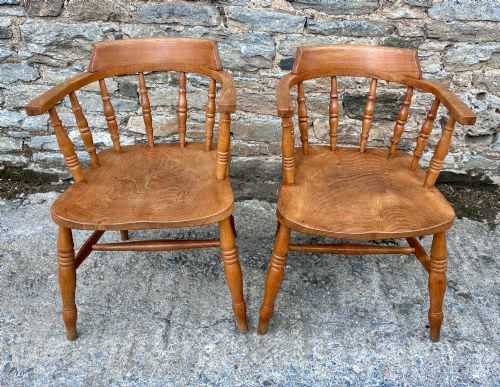
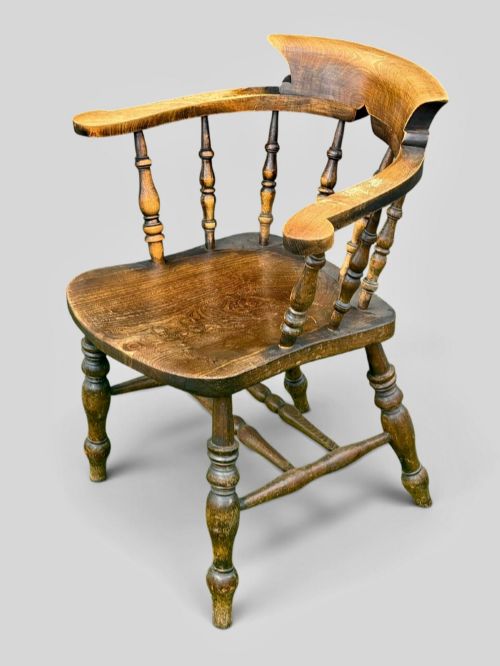
Makers and provincial workshops fashioned these chairs to withstand heavy use, resulting in surviving examples that retain their structural integrity. Buyers find both revolving office variants and traditional smokers bow designs suited to writing desks.
Materials and construction
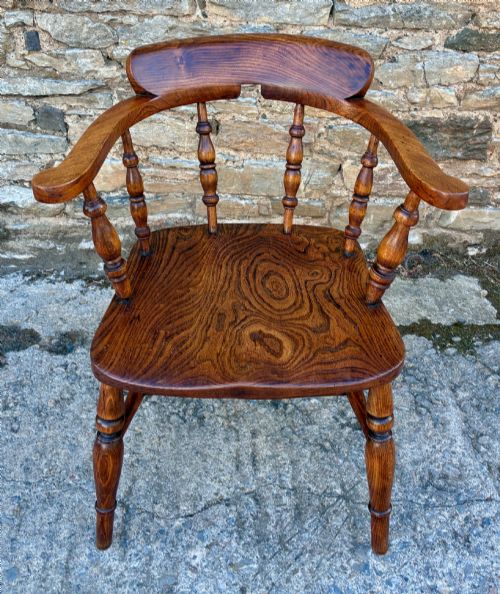
Cabinet makers and turners utilised durable hardwoods such as oak, elm, mahogany and beech for the frames, often combining timbers like elm seats with beech spindles. These materials provided the necessary strength for daily support and heavy use.
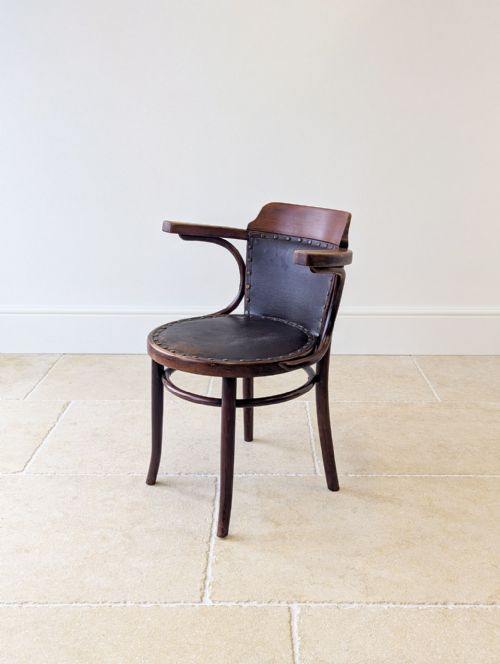
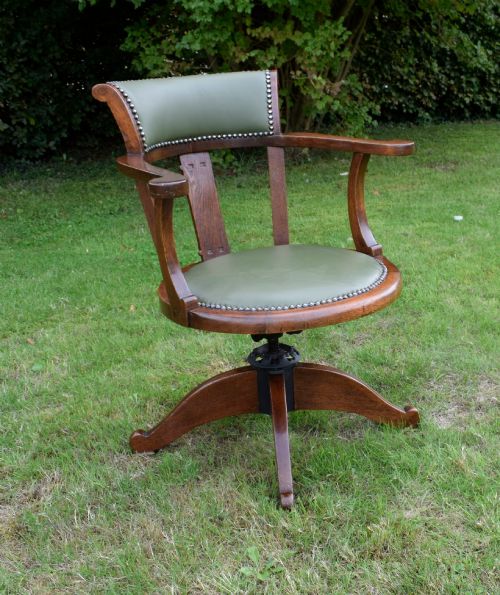
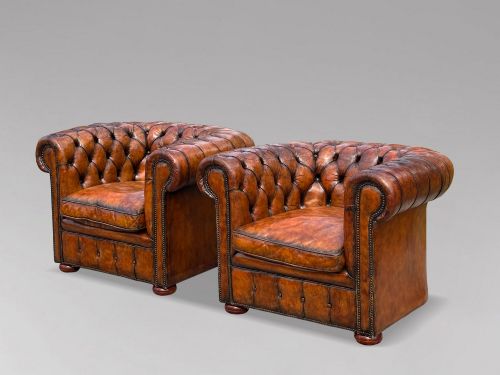
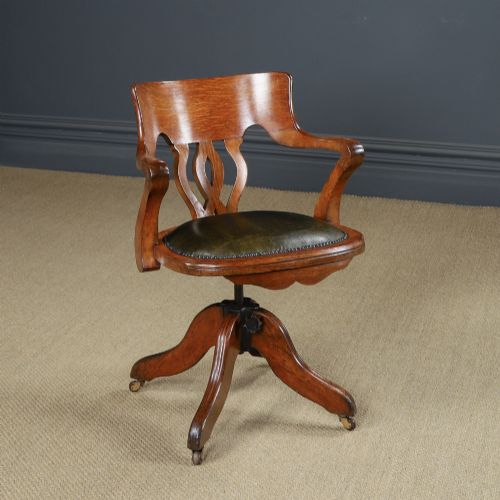
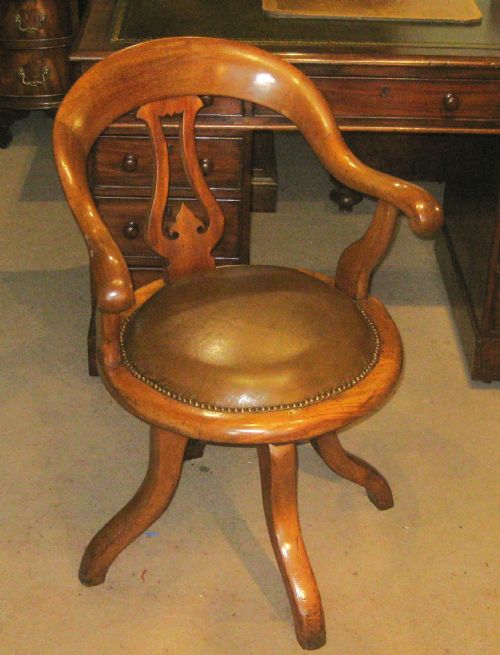
Upholstered versions integrate supple leather secured with brass tacks, while wooden variants rely on steam-bent elements and traditional joinery. Cast iron and brass mechanisms enable the revolving and swivel functions seen on desk iterations.
Defining quality in execution
The distinction between standard examples and superior pieces rests upon the quality of the timber selection and the fluency of the turning. Finer chairs display carefully matched grain patterns and well-proportioned spindles that show hand-finished detail.
Mechanical components on revolving desk chairs dictate the upper tier of execution, where smooth, heavy brass and iron assemblies operate without play. The integrity of the original wood finish and the quality of the leather hide further separate workshop standards.
Howard and Sons·Thonet
The Vintage Captains Armchairs Glossary
- Smoker's Bow
- A sturdy low-backed wooden armchair with a continuous curved armrail, originating as a comfortable seat for tavern and domestic use.
- Carver Chair
- An armchair, typically designed to match a set of dining chairs but built with elbow rests for the head of the table.
- Revolving Desk Chair
- A seat fitted with a central spindle and undercarriage allowing rotation, frequently mounted on a four-legged or cast iron base.
- Windsor Chair
- A traditional form featuring a solid wooden seat into which the legs and back spindles are directly wedged and secured.
- Bentwood
- Wood softened by steam and bent into curved shapes under pressure, utilised for frames and armrails in later manufacturing.
Vintage Captains Armchairs: Frequently Asked Questions
What is the difference between a captain's chair and a smoker's bow?
A captain's chair generally refers to a sturdy wooden armchair intended for a desk, often featuring a revolving mechanism or upholstered seat. A smoker's bow is a specific low-backed wooden elbow chair with a continuous curved armrail.
While both share robust vernacular origins, the captain's chair leans towards office utility while the smoker's bow evolved from domestic and tavern seating.
Were these chairs originally used at desks?
Many examples were built specifically for office and library use, incorporating revolving bases and adjustable heights for writing tables. Other variations served as general library seating or dining room carvers.
Their sturdy arm supports and compact proportions made them ideal for prolonged sitting in studies and administrative spaces.
How do I care for the leather on these chairs?
Leather upholstery requires regular dusting and occasional treatment with appropriate conditioners to prevent the hide from drying out. Keeping the leather away from direct sunlight and heat sources preserves its supple quality.
Original patinated leather benefits from gentle cleaning rather than heavy restoration to maintain its historical character.
How can I tell a Victorian chair from an Edwardian one?
Victorian pieces generally display heavier timbers, darker finishes and more robust proportions associated with mid to late nineteenth-century manufacture. Edwardian examples often appear lighter in build, utilising brighter mahogany or oak with refined turning.
Stylistic shifts toward lighter domestic interiors in the early twentieth century influenced the slimmer profiles found in later Edwardian workshops.