


Vintage Canine Picture
A vintage canine picture captures the distinct character of dogs across decades of portraiture, spanning detailed etchings, oils and watercolours.
Vintage Canine Picture
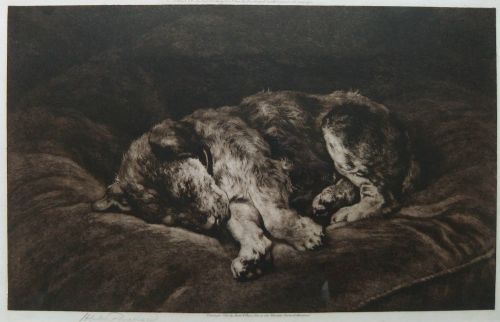
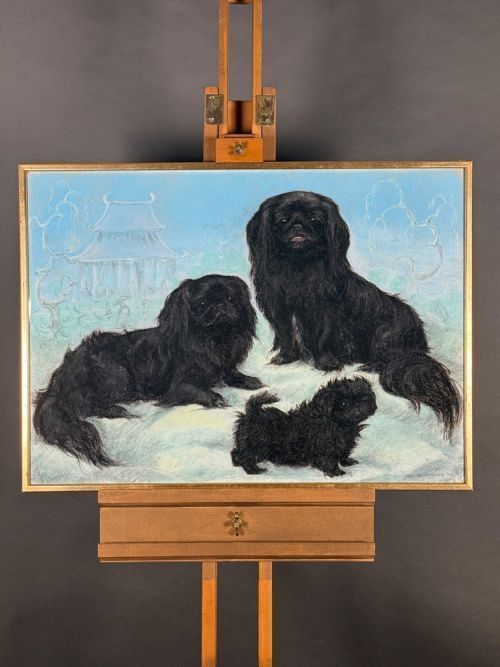
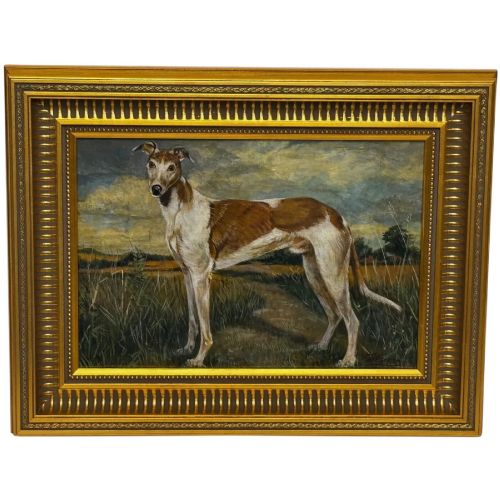
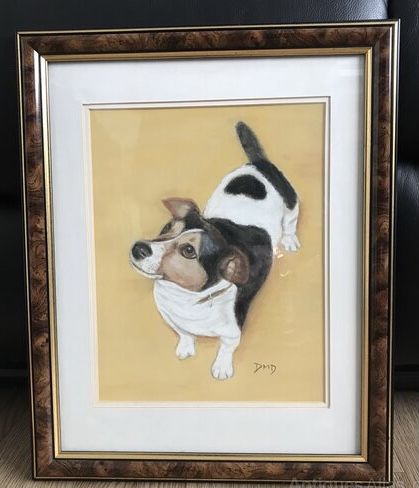
A vintage canine picture brings together centuries of animal portraiture, featuring subjects from individual terriers to working hounds and lapdogs. The works range from mid-twentieth-century pastels and oils to nineteenth-century watercolours and etchings.
Buyers most frequently encounter framed oil paintings and prints depicting specific breeds such as collies, spaniels, and bull dogs. These pieces reflect varied traditions including Victorian sporting art, naive school painting, and early twentieth-century realism.
The objects take the form of framed artwork, engravings, and original drawings housed behind glass in period wood frames. They record both the working role and the domestic companionship of dogs in British country houses and rural scenes.
How they were made
Artists employed oil on canvas, watercolour, pastel, and ink on paper to render animal textures, often enhancing the final presentation with gold leaf on the surrounding frame. Etchings and engravings utilised metal plates and printed ink to capture fine lines in monochrome.
Paintings relied on layered oils or watercolours to build depth in coats and landscapes, whilst drawings incorporated charcoal and pastel for softer shading. Works were secured behind glass within wooden frames to protect the delicate paper and canvas surfaces.
The listings on this page span from the nineteenth century through the 1960s, utilising oil on canvas, paper, watercolour, and etching.
What varies in quality
Quality rests upon the artist's ability to render the anatomy, expression, and texture of the animal's coat convincingly. Masterworks capture the distinct personality and posture of the breed rather than relying on generic animal forms.
The integration of the subject within its landscape or interior setting distinguishes higher-tier works from simpler naive school pieces. Preservation of the original paper, canvas, frame, and glass surface further determines the standing of the piece.
Herbert Dicksee·John Emms·Arthur Wardle·Sir Edwin Landseer·Tom Carr·Samuel Fulton
The Vintage Canine Picture Glossary
- Etching
- A printmaking technique where lines are bitten into a metal plate with acid before being inked and pressed onto paper. This process allows for extreme fineness of line.
- Sporting Art
- A genre of painting and illustration dedicated to animals, hunting, shooting, and rural pursuits. These works often document specific hounds, horses, and shooting dogs.
- Naive School
- Art produced by self-taught painters working outside academic traditions. These pieces prioritise direct observation and character over strict perspective.
- Oil on Canvas
- Pigment suspended in drying oil applied to a woven fabric support. This medium permits rich blending of colour and varied surface textures.
Vintage Canine Picture: Frequently Asked Questions
How do I date a dog picture?
Dating relies upon stylistic markers in the framing, the medium, and the clothing or setting of any human figures present in the background. Nineteenth-century works frequently feature heavier gilt frames and specific watercolour techniques compared to mid-twentieth-century canvases.
Signatures, dates inscribed on the reverse, and artist biographical details provide firmer chronological anchors. Examining the backing paper and nails often reveals whether the framing is original to the period.
Where should I hang these pictures?
These works suit traditional spaces such as studies, hallways, and living rooms where wood furniture and period decor complement the subject matter. Grouping several pieces together creates a traditional country house gallery wall effect.
Avoid placing them in direct sunlight or damp areas to protect the paper, canvas, and watercolours from fading or moisture damage. Ensuring stable room temperatures preserves both the artwork and the original wooden frames.
What is British sporting art?
British sporting art encompasses paintings, prints, and drawings celebrating rural sports, horses, and dogs from the eighteenth century onwards. It documents the importance of working animals and hounds within country estates and field sports.
Artists in this tradition focused on accurate anatomical depiction and the specific roles of animals in working environments. These pictures served as records of valued packs and individual pets.
How do I care for antique watercolours?
Antique watercolours require protection from direct sunlight and high humidity to prevent the paper from yellowing and the pigments from fading. Keeping them behind glass in sealed frames shields the delicate media from atmospheric pollutants.
Maintain consistent indoor humidity levels to prevent the paper from warping within the mount. Professional framing using acid-free materials ensures the longevity of works on paper.