
Vintage Cane Seated Chairs
These vintage cane seated chairs bring texture and historical character to a room through woven natural materials and sturdy timber frames.
Vintage Cane Seated Chairs
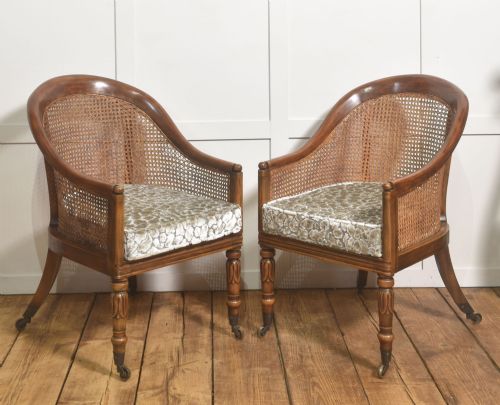
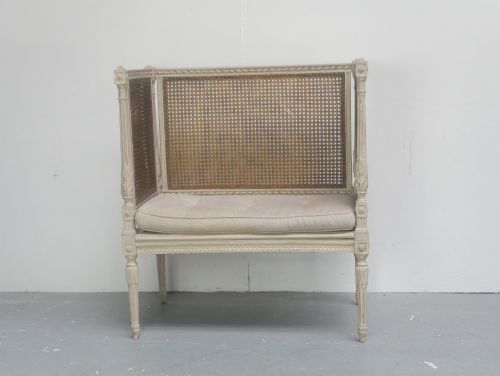
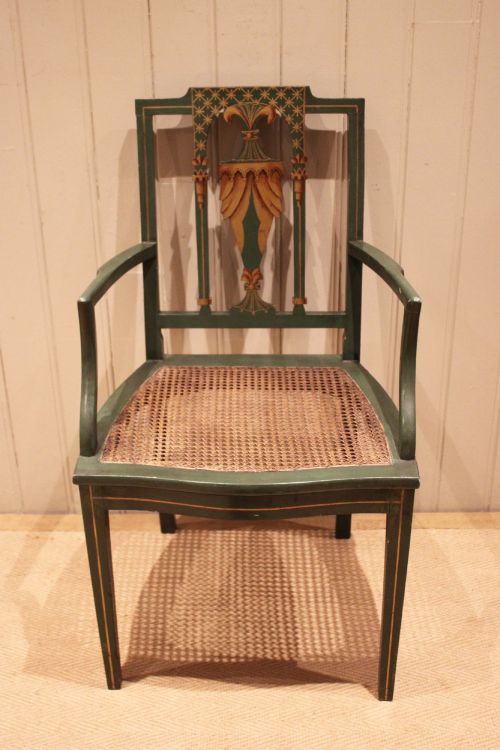
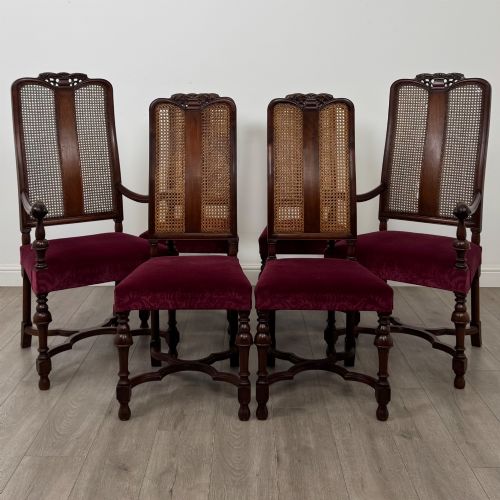
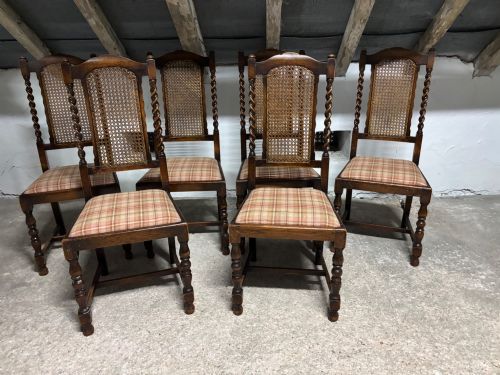
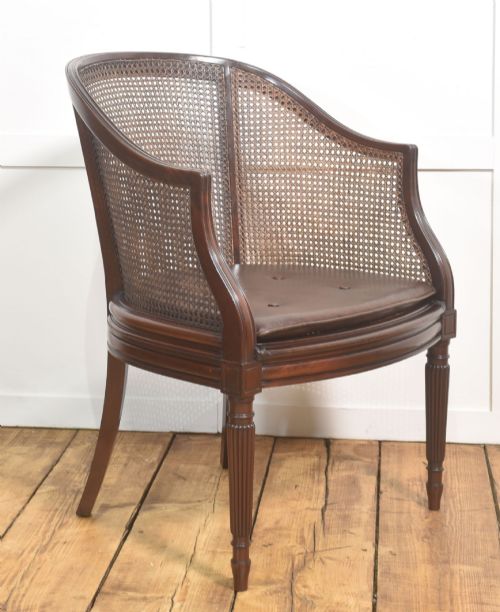
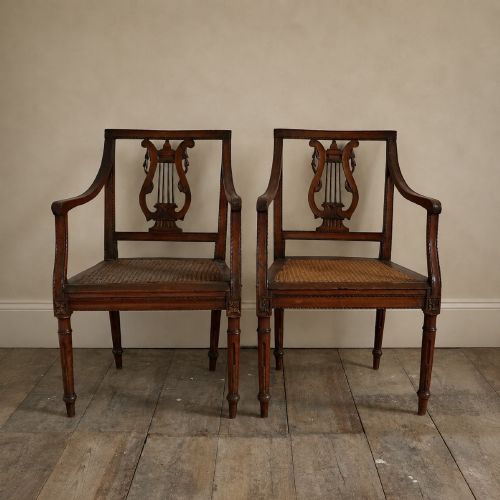
When you search for vintage cane seated chairs, you encounter a wide selection of seating spanning from the Georgian and Regency periods through to the Edwardian era and the 1920s. The inventory ranges from single bedroom chairs and hall chairs to dining sets and deep-seated library armchairs.
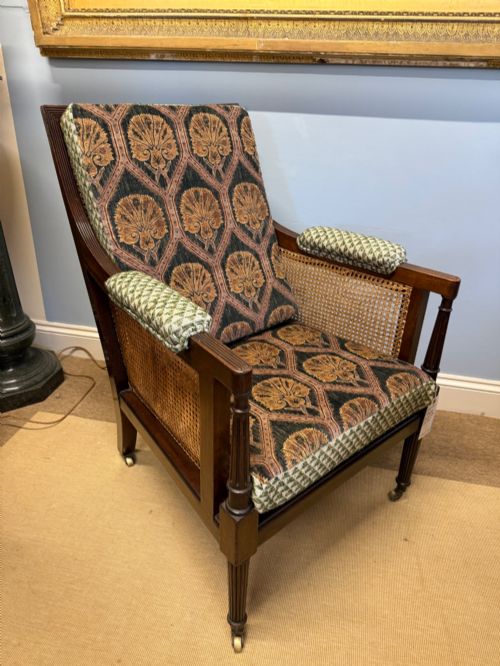
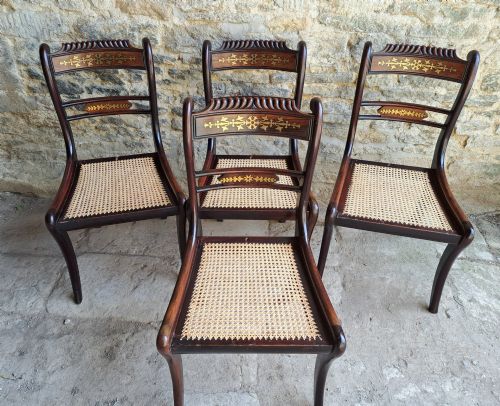
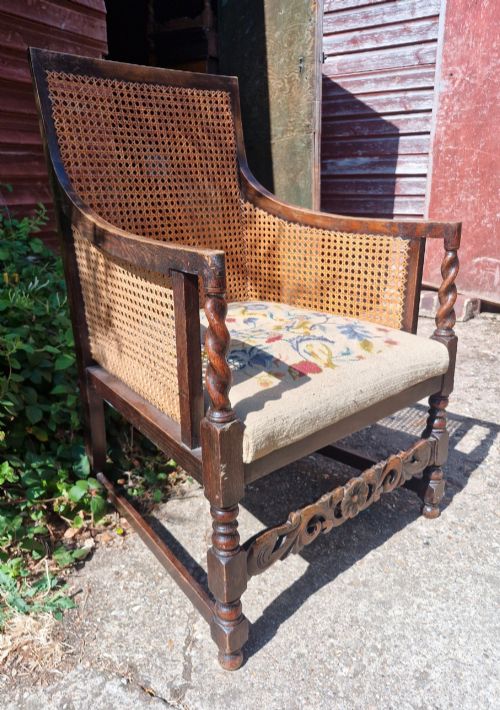
You are most likely to meet mahogany, oak, and walnut framed examples alongside occasional chairs in ebonised wood, rosewood, and teak. The forms vary from straightforward side chairs to elaborate bergere armchairs with cane backs and seats.
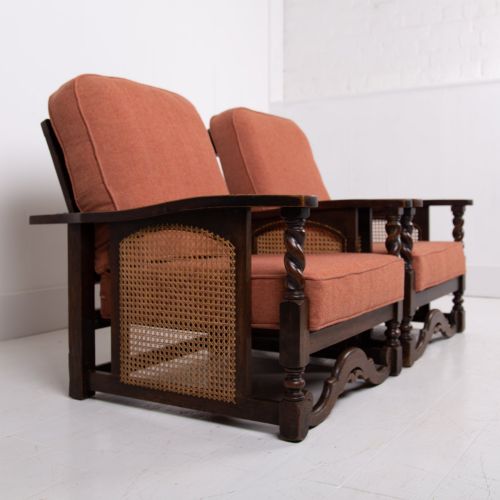
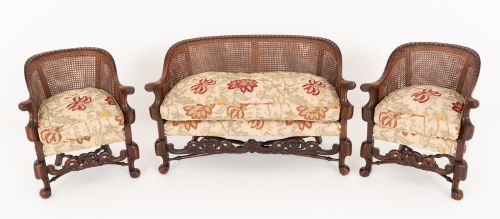
The styles shift across the centuries, taking in revival designs such as Carolean, Jacobean, and William & Mary alongside Arts & Crafts, Art Deco, and Anglo-Indian Colonial pieces. Many integrate woven cane or rattan with cushions in fabric, leather, or velvet.
How they were made
Frames are constructed from solid hardwoods including mahogany, oak, walnut, satinwood, and ebony, occasionally enhanced with brass inlays, giltwood, or lacquer. Carpenters shaped these timbers into dining chairs, tub armchairs, and folding campaign chairs using traditional joinery.
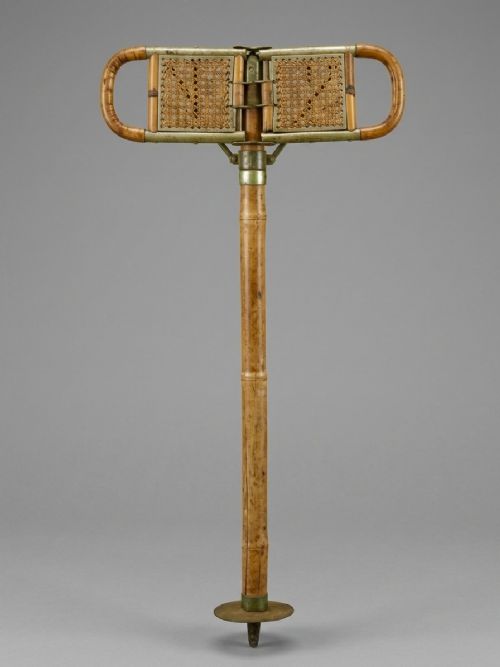
Seating panels and backs utilise woven cane, split cane, or rattan, threaded through drilled holes in the timber frame or secured in channels. Some pieces pair this woven work with upholstered cushions or drop-in seats covered in fabric, leather, or velvet.
Children are well catered for in the archive with miniature caned mahogany tub highchairs designed for the Victorian nursery.
What varies in quality
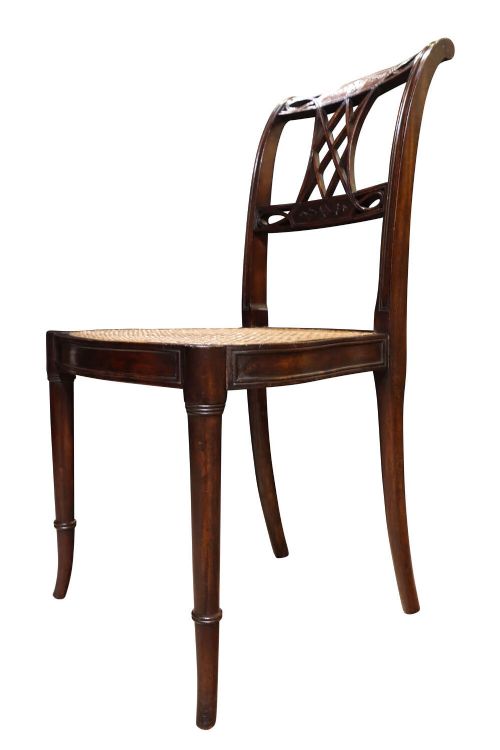
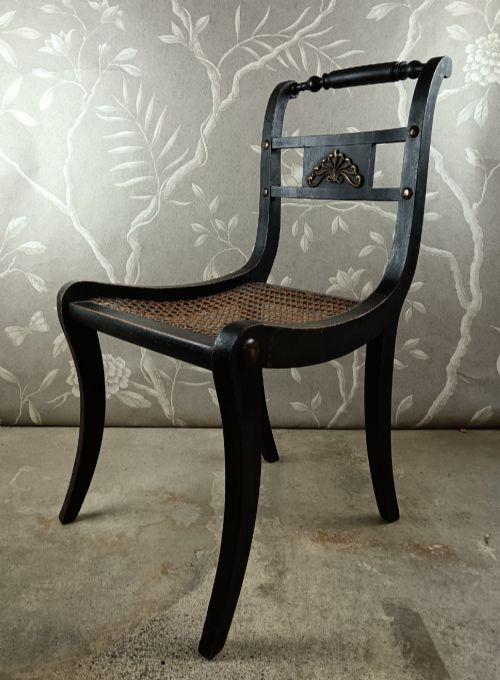
Quality rests in the selection of timber and the precision of the frame carving, from simple turned members to intricately carved Anglo-Indian details or ebonised Regency sabre legs. Heavier woods and substantial proportions separate robust library bergere armchairs from lighter occasional seating.
The integrity of the woven cane work dictates the standard of the seat or back panel, whether original material or a later replacement. Finer drilling and tighter weaving patterns demonstrate superior craftsmanship across Georgian, Victorian, and Edwardian examples.
Dryad & Co·Waring & Gillow
The Vintage Cane Seated Chairs Glossary
- Bergere
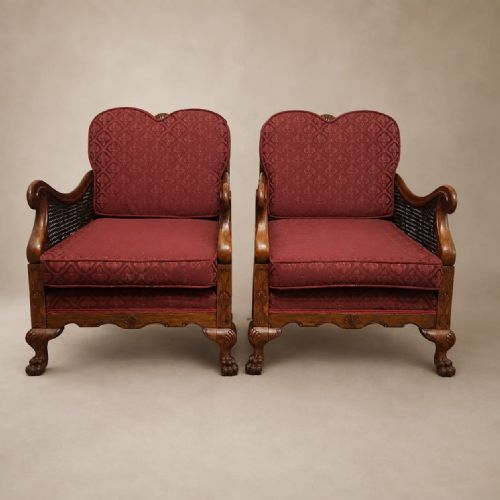
- An enclosed upholstered armchair with wooden framing, often featuring cane sides and back panels. These seats frequently include loose squab cushions.
- Cane
- Material derived from the rattan palm, split and woven into open patterns for chair seats and backs. It provides flexibility and breathability.
- Sabre leg
- A concave tapering furniture leg that curves outwards, typical of the Regency period. It adds stability and a distinct classical silhouette.
- Bobbin
- A turned chair frame formed of rounded wooden beads resembling bobbins on a thread. This style appears frequently in 19th-century seating.
Vintage Cane Seated Chairs: Frequently Asked Questions
How do I date a cane chair?
Dating relies on identifying the timber species, the turning style of the legs, and the overall silhouette against documented historical periods. Regency pieces show classical curves, while Edwardian items often display lighter inlaid mahogany frames.
Examining the construction of the cane panel and the underneath of the frame provides further clues to the manufacturing decade.
Are cane seats comfortable?
Woven cane offers a resilient, flexible surface that adapts to the sitter while providing firm support. Many bergere armchairs and library chairs include removable cushions in fabric, leather, or velvet to add softness.
Over time, the woven material maintains its tautness if cared for properly and kept away from excessive dryness.
How should I clean cane furniture?
Dusting the woven panels regularly with a soft brush prevents dirt from settling in the gaps between the strands. A slightly damp cloth can remove marks, provided the timber is dried promptly afterwards.
Avoiding harsh chemical cleaners preserves the natural finish of both the wood and the rattan.
Can damaged cane seats be repaired?
Skilled restorers can re-cane damaged seats and backs by threading new rattan through the existing holes in the wooden frame. Traditional hand-caning matches the original pattern of the piece, whether simple or complex.
Professional repair ensures the chair retains its structural integrity and historical appearance.