




Vintage Cane High Chair
A vintage cane high chair brings domestic history into the nursery with woven seats and backs set into sturdy wooden frames.
Vintage Cane High Chair
A vintage cane high chair is a child's seat raised for feeding or seating at table, appearing across periods from the nineteenth century into the twentieth century. These pieces combine traditional children's furniture forms with woven elements designed to support a young child securely.
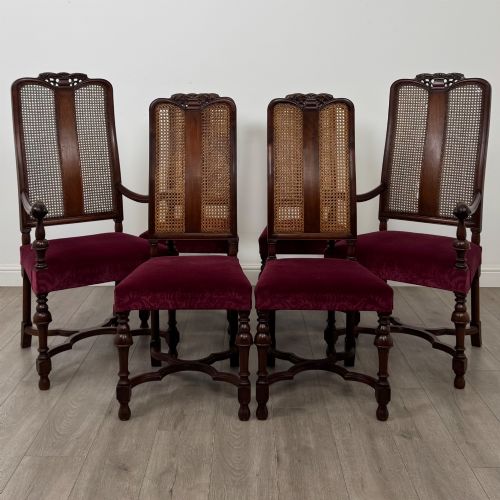
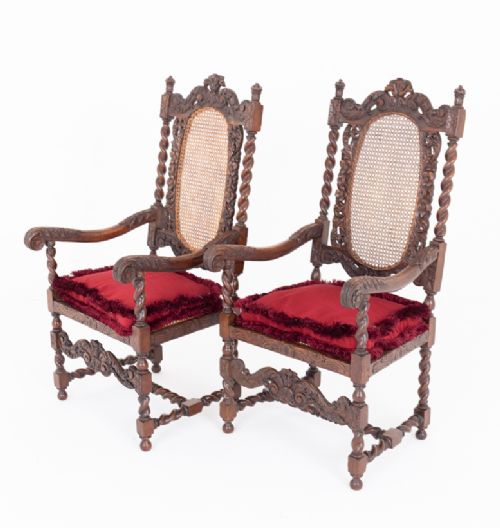
The selections available range from Victorian mahogany child's high chairs to later examples incorporating bergere work. Makers utilised woods such as mahogany, walnut, and beech alongside flexible plant materials to build stable frames for domestic use.
Buyers encounter variations spanning from simple stick-back models to elaborately styled revival pieces. Each vintage cane high chair reflects the prevailing domestic tastes of its era while serving a practical household function.
Materials and construction methods
Frames rely on solid hardwoods like mahogany, walnut, oak, and beech, shaped through traditional carpentry and joinery techniques. Woodturners formed spindles and legs, while cabinetmakers assembled structural joints to withstand daily nursery demands.
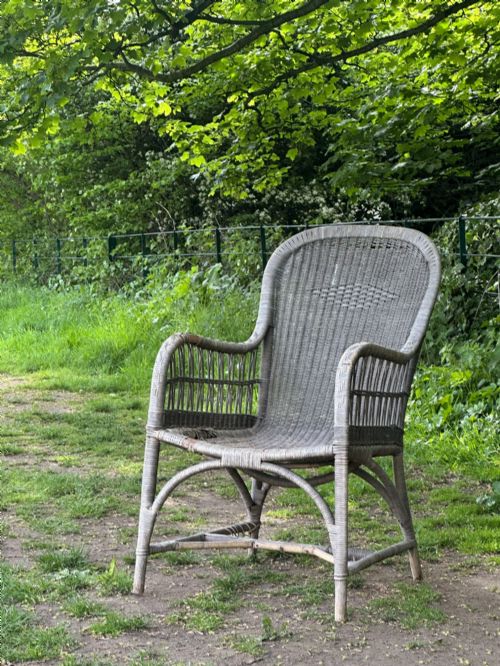
Seating and backrests utilise natural cane, rattan, or willow, woven tightly through drilled holes in the wooden frames. This weaving technique provides a resilient yet flexible surface that supports weight while remaining breathable.
Listings feature woods including mahogany, walnut, oak, and beech alongside natural cane and rattan.
Assessing quality in construction and material
Quality rests upon the integrity of the wooden frame and the precision of the woven panels. Dense hardwoods and tight, uniform weaving indicate superior workshop output compared to loose joinery or brittle plant fibres.
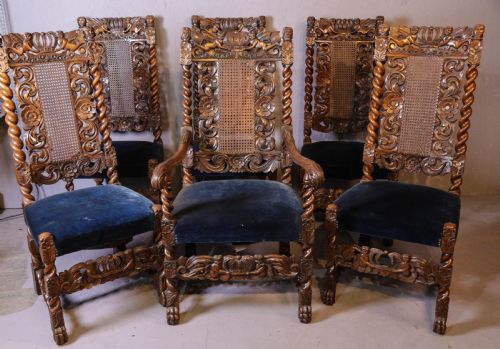
Finer examples display careful attention to carved details, proportion, and surface finishing. The relationship between the solid wooden structure and the delicate woven components dictates the overall balance of the piece.
Dryad of Leicester·Waring & Gillow
The Vintage Cane High Chair Glossary
- Cane
- Strips of peeled rattan used for weaving seats and backs. This material provides both flexibility and tensile strength.
- Bergere
- A type of upholstered armchair with an enclosed cane back and sides. The woven panels lighten the heavy wooden appearance.
- Mahogany
- A durable tropical hardwood prized for its reddish-brown tone and resistance to warping. Cabinetmakers favoured it for fine seating furniture.
Vintage Cane High Chair: Frequently Asked Questions
How do I clean a cane seat?
Wipe the woven surface gently with a damp cloth and mild soap, avoiding excess moisture that can rot the natural fibres. Allow the material to dry completely in a well-ventilated area.
Condition the cane periodically with boiled linseed oil applied sparingly with a soft brush. This maintains flexibility and prevents the plant material from becoming brittle over time.
How do I date a wooden high chair?
Examine the timber species, tool marks, and construction joints to determine the approximate period of manufacture. Hand-cut joinery and dense hardwoods often point towards earlier nineteenth-century production.
Compare the overall style against revival trends and documented maker signatures if present. Stylistic cues such as spindle turning or carved crest rails help narrow down the decade.
What is the difference between cane and bergere?
Cane typically refers to woven strips threaded through holes drilled directly into the wooden frame. This method creates a flat, open mesh pattern common in traditional chair seats and backs.
Bergere involves double-caned or fully enclosed woven panels set within a carved wooden channel. This technique produces a denser, more refined surface often found on upscale armchairs.