

Vintage Cachepot
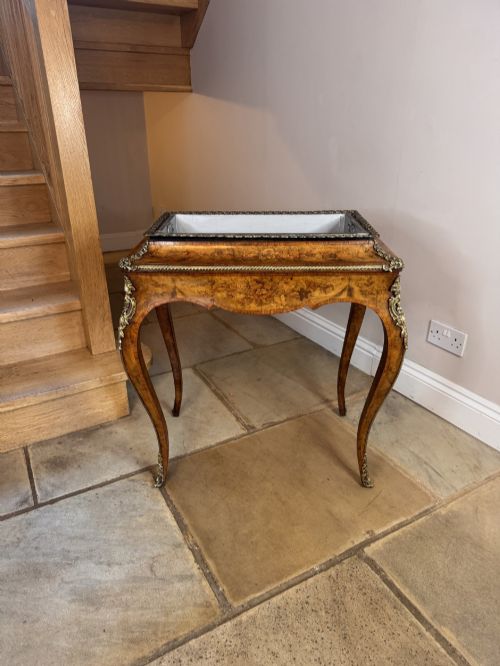
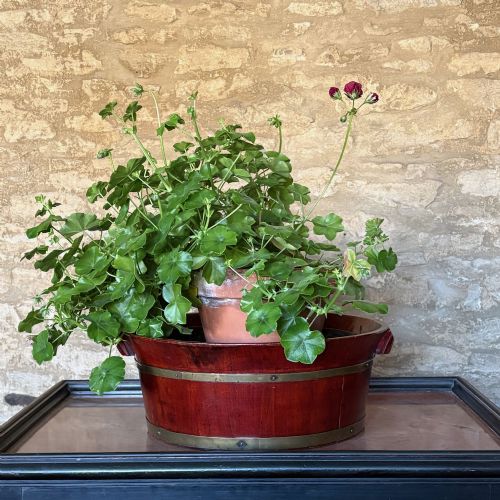
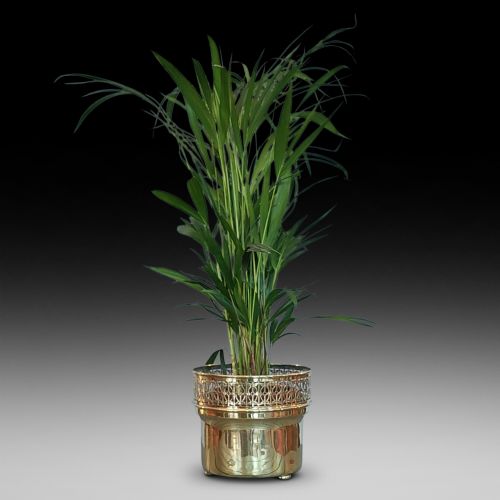
These vintage cachepot selections are decorative plant pots and jardinières designed to hold indoor greenery, offering period charm for domestic interiors.
Vintage Cachepot
A vintage cachepot serves as a decorative outer vessel for potted plants, concealing standard clay flowerpots while protecting interior surfaces. When buyers search for a vintage cachepot, they encounter forms that bridge functional horticulture and ornamental display.
The selections span distinct historical periods from the nineteenth century through the early twentieth century, including Victorian, Edwardian, and Art Nouveau eras. Common designations include jardinières, planters, and decorative urns.
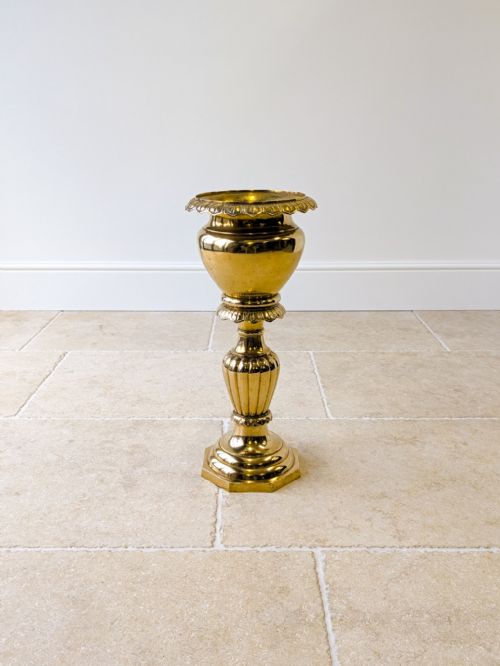
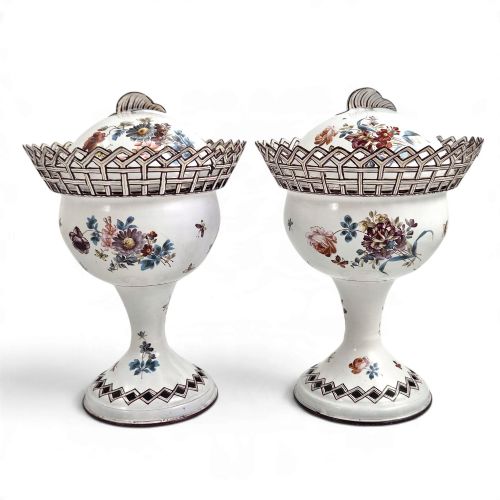
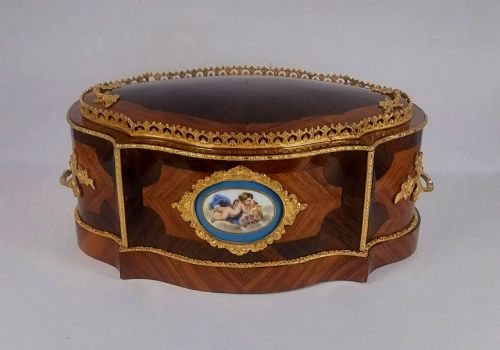
Origins vary widely across the inventory, ranging from English potteries like Doulton Lambeth and Royal Worcester to French cabinetmakers, Dutch metalworkers, and Japanese porcelain producers. Forms alternate between simple cylindrical buckets and elaborate pedestal-mounted vessels.
Materials and manufacture
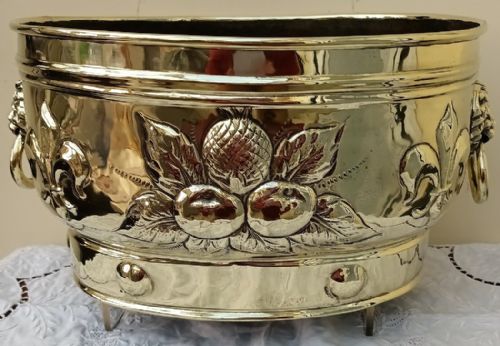
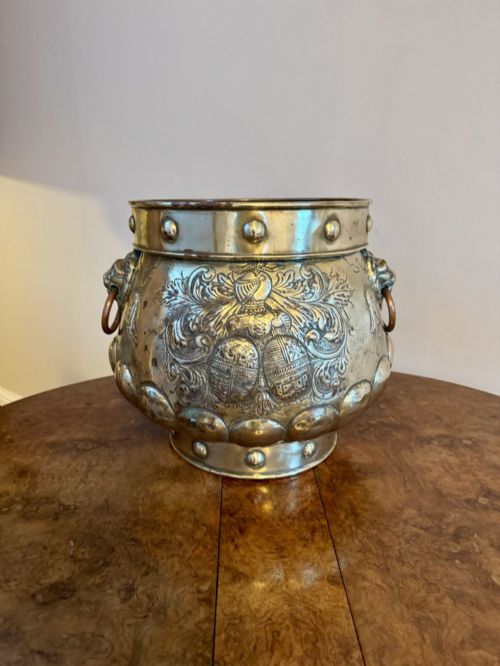
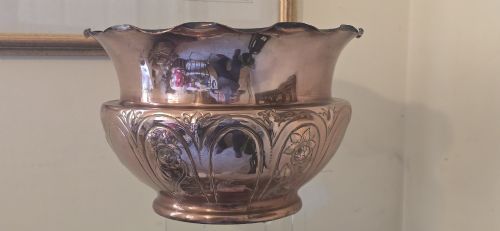
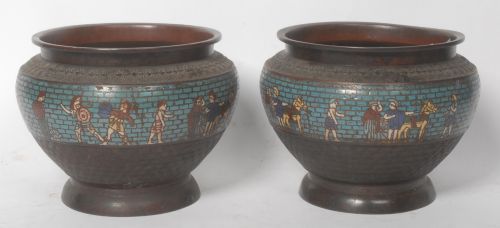
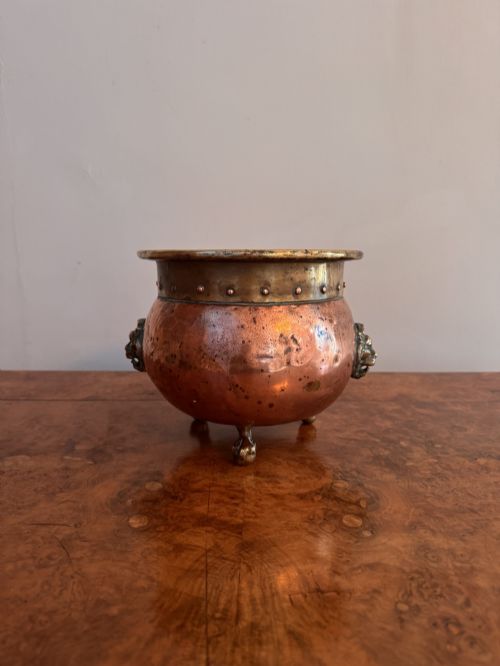
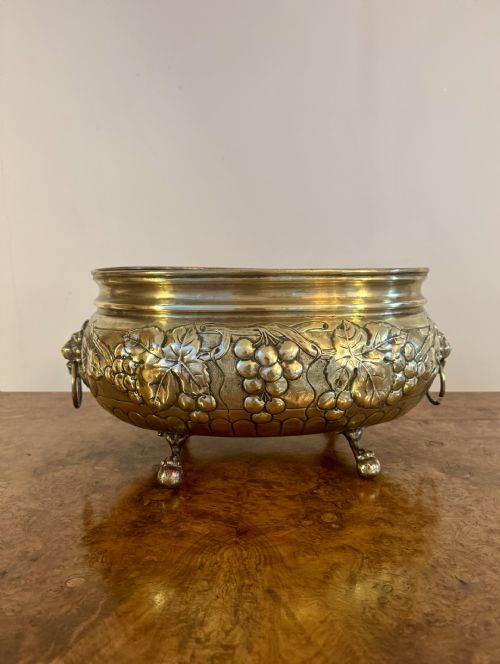
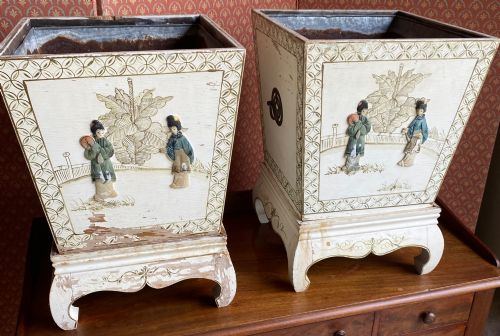
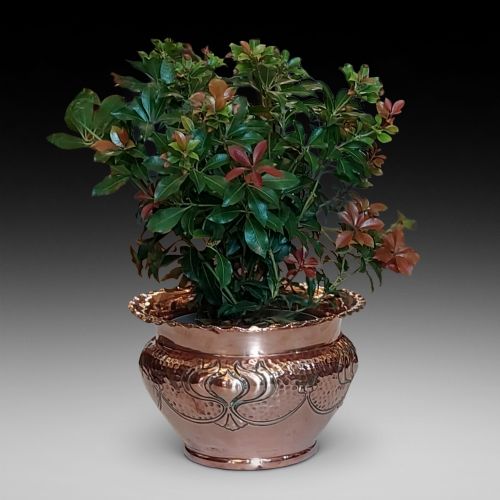
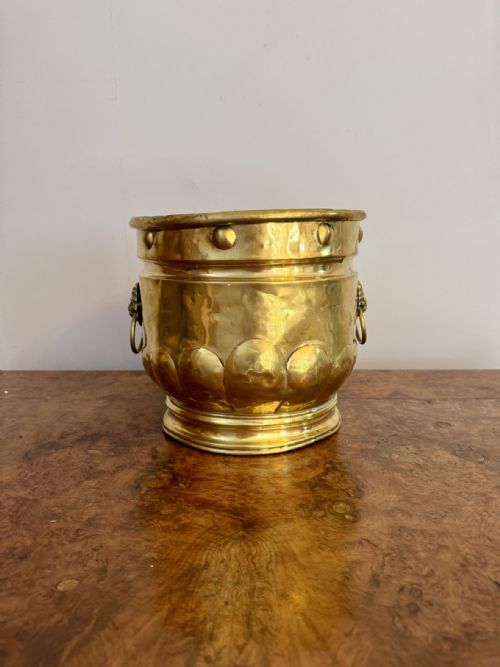
Metal fabrication dominates the inventory, utilising heavy brass, copper, and bronze shaped through hammering, piercing, casting, and embossing. Workshops employed techniques such as champlevé enamel on bronze and tole peinte on metal to create textured, coloured surfaces.
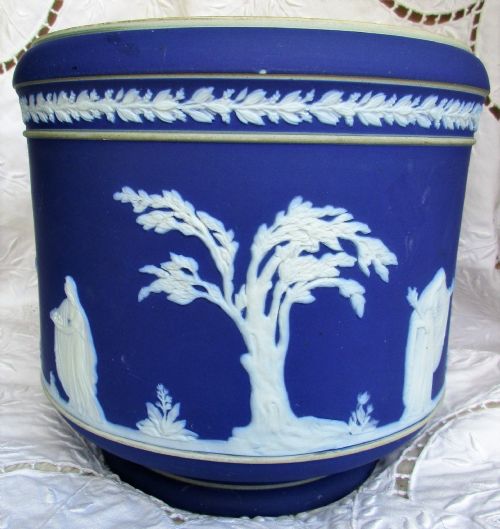
Ceramic pieces rely on stoneware, porcelain, and earthenware bodies finished with decorative glazes or hand-painted details. Makers combined these ceramic vessels with fitted stands and metal mounts to produce substantial indoor planters.
Vintage Cachepot Retail Price Guide 2026
Typical asking prices for vintage cachepot among the pieces listed under this phrase on Sellingantiques today, from the lower quarter to the upper quarter. They describe what is for sale here now, not the wider market.
Period styles represented across the cachepot selection include Arts and Crafts, Art Nouveau, and French Empire.
Distinctions in quality
Quality rests upon the crispness of casting and hand-tooling in metal pieces, where deep relief embossing and clean piercing indicate superior craftsmanship. Heavier gauge brass and solid copper distinguish substantial vessels from lighter commercial items.
In ceramic examples, the clarity of hand-painted glazes and the reputation of the pottery define the tier of the piece. Retaining original stands, liners, and matching pairs elevates the integrity of the object.
Royal Doulton·Doulton Lambeth·Royal Worcester·James Hadley·J Sankey and Sons·Enoch Wood and Sons
The Vintage Cachepot Glossary
- Cachepot
- A decorative container designed to hold a flowerpot and catch drainage water. The French term translates literally as hide pot.
- Jardinière
- A large ornamental receptacle or stand for plants and flowers. These often take pride of place on tables or hearths.
- Champlevé
- An enamelling technique where depressions are carved into a metal surface and filled with enamel before firing. This creates colourful patterns flush with the metal dividers.
- Tole peinte
- Painted tinware originating in France and Britain. Artisans applied coloured lacquers and detailed paintings over sheet metal.
Vintage Cachepot: Frequently Asked Questions
What is a cachepot used for?
A cachepot holds a potted plant to conceal standard plastic or clay nursery pots. It protects furniture and tabletops from moisture.
Unlike traditional plant pots with drainage holes in the bottom, these decorative vessels are solid. Gardeners place plants inside them while retaining the inner pot for watering.
How do I clean an antique brass planter?
Dust metal cachepots gently with a soft, dry cloth to remove surface particles. Avoid harsh chemical polishes that strip historical patinas.
Allowing brass and copper to retain their natural aged darkening is generally preferred by collectors. Excessive cleaning can diminish the character of nineteenth-century metalwork.
Are these suitable for live plants?
These vessels accommodate live indoor plants when used properly as outer containers. Placing a waterproof saucer inside protects the historic interior surface.
Gardeners frequently remove the plant for watering and allow it to drain thoroughly before returning it to the cachepot. This prevents standing water from damaging antique ceramics and metals.
How do I date a copper jardiniere?
Dating relies upon manufacturing marks, stylistic clues, and construction methods visible on the piece. Arts and Crafts examples often feature hand-hammered surfaces and riveted construction.
Victorian and Edwardian versions display specific aesthetic influences, such as Art Nouveau plant motifs or classical revival handles. Maker stamps on the ceramic bases provide precise chronological reference points.