
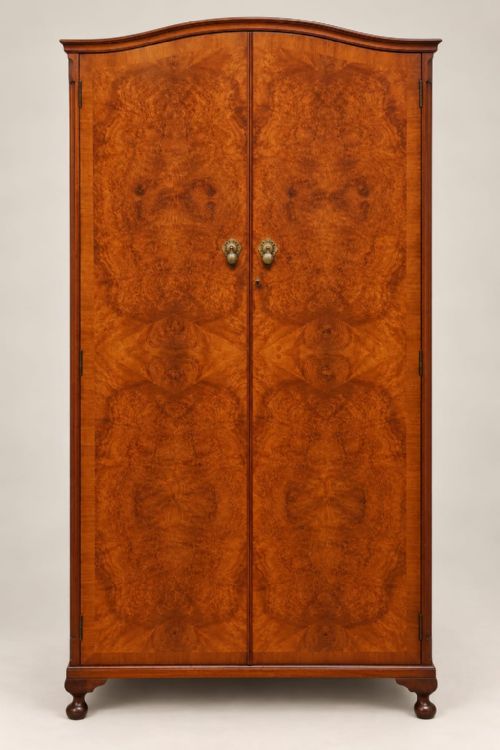
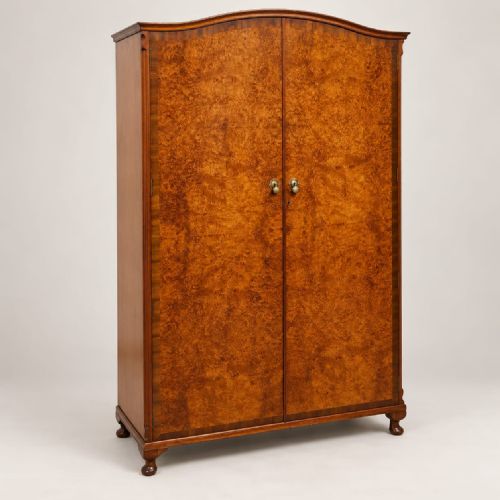
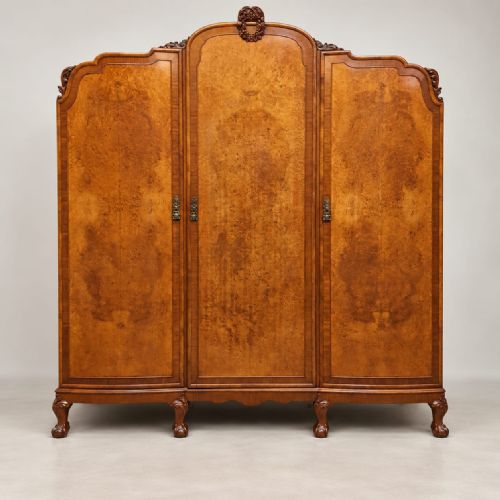
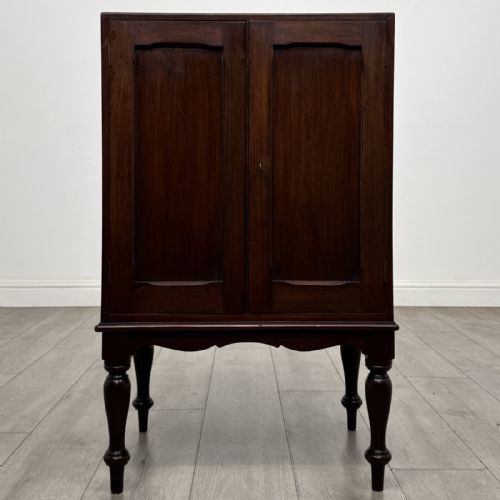
Vintage Cabinet with Doors
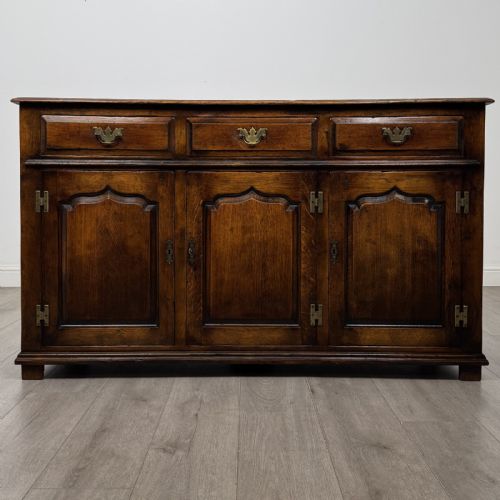
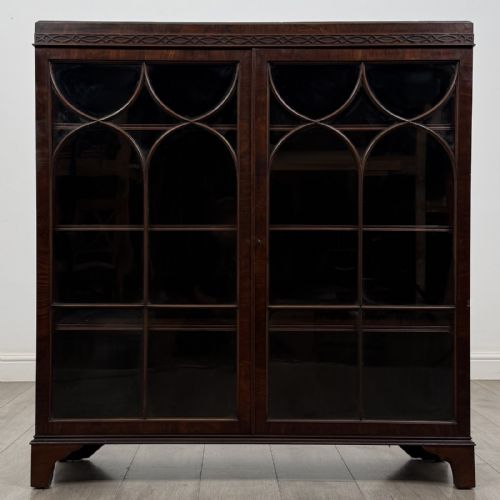
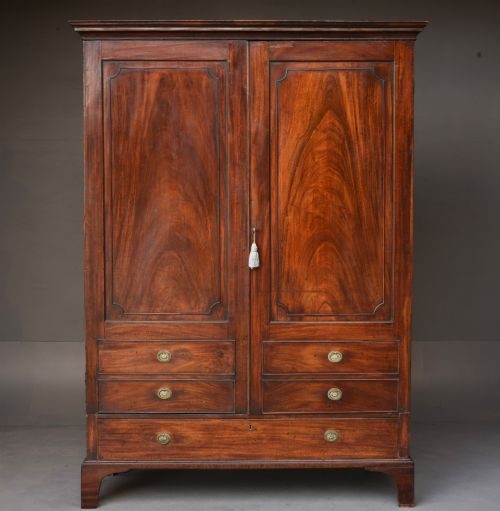
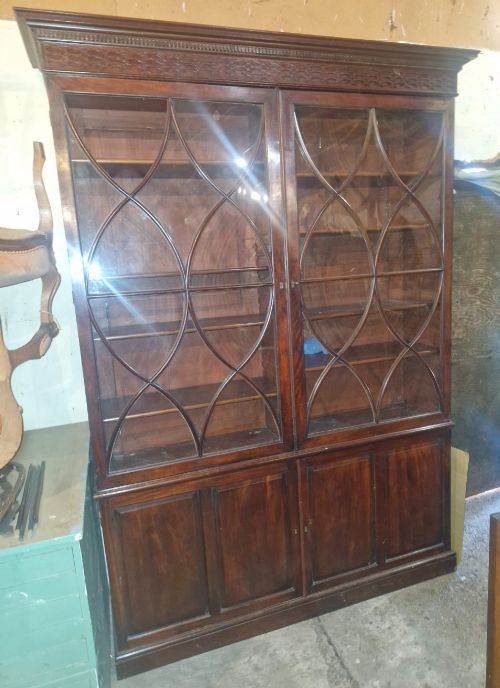
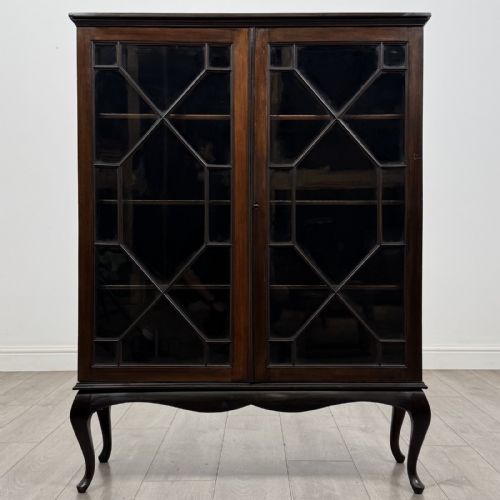
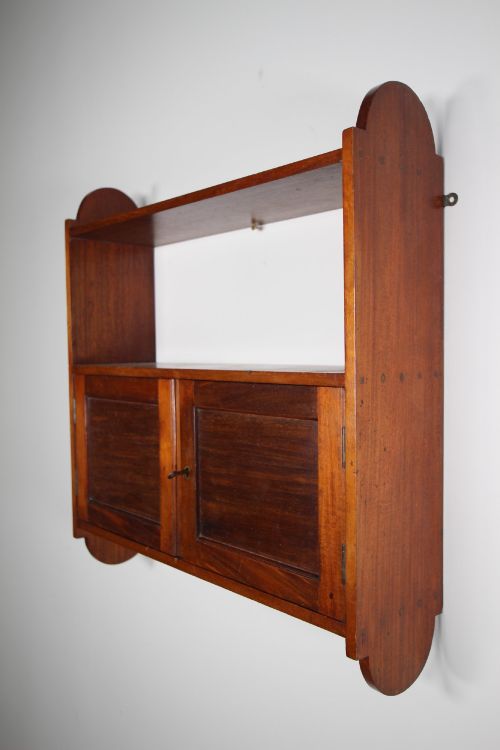
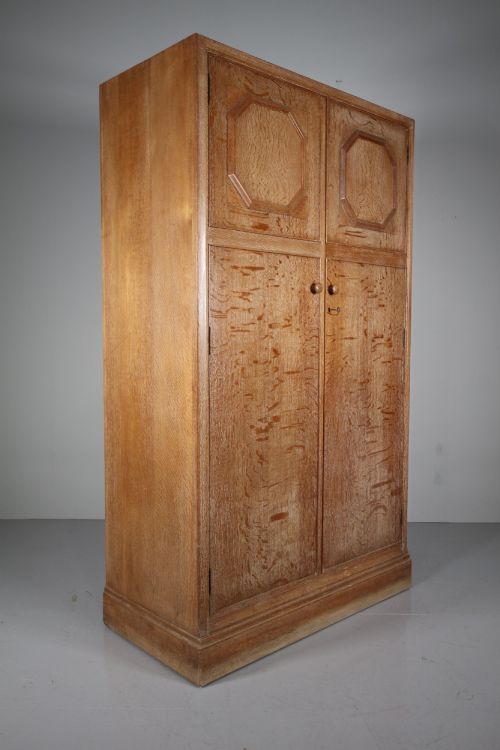
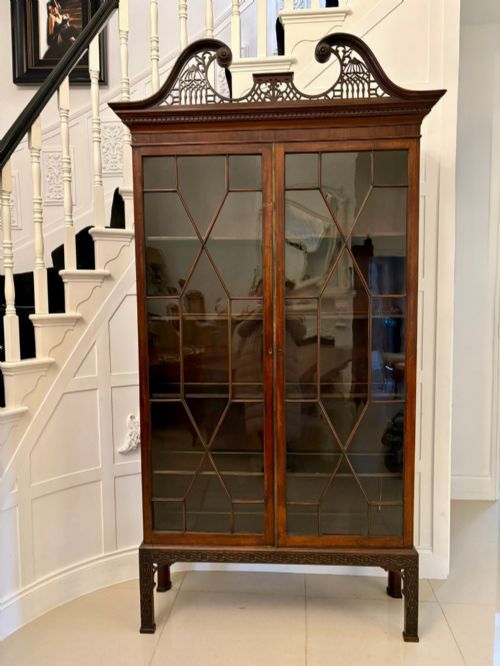
A vintage cabinet with doors offers practical storage while showing timber grain and glazed panels to advantage in a room.
Vintage Cabinet with Doors
When you search for a vintage cabinet with doors, you are looking at items designed to hold books, china, linen or small items behind protective timber or glass closures. The pieces seen here span the nineteenth century through the 1930s, encompassing Edwardian, Victorian, Georgian and Art Deco influences.
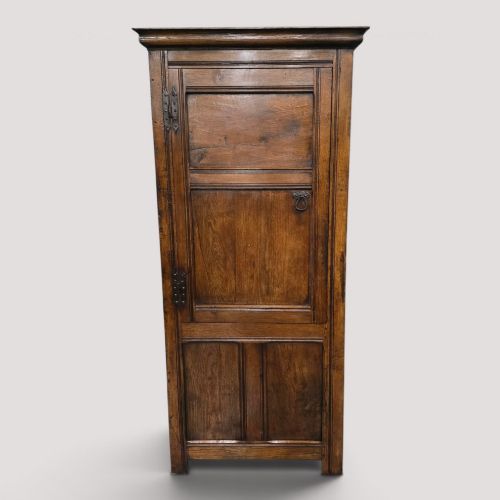
The most common versions on this page are bookcases, display cabinets and corner cupboards made from oak or mahogany. These functional forms range from small wall-hanging cupboards to tall sectional barrister bookcases with up-and-over doors.
Origins include English, Scottish, Dutch and French workshops, utilising regional timbers such as pine, walnut and satinwood alongside traditional construction methods.
Materials and technique
Solid woods and veneers form the foundation of these pieces, with oak, mahogany, walnut and pine providing structural integrity and varied grain patterns. Glass panels, brass hardware, leadwork and marble tops appear frequently as functional and decorative components.
Makers employed traditional joinery techniques, housing shelves securely and hanging doors on brass hinges or pivoting mechanisms. Glazing bars divide glass panes in display cabinets and bookcases, while marquetry, inlay and ebonisation add surface detail.
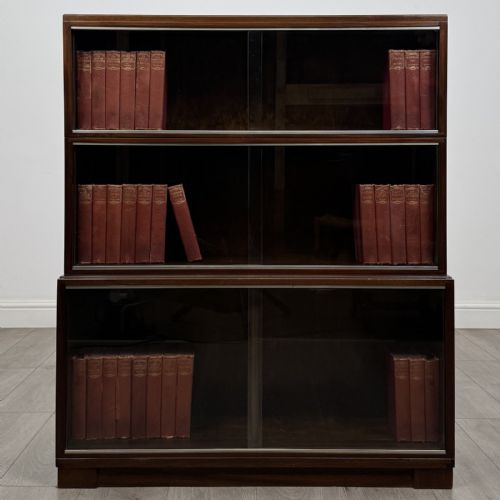
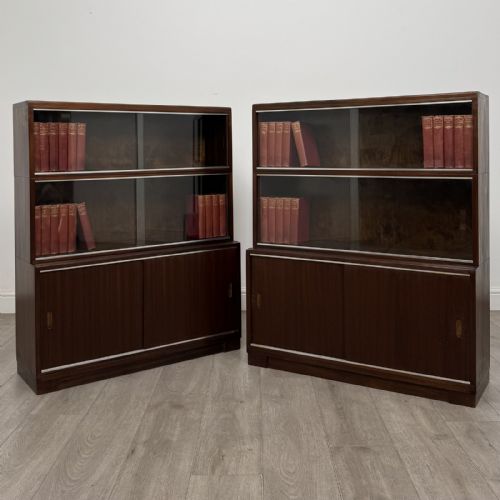
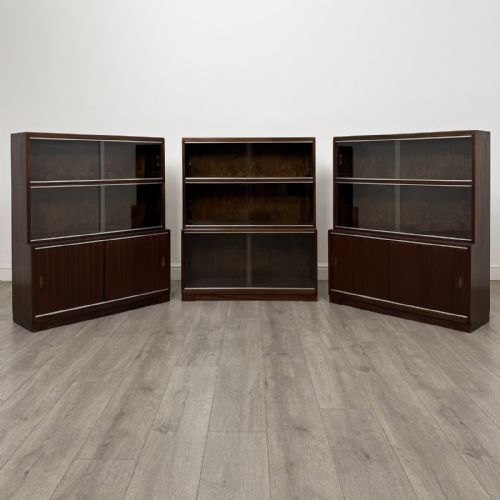
Several cabinets on this page include sliding glass doors designed to let scholars browse without bumping their noses.
Quality and proportion
Quality in these cabinets rests upon the selection of timber, the crispness of carved or inlaid detail, and the retention of original fittings such as glass and brass handles. Pieces with well-figured mahogany or quarter-sawn oak display greater visual depth.
Proportion and structural soundness distinguish finer items from simpler utilitarian versions. Well-executed glazing bars, smooth operation of doors and drawers, and neatly fitted interiors indicate careful workshop production.
Globe Wernicke·Macey·Liberty
The Vintage Cabinet with Doors Glossary
- Glazing bar
- A wooden or metal strip holding panes of glass within a sash. These bars divide the door into smaller lights, typical of display cabinets and bookcases.
- Secretaire
- A desk disguised as a cabinet drawer or cupboard with a drop-front writing surface. It often conceals pigeonholes and small drawers inside.
- Barrister bookcase
- A tall bookcase comprising stacked shelf sections with glazed up-and-over doors. This modular design protected books from dust while allowing modular expansion.
- Marquetry
- Decorative veneer work arranged in pictorial or geometric patterns using various coloured woods. It appears frequently on French and revival cabinet pieces.
- Linen press
- A tall cupboard originally used for storing folded linen on sliding trays or shelves. The upper section usually encloses shelves, while the base contains drawers.
Vintage Cabinet with Doors: Frequently Asked Questions
What is a barrister bookcase?
A barrister bookcase is a stackable storage unit featuring glazed, upward-lifting doors on each shelf tier. The design allowed lawyers and professionals to protect and move their book collections easily.
These modular sections sit one upon another, often finished with a plinth at the base and a cornice top. They remain popular for study and living spaces due to their vertical format.
How do I clean an antique cabinet?
Maintenance requires gentle dusting with a soft, dry cloth and occasional application of appropriate beeswax to nourish timber surfaces. Avoid modern silicone sprays that can damage historic finishes.
Glass panels benefit from standard glass cleaner applied to a cloth rather than sprayed directly, protecting adjacent wood and brass from moisture damage.
Where should I place a corner cabinet?
A corner cabinet fits neatly into unused room angles, making efficient use of floor space while drawing the eye upward. They work well in dining rooms for displaying china or in hallways for general storage.
Because many feature glass doors or shaped wooden panels, positioning them away from direct sunlight helps protect the timber and interior contents.
How do I date an Edwardian cabinet?
Edwardian pieces generally date from 1901 to 1910, often showing lighter golden oak, satinwood, or Sheraton revival marquetry inlay. Construction tends to be lighter than heavy Victorian equivalents.
Examining drawer linings, backboards, and hinge types helps confirm the period alongside any visible stamps or paper labels left by the maker.