

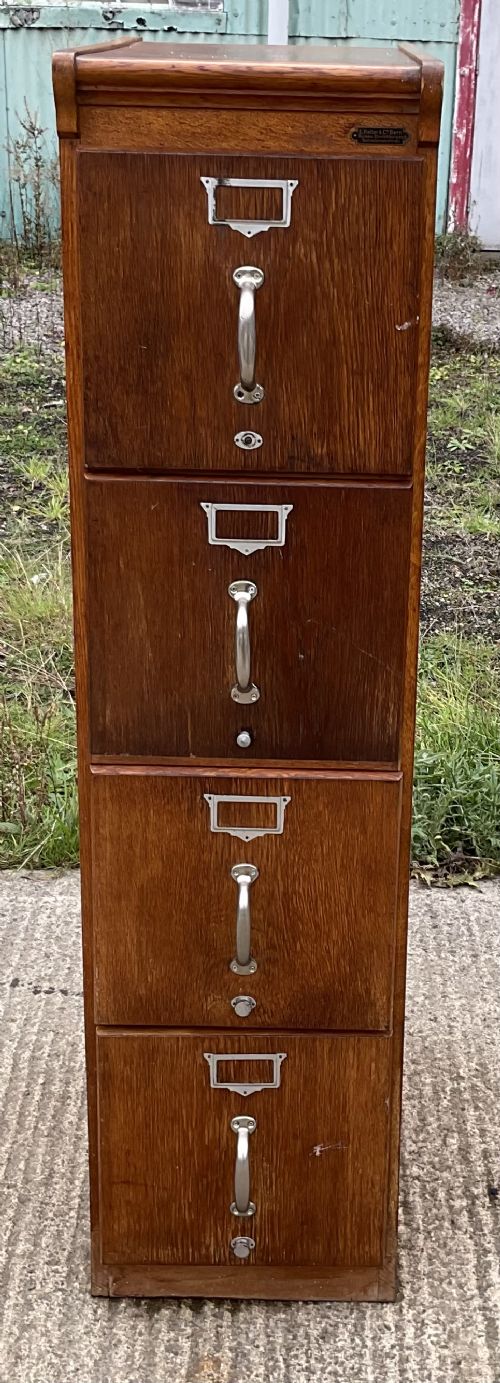
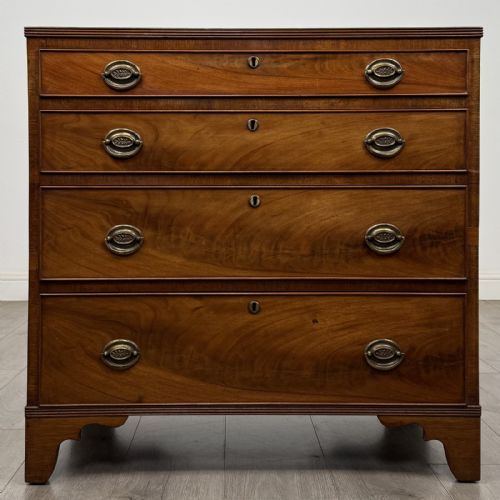
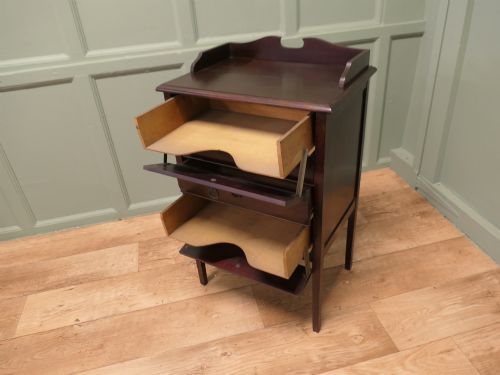
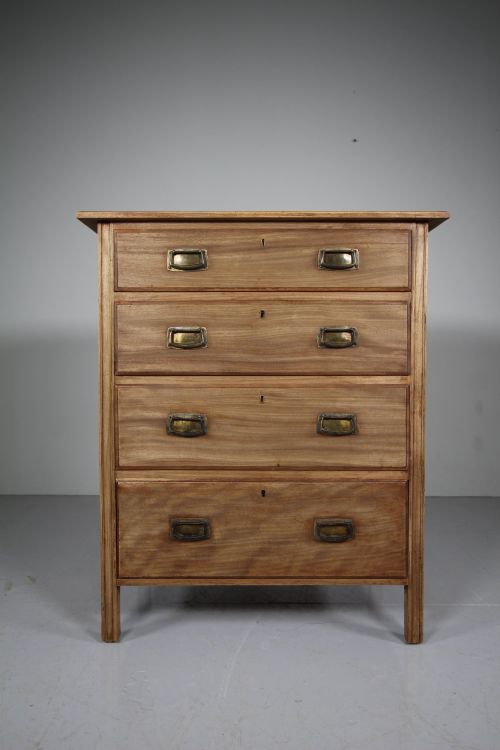

Vintage Cabinet Four Drawers
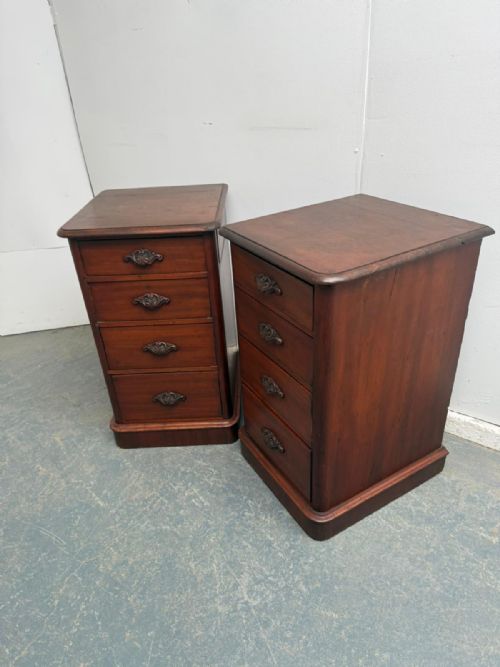
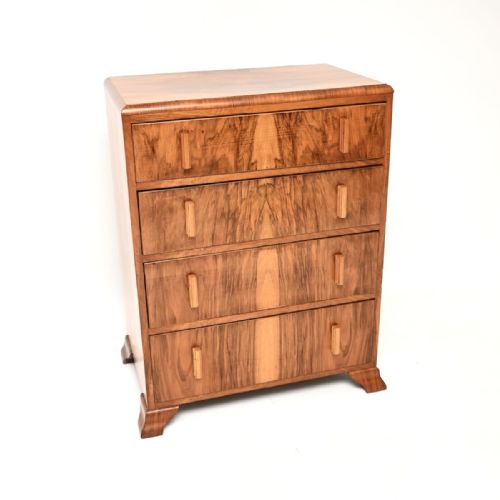
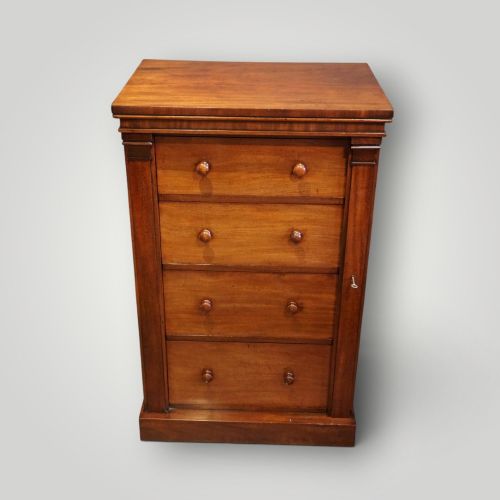
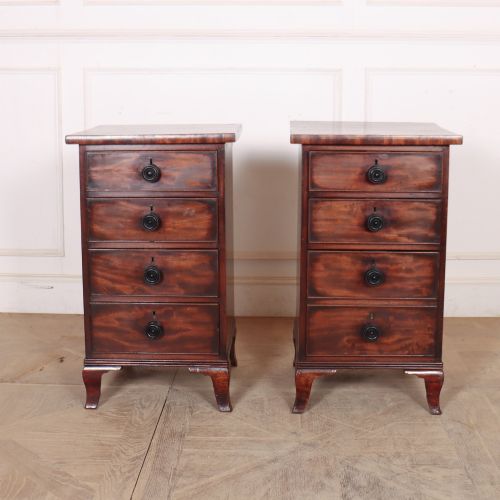
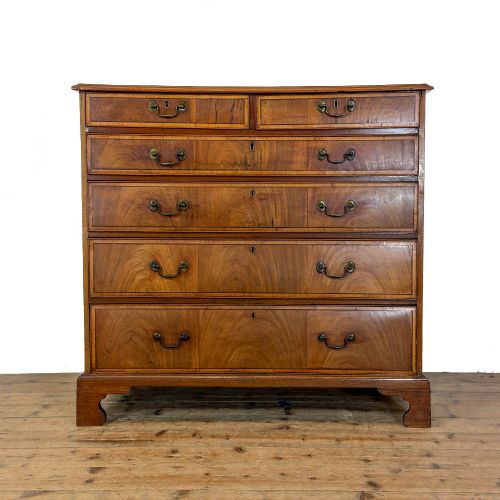
These vintage cabinet four drawers pieces bring practical storage and period character into a room, offering sturdy timber construction and proportioned brass or wooden pulls.
Vintage Cabinet Four Drawers
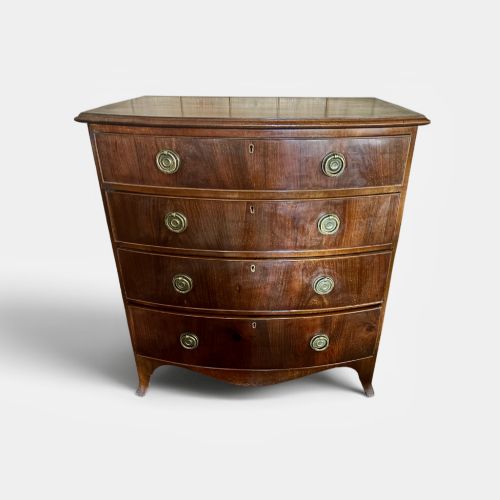
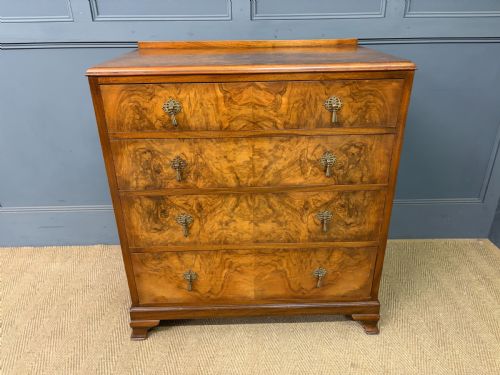
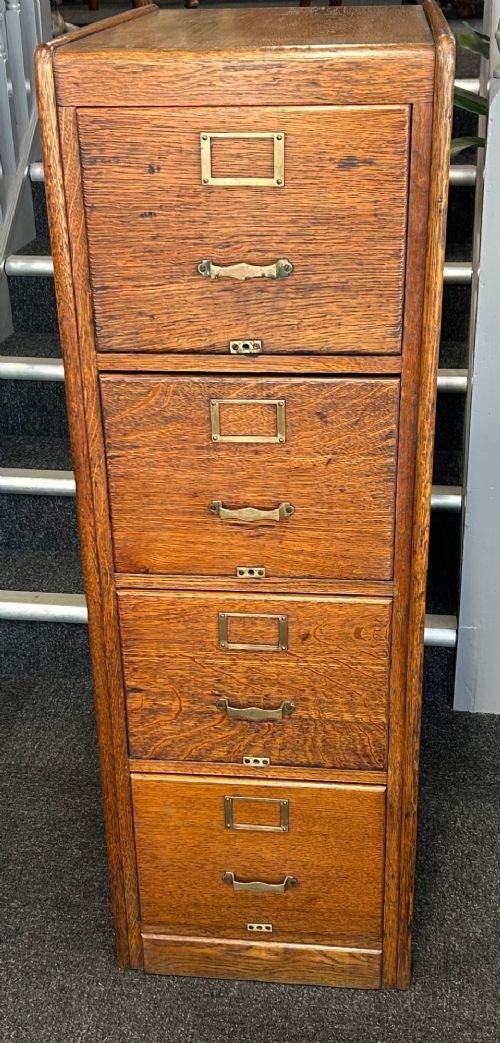
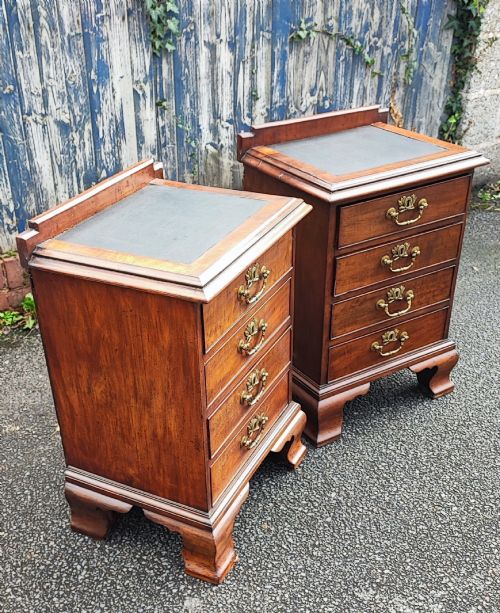
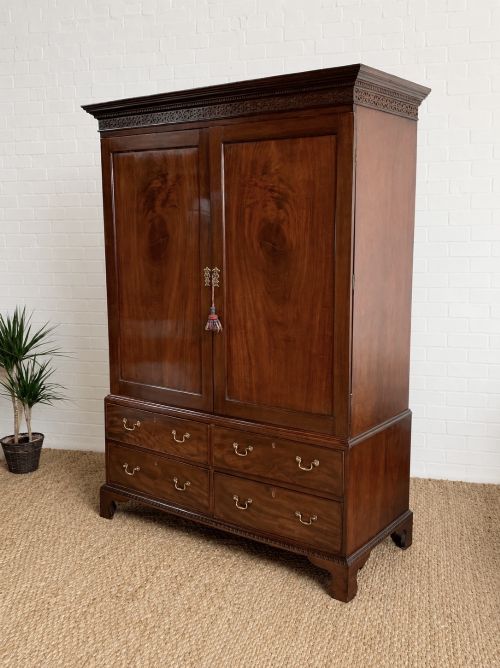
A vintage cabinet four drawers search leads to practical storage pieces spanning centuries of cabinet making, from Georgian styles to Art Deco designs. Buyers encounter everything from compact bedside chests and nightstands to larger bedroom tallboys and linen presses sharing a four-drawer arrangement.
The pieces appearing on this page draw from 18th century, Victorian, Edwardian, and 1930s periods. Forms range from bow front chests and Wellington chests to shop counters and compact bedside cabinets.
Materials and construction
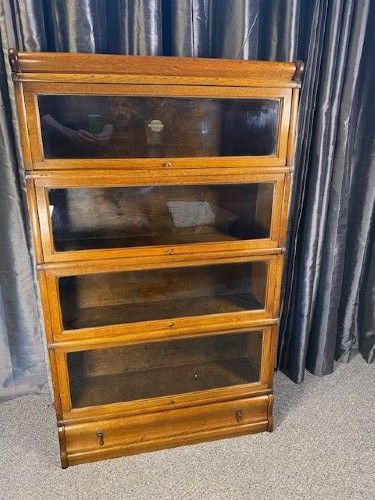
Cabinet makers utilised solid and veneered timbers including mahogany, walnut, oak, pine, ash, and yew wood, often highlighting flame mahogany or figured walnut grains on drawer fronts. Brass handles, key escutcheons, and glass elements complete the structural hardware.
Joinery methods reflect traditional workshop practices of the 19th and early 20th centuries, utilising dovetailed drawer construction and panelled carcasses. Waxed or polished finishes protect the timber surfaces while preserving natural grain patterns.
Vintage Cabinet Four Drawers Retail Price Guide 2026
Typical asking prices for vintage cabinet four drawers among the pieces listed under this phrase on Sellingantiques today, from the lower quarter to the upper quarter. They describe what is for sale here now, not the wider market.
Current listings feature materials ranging from traditional mahogany, oak, walnut, and pine to glass, metal, brass, and flame mahogany.
Distinctions in craftsmanship
Quality rests in the selection of timber veneers, such as figured walnut or flame mahogany, and the crispness of inlaid details or fretwork cornices. Subtleties in proportion and the smooth operation of graduated drawers distinguish finer workshop output.
Originality of hardware, such as period brass handles and working locks with keys, elevates a piece. The integrity of the timber movement and the retention of a warm waxed or polished surface finish mark the higher tier of survivors.
The Vintage Cabinet Four Drawers Glossary
- Bow front
- A convex curved cabinet front popular in Georgian and Victorian furniture design. This shape softens the profile of a room.
- Linen press
- A tall piece combining upper cupboard doors with lower storage drawers. Originally designed for storing household linens.
- Blind fretwork
- Carved ornamentation applied to a flat surface to simulate pierced fretwork without cutting through the wood. It often decorates cornices.
- Graduated drawers
- A set of drawers decreasing in depth from bottom to top. This arrangement creates visual balance on a chest façade.
Vintage Cabinet Four Drawers: Frequently Asked Questions
How do I date a four drawer cabinet?
Dating relies on observing timber choices, construction techniques, and stylistic markers recorded across periods like the Georgian era or the 1930s. Secondary woods inside drawers and the presence of hand-cut dovetails offer reliable clues to age.
Hardware styles and edge mouldings also shift from the heavy ornamentation of Victorian pieces to the cleaner lines of Art Deco design. Comparing these physical traits against documented period examples clarifies the timeline.
Where should I place a bedside chest?
These compact four drawer units fit comfortably beside standard bed heights, providing enclosed bedside storage for nighttime essentials. Their narrow footprints suit smaller guest rooms as well as spacious master bedrooms.
Matching pairs frame a bed symmetrically, while single cabinets add character to an empty corner or hallway. Their vertical storage maximises floor space in tighter layouts.
Are these cabinets suitable for modern homes?
The modest proportions and warm timber tones of mahogany, oak, and walnut integrate easily into contemporary interiors. Their four-drawer layout offers functional organisation for clothing, paperwork, or accessories.
Placing an antique chest in a modern setting creates a focal point that contrasts clean architectural lines with historic craftsmanship. Durable wood surfaces handle everyday use when maintained with appropriate care.
How do I care for polished wood surfaces?
Regular dusting with a soft, dry cloth prevents particulate accumulation on waxed or polished mahogany and walnut surfaces. Periodic application of quality beeswax maintains the moisture and lustre of the antique timber.
Keeping cabinets away from direct heat sources and strong sunlight protects veneers from drying and cracking over time. Simple preventative habits preserve the finish for years of daily interaction.