


Mahogany Pedestal Chests
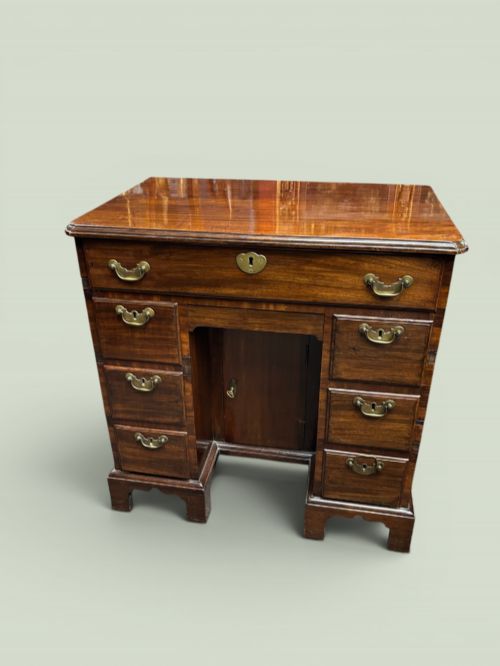
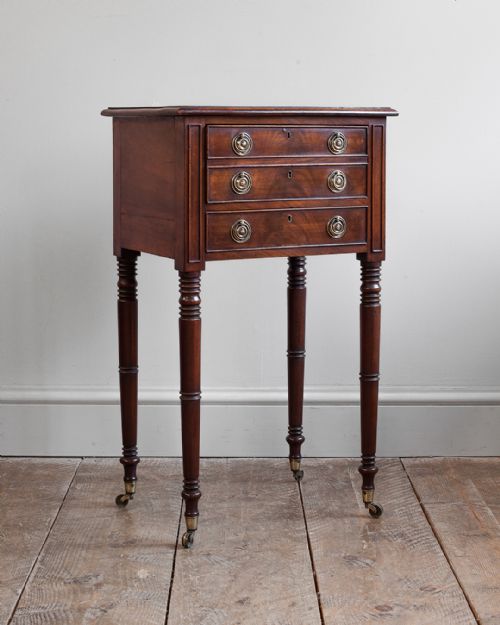
Mahogany pedestal chests bring solid warmth and practical tiered storage to a room, ranging from compact bedside cabinets to grand kneehole desks.
Mahogany Pedestal Chests
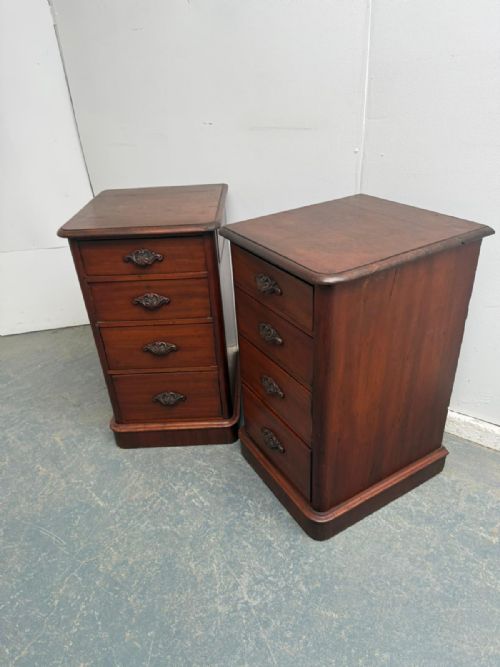
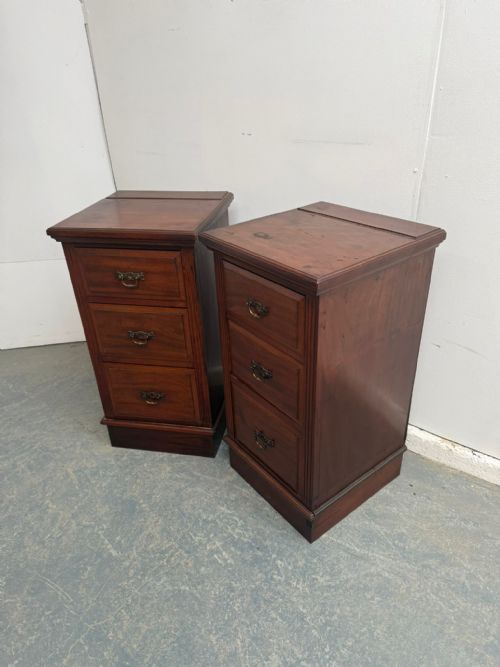
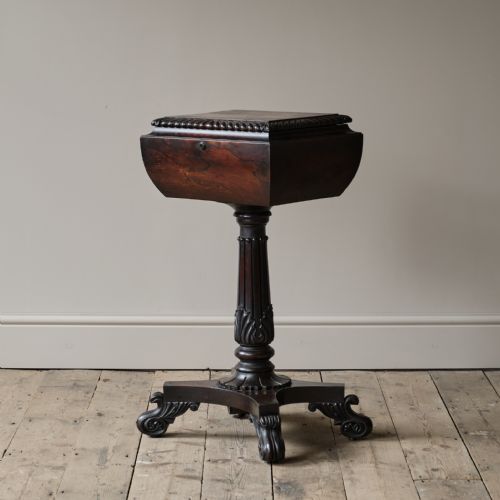
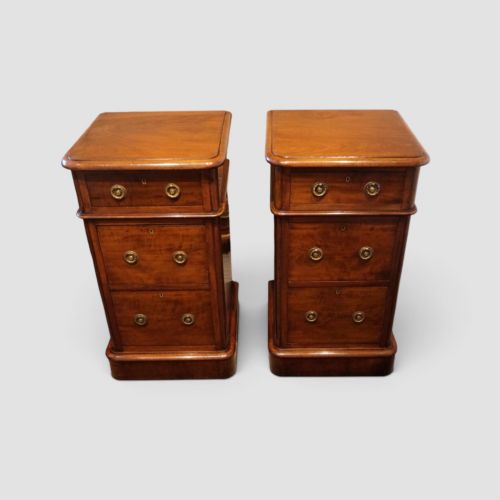
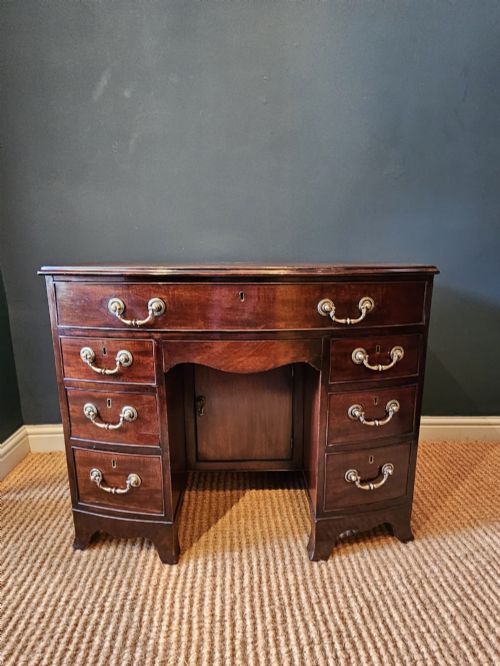
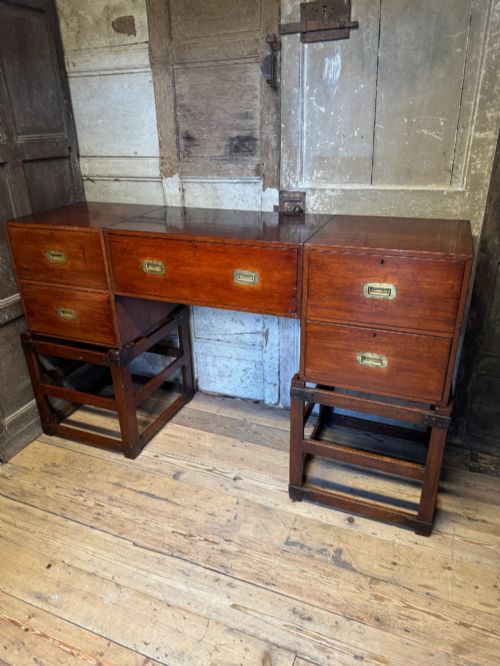
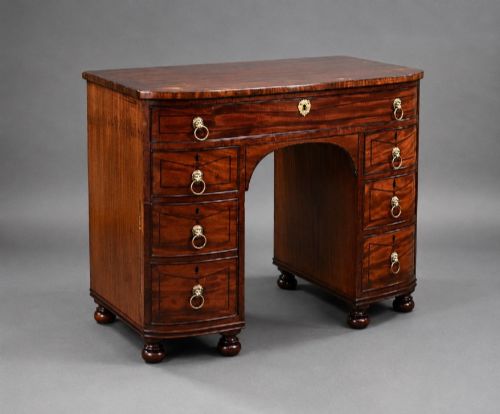
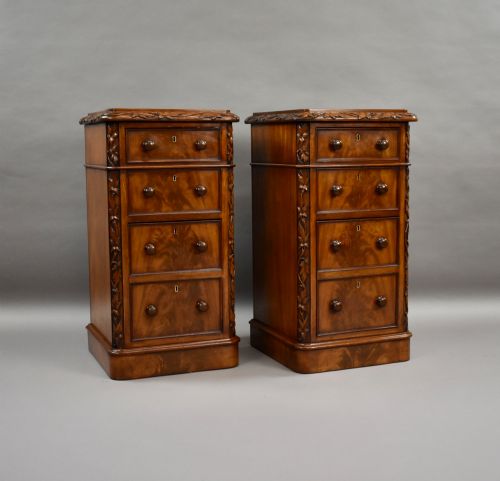
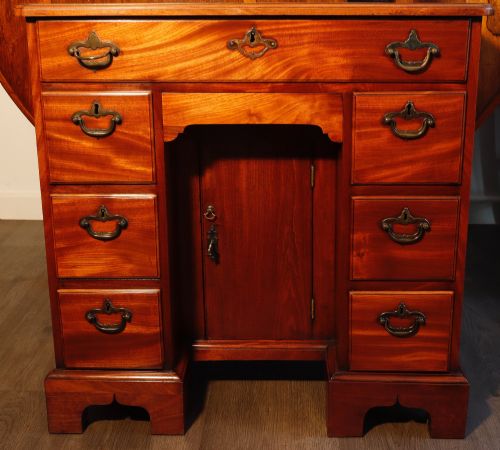
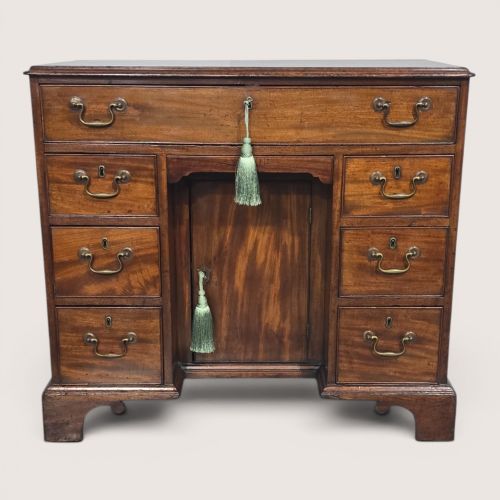
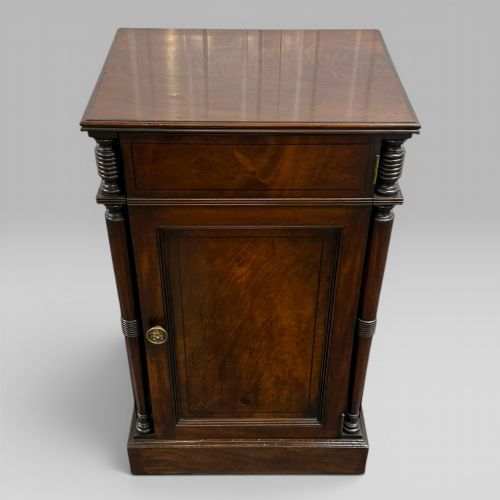
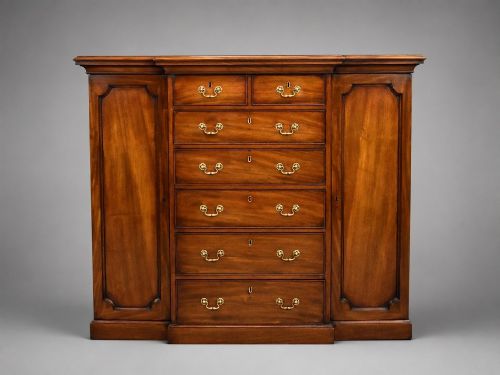
Mahogany pedestal chests encompass a variety of compact and substantial storage forms built around vertical columns of drawers or cupboards, including bedside cabinets, nightstands, and dressing chests. The pieces appearing here span Georgian, Regency, and Victorian periods, reflecting how cabinet makers adapted pedestal designs for bedrooms, dressing rooms, and libraries over successive centuries.
Bedside chests and small cabinets dominate the selection, often found in matched pairs alongside single larger writing desks, kneehole desks, and dressing tables. These forms bridge the gap between heavy case furniture and functional domestic utility, offering multiple drawers within a structured footprint.
Origins stretch from English workshops to French Empire creations and Anglo-Indian pieces, showing how diverse regional tastes interpreted the core pedestal format using mahogany and secondary timbers.
How they were made
Makers constructed these chests primarily from solid mahogany and flame mahogany veneers, frequently pairing them with secondary timbers like oak while incorporating brass handles, locks, and occasionally glass or leather inserts. Surface finishes rely on traditional wax polishes that highlight the deep grain patterns of the timber.
Intricate detailing involved marquetry and satinwood inlay work, brass mounts, and specialised mechanisms such as brushing slides, drop flaps, and locking systems found on Wellington-type and campaign pieces.
Listings feature mahogany, satinwood, oak, brass, leather, and glass across Georgian, Regency, and Victorian periods.
What varies in quality
Quality rests in the selection of timber figures, such as highly figured flame mahogany, and the crispness of inlaid satinwood or ormolu mounts rather than plain surfaces. Superior examples demonstrate tight dovetail joinery in the drawer construction and well-fitted internal components like brushing slides.
The integration of original brass hardware, working locks, and the presence of documented maker signatures elevate a piece from standard domestic utility to high cabinet work.
Edwards & Roberts·Gillows·Maple
The Mahogany Pedestal Chests Glossary
- Pedestal chest
- A case of drawers or a cabinet supported by one or more upright pedestals, creating a distinct vertical division of storage space.
- Brushing slide
- A pull-out shelf integrated above the top drawer of a chest or desk, historically used for dusting clothes or writing notes.
- Flame mahogany
- A veneer cut from the fork of a mahogany tree where the branches join, producing a distinctive rippled, flame-like grain pattern.
- Kneehole desk
- A desk or dressing chest featuring a central recessed space for the user's legs, flanked by two vertical columns of drawers.
- Marquetry
- Decorative veneer work forming intricate pictures or geometric patterns using various woods inlaid into the primary surface.
- Wellington chest
- A tall, narrow chest of drawers secured by a hinged locking side pilaster that fastens all drawers simultaneously.
Mahogany Pedestal Chests: Frequently Asked Questions
What is a pedestal chest?
A pedestal chest is a piece of furniture built with vertical columns of drawers or cupboards flanking a central space or standing alone as a compact cabinet.
These forms served various domestic needs, functioning as bedside storage, dressing tables, or writing desks in period homes.
How do I identify a Georgian chest?
Georgian pieces generally display restrained classical proportions, solid mahogany construction, and hand-cut dovetail joints within the drawer boxes.
They often feature architectural details such as bracket feet, brass swan-neck handles, and occasionally pull-out brushing slides above the upper drawer.
Were bedside chests made in pairs?
Bedside chests and cabinets were frequently produced as matched pairs to flank a bed symmetrically in larger bedrooms.
Matching pairs are particularly sought after by collectors for maintaining balanced bedroom layouts.
How should I care for mahogany furniture?
Mahogany surfaces respond best to occasional applications of traditional beeswax, avoiding silicone-based sprays that can damage the antique finish.
Keeping pieces away from direct sunlight and strong heat sources protects the timber from fading and the veneer from splitting.