



Vintage Burr Credenza
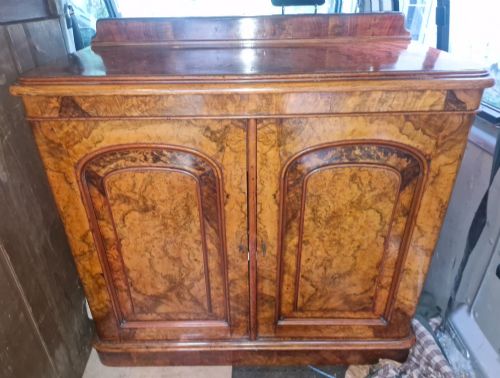
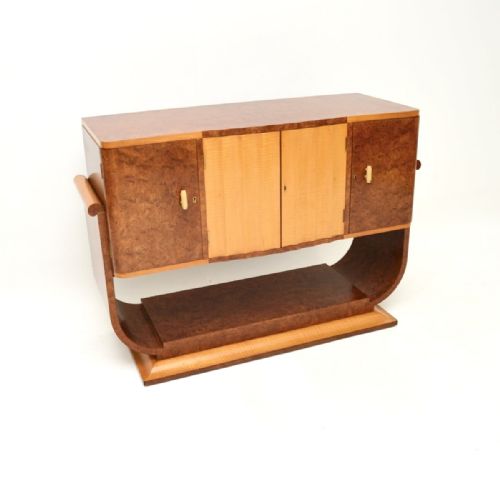
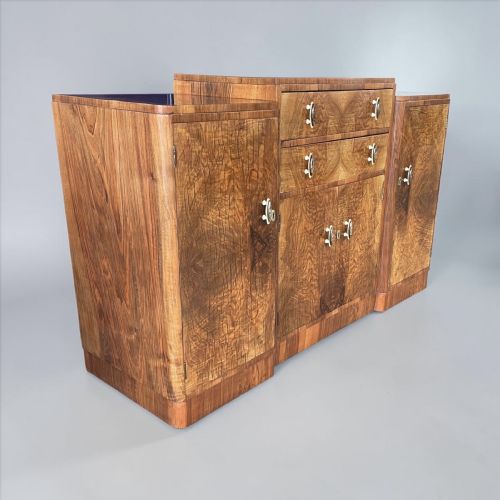
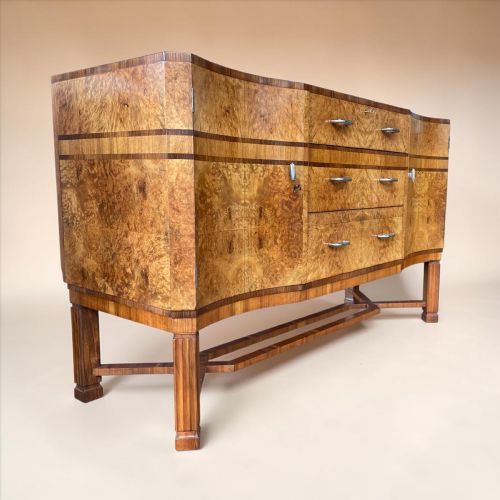
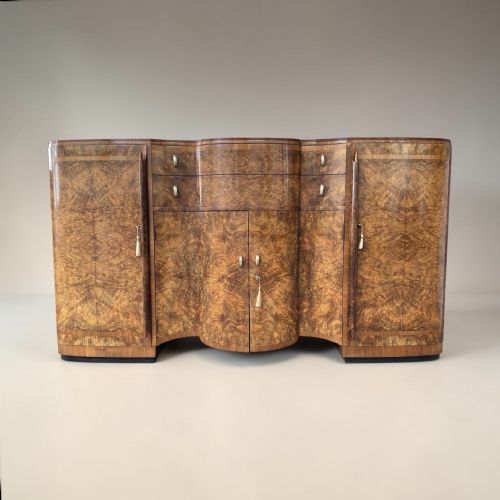
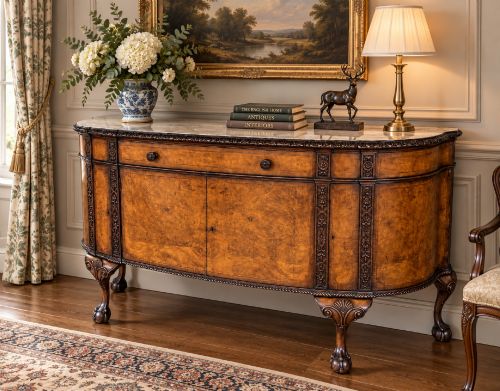
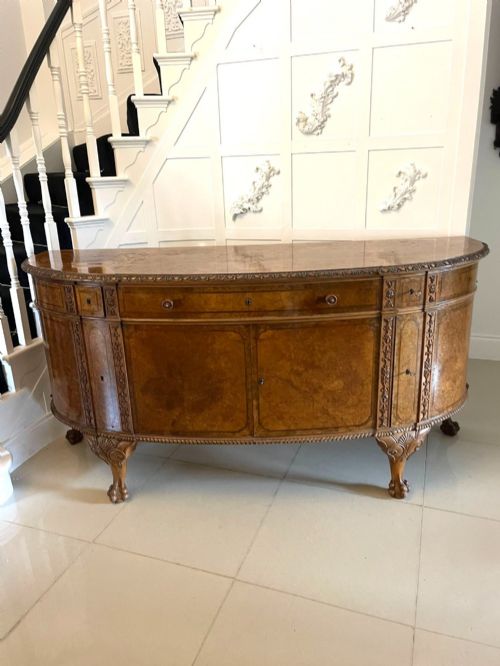
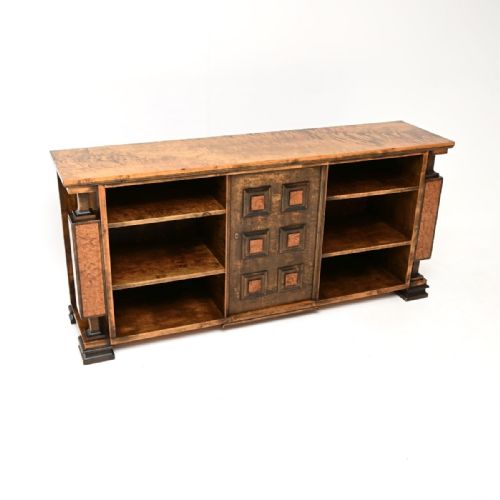
A vintage burr credenza brings rich, swirling grain and substantial storage to a room, drawing the eye with patterned walnut and fine joinery.
Vintage Burr Credenza
Buyers seeking a vintage burr credenza encounter a variety of substantial storage furniture designed to anchor a principal room. Sideboards, side cabinets, and dedicated credenzas form the core of these offerings.
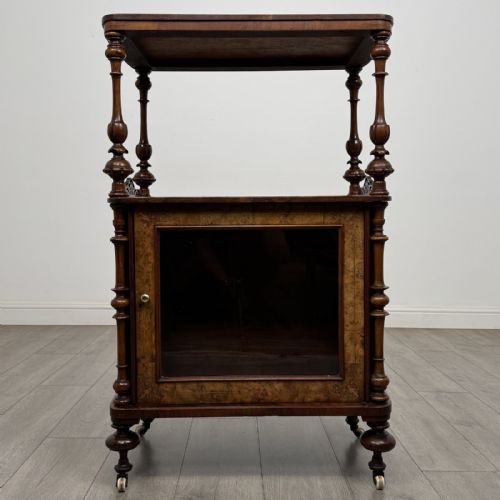
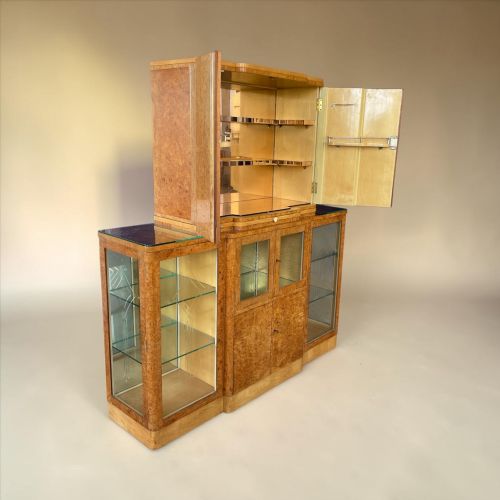
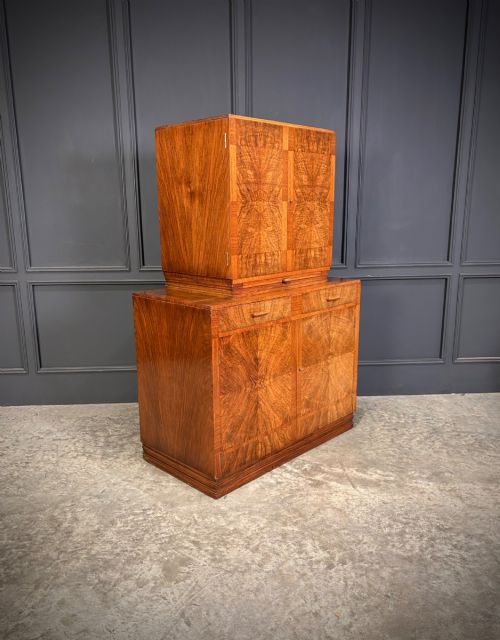
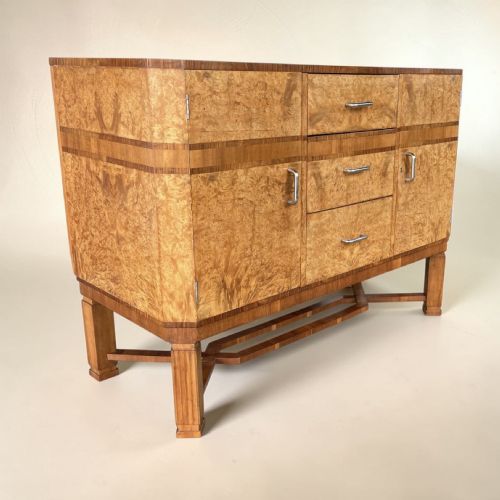
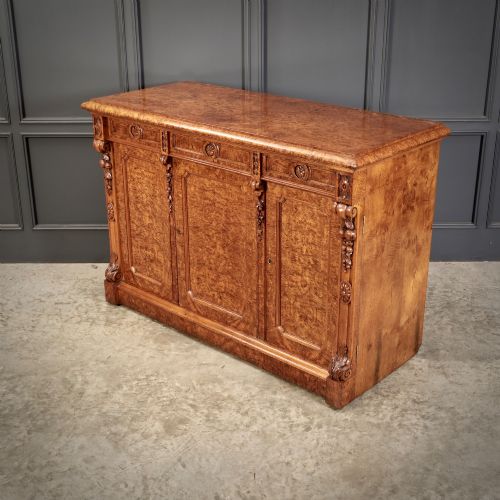
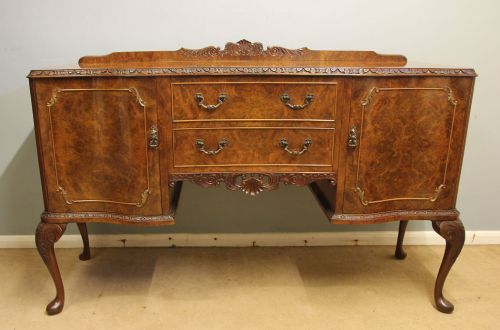
The pieces span several distinct eras, stretching from Victorian and nineteenth-century examples through Edwardian interpretations to sleek Art Deco designs of the nineteen-thirties.
While traditional Victorian formats utilise mirror backs and serpentine fronts, later twentieth-century iterations favour clean geometric lines and figured veneers.
Materials and construction
Cabinet makers utilised burr walnut veneer to cover primary surfaces, creating complex, swirling grain patterns that catch the light. Solid walnut, satin birch, and pollard oak provide structural stability and contrasting borders.
Decorative elements such as cast brass handles, ormolu mounts, and marble tops are integrated into the heavier timber frames, particularly on nineteenth-century and revival pieces.
Vintage Burr Credenza Retail Price Guide 2026
Typical asking prices for vintage burr credenza among the pieces listed under this phrase on Sellingantiques today, from the lower quarter to the upper quarter. They describe what is for sale here now, not the wider market.
Several credenzas cleverly conceal bespoke cutlery sets tucked inside their fitted drawers, ready for unexpected guests.
Assessing quality and finish
Quality rests heavily on the selection and matching of the timber veneers, where symmetrical grain alignment separates standard production from exceptional cabinet work. The depth of the hand-applied polish dictates how vividly the burr figure emerges.
Structural integrity shows in the smoothness of drawer runners, the alignment of heavy doors, and the retention of original brass hardware or marble surfaces without repair.
Maurice Adams·Harry and Lou Epstein·Hille
The Vintage Burr Credenza Glossary
- Burr walnut
- A prized timber harvested from growth excrescences on walnut trees, yielding highly figured, swirling grain patterns. It is sliced into thin veneers for decorative cabinet fronts.
- Credenza
- A low storage cabinet traditionally used for displaying plate or serving food, evolving through the Victorian and Art Deco periods into an imposing room centrepiece.
- Ormolu
- Gilded bronze ornamentation applied to furniture corners, feet, and mounts. It adds metallic contrast to dark timber surfaces.
- Serpentine front
- A furniture face curved in a wave-like shape, convex in the centre and concave at the ends. This profile requires high skill to veneer successfully.
- Sycamore
- A light-coloured hardwood frequently utilised for interior linings and contrasting stringing lines in twentieth-century cabinet work.
Vintage Burr Credenza: Frequently Asked Questions
What is a vintage burr credenza?
A vintage burr credenza is a low, substantial storage cabinet finished in highly figured burr walnut veneer. These pieces function as decorative serving surfaces or focal points in a dining room or living space.
They combine practical cupboard and drawer space with striking natural wood patterns derived from timber burls.
How do I date a burr walnut cabinet?
Dating relies on observing structural proportions, decorative motifs, and revival styles. Victorian pieces often feature heavy mouldings, mirror backs, or marble tops.
Nineteen-thirties examples shift towards streamlined Art Deco silhouettes, geometric veneer layouts, and contrasting light woods like sycamore.
Where should I place a credenza?
These long, low cabinets suit placement against a principal dining room wall or in a spacious hallway. They provide a generous surface top for lamps, ceramics, or serving dishes.
Ensure the room humidity remains stable to protect the delicate veneer surface from drying or splitting.
How do I clean burr walnut?
Dust the timber regularly with a soft, dry cloth to prevent grit accumulation on the polished surface. Avoid silicone-based polishes that can degrade historical finishes.
Apply a traditional beeswax sparingly to nourish the wood and maintain a gentle, protective sheen.