



Vintage Burmese Teak Table
A vintage burmese teak table brings substantial hardwood character and intricate carving to an interior, offering an authentic piece of Southeast Asian craftsmanship.
Vintage Burmese Teak Table
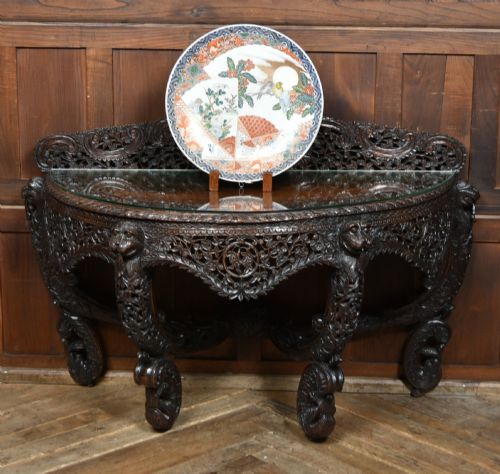
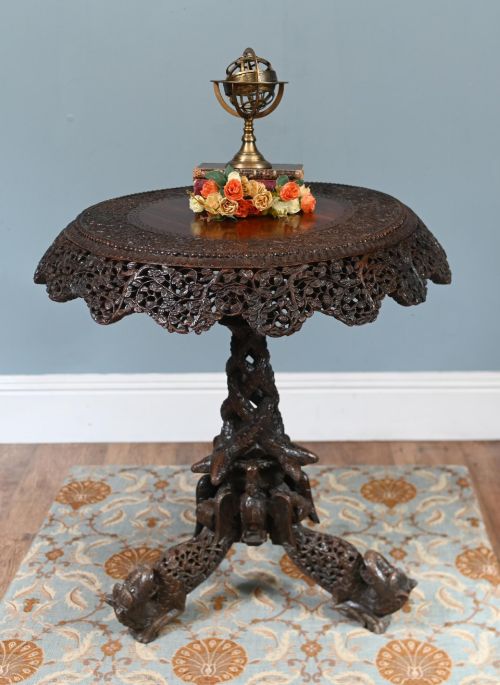
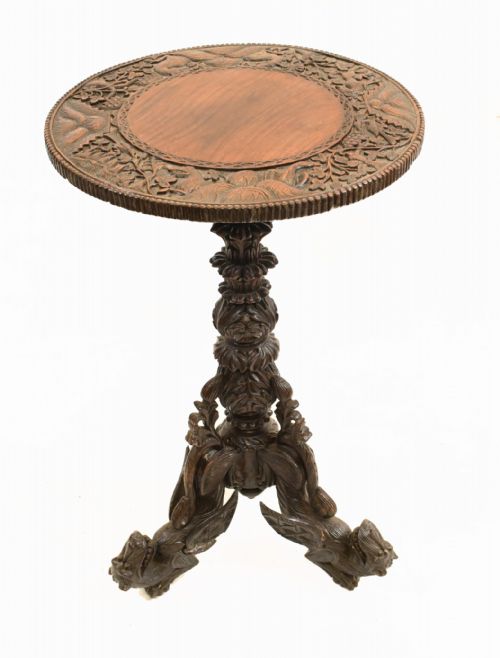
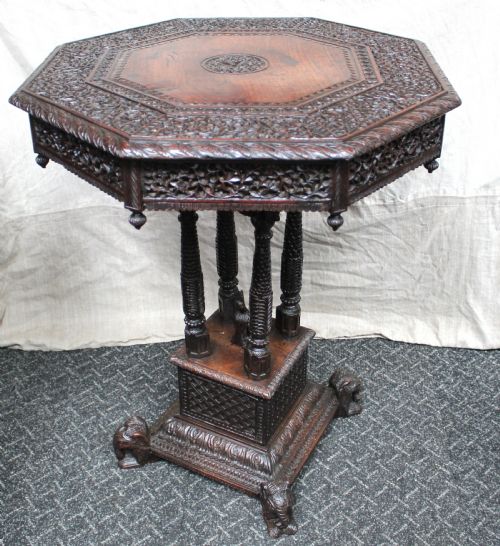
When you search for a vintage burmese teak table, you encounter nineteenth-century furniture originating from Myanmar, spanning styles such as Anglo-Burmese, Anglo-Indian Colonial, and Burmese Vernacular. The listings on this page centre primarily on side tables, console tables, and occasional tables dating across the nineteenth century.
The forms range from village tables with painted surfaces to heavily carved occasional pieces featuring figural supports like elephant legs. Alongside standard side and console variants, the selection includes occasional tables and functional items such as table gongs.
These items reflect nineteenth-century craftsmanship, utilising native timbers and traditional joinery methods that define the vernacular and colonial aesthetics of the region.
How they were made
Construction relies heavily on teak and general hardwood, shaped through traditional woodworking techniques. Artisans utilised hand-carving methods to create elaborate surface decoration across structural elements.
Certain pieces incorporate supplementary materials including bone, glass, wood, paint, and bronze accents. Painted teak village tables display pigment applied directly to the timber surface.
Vintage Burmese Teak Table Retail Price Guide 2026
Typical asking prices for vintage burmese teak table among the pieces listed under this phrase on Sellingantiques today, from the lower quarter to the upper quarter. They describe what is for sale here now, not the wider market.
Some nineteenth-century tables come equipped with elephant legs, ensuring your occasional tea rests on something with a very long memory.
What varies in quality
Depth and precision of the carving distinguish finer examples from simpler vernacular pieces, with intricate figural work requiring greater artisan skill. The complexity of regional design influences the overall visual impact of the woodwork.
Selection of timber and the preservation of original painted surfaces or secondary materials such as bone and bronze determine the character of individual items. Structural execution within Anglo-Burmese and colonial workshops marks the distinction between standard utilitarian furniture and decorative console forms.
The Vintage Burmese Teak Table Glossary
- Teak
- A dense, durable tropical hardwood native to Southeast Asia, prized for its natural oils and resistance to decay. It forms the primary structural material for nineteenth-century Burmese furniture.
- Anglo-Burmese
- A design classification describing furniture produced during the British colonial period in Burma, combining local timbers and carving traditions with European forms. These pieces often merge regional motifs with console or side table structures.
- Console table
- A wall-mounted or freestanding table designed to stand against a vertical surface, frequently featuring decorative carving on the front and sides. In nineteenth-century Burmese examples, these often display elaborate figurative supports.
- Vernacular
- Architecture and furniture created according to local needs and traditional techniques, using locally available materials without formal academic styling. Burmese vernacular tables reflect indigenous domestic forms rather than colonial adaptations.
- Occasional table
- A small, movable table intended for specific, intermittent use within a room, such as holding a lamp or decorative object. The nineteenth-century examples on this page encompass various carved wooden designs.
Vintage Burmese Teak Table: Frequently Asked Questions
What is a vintage burmese teak table?
A vintage burmese teak table is a nineteenth-century item of furniture originating from Myanmar, constructed from native hardwoods and frequently featuring intricate hand-carved decoration. These pieces reflect Anglo-Burmese and vernacular styles.
They encompass forms such as side tables, console tables, and occasional tables, often incorporating regional motifs or figural supports.
How do I identify periods?
Periods are identified through construction methods, stylistic influences, and documented dates ranging across the nineteenth century, including specific years like 1870, 1880, and 1890. Anglo-Burmese and colonial pieces reflect the design markers of nineteenth-century production.
Material choices, such as painted teak or carved hardwood, also correlate with the historical production era of the region.
Where were these tables made?
These tables were made in Burma, operating within regional workshops and village contexts during the nineteenth century. The integration of British colonial forms created distinct Anglo-Burmese and Anglo-Indian styles.
Local artisans utilised native teak and hardwoods to construct furniture for both domestic use and colonial trade.
How do I live with a carved table?
Living with a carved teak table involves placing it in a stable environment away from direct heat sources to protect the dense hardwood. Regular dusting maintains the intricate carved details without requiring heavy intervention.
These console and side tables function well as accent pieces in various interior settings, highlighting nineteenth-century craftsmanship.