
Dark Wood Carved Table
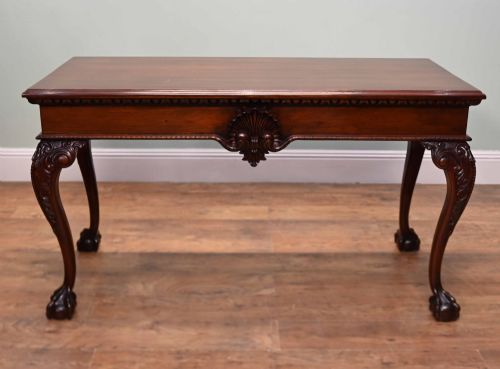
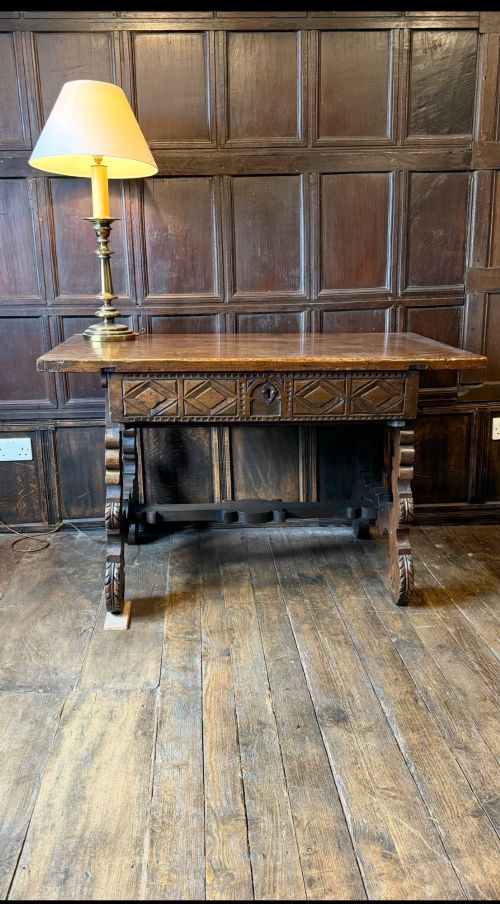
When you select a dark wood carved table, you are choosing a piece of furniture defined by rich timber and intricate hand-carved detail.
Dark Wood Carved Table
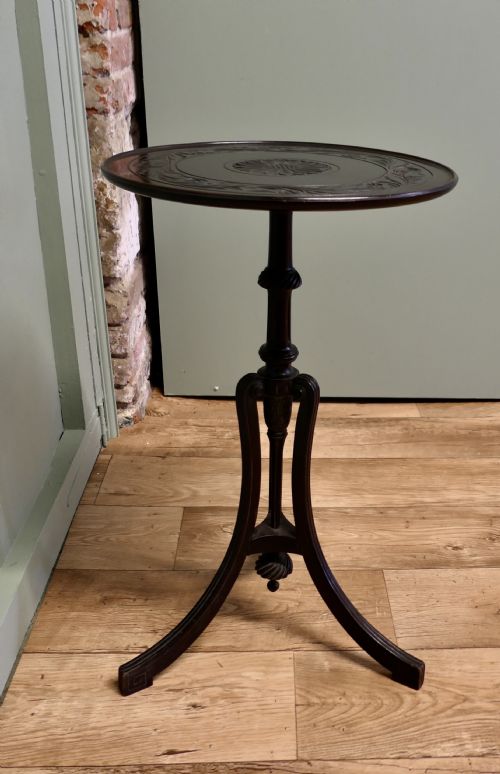
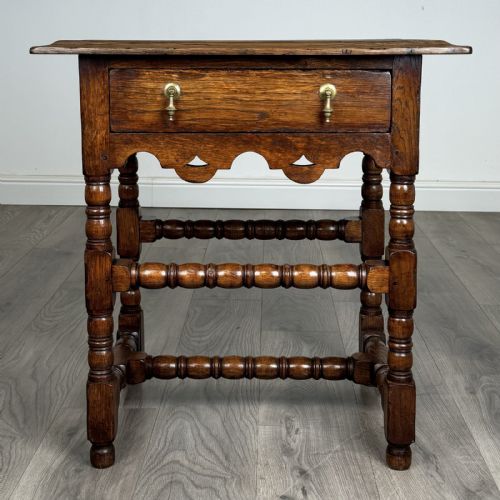
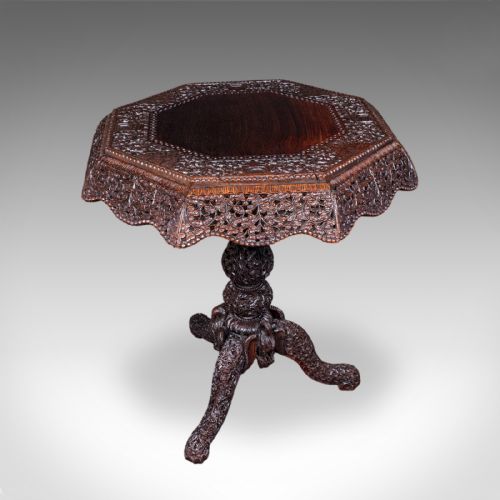
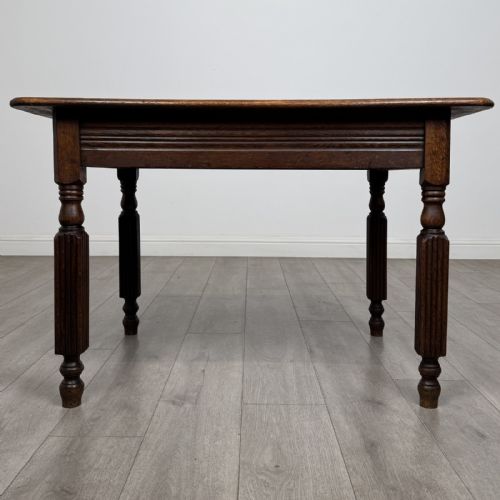
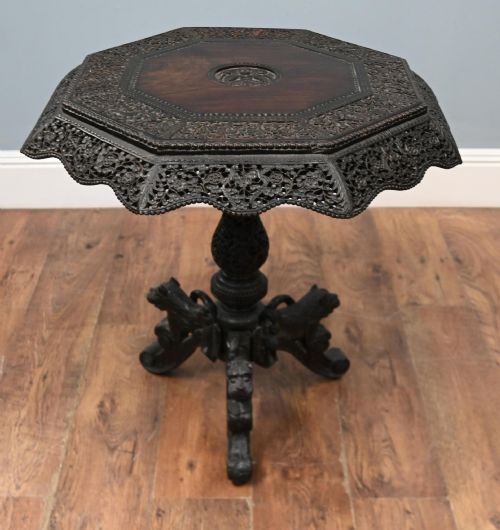
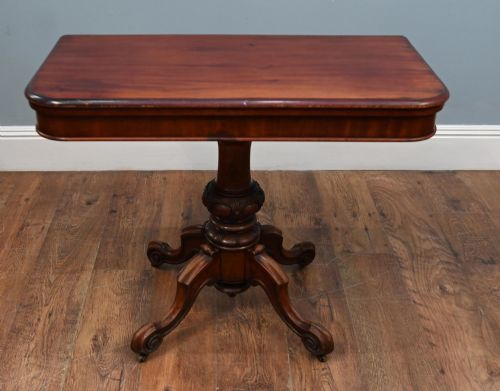
A dark wood carved table encompasses a wide selection of furniture types spanning from the 18th century through to the Edwardian era and the 1920s. Buyers frequently encounter side tables, occasional tables, centre tables, and dining tables fashioned in varied regional traditions including Victorian, Regency, and Qing Dynasty styles.
Materials and construction
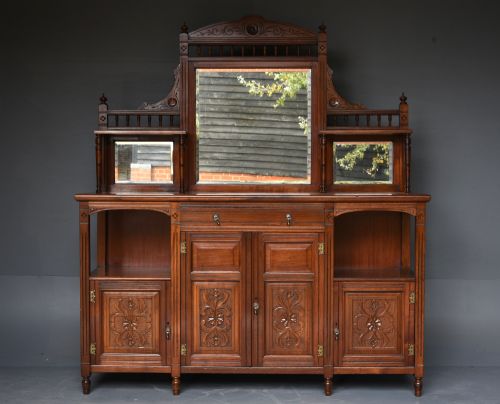
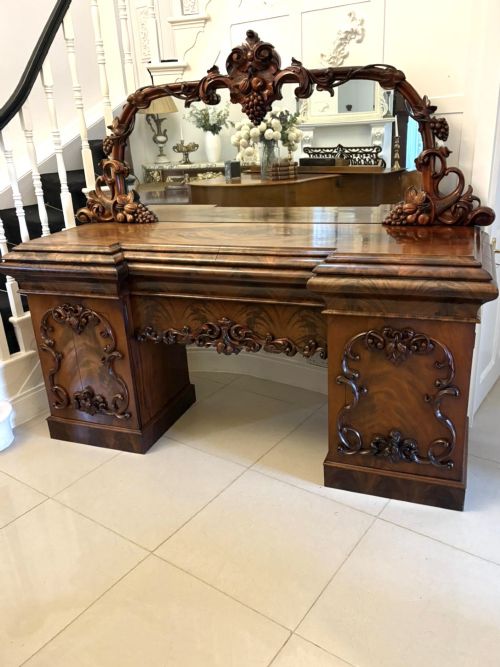
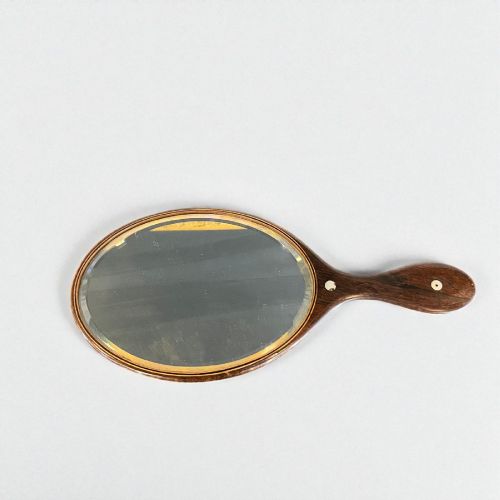
Cabinetmakers utilised dense timbers such as mahogany, rosewood, walnut, and oak to construct these tables, often selecting figured grains to enhance the visual weight of the furniture. Brass mounts, inlay, and glass components occasionally complement the primary wooden structure.
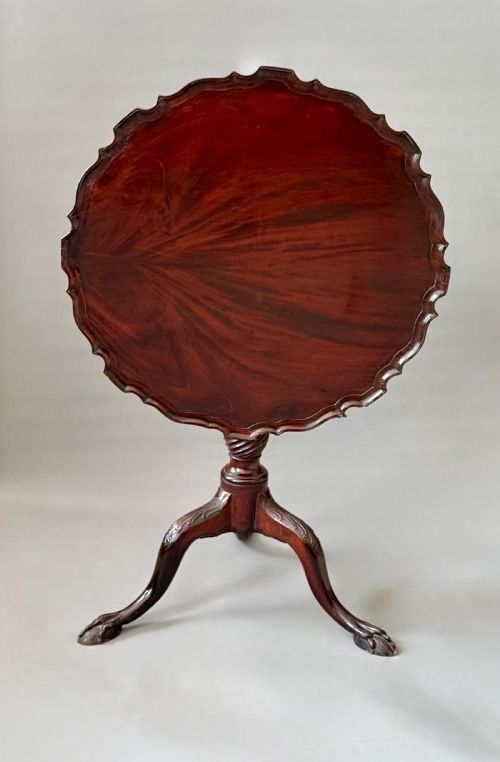
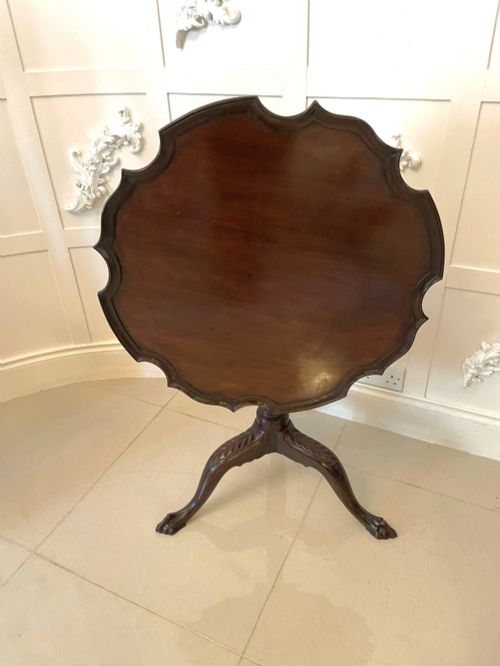
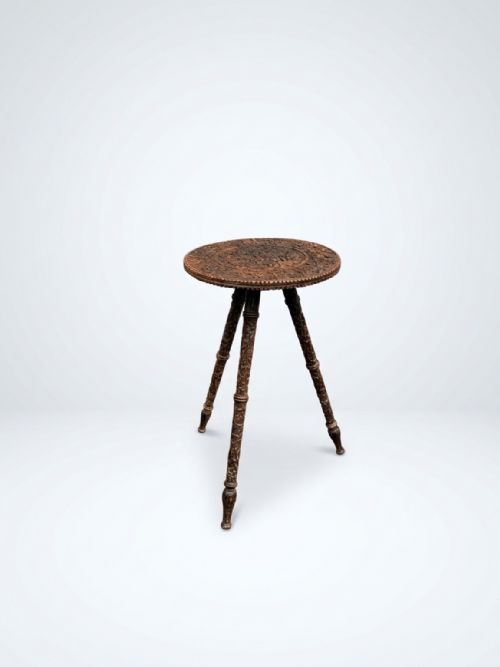
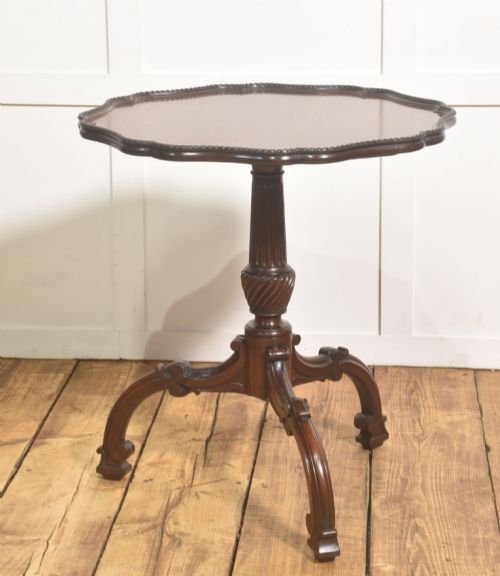
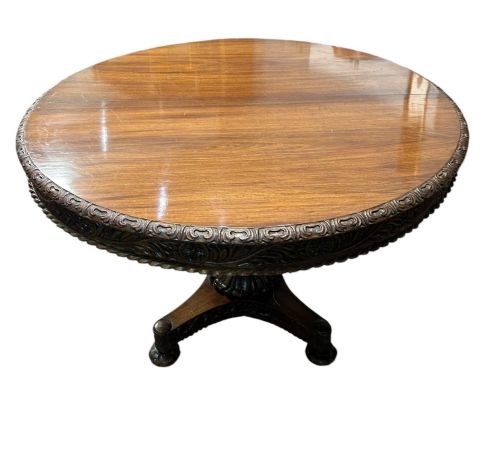
Carving was executed by hand, producing relief work, piecrust edges, and shaped pedestals that require precise joinery such as tilt-top mechanisms or tripod bases to support the heavy tops.
Some tables feature elephants and laughing Buddhas hiding beneath the polish.
Assessing craftsmanship and execution
Quality rests in the crispness and depth of the hand-carving, where superior examples exhibit sharp undercut details rather than shallow, mechanical stamping. The choice of timber also dictates standard, with well-figured Cuban mahogany or dense rosewood marking out finer productions.
Structural integrity differentiates standard items from exceptional ones, particularly in the stability of pedestals, the smooth operation of tilt mechanisms, and the seamless integration of brass inlays or draw leaves.
Gillows·George Wadham·P and MA Nicholson
The Dark Wood Carved Table Glossary
- Piecrust
- A carved raised edge on a tabletop, shaped with alternating curves resembling pastry crust. This decorative border is typically found on 18th-century tripod tables.
- Pembroke table
- A small rectangular table with two hinged drop leaves on opposing sides. It often includes a single drawer and slender legs.
- Tripod table
- A freestanding small table supported by a single central pillar resting on three spreading feet. This form allows the top to tilt vertically when not in use.
- Draw leaf table
- A dining table equipped with two hidden pull-out leaves stored beneath the main top. These leaves extend the surface area smoothly.
Dark Wood Carved Table: Frequently Asked Questions
How do I style a dark wood table in a modern interior?
Pair the deep tones of mahogany or rosewood with neutral walls and contemporary lighting to let the carved details stand out as a focal point.
Use the surface for lamps or simple decorative objects without overcrowding the timber grain.
Can I use an antique tripod table for daily dining?
Tripod tables are generally designed for occasional use, card games, or holding lamps rather than heavy daily dining. Their central pillar and three-foot base offer stability for lighter loads.
For regular meals, opt for sturdy pedestal or leg-supported dining tables from the same periods.
What is the difference between a centre table and a side table?
Centre tables are finished on all sides to stand freely in the middle of a room, acting as decorative display pieces. Side tables are traditionally built to sit flush against a wall.
Review the finishing on the reverse of the piece to determine its original placement.
How do I care for antique rosewood and mahogany surfaces?
Maintain the timber by dusting regularly with a soft, dry cloth and avoiding direct sunlight that can fade the rich wood tones. Apply occasional appropriate wax feeds to nourish the grain without buildup.
Keep these tables away from direct heat sources to prevent timber splitting.