
Vintage Brown Cabinet
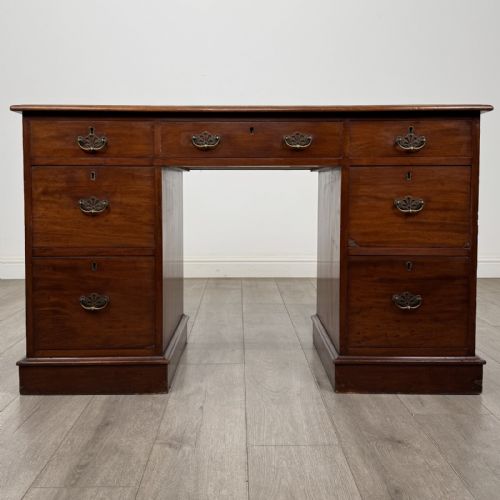
A vintage brown cabinet brings rich timber tones and practical storage to a room, spanning styles from Edwardian oak to Art Deco burr walnut.
Vintage Brown Cabinet
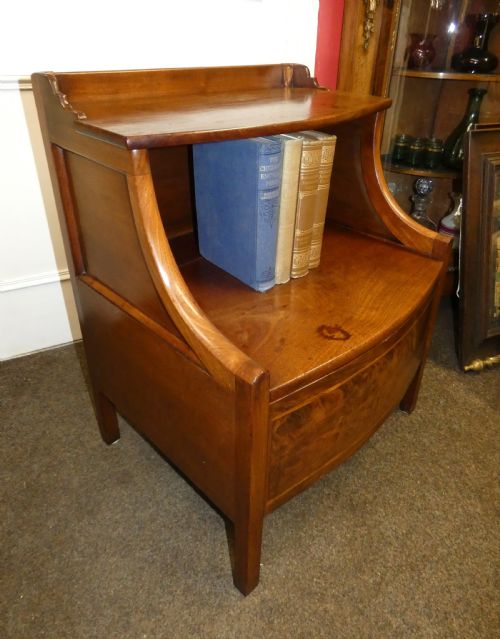
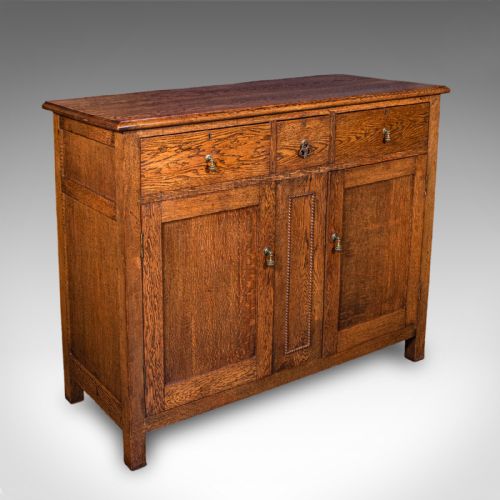
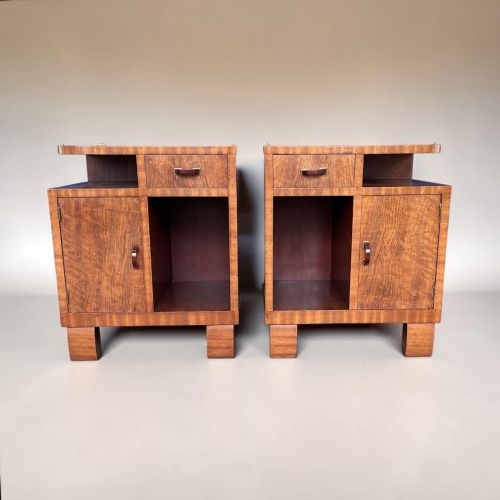
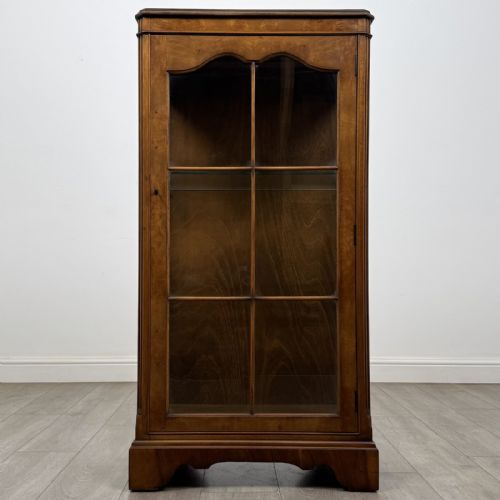
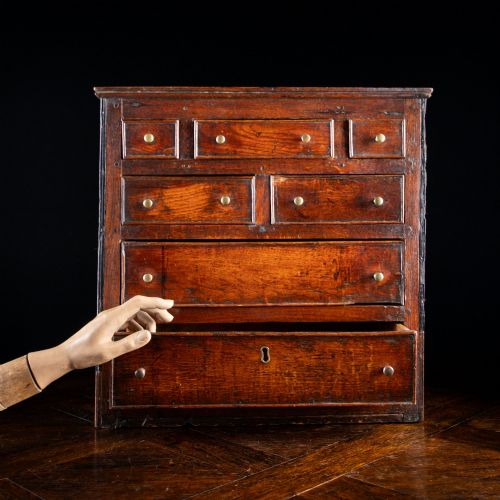
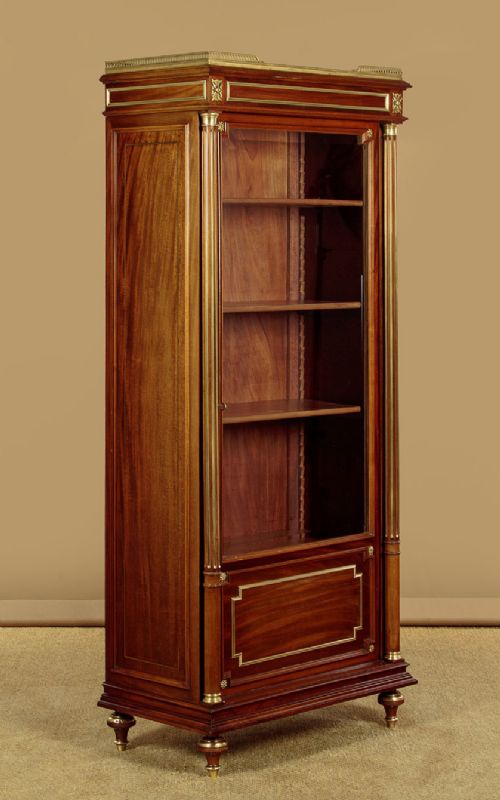
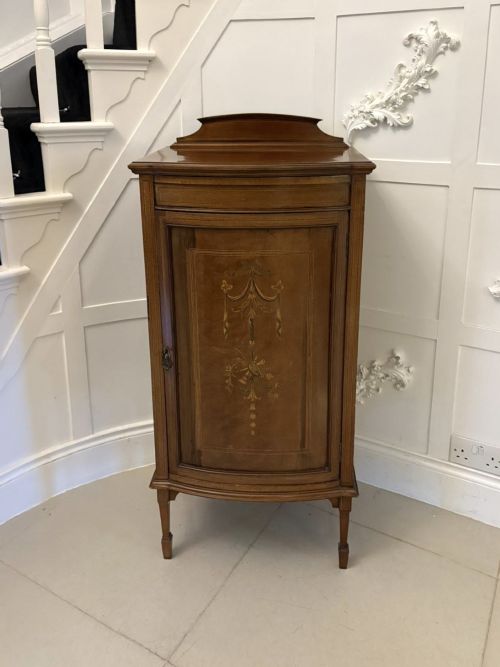
A vintage brown cabinet encompasses a broad variety of timber storage furniture, including bedside tables, display cabinets, bookcases, and sideboards. These pieces emerge from periods such as the Edwardian era, the 1920s, and the 1930s, reflecting domestic needs for organised storage over the decades.
Buyers encounter numerous forms, from tall bookcases and wardrobes to compact bedside cabinets and table-top drawers. Oak, mahogany, and walnut dominate the selection, often shaped by revival styles like Queen Anne and Jacobean, or streamlined through Art Deco designs.
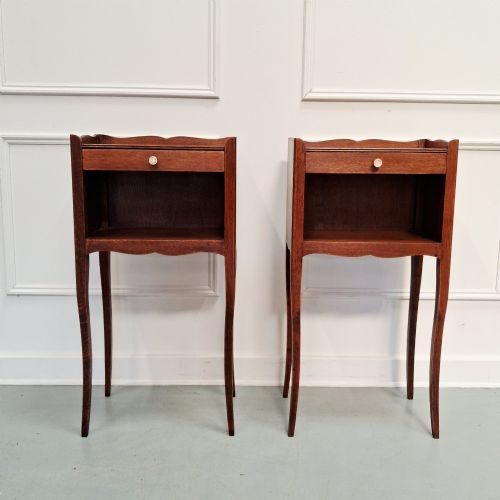
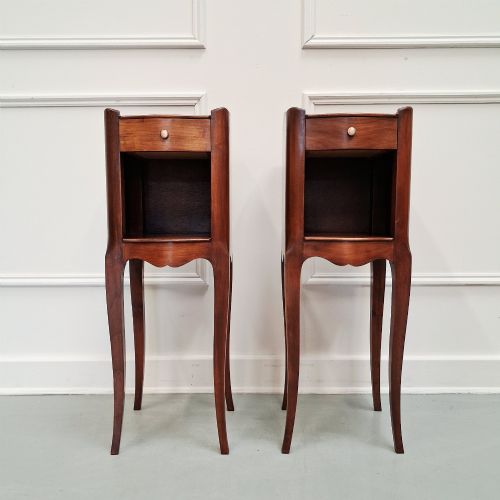
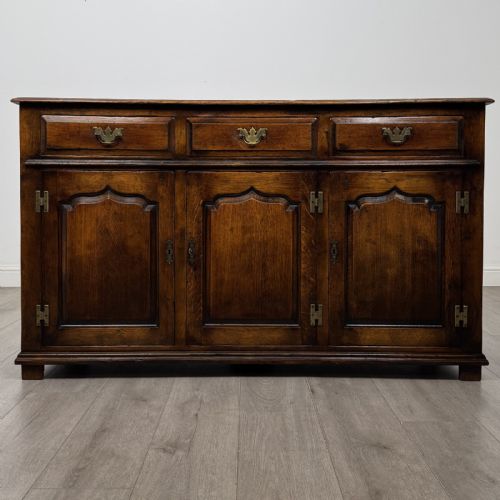
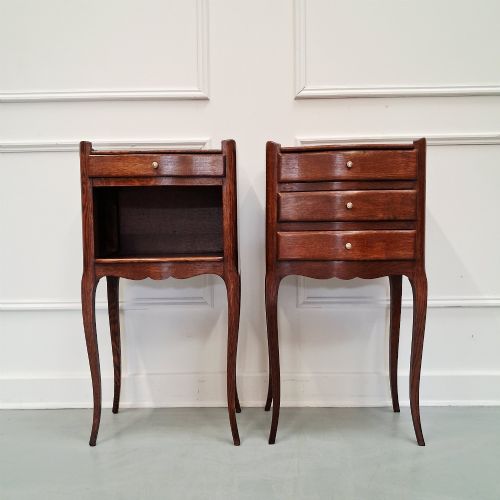
The selection ranges from British workshop pieces to continental European examples, including French cherry and oak bedside tables alongside Danish cupboards. Each piece serves a distinct domestic function, bridging utility and period craftsmanship.
Materials and construction methods
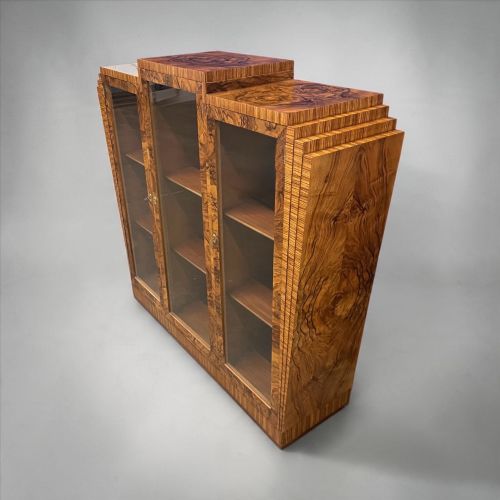
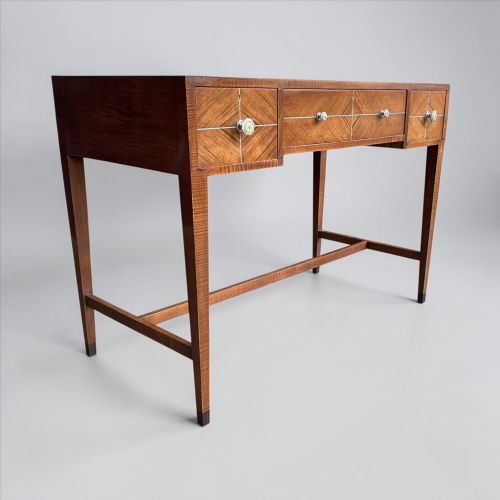
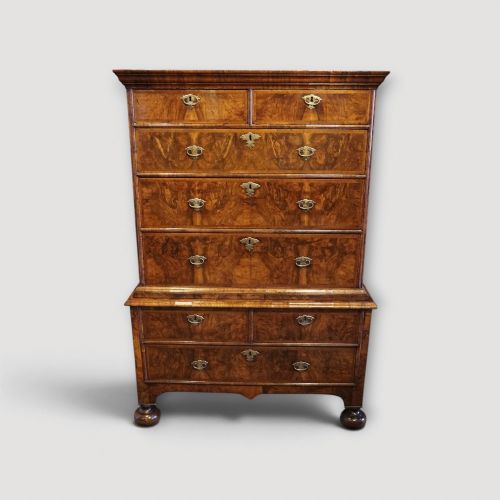
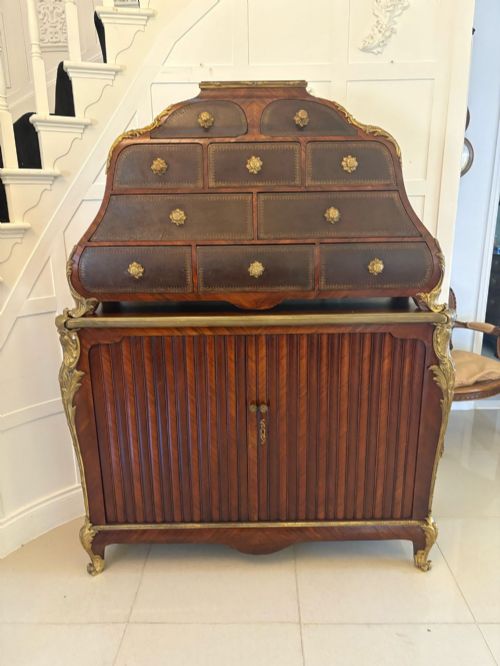
Cabinet makers relied primarily on dense hardwoods such as mahogany, oak, and walnut, frequently utilising burr walnut veneers to create striking grain patterns on drawer fronts and doors. Satinwood inlay and brass mounts often provided decorative contrast to these dark timber surfaces.
Construction techniques evolved from traditional joined framework and panel doors seen in earlier oak cupboards to the refined veneering and curved bow fronts of Edwardian and Art Deco pieces. Turnings, carved details, and fitted interiors demonstrate the specific hand skills applied to each type of cabinet.
Listings feature oak, mahogany, walnut, and burr walnut alongside brass and glass elements across Edwardian, Art Deco, and Georgian periods.
Distinguishing quality in brown cabinets
Quality reveals itself in the selection of timber and the precision of its application, particularly where figured veneers like burr walnut match across multiple doors or drawers. Solid secondary woods and stable carcase construction indicate superior workshop standards.
Hardware and finishing touches further separate standard utility items from finer examples, evident in original brass mounts, well-fitted drawers, and delicate satinwood inlay work. The crispness of carved mouldings and the integrity of joints dictate the enduring status of a piece.
Heals
The Vintage Brown Cabinet Glossary
- Burr walnut
- A prized timber veneer taken from the burl growth of the walnut tree, showing swirling, highly decorative grain patterns. It appears frequently on cabinet doors and drawer fronts from the 1920s.
- Bow front
- A convex, curved front profile found on chests of drawers and side cabinets. This shape required advanced joinery to bend or shape the timber and framing accurately.
- Cartonnier
- A specialised cabinet fitted with multiple horizontal compartments or drawers designed to hold papers and documents. These French pieces often incorporate mounts of ormolu.
- Chiffonier
- A low sideboard or cabinet developed in the 19th century, typically featuring a combination of enclosed cupboards and upper shelving. It served functional storage needs in dining rooms and parlours.
- Fielded panel
- A wooden door panel with bevelled edges that recede towards a central flat or raised area. This traditional construction method allows the wood to expand and contract with seasonal humidity changes.
Vintage Brown Cabinet: Frequently Asked Questions
What periods do these brown cabinets come from?
The listings span several distinct periods, ranging from 18th-century and Georgian pieces through Victorian and Edwardian examples to 1920s and 1930s designs. Art Deco and various revival styles also feature prominently.
Each era brought different aesthetic preferences, shifting from heavy carved oak towards streamlined walnut veneers and continental European influences.
How were these cabinets used originally?
These brown cabinets served diverse domestic functions, from bedside storage and library book organisation to wardrobe storage and china display. Larger sideboards and dressers managed dining room service and kitchen storage.
Specialist forms also exist, such as watch and clock repairer chests, highlighting specific trade uses alongside domestic furniture.
How do I care for vintage timber furniture?
Maintain timber cabinets by placing them away from direct heat sources and strong sunlight, which can dry out the wood and fade polished finishes. Regular dusting with a soft, dry cloth preserves the surface.
Applying occasional appropriate wax polish helps nourish hardwoods like oak and mahogany without building up heavy residues over time.
Can I mix different wood tones in a room?
Mixing different timber tones, such as oak, walnut, and mahogany, works successfully when the pieces share similar proportions or historical periods. The natural grain variations in vintage brown timber create visual depth.
Allowing one wood type to anchor the space helps unify contrasting finishes between wardrobes, bedside tables, and bookcases.