

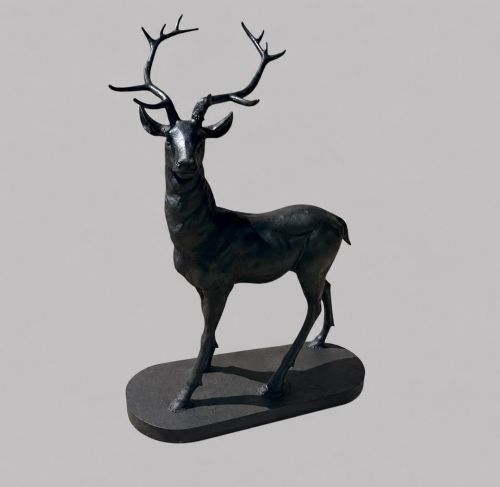


Vintage Bronze Tabletop Statue
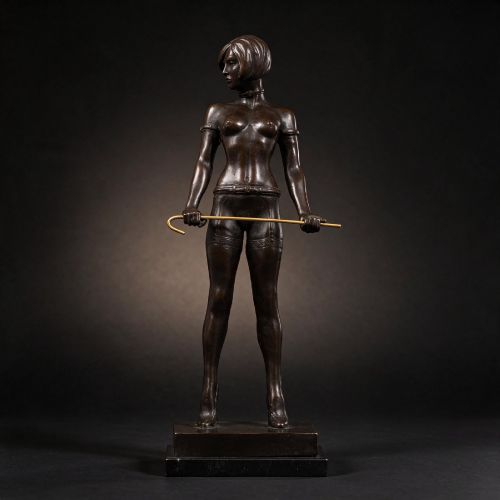
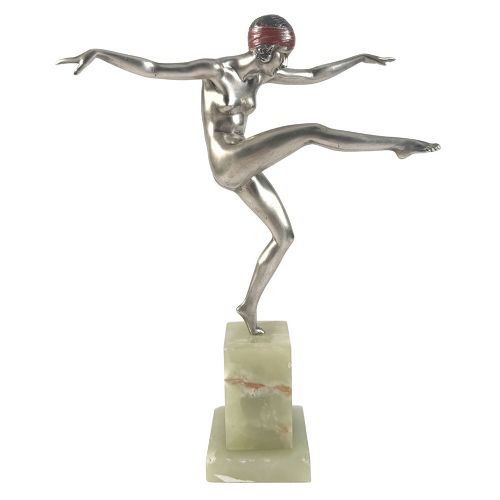
These vintage bronze tabletop statue pieces bring character to a desk or mantelpiece, spanning Art Deco figures to Victorian animalier casts.
Vintage Bronze Tabletop Statue
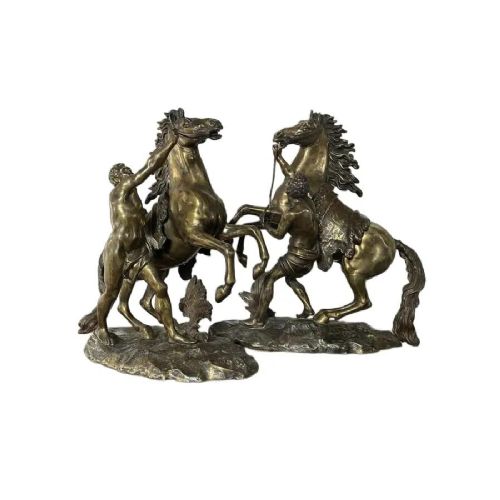
A vintage bronze tabletop statue is a compact sculpture designed for domestic display on furniture rather than architectural placement. The selection here ranges from nineteenth-century animalier subjects to twentieth-century dancer figures.
Buyers will encounter distinct stylistic periods on this page, most notably the clean lines of Art Deco alongside earlier Victorian and nineteenth-century classical works. These domestic sculptures often incorporate functional or decorative bases made of contrasting stone.
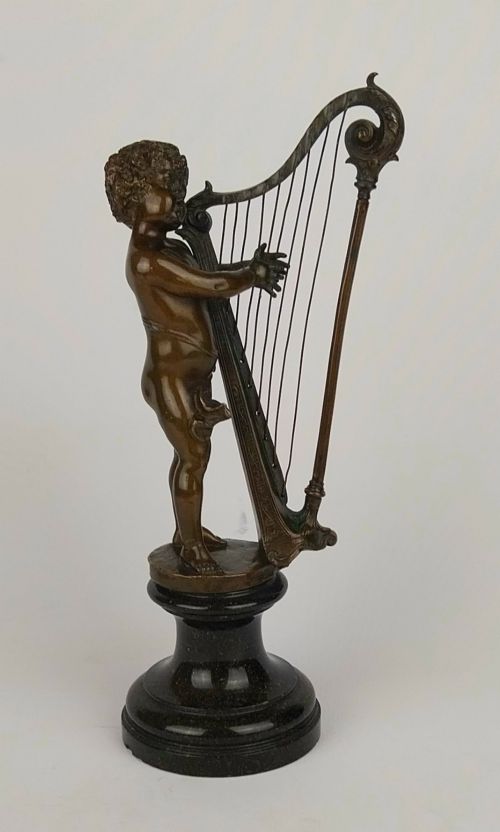
Animal studies and human figures dominate the forms available. Pieces frequently depict specific subjects such as stags, tigers, cherubs, and high-kicking dancers captured in motion.
How they were made
The primary metalwork relies on traditional casting methods, resulting in substantial bronze, silvered bronze, or gilt-bronze forms. Some items utilise related sculptural materials such as terracotta or spelter.
Many of these tabletop figures are mounted onto heavy stone plinths. Onyx and marble provide a stable, contrasting foundation that complements the metallic finish of the sculpture above.
Vintage Bronze Tabletop Statue Retail Price Guide 2026
Typical asking prices for vintage bronze tabletop statue among the pieces listed under this phrase on Sellingantiques today, from the lower quarter to the upper quarter. They describe what is for sale here now, not the wider market.
Several animals in these collections appear ready to leap straight off the mantelpiece and onto the carpet.
What varies in quality
The integrity of the mounting also distinguishes the pieces. Superior works feature tightly fitted marble or onyx bases that securely anchor the heavier bronze figures without gaps or misalignment.
Ferdinand Preiss·Georges-Charles Coudray·Auguste Moreau·Vannetti·Elizabeth Anna Clapp·Demetre Chiparus·Bruno Zach·Mario Korbel
The Vintage Bronze Tabletop Statue Glossary
- Animalier
- A nineteenth-century artistic style focusing on realistic depictions of animals, particularly wild beasts and domestic pets. These sculptures often capture creatures in dynamic or predatory stances.
- Ormolu
- Gilded bronze achieved through the application of a mercury-gold amalgam to the metal surface. This technique produces a rich, warm golden lustre popular in decorative arts.
- Spelter
- An alloy of zinc and lead used as a less expensive substitute for bronze. It frequently receives a bronze-coloured finish to mimic more costly metalwork.
- Patina
- The surface sheen and coloration developed through oxidation, age, and handling. A natural patina often enhances the visual depth of antique metalwork.
- Cast
- The process of pouring molten metal into a mould to create a specific sculptural shape. Multiple stages of cooling and finishing follow the initial pour.
Vintage Bronze Tabletop Statue: Frequently Asked Questions
How do I clean a bronze statue?
Dust the surface gently with a soft, dry brush to remove settled particles without disturbing the underlying finish. Avoid using chemical polishes or water, which can strip away the historical patina.
Apply a very thin layer of microcrystalline wax if the metal requires protection against humidity. Buff the wax gently with a clean cloth after application to maintain a subtle, natural sheen.
What is an animalier bronze?
Animalier refers to nineteenth-century art that portrays animals with anatomical accuracy and naturalistic behaviour. Sculptors in this tradition studied live specimens in menageries to capture authentic movement.
These pieces range from resting stags to hunting tigers. They remain popular among collectors who appreciate realistic wildlife sculpture.
How can I tell Art Deco from earlier styles?
Art Deco bronzes typically feature streamlined geometric forms, stylised drapery, and dynamic movement. Figures from this period often depict dancers or athletes with clean, modern silhouettes.
Earlier nineteenth-century and Victorian works generally favour classical mythology, sentimental subjects, or highly detailed naturalism. The bases and patination also reflect the prevailing tastes of their respective decades.
Why are some figures mounted on marble?
Marble and onyx bases provide essential physical stability for heavy metal sculptures. A dense stone plinth lowers the centre of gravity and prevents the piece from tipping over on a table.
These stone mounts also act as a visual frame for the sculpture. Contrasting colours between the dark bronze and pale stone enhance the overall composition.